FoodsProteinAnchovies
Anchovies

Protein

Anchovies

Anchovies are tiny, nutrient-packed fish that can be a wonderful addition to your baby's diet. They're naturally rich in protein for growth and contain important nutrients like vitamin D for strong bones[1] and iron for healthy brain development[2]. Their soft texture and savory flavor make them easy to incorporate into various baby foods.

6m+Common allergenChoking risk: Low
First age6m+
CategoryProtein
Common allergenYes
Choking riskLow

When can babies eat Anchovies?

You can introduce anchovies around 6 months when starting solids, but many parents wait until 8-9 months when babies are more accustomed to different flavors and textures.

How to serve Anchovies by age

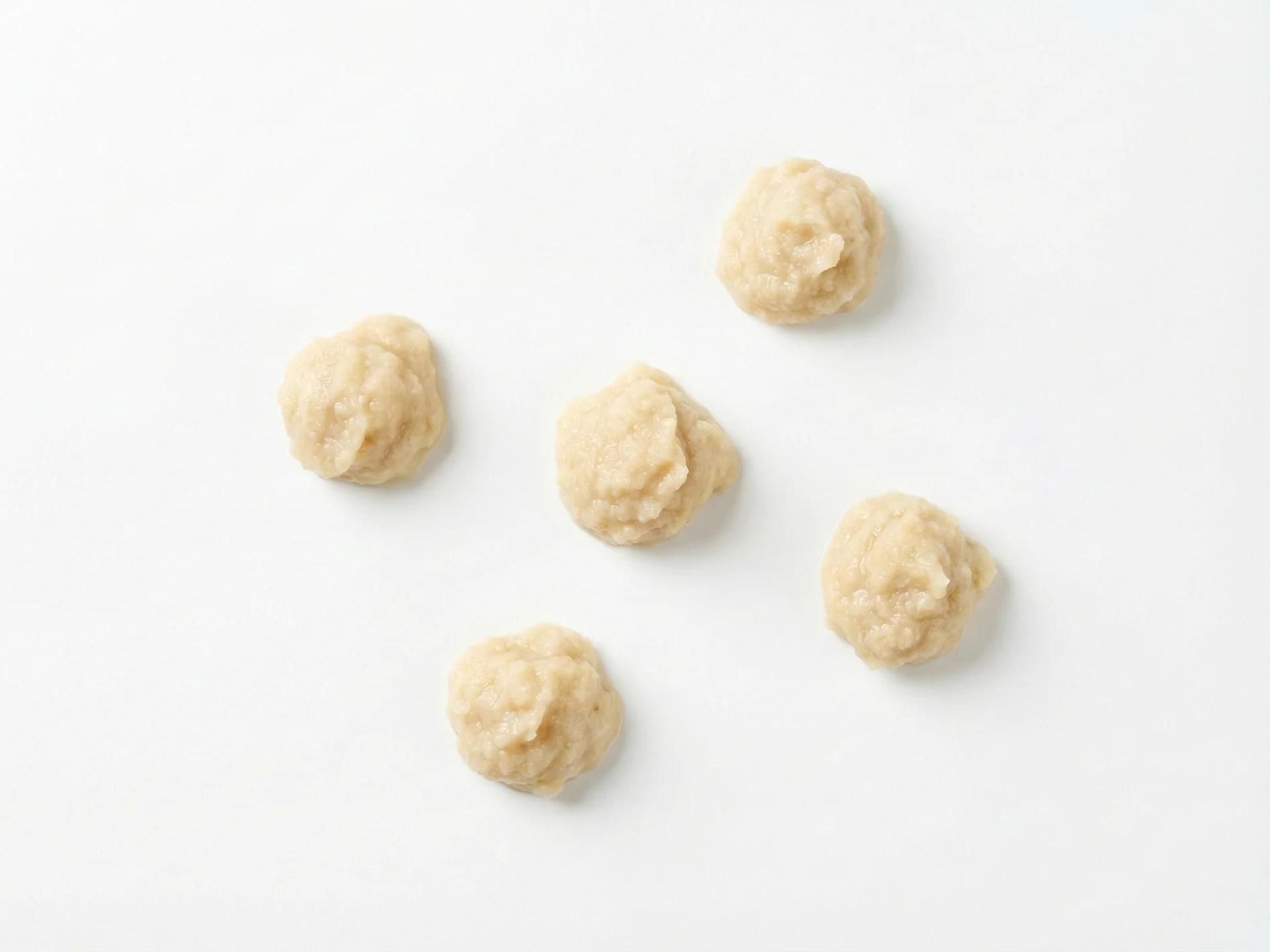
For babies 9-12 months, mash boneless, skinless anchovies into a smooth paste or finely chop into tiny, soft pieces. Mix with mashed vegetables or grains to create a manageable texture that's easy to pick up with fingers or a spoon.
9 to 12 months

For babies 9-12 months, mash boneless, skinless anchovies into a smooth paste or finely chop into tiny, soft pieces. Mix with mashed vegetables or grains to create a manageable texture that's easy to pick up with fingers or a spoon.

  • Choose low-sodium anchovies and rinse well to reduce salt content.
  • Remove all bones by checking carefully or using pre-boned varieties.
  • Combine with avocado or sweet potato for a creamy, palatable mix.
  • Serve in small portions (1-2 teaspoons) to monitor for allergies.
  • Offer on a pre-loaded spoon or as a spread on soft toast strips.
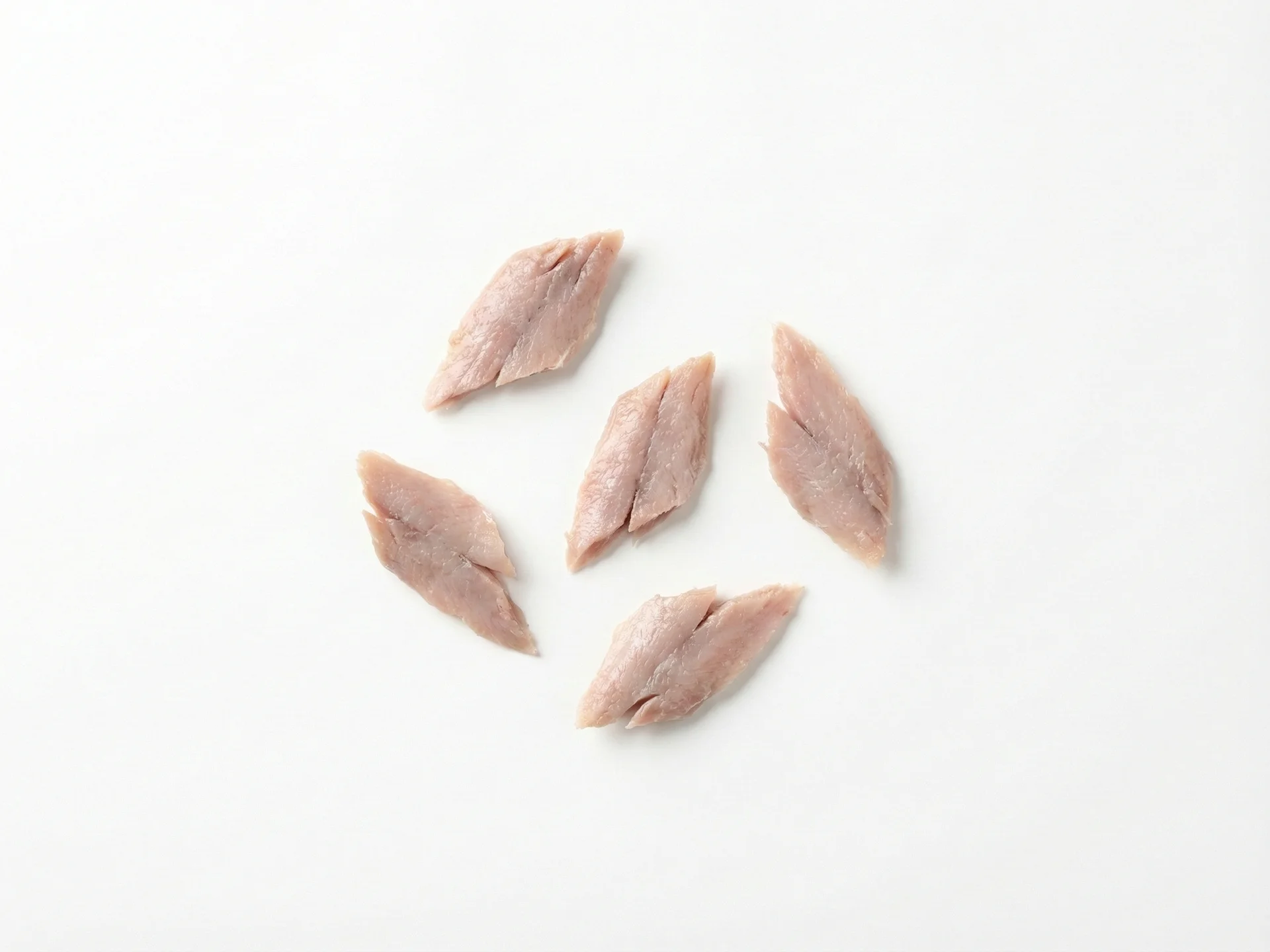
For toddlers 12 months and up, flake anchovies into small, soft pieces or incorporate them into dishes like pasta sauces or casseroles. They can handle more texture, so you can offer slightly larger bits as they develop chewing skills.
12 months +

For toddlers 12 months and up, flake anchovies into small, soft pieces or incorporate them into dishes like pasta sauces or casseroles. They can handle more texture, so you can offer slightly larger bits as they develop chewing skills.

  • Use anchovies to flavor homemade sauces instead of adding salt.
  • Mix into scrambled eggs or rice dishes for added nutrition.
  • Offer as part of finger foods like fish cakes or patties.
  • Encourage self-feeding with utensils to practice coordination.
  • Pair with colorful veggies to make meals appealing and balanced.

Safety & allergens

Choking risk: Low

Anchovies are naturally soft when cooked or canned, making them low choking risk. For extra safety, mash them thoroughly for younger babies and ensure any bones are completely removed. Always supervise your baby during meals.

Common allergen

Fish allergies affect about 0.5-0.6% of children, with anchovies being one of the fish types that can trigger reactions[3].

Vitamins & minerals

Anchovies provide excellent nutrition for growing babies. They're packed with vitamin D, which helps your baby's body absorb calcium for strong bones and teeth[1]. The iron content supports healthy brain development and prevents anemia[2], while selenium acts as an important antioxidant[5].

Vitamins
Vitamin VITAMIN DVitamin VITAMIN B12Vitamin VITAMIN B3
Minerals
CalciumIronSeleniumPhosphorusSodium