FoodsBeanGreen beans
Green beans

Bean

Green beans

Green beans are a wonderful first food for babies, offering a mild, slightly sweet flavor and a smooth texture when cooked and pureed. They're packed with essential nutrients that support your baby's growth, including vitamin A for healthy vision[1], vitamin C for immune function[2], and iron for brain development[3]. Their gentle taste makes them a great introductory vegetable that many babies enjoy.

6m+Not a common allergenChoking risk: Low
First age6m+
CategoryBean
Common allergenNo
Choking riskLow

When can babies eat Green beans?

Green beans can be introduced around 6 months when your baby shows signs of readiness for solids, such as sitting up with support and showing interest in food.

How to serve Green beans by age

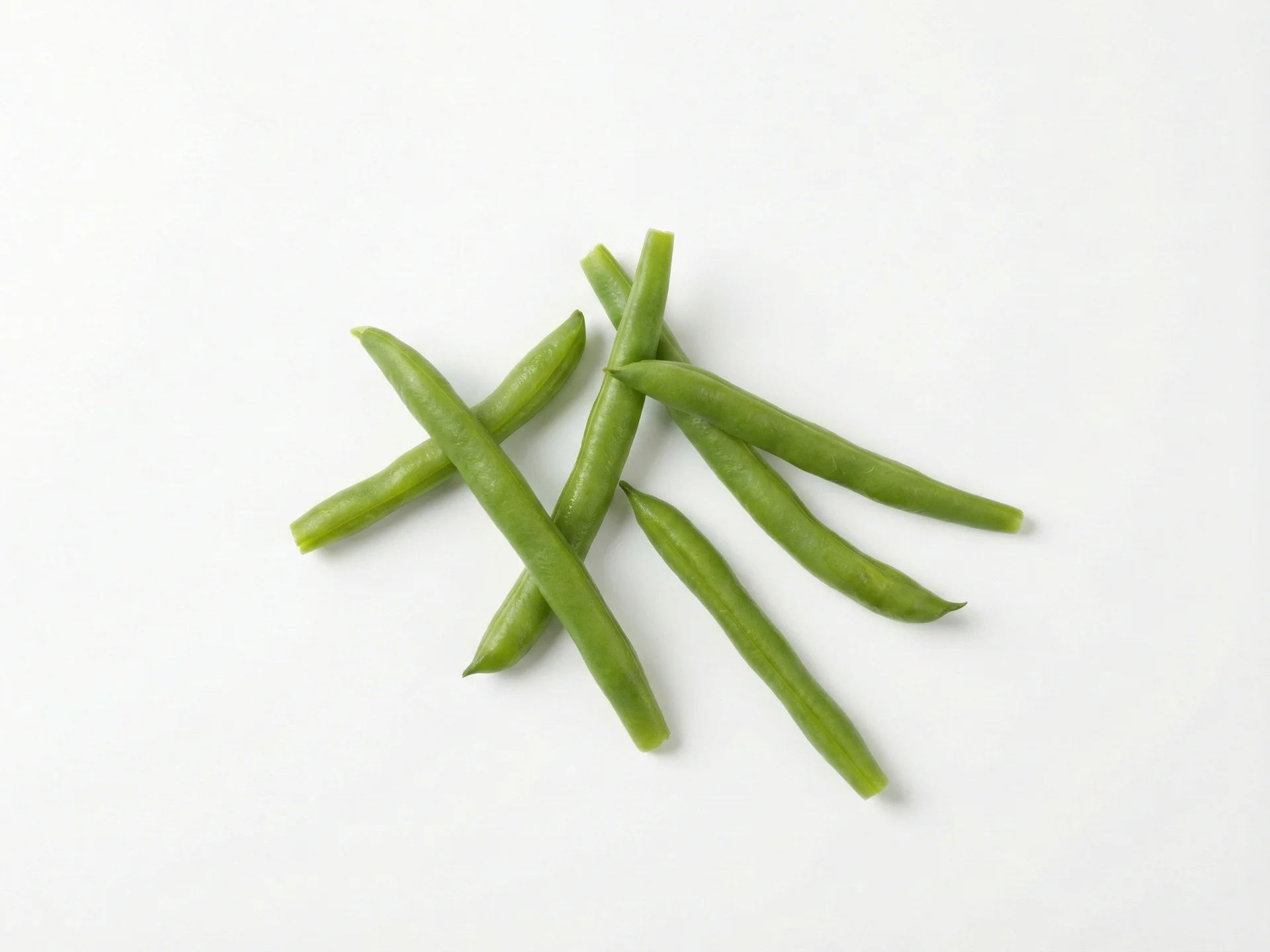
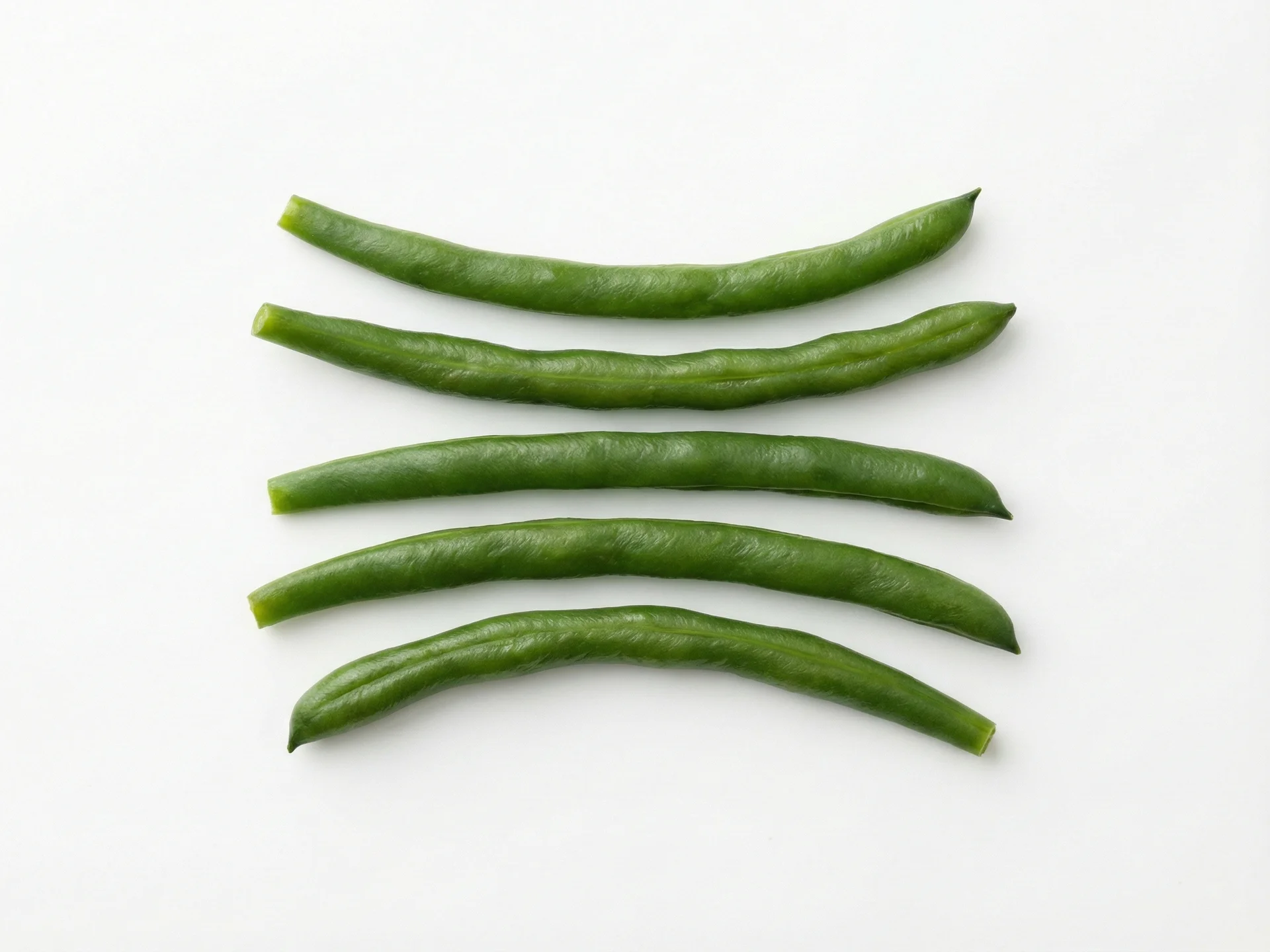
For babies 6-9 months, cook green beans until very soft (easily mashed between your fingers) by steaming or boiling. Serve as long, whole spears (about 3-4 inches long) to make them easy for your baby to grasp with their palmar grasp. Avoid cutting into small pieces to reduce choking risk.
6 to 9 months

For babies 6-9 months, cook green beans until very soft (easily mashed between your fingers) by steaming or boiling. Serve as long, whole spears (about 3-4 inches long) to make them easy for your baby to grasp with their palmar grasp. Avoid cutting into small pieces to reduce choking risk.

  • Steam for 8-10 minutes until tender
  • Test softness by mashing with your fingers
  • Serve cool to avoid burns
  • Offer on a highchair tray for easy access
  • Supervise closely during meals
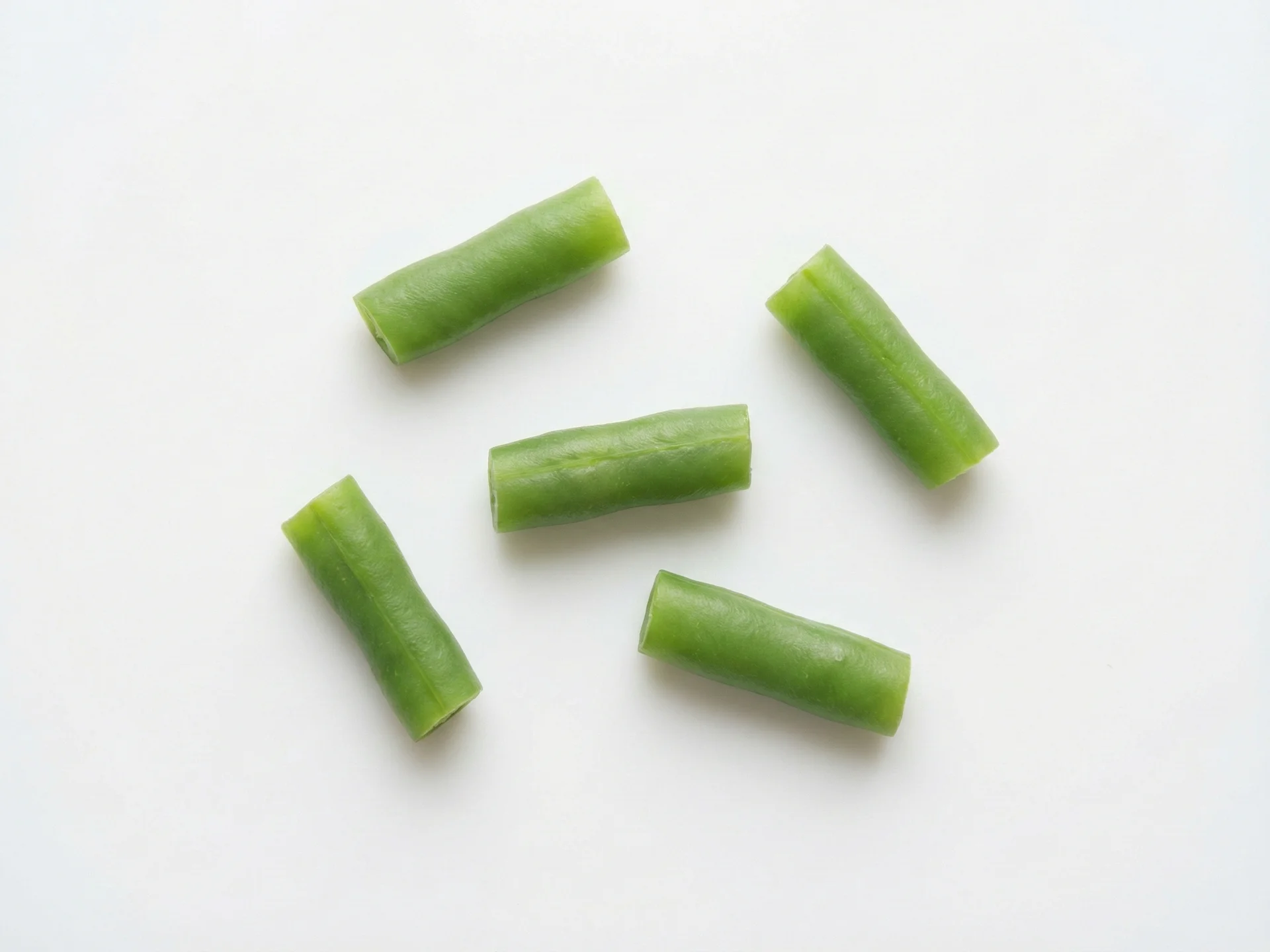
For babies 9-12 months, you can offer slightly firmer green beans as their chewing skills improve, but still cook until soft. Cut into bite-sized pieces (about 1/2 inch long) if your baby has developed a pincer grasp, or continue with spears if they prefer. This helps practice self-feeding and coordination.
9 to 12 months

For babies 9-12 months, you can offer slightly firmer green beans as their chewing skills improve, but still cook until soft. Cut into bite-sized pieces (about 1/2 inch long) if your baby has developed a pincer grasp, or continue with spears if they prefer. This helps practice self-feeding and coordination.

  • Boil for 5-7 minutes for a firmer texture
  • Cut into small pieces if baby uses pincer grasp
  • Mix with other soft foods for variety
  • Encourage self-feeding with a spoon
  • Monitor for any gagging as textures change
For toddlers 12 months and up, green beans can be served cooked but with more texture, such as lightly steamed or sautéed. You can also incorporate them into meals like stir-fries or casseroles. Continue to avoid hard or raw beans to ensure safety as chewing skills develop.
12 months +

For toddlers 12 months and up, green beans can be served cooked but with more texture, such as lightly steamed or sautéed. You can also incorporate them into meals like stir-fries or casseroles. Continue to avoid hard or raw beans to ensure safety as chewing skills develop.

  • Sauté with a little olive oil for flavor
  • Include in mixed dishes like pasta or rice
  • Offer raw only if very thin and monitored
  • Season lightly with herbs instead of salt
  • Use as a finger food in lunchboxes

Safety & allergens

Choking risk: Low

Green beans have a low choking risk when prepared appropriately for your baby's age. For younger babies, always serve them cooked and pureed until smooth. As your baby gets older and can handle more texture, you can mash or finely chop them. Always supervise your baby during meals.

Not a common allergen

Green beans is not a top allergen. As with any new food, offer it on its own and watch for any reaction.

Vitamins & minerals

Green beans provide key nutrients that benefit your baby's health. They contain vitamin A, which is important for vision and immune health[1], and vitamin C, which supports the immune system and helps with iron absorption[2][4]. The iron in green beans contributes to healthy brain development and prevents anemia[3], while the fiber aids in digestion and prevents constipation[5].

Vitamins
Vitamin VITAMIN AVitamin VITAMIN CVitamin VITAMIN KVitamin VITAMIN B9
Minerals
IronCalciumMagnesiumPotassium