FoodsVegetableBell pepper
Bell pepper

Vegetable

Bell pepper

Bell peppers are a colorful, sweet vegetable that can be a fun and nutritious addition to your baby's diet. Their mild flavor and soft texture when cooked make them appealing for little ones, and they're packed with vitamins that support healthy growth and development.[1]

6m+Not a common allergenChoking risk: Medium
First age6m+
CategoryVegetable
Common allergenNo
Choking riskMedium

When can babies eat Bell pepper?

Bell peppers can be introduced around 6 months when your baby starts solids, as long as they are cooked until very soft to reduce choking risk.

How to serve Bell pepper by age

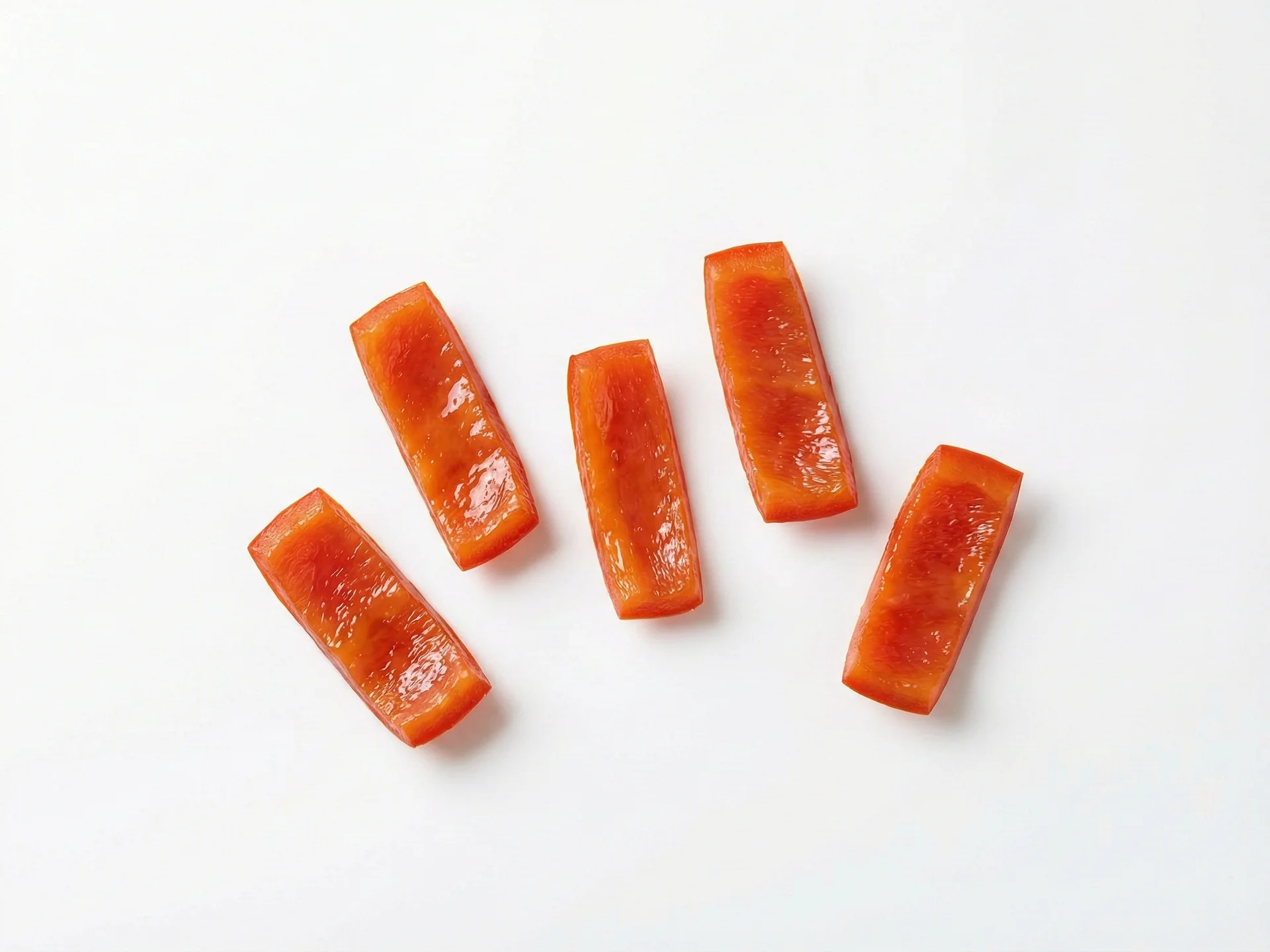
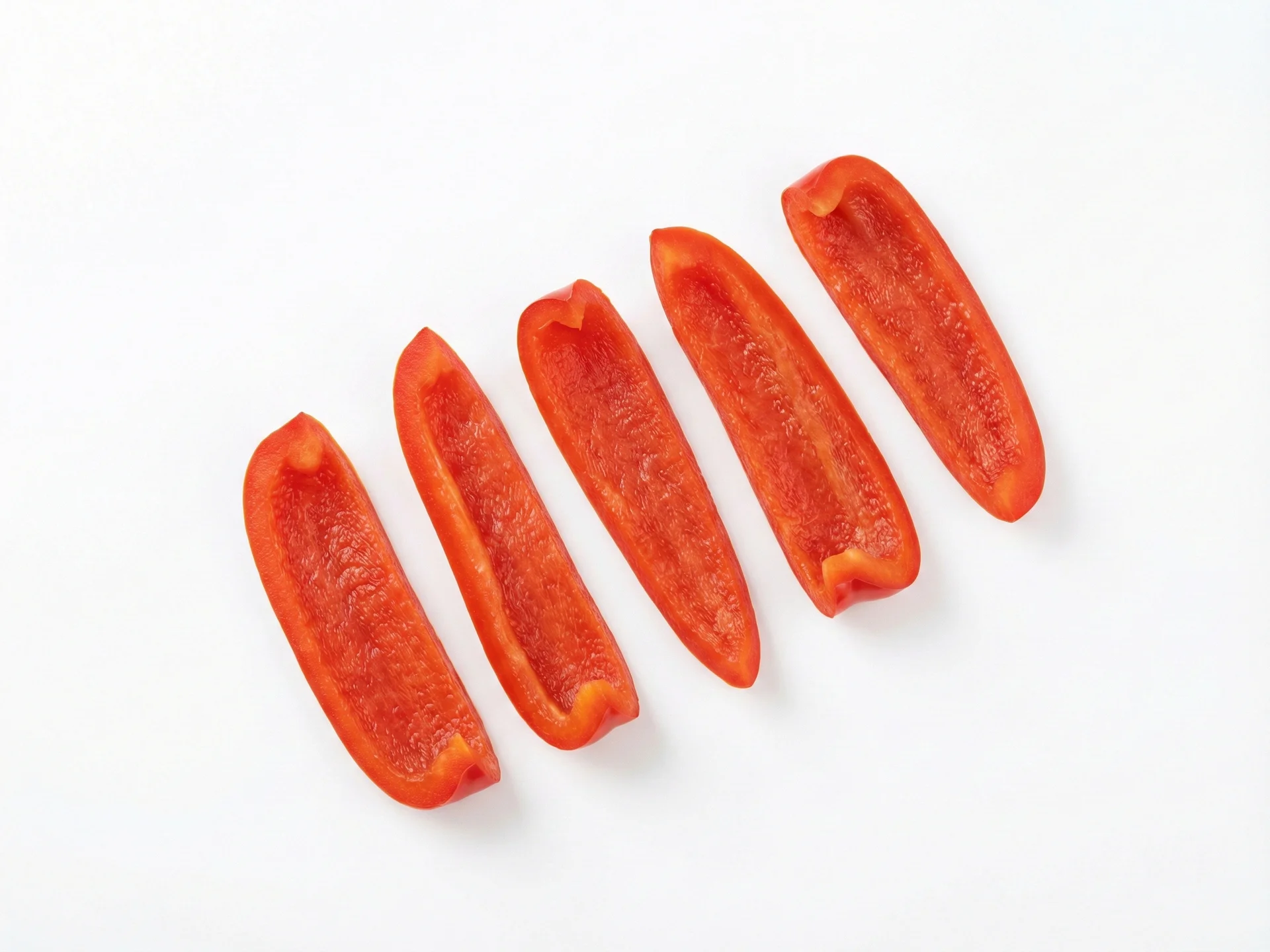
For 6-9 months, cook bell peppers until very soft (roast, steam, or boil) and cut into large, graspable strips about the size of two adult fingers. Remove seeds and membranes, and consider peeling the skin to reduce choking risk. This allows your baby to hold and gum the pepper safely.
6 to 9 months

For 6-9 months, cook bell peppers until very soft (roast, steam, or boil) and cut into large, graspable strips about the size of two adult fingers. Remove seeds and membranes, and consider peeling the skin to reduce choking risk. This allows your baby to hold and gum the pepper safely.

  • Roast peppers to enhance sweetness and soften texture.
  • Steam until tender but not mushy to retain nutrients.
  • Cut into long, flat strips for easy gripping.
  • Always cool cooked peppers to a safe temperature before serving.
  • Offer one strip at a time to prevent overstuffing.
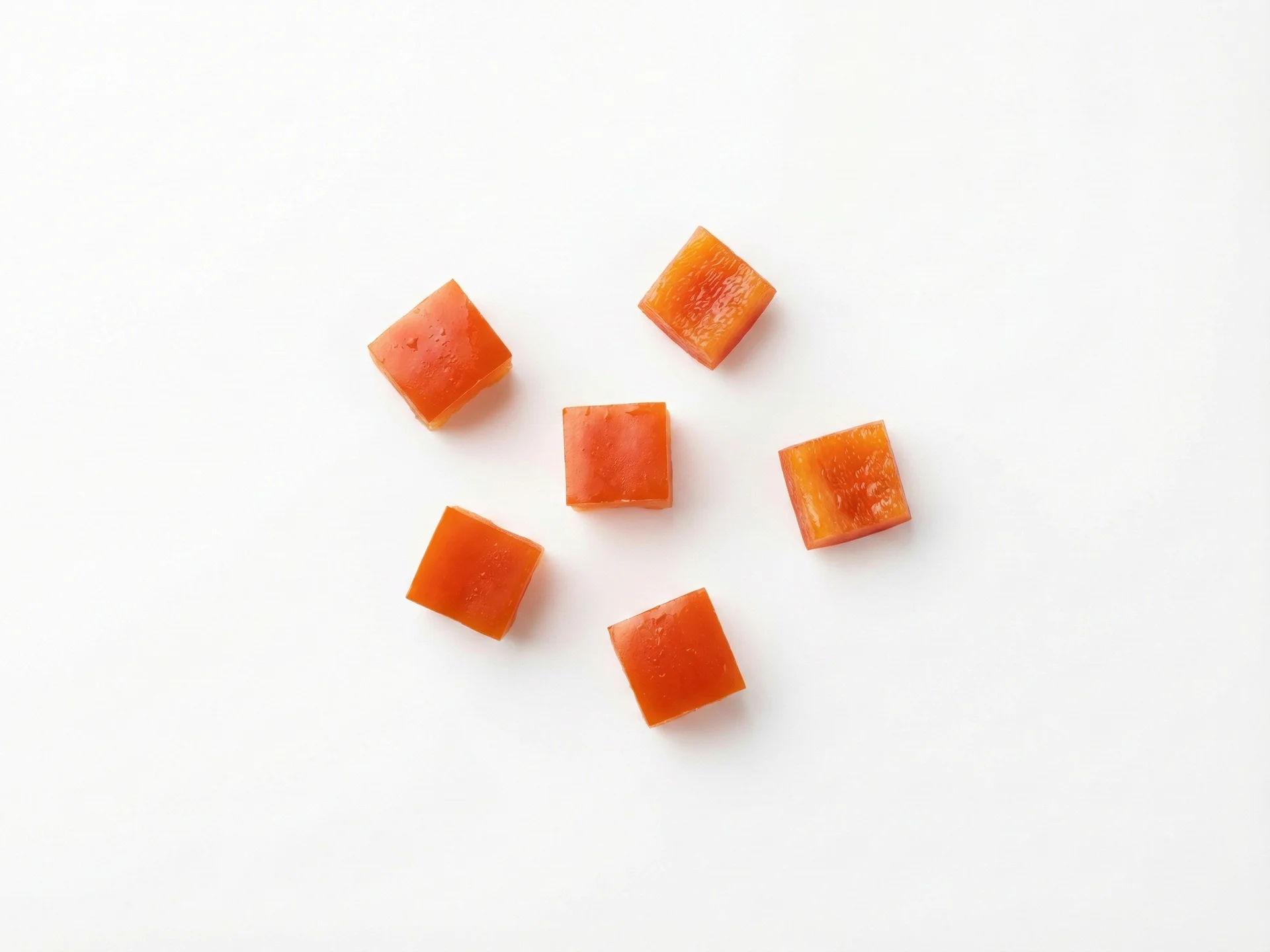
For 9-12 months, you can offer softer-cooked peppers in smaller, bite-sized pieces (about pea-sized) as your baby develops a pincer grasp. Raw peppers can be introduced in large, flat strips with skin on, but ensure they're supervised. Cooked peppers can be diced and mixed into meals.
9 to 12 months

For 9-12 months, you can offer softer-cooked peppers in smaller, bite-sized pieces (about pea-sized) as your baby develops a pincer grasp. Raw peppers can be introduced in large, flat strips with skin on, but ensure they're supervised. Cooked peppers can be diced and mixed into meals.

  • Introduce raw peppers in large strips to practice chewing.
  • Dice cooked peppers into small pieces for self-feeding.
  • Mix diced peppers into scrambled eggs or oatmeal.
  • Avoid round shapes that could block airways.
  • Encourage chewing by modeling with your own food.
For 12 months and up, bell peppers can be served in various forms: raw in sticks or slices, cooked in dishes, or stuffed. Continue to cut into age-appropriate sizes and supervise during meals. They can be included in family meals like stir-fries or salads.
12 months +

For 12 months and up, bell peppers can be served in various forms: raw in sticks or slices, cooked in dishes, or stuffed. Continue to cut into age-appropriate sizes and supervise during meals. They can be included in family meals like stir-fries or salads.

  • Serve raw pepper sticks as a crunchy snack.
  • Include in cooked meals like pasta sauces or casseroles.
  • Cut into fun shapes to make eating more engaging.
  • Pair with dips like hummus for added nutrition.
  • Monitor for any texture preferences and adjust accordingly.

Safety & allergens

Choking risk: Medium

Raw bell peppers are firm and slippery, posing a choking hazard. Always cook peppers until very soft and mash or puree them for younger babies. For older babies, cut cooked peppers into small, manageable pieces without the skin, which can be tough to chew.

Not a common allergen

Bell pepper is not a top allergen. As with any new food, offer it on its own and watch for any reaction.

Vitamins & minerals

Bell peppers are an excellent source of vitamin C, which helps boost your baby's immune system and enhances iron absorption from other foods.[2] They also provide vitamin A for healthy vision and skin, and B vitamins that support energy metabolism.[3]

Vitamins
Vitamin VITAMIN AVitamin VITAMIN CVitamin VITAMIN B6Vitamin VITAMIN B9
Minerals
PotassiumMagnesiumManganese