FoodsFruitPhysalis
Physalis

Fruit

Physalis

Physalis, also known as ground cherries or golden berries, are small, sweet-tart fruits encased in a papery husk. They're a wonderful first fruit for babies because they're packed with vitamin C to support a healthy immune system[1] and vitamin A for good vision development[2]. Their naturally sweet flavor and soft texture when ripe make them appealing to little taste buds.

6m+Not a common allergenChoking risk: Medium
First age6m+
CategoryFruit
Common allergenNo
Choking riskMedium

When can babies eat Physalis?

You can introduce physalis around 6 months when your baby starts solids, as long as they're prepared safely to prevent choking. Always ensure the fruit is fully ripe and soft.

How to serve Physalis by age

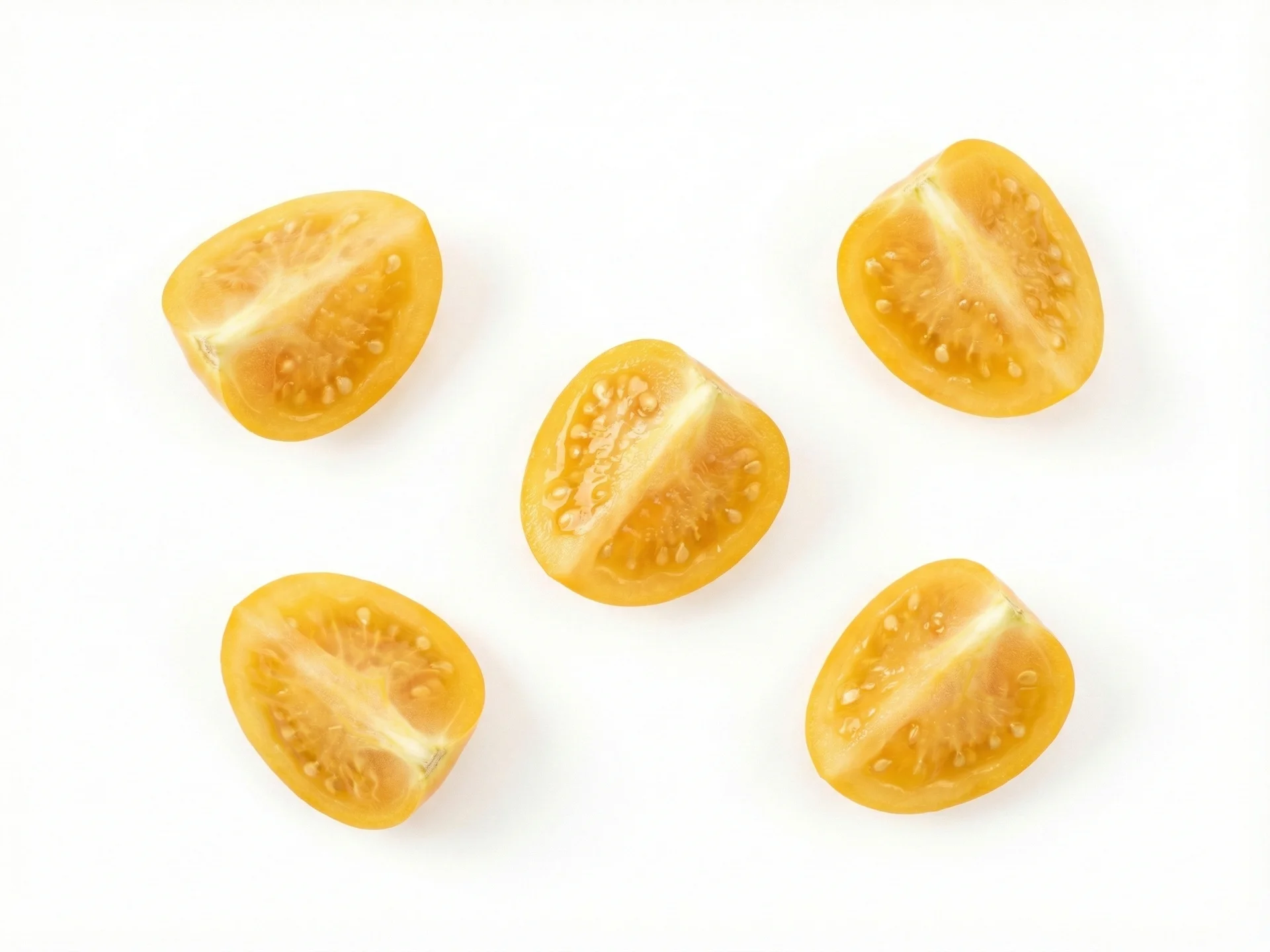
For babies 8-12 months, remove the husk and wash the physalis thoroughly. Cut the fruit into quarters or smaller pieces to reduce choking risk. You can also lightly mash it to make it easier to pick up and eat, ensuring it's soft enough to gum safely.
8 to 12 months

For babies 8-12 months, remove the husk and wash the physalis thoroughly. Cut the fruit into quarters or smaller pieces to reduce choking risk. You can also lightly mash it to make it easier to pick up and eat, ensuring it's soft enough to gum safely.

  • Always supervise your baby while eating.
  • Offer pieces no larger than a pea to prevent choking.
  • Mix mashed physalis with yogurt or oatmeal for easier handling.
  • Ensure the fruit is fully ripe and soft.
  • Start with one or two pieces to check for tolerance.
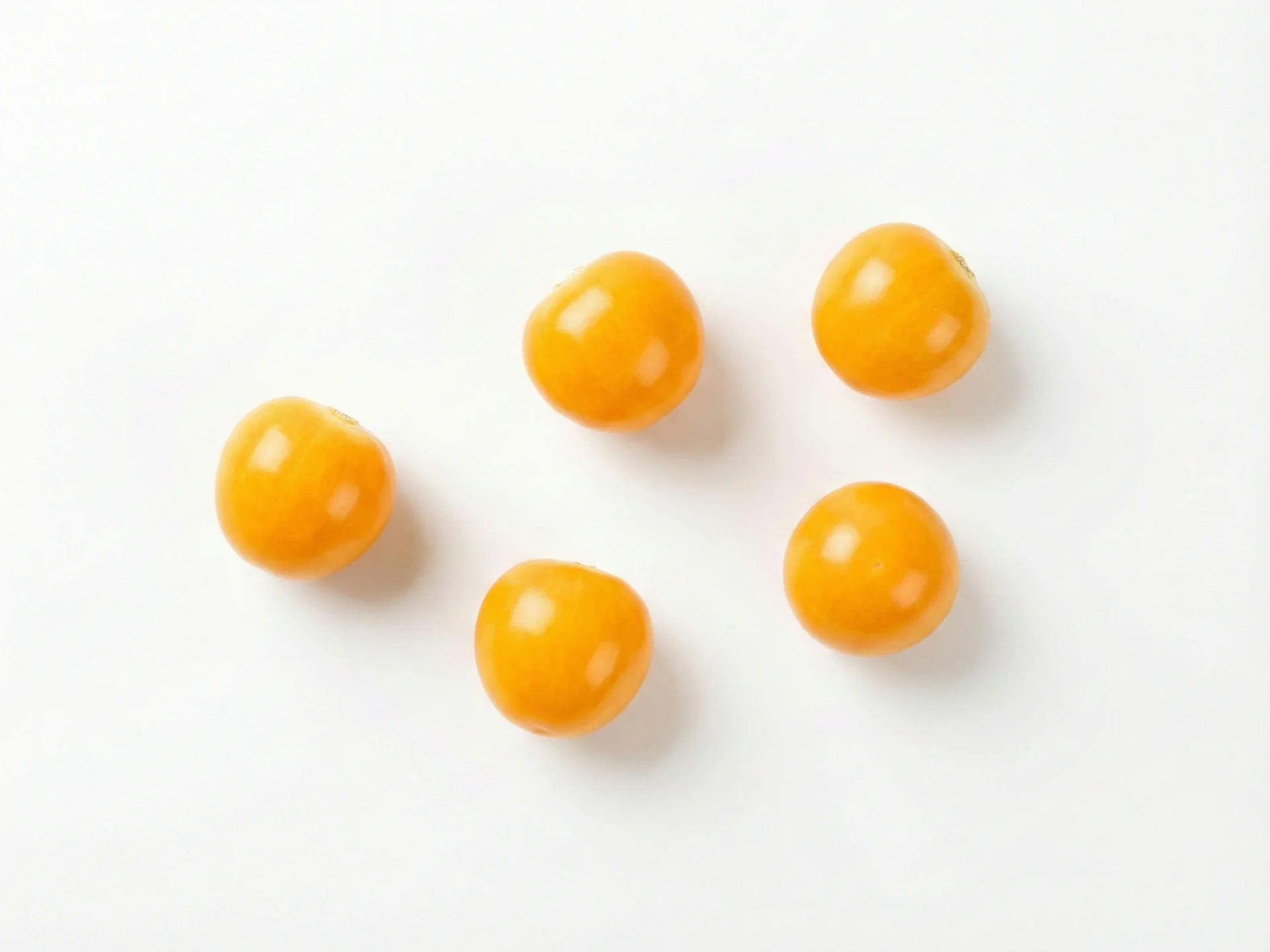
For toddlers 12 months and up, you can offer whole physalis after removing the husk, as they develop better chewing skills. Ensure the fruit is ripe and soft, and encourage them to take small bites. They can also enjoy it in salads or as a snack on its own.
12 months +

For toddlers 12 months and up, you can offer whole physalis after removing the husk, as they develop better chewing skills. Ensure the fruit is ripe and soft, and encourage them to take small bites. They can also enjoy it in salads or as a snack on its own.

  • Teach your toddler to chew thoroughly before swallowing.
  • Combine with other fruits for a varied diet.
  • Use as a finger food in lunchboxes.
  • Monitor for any difficulty with the seeds.
  • Introduce in fun ways, like on skewers with other soft fruits.

Safety & allergens

Choking risk: Medium

Physalis have small seeds and a skin that can be tricky for babies. For younger babies, always remove the husk and seeds, then mash or puree thoroughly. For older babies, you can offer very small, soft pieces, but supervise closely as the skin can sometimes be chewy.

Not a common allergen

Physalis is not a top allergen. As with any new food, offer it on its own and watch for any reaction.

Vitamins & minerals

Physalis are a nutrient-dense fruit that provides vitamin C, which helps your baby's body absorb iron from other foods[3], supporting healthy blood and growth. They also contain vitamin A for vision[2] and potassium, which is important for muscle function and hydration[4]. The iron content contributes to your baby's iron stores, which are crucial as they grow[5].

Vitamins
Vitamin VITAMIN AVitamin VITAMIN CVitamin VITAMIN B1Vitamin VITAMIN B2Vitamin VITAMIN B3
Minerals
IronPotassiumPhosphorus