FoodsFruitAckee
Ackee

Fruit

Ackee

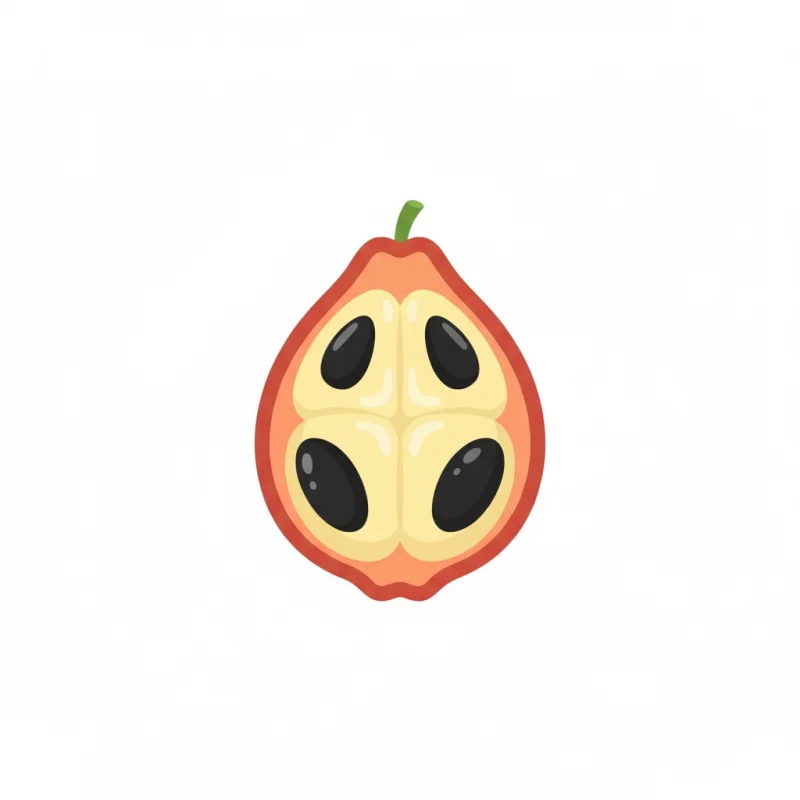
Ackee is a tropical fruit with a creamy texture and mild, slightly nutty flavor that many babies enjoy. It's packed with Vitamin C to support your baby's immune system[1] and contains Vitamin A for healthy vision development[2]. The soft, buttery texture makes it easy to mash or puree for little ones just starting solids.

6m+Not a common allergenChoking risk: Low
First age6m+
CategoryFruit
Common allergenNo
Choking riskLow

When can babies eat Ackee?

You can introduce ackee around 6 months when your baby shows signs of readiness for solids, like sitting up with support and showing interest in food.

How to serve Ackee by age

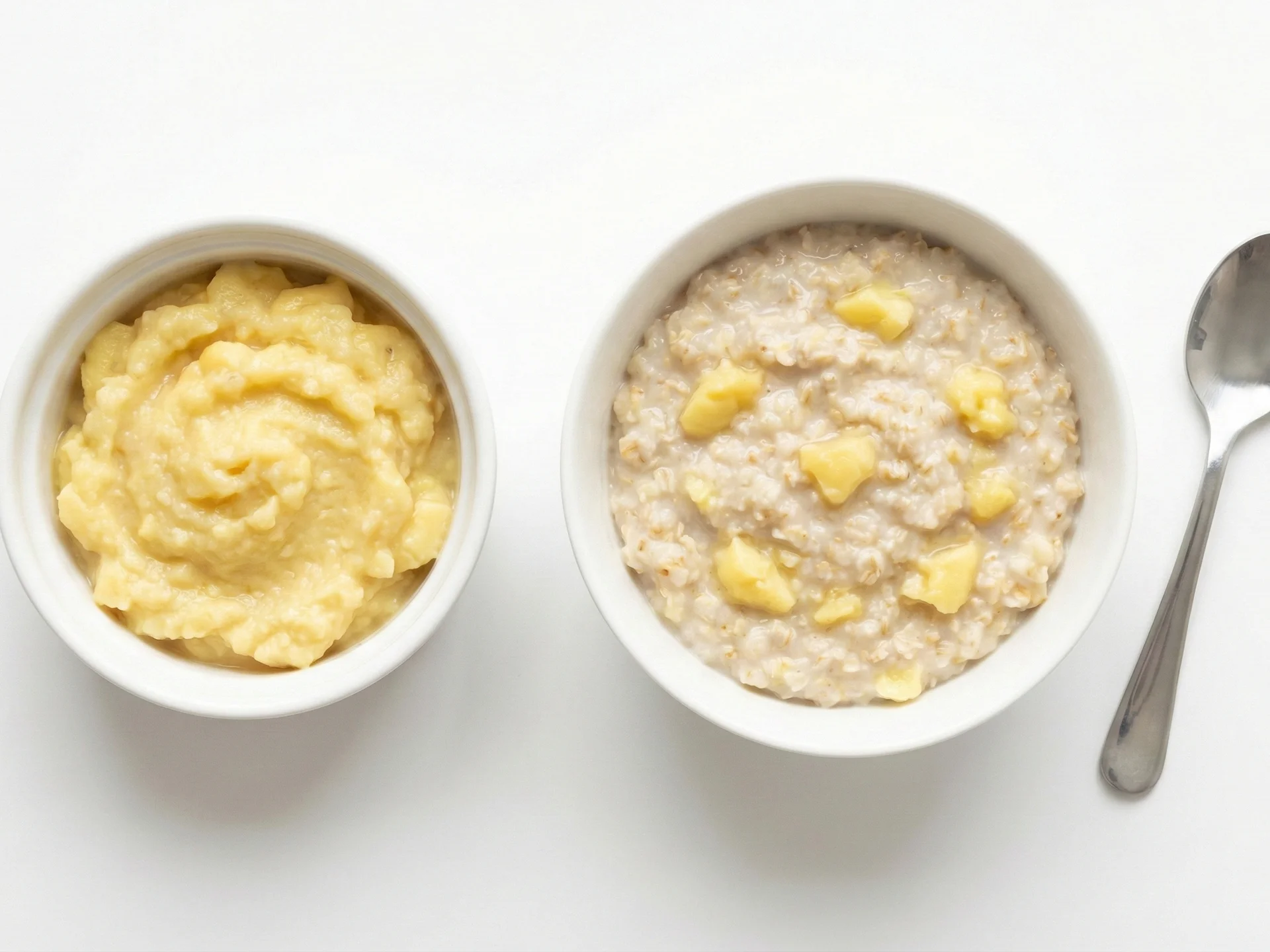
For babies 12-18 months, serve ackee mashed or as a soft puree to ensure easy swallowing and digestion. Use canned ackee in water, rinsed well, or fresh ackee that's fully ripe and cooked until soft. Mix it into oatmeal or yogurt for added nutrition.
12 to 18 months

For babies 12-18 months, serve ackee mashed or as a soft puree to ensure easy swallowing and digestion. Use canned ackee in water, rinsed well, or fresh ackee that's fully ripe and cooked until soft. Mix it into oatmeal or yogurt for added nutrition.

  • Mash ackee with a fork until smooth, with no chunks
  • Combine with banana or avocado for a creamy texture
  • Avoid adding salt, sugar, or spices
  • Serve in small spoonfuls or on a pre-loaded spoon
  • Always supervise your baby during meals
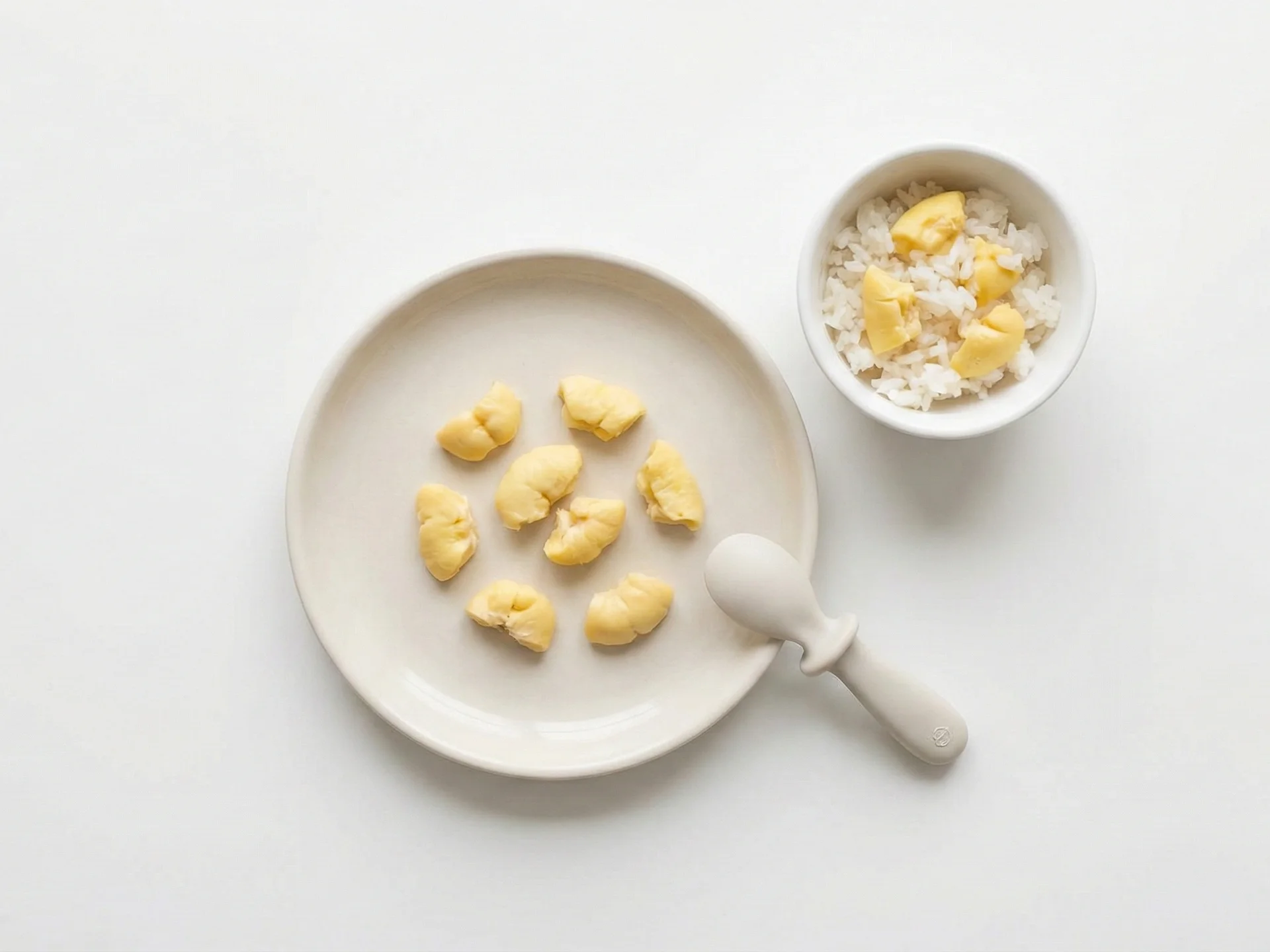
For toddlers 18 months and up, you can offer ackee in small, soft pieces as finger food. Ensure it's seed-free and well-cooked if using fresh. It can be added to dishes like rice or stews, but keep portions small to monitor tolerance.
18 months +

For toddlers 18 months and up, you can offer ackee in small, soft pieces as finger food. Ensure it's seed-free and well-cooked if using fresh. It can be added to dishes like rice or stews, but keep portions small to monitor tolerance.

  • Cut ackee into pea-sized pieces to reduce choking risk
  • Mix into scrambled eggs or rice for variety
  • Use as a topping on toast or crackers
  • Introduce in small amounts to watch for any reactions
  • Pair with other familiar foods to encourage acceptance

Safety & allergens

Choking risk: Low

Ackee has a naturally soft, creamy texture when ripe, making it low risk for choking. Always ensure it's fully ripe and seedless before serving. For younger babies, mash or puree thoroughly to create a smooth consistency.

Not a common allergen

Ackee is not a top allergen. As with any new food, offer it on its own and watch for any reaction.

Vitamins & minerals

Ackee provides Vitamin C which helps your baby's body absorb iron from other foods[3], supporting healthy blood development. It also contains potassium for proper muscle and nerve function[4], and B vitamins like B6 and folate (B9) that are important for brain development[5].

Vitamins
Vitamin VITAMIN CVitamin VITAMIN AVitamin VITAMIN B1Vitamin VITAMIN B2Vitamin VITAMIN B3Vitamin VITAMIN B6Vitamin VITAMIN B9
Minerals
PotassiumCalciumIronMagnesiumPhosphorusZinc

Pairs well with