FoodsFruitAçai
Açai

Fruit

Açai

Açai is a delicious, deep purple fruit from the Amazon that's packed with nutrients perfect for your baby's growth. Its naturally sweet and slightly tart flavor can be a fun new taste adventure, and it's loaded with antioxidants and vitamins that support a healthy immune system.[3] Plus, it contains fiber that can help with digestion as your baby explores solid foods.

6m+Not a common allergenChoking risk: Low
First age6m+
CategoryFruit
Common allergenNo
Choking riskLow

When can babies eat Açai?

You can introduce açai around 6 months when your baby starts solids, just like most fruits. It's a great option to add variety to their diet once they've tried a few basic foods.

How to serve Açai by age

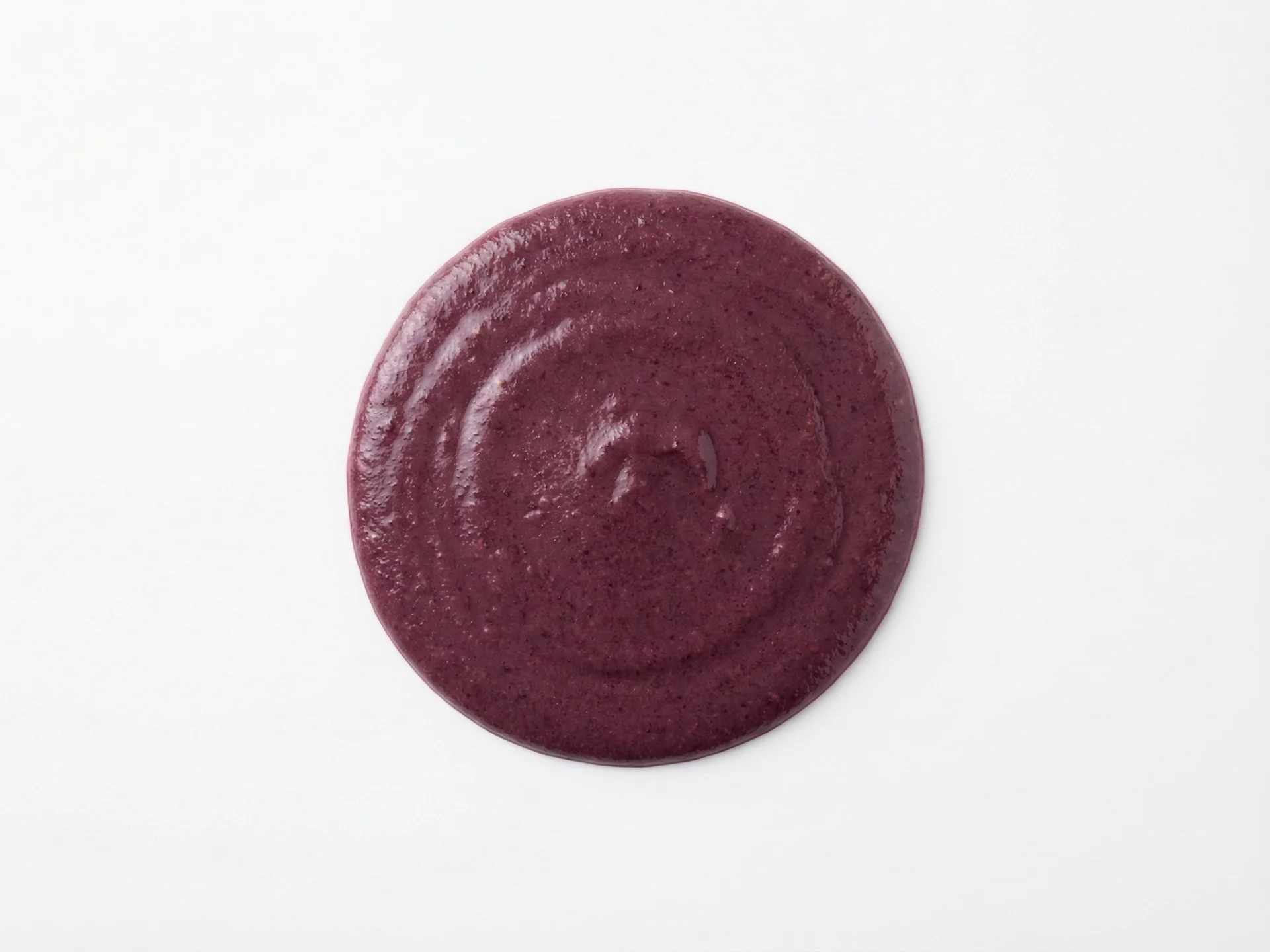
For babies 6-9 months, offer açai as a thin puree mixed into other soft foods. Thaw frozen açai puree and stir a teaspoon into oatmeal, yogurt, or mashed fruits like banana or avocado. You can also mix açai powder into breast milk, formula, or purees for a nutrient boost.
6 to 9 months

For babies 6-9 months, offer açai as a thin puree mixed into other soft foods. Thaw frozen açai puree and stir a teaspoon into oatmeal, yogurt, or mashed fruits like banana or avocado. You can also mix açai powder into breast milk, formula, or purees for a nutrient boost.

  • Start with a small amount (1-2 teaspoons) to check tolerance.
  • Mix açai puree with familiar foods to ease acceptance.
  • Ensure the mixture is smooth and free of lumps.
  • Serve on a pre-loaded spoon or let your baby explore with hands.
  • Avoid added sugars or sweeteners.
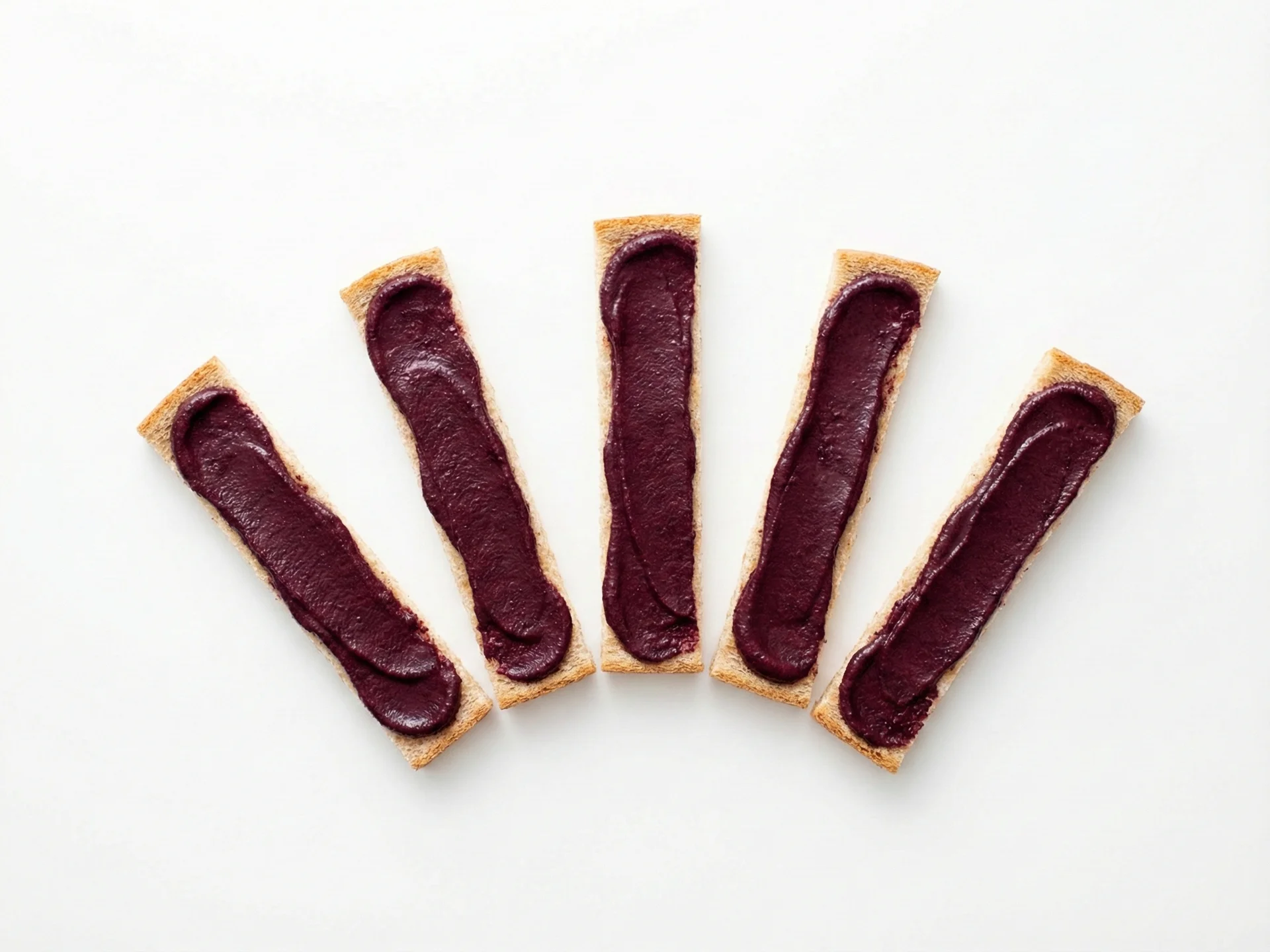
For babies 9-12 months, you can offer açai in thicker textures. Mix açai puree into Greek yogurt or cottage cheese for a creamier consistency, or spread it thinly on toast strips. Açai can also be blended into smoothies or used as a topping for soft pancakes.
9 to 12 months

For babies 9-12 months, you can offer açai in thicker textures. Mix açai puree into Greek yogurt or cottage cheese for a creamier consistency, or spread it thinly on toast strips. Açai can also be blended into smoothies or used as a topping for soft pancakes.

  • Increase the amount to 1-2 tablespoons as your baby enjoys it.
  • Combine açai with iron-rich foods like fortified cereals.
  • Offer açai as a dip for soft fruit slices.
  • Monitor for any digestive issues due to its high fiber content.
  • Continue to avoid sweetened açai products.
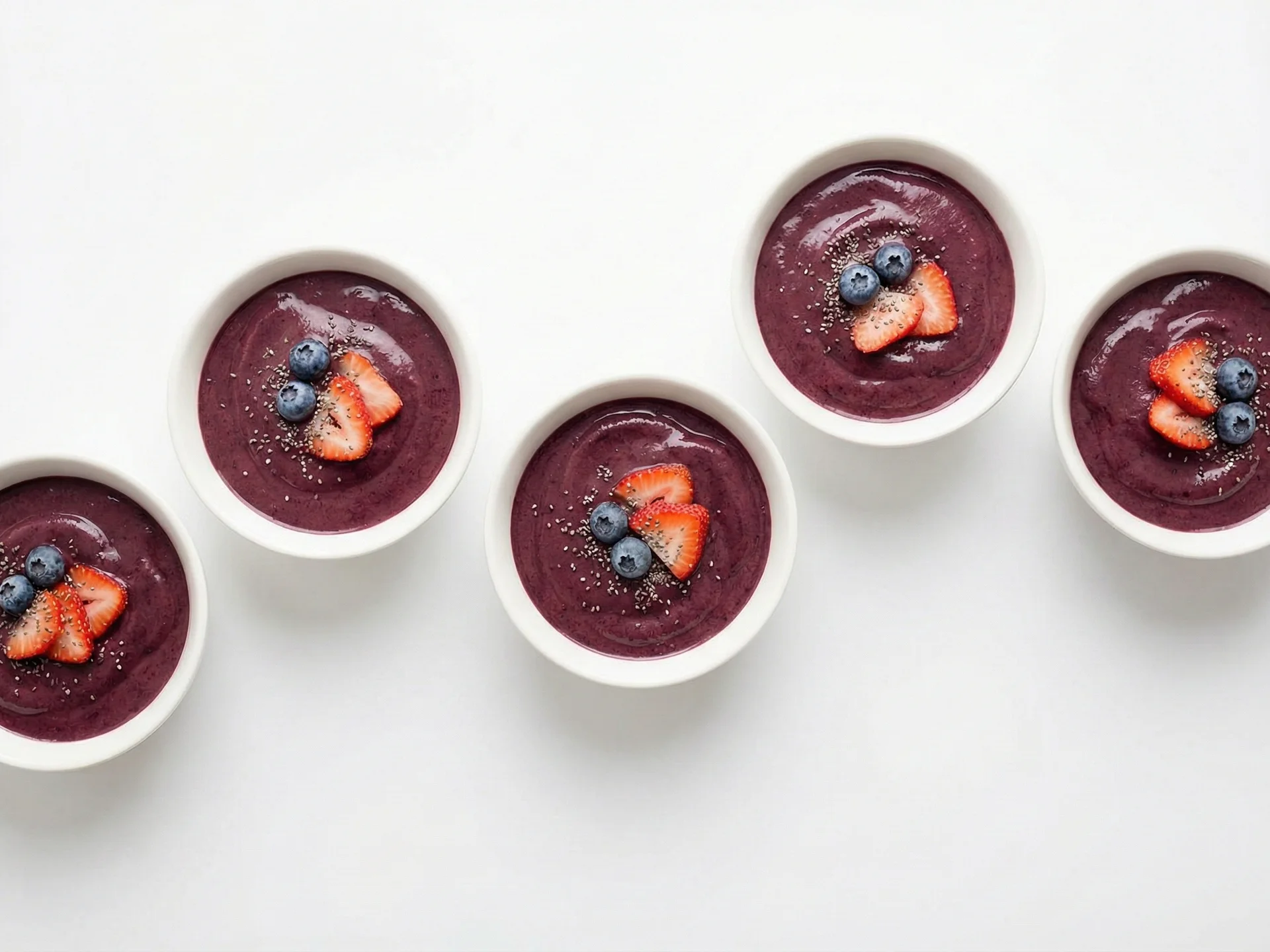
For toddlers 12 months and up, açai can be served in more varied ways. Make açai smoothie bowls with soft toppings like sliced berries or chia seeds, or use it in baking like muffins or pancakes. You can also offer açai as a frozen treat in popsicle molds mixed with yogurt.
12 months +

For toddlers 12 months and up, açai can be served in more varied ways. Make açai smoothie bowls with soft toppings like sliced berries or chia seeds, or use it in baking like muffins or pancakes. You can also offer açai as a frozen treat in popsicle molds mixed with yogurt.

  • Incorporate açai into balanced meals with proteins and grains.
  • Experiment with açai in homemade snacks like energy balls.
  • Teach your child to eat açai with utensils as skills develop.
  • Still prioritize unsweetened versions to avoid excess sugar.
  • Use açai to add color and nutrients to picky eater meals.

Safety & allergens

Choking risk: Low

Açai is naturally soft and pureed when prepared for babies, making it a low choking risk. Always serve it as a smooth puree for younger babies, and you can mix it with other soft foods like yogurt or oatmeal as they get older. Avoid giving whole açai berries or large chunks to babies.

Not a common allergen

Açai is not a top allergen. As with any new food, offer it on its own and watch for any reaction.

Vitamins & minerals

Açai provides vitamin C which supports your baby's immune function and helps their body absorb iron from other foods.[3] It also contains potassium for healthy heart and muscle function,[2] and magnesium which is important for bone development and energy metabolism.[4] With 5.89g of fiber per 100g, it can help support healthy digestion.

Vitamins
Vitamin VITAMIN AVitamin VITAMIN CVitamin VITAMIN EVitamin VITAMIN B1Vitamin VITAMIN B2Vitamin VITAMIN B3
Minerals
CalciumIronPotassiumMagnesiumPhosphorusCopper