FoodsFruitCupuacu
Cupuacu

Fruit

Cupuacu

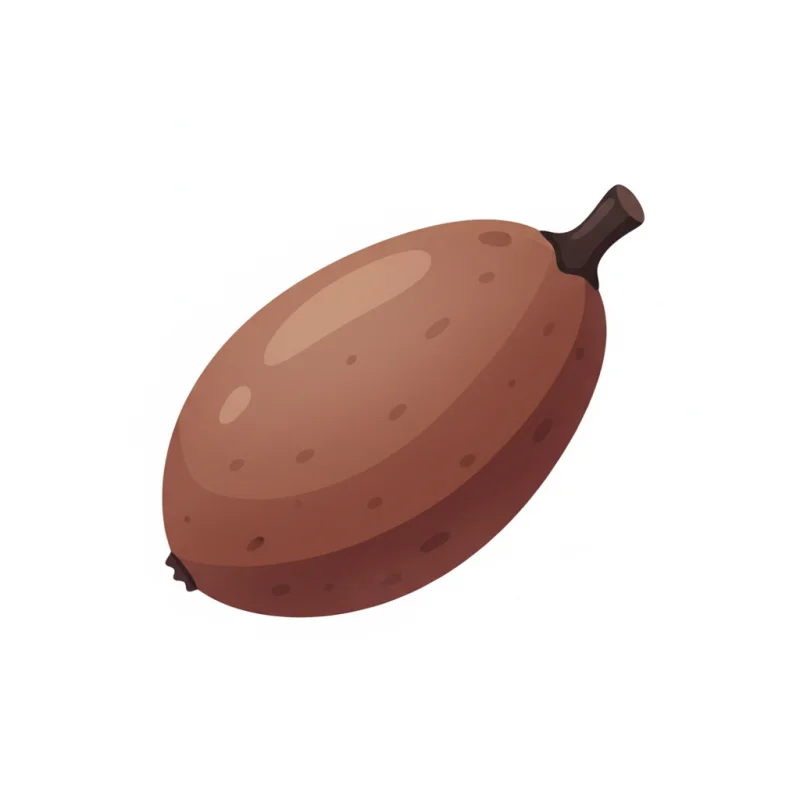
Cupuacu is a creamy, tropical fruit from the Amazon with a unique flavor that's a mix of chocolate and pineapple. It's a wonderful first food for babies because it's naturally sweet and packed with vitamin C to support their developing immune system[3] and B vitamins for energy metabolism[5]. The smooth, creamy texture makes it easy for little ones to enjoy.

6m+Not a common allergenChoking risk: Low
First age6m+
CategoryFruit
Common allergenNo
Choking riskLow

When can babies eat Cupuacu?

You can introduce cupuacu around 6 months when your baby starts solids, just like most fruits. It's a great option to add variety to their diet after they've tried some basic fruits and vegetables.

How to serve Cupuacu by age

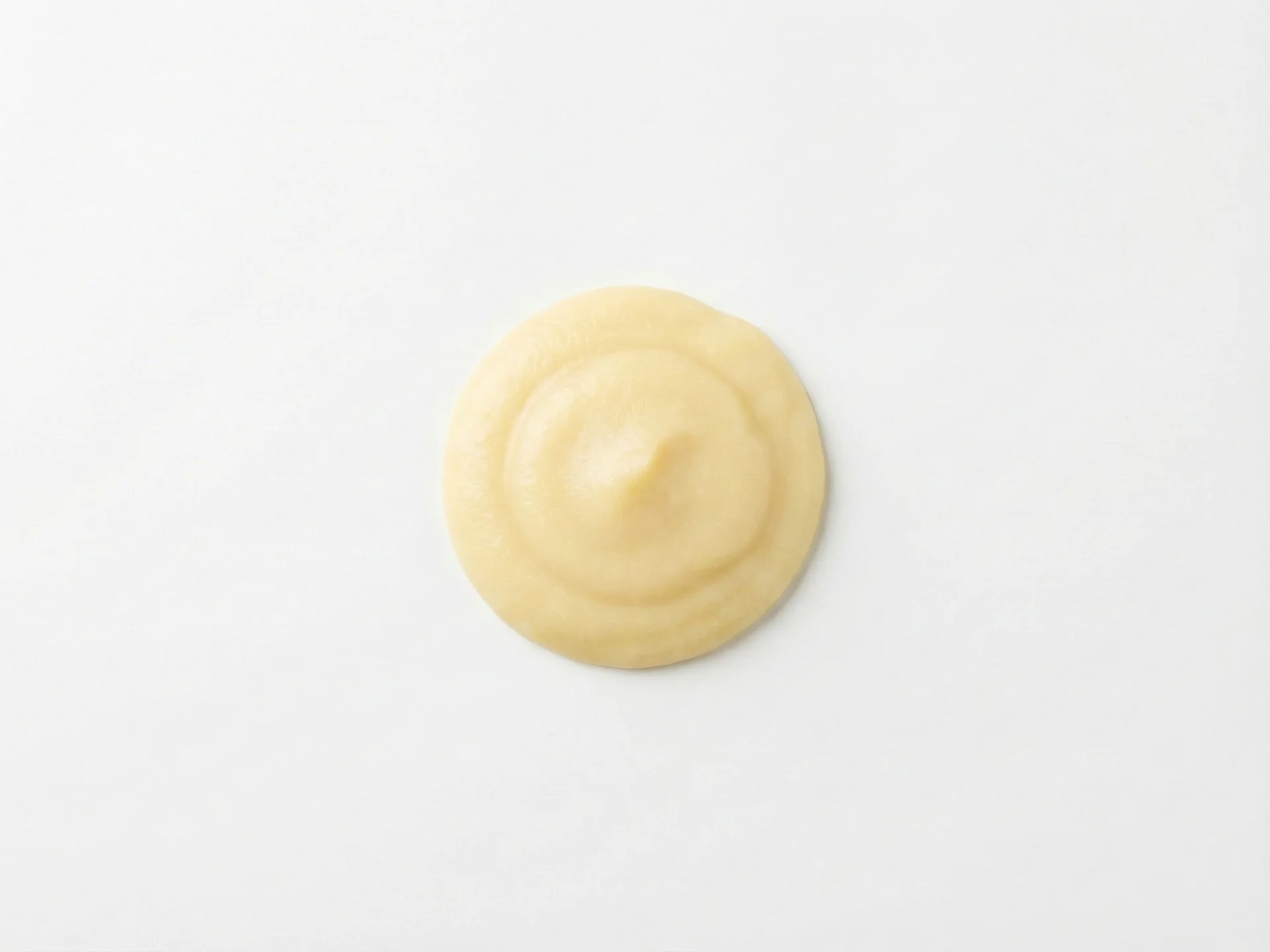
For babies 6-9 months, offer cupuacu as a smooth puree or mashed to a very soft consistency. Ensure all seeds are removed and the flesh is fully ripe and creamy. You can mix it with breast milk, formula, or other purees to create a familiar texture.
6 to 9 months

For babies 6-9 months, offer cupuacu as a smooth puree or mashed to a very soft consistency. Ensure all seeds are removed and the flesh is fully ripe and creamy. You can mix it with breast milk, formula, or other purees to create a familiar texture.

  • Choose fully ripe cupuacu with soft flesh
  • Remove all seeds completely
  • Mash thoroughly with a fork or blend into a smooth puree
  • Mix with a liquid like breast milk if needed for thinner consistency
  • Serve on a pre-loaded spoon or let baby explore with hands
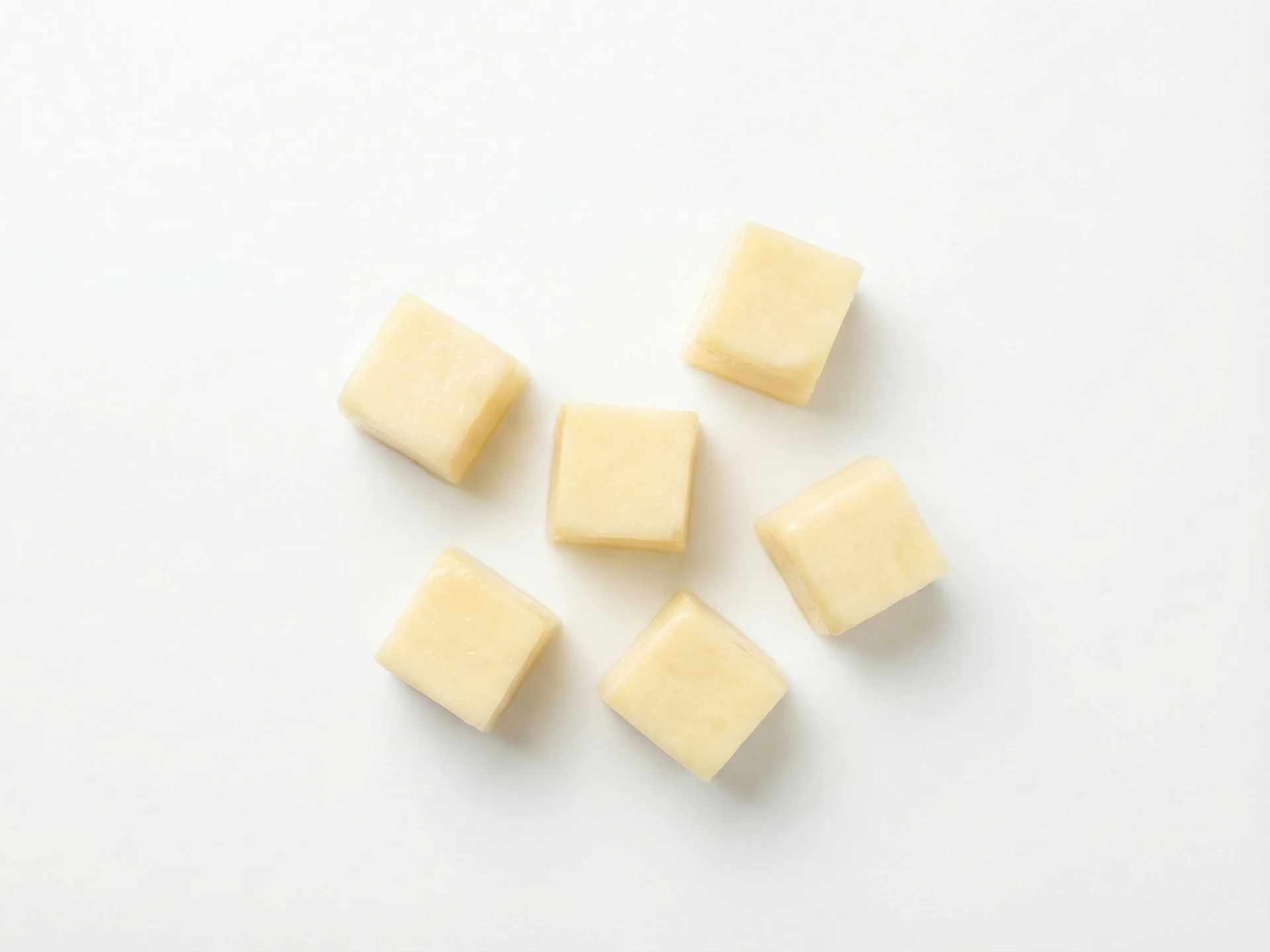
For babies 9 months and older, you can offer cupuacu in soft, graspable pieces or as a thicker mash. The fruit's creamy texture makes it easy for babies to pick up and self-feed. Continue to ensure seeds are removed and the fruit is ripe.
9 months +

For babies 9 months and older, you can offer cupuacu in soft, graspable pieces or as a thicker mash. The fruit's creamy texture makes it easy for babies to pick up and self-feed. Continue to ensure seeds are removed and the fruit is ripe.

  • Cut ripe cupuacu flesh into finger-sized strips or small cubes
  • Offer as a standalone food or mixed into oatmeal or yogurt
  • Encourage self-feeding by placing pieces within easy reach
  • Monitor for any difficulty with thicker textures initially
  • Combine with other soft fruits for variety

Safety & allergens

Choking risk: Low

Cupuacu has a naturally soft, creamy texture when ripe, making it low-risk. Always remove the large seeds and any tough skin before serving. For younger babies, puree it completely smooth to ensure it's easy to swallow.

Not a common allergen

Cupuacu is not a top allergen. As with any new food, offer it on its own and watch for any reaction.

Vitamins & minerals

Cupuacu provides 24.5mg of vitamin C per 100g, which helps support your baby's immune function[3] and acts as an antioxidant[4]. It's also a good source of potassium (294mg per 100g), important for healthy heart and muscle function[2], and contains calcium and phosphorus that work together for strong bone development[6]. The magnesium content (13.5mg per 100g) supports proper nerve and muscle function[7].

Vitamins
Vitamin VITAMIN CVitamin VITAMIN AVitamin VITAMIN B1Vitamin VITAMIN B2Vitamin VITAMIN B3
Minerals
PotassiumCalciumPhosphorusIronMagnesium