Cupuacu

Fruit

Cupuacu

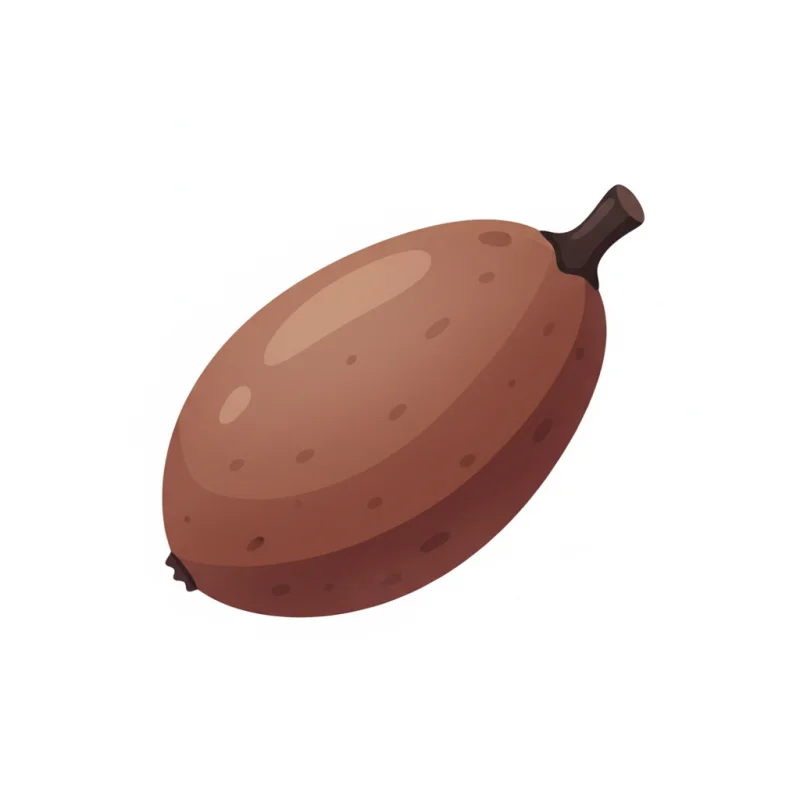
Cupuacu is a creamy, tropical fruit from the Amazon with a unique flavor that's a mix of chocolate and pineapple. It's a wonderful first food for babies because it's naturally sweet and packed with vitamin C to support their developing immune system3 and B vitamins for energy metabolism5. The smooth, creamy texture makes it easy for little ones to enjoy.

PPippin Feeding TeamReviewed by feeding specialists · Updated January 2026
First age6m+
CategoryFruit
Common allergenNo
Choking riskLow

When can babies eat Cupuacu?

You can introduce cupuacu around 6 months when your baby starts solids, just like most fruits. It's a great option to add variety to their diet after they've tried some basic fruits and vegetables.

Storage tip

Store whole cupuacu at room temperature until ripe, then refrigerate for up to 3 days. Once pureed, it keeps in the refrigerator for 2 days or can be frozen in ice cube trays for up to 2 months.

How to serve Cupuacu by age

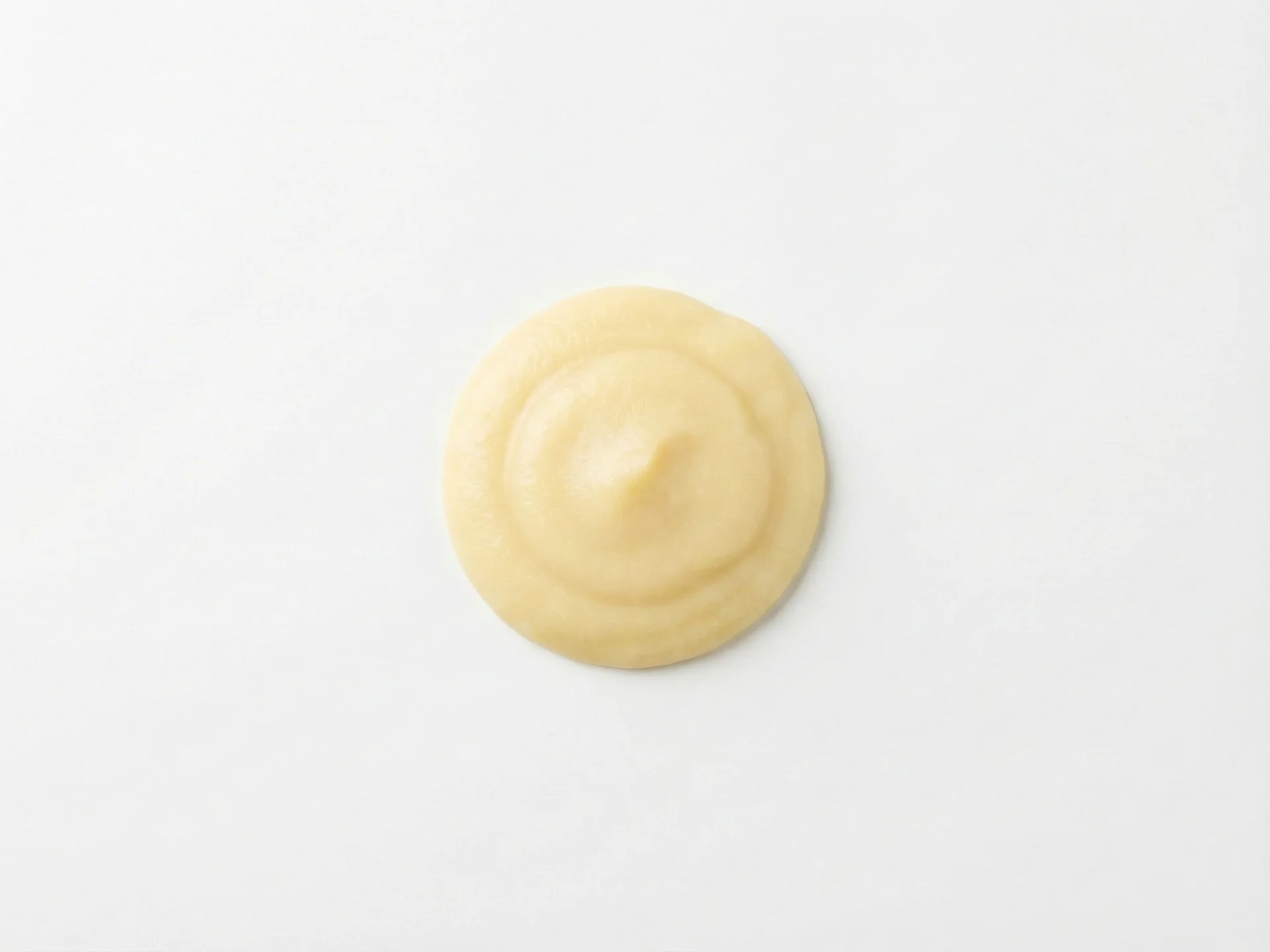
For babies 6-9 months, offer cupuacu as a smooth puree or mashed to a very soft consistency. Ensure all seeds are removed and the flesh is fully ripe and creamy. You can mix it with breast milk, formula, or other purees to create a familiar texture.6 to 9 months

For babies 6-9 months, offer cupuacu as a smooth puree or mashed to a very soft consistency. Ensure all seeds are removed and the flesh is fully ripe and creamy. You can mix it with breast milk, formula, or other purees to create a familiar texture.

  • Choose fully ripe cupuacu with soft flesh
  • Remove all seeds completely
  • Mash thoroughly with a fork or blend into a smooth puree
  • Mix with a liquid like breast milk if needed for thinner consistency
  • Serve on a pre-loaded spoon or let baby explore with hands
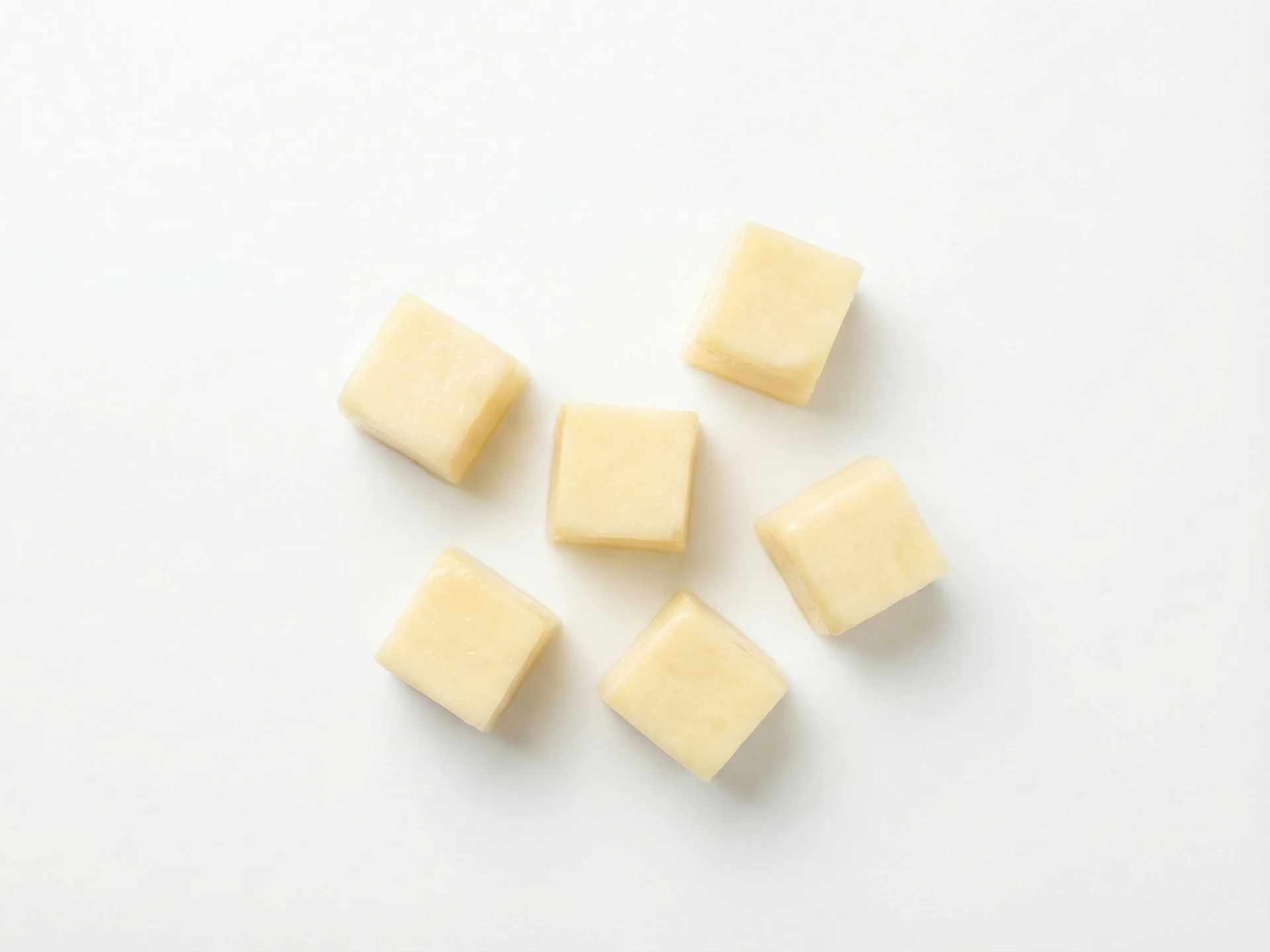
For babies 9 months and older, you can offer cupuacu in soft, graspable pieces or as a thicker mash. The fruit's creamy texture makes it easy for babies to pick up and self-feed. Continue to ensure seeds are removed and the fruit is ripe.9 months +

For babies 9 months and older, you can offer cupuacu in soft, graspable pieces or as a thicker mash. The fruit's creamy texture makes it easy for babies to pick up and self-feed. Continue to ensure seeds are removed and the fruit is ripe.

  • Cut ripe cupuacu flesh into finger-sized strips or small cubes
  • Offer as a standalone food or mixed into oatmeal or yogurt
  • Encourage self-feeding by placing pieces within easy reach
  • Monitor for any difficulty with thicker textures initially
  • Combine with other soft fruits for variety

Safety & allergens

Choking risk: Low

Cupuacu has a naturally soft, creamy texture when ripe, making it low-risk. Always remove the large seeds and any tough skin before serving. For younger babies, puree it completely smooth to ensure it's easy to swallow.

Not a common allergen

Cupuacu is not a top allergen. As with any new food, offer it on its own and watch for any reaction.

Vitamins & minerals

Cupuacu provides 24.5mg of vitamin C per 100g, which helps support your baby's immune function3 and acts as an antioxidant4. It's also a good source of potassium (294mg per 100g), important for healthy heart and muscle function2, and contains calcium and phosphorus that work together for strong bone development6. The magnesium content (13.5mg per 100g) supports proper nerve and muscle function7.

Vitamins
Vitamin CVitamin AVitamin B1Vitamin B2Vitamin B3
Minerals
PotassiumCalciumPhosphorusIronMagnesium

Nutritional synergy

Pair cupuacu with iron-rich foods like lentils or spinach - the vitamin C in cupuacu helps your baby absorb plant-based iron more effectively3.

Common questions

How do I know when cupuacu is ripe and ready to use?

Ripe cupuacu will feel slightly soft when gently pressed and have a fragrant, tropical aroma. The skin may develop some wrinkles. Avoid fruits with mold or that feel very hard.

What if my baby doesn't like the taste at first?

It can take 10-15 exposures for babies to accept new flavors. Try mixing a small amount of cupuacu puree with familiar foods like banana or oatmeal. Don't force it - just keep offering tiny tastes without pressure.

Can I use frozen cupuacu pulp?

Yes, frozen cupuacu pulp works well for baby food. Thaw it in the refrigerator overnight, then puree it smooth. Check that it's pure fruit pulp without added sugars or preservatives before serving to your baby.

Sources & references

  1. 1TBCA - Tabela Brasileira de Composição de Alimentos
  2. 2Moss CR, 2022
  3. 3Cerullo G et al., 2020
  4. 4Corrao S et al., 2021
  5. 5Paparella R et al., 2025
  6. 6Couce ML et al., 2021
  7. 7Lönnerdal B, 1995