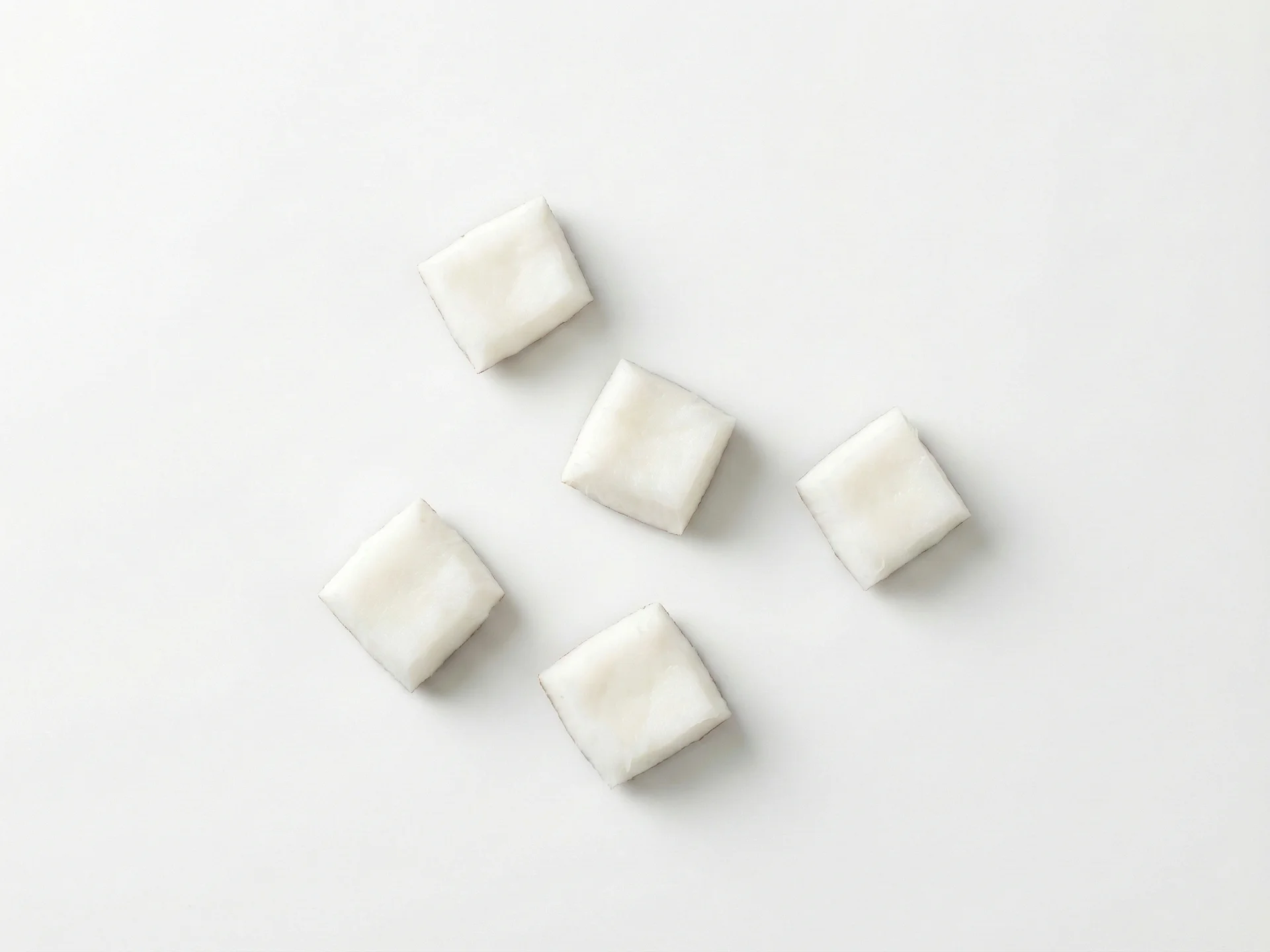
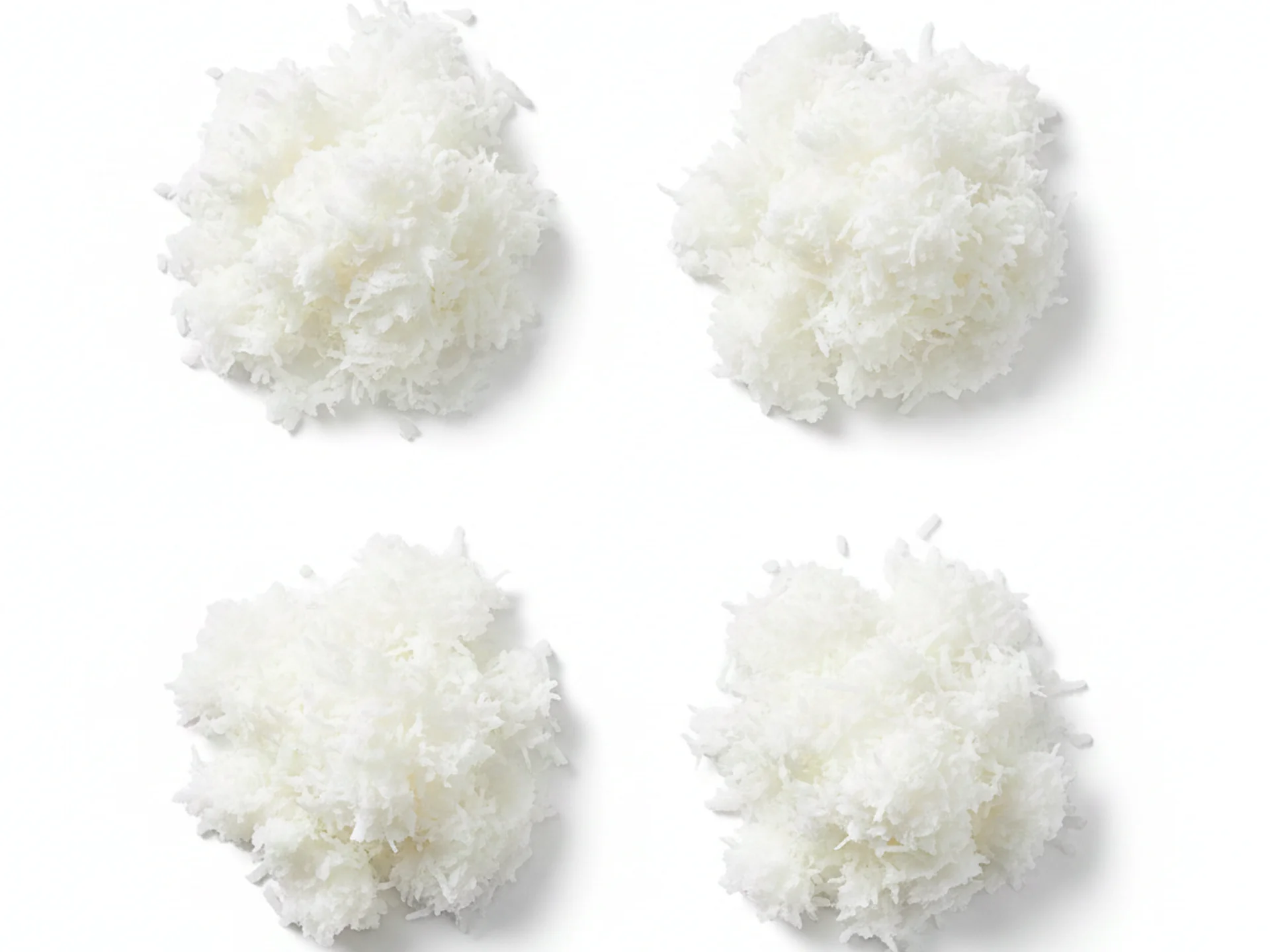
FoodsFruitCoconut
Coconut

Fruit

Coconut

Coconut is a wonderful tropical fruit to introduce to your baby, offering a naturally sweet flavor and creamy texture that many little ones enjoy. It's packed with healthy fats that support brain development[1] and contains important vitamins and minerals. The mild, slightly nutty taste can help expand your baby's palate while providing valuable nutrition.

6m+Not a common allergenChoking risk: Medium
First age6m+
CategoryFruit
Common allergenNo
Choking riskMedium

When can babies eat Coconut?

Coconut can be introduced around 6 months when your baby starts solids, as long as it's prepared in an age-appropriate way to prevent choking.

How to serve Coconut by age

For babies 6-9 months, serve coconut in very soft, manageable forms. Finely shred fresh coconut meat or use unsweetened coconut flakes that have been soaked in warm water to soften. You can also mix finely grated coconut into oatmeal, yogurt, or purees to add texture and flavor.
6 to 9 months

For babies 6-9 months, serve coconut in very soft, manageable forms. Finely shred fresh coconut meat or use unsweetened coconut flakes that have been soaked in warm water to soften. You can also mix finely grated coconut into oatmeal, yogurt, or purees to add texture and flavor.

  • Soak unsweetened coconut flakes in warm water for 10 minutes to soften before serving
  • Mix finely shredded coconut into mashed banana or avocado for a creamy combination
  • Avoid large pieces or dry flakes that could be choking hazards
  • Offer coconut as a finger food in tiny, soft clumps that baby can palm
  • Introduce separately first to watch for any rare reactions
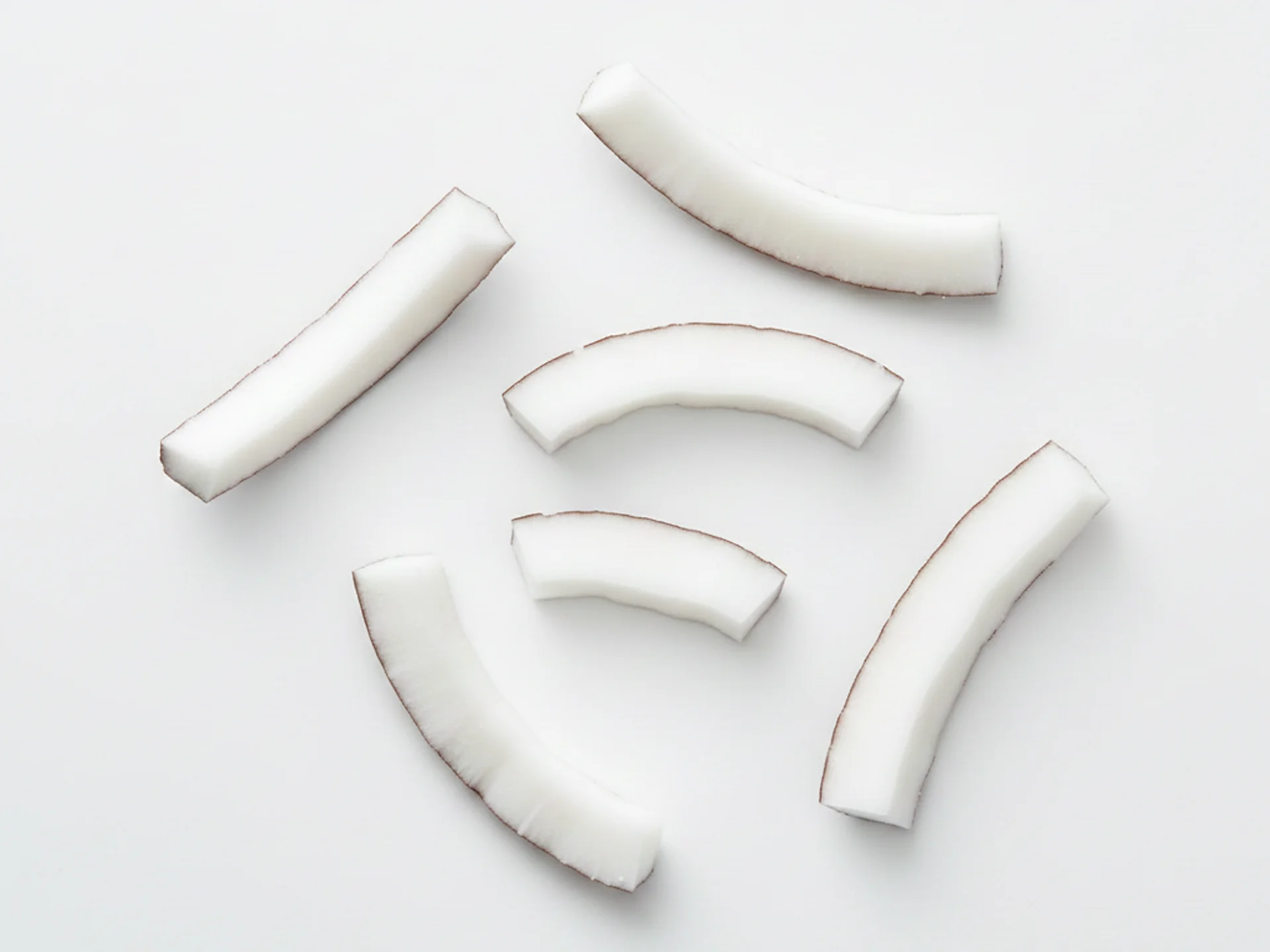
For babies 9-12 months, you can offer slightly more textured coconut preparations. Thin strips of soft, fresh coconut meat (about the size of an adult pinky finger) work well for practicing the pincer grasp. You can also incorporate coconut into baked goods or pancakes.
9 to 12 months

For babies 9-12 months, you can offer slightly more textured coconut preparations. Thin strips of soft, fresh coconut meat (about the size of an adult pinky finger) work well for practicing the pincer grasp. You can also incorporate coconut into baked goods or pancakes.

  • Cut fresh coconut into thin, flat strips that are easy to hold and gum
  • Add shredded coconut to baby-friendly muffins or pancakes for added nutrition
  • Mix coconut into cooked grains like quinoa or rice for varied textures
  • Offer coconut alongside other foods to encourage self-feeding practice
  • Monitor for any difficulty with the fibrous texture as chewing skills develop
For toddlers 12 months and up, coconut can be enjoyed in more varied forms. You can offer small pieces of fresh coconut, use coconut milk in cooking, or add shredded coconut to various dishes. Continue to avoid sweetened coconut products and monitor portion sizes due to the high fat content.
12 months +

For toddlers 12 months and up, coconut can be enjoyed in more varied forms. You can offer small pieces of fresh coconut, use coconut milk in cooking, or add shredded coconut to various dishes. Continue to avoid sweetened coconut products and monitor portion sizes due to the high fat content.

  • Include coconut in stir-fries, curries, or grain bowls for family meals
  • Use coconut milk as a base for soups or sauces (choose full-fat, unsweetened varieties)
  • Make coconut energy balls with oats, dates, and shredded coconut as a healthy snack
  • Offer coconut water occasionally as a hydrating drink, diluted with regular water
  • Teach your toddler to chew coconut thoroughly due to its fibrous nature

Safety & allergens

Choking risk: Medium

Coconut can be a choking hazard due to its firm texture and potential for small, hard pieces. Always prepare coconut in age-appropriate ways: puree for younger babies, finely shred for older babies, and avoid large chunks. Supervise your baby closely during feeding.

Not a common allergen

Coconut is not a top allergen. As with any new food, offer it on its own and watch for any reaction.

Vitamins & minerals

Coconut provides healthy medium-chain triglycerides (MCTs) that are easily digested and support brain development in infants[1]. It contains iron which is crucial for preventing anemia and supporting growth[2], along with potassium that helps maintain healthy fluid balance[3]. The fiber content can support regular digestion[4], and the vitamin C helps boost iron absorption[5].

Vitamins
Vitamin VITAMIN CVitamin VITAMIN EVitamin VITAMIN B1Vitamin VITAMIN B3Vitamin VITAMIN B5Vitamin VITAMIN B6Vitamin VITAMIN B9
Minerals
IronCalciumMagnesiumPotassiumPhosphorusManganeseCopperSelenium