FoodsBeanLima Beans
Lima Beans

Bean

Lima Beans

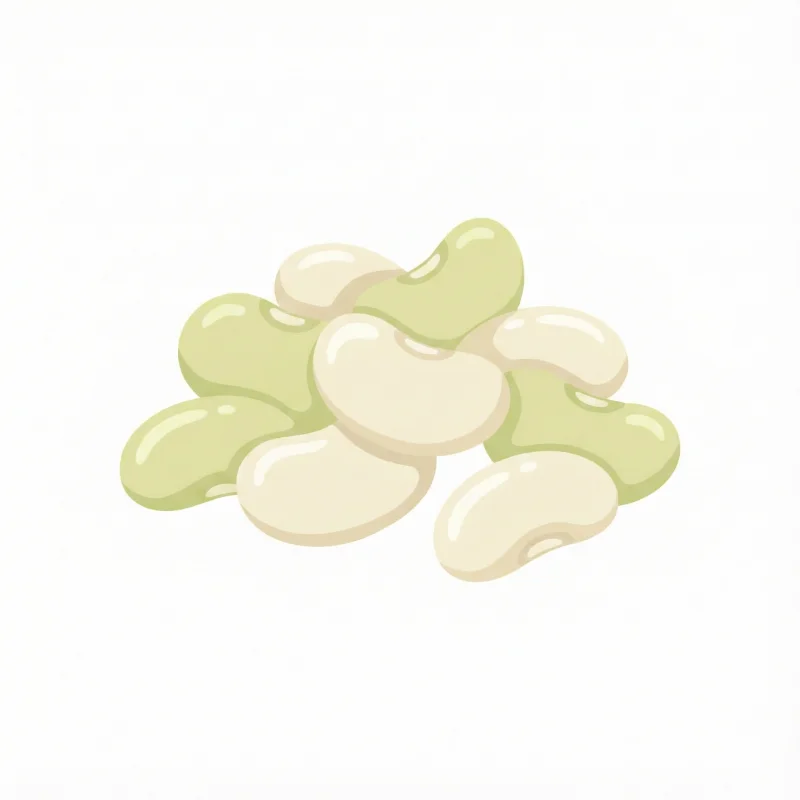
Lima beans are a wonderful first food for your baby, offering a creamy texture and mild, buttery flavor that many little ones enjoy. They're packed with nutrients that support your baby's growth and development, including iron for healthy blood cells[1] and fiber for good digestion[2]. Plus, they're versatile and easy to prepare in various textures as your baby grows.

6m+Not a common allergenChoking risk: Medium
First age6m+
CategoryBean
Common allergenNo
Choking riskMedium

When can babies eat Lima Beans?

You can introduce lima beans around 6 months, when your baby starts solids. They're a great option for early finger foods when prepared safely.

How to serve Lima Beans by age

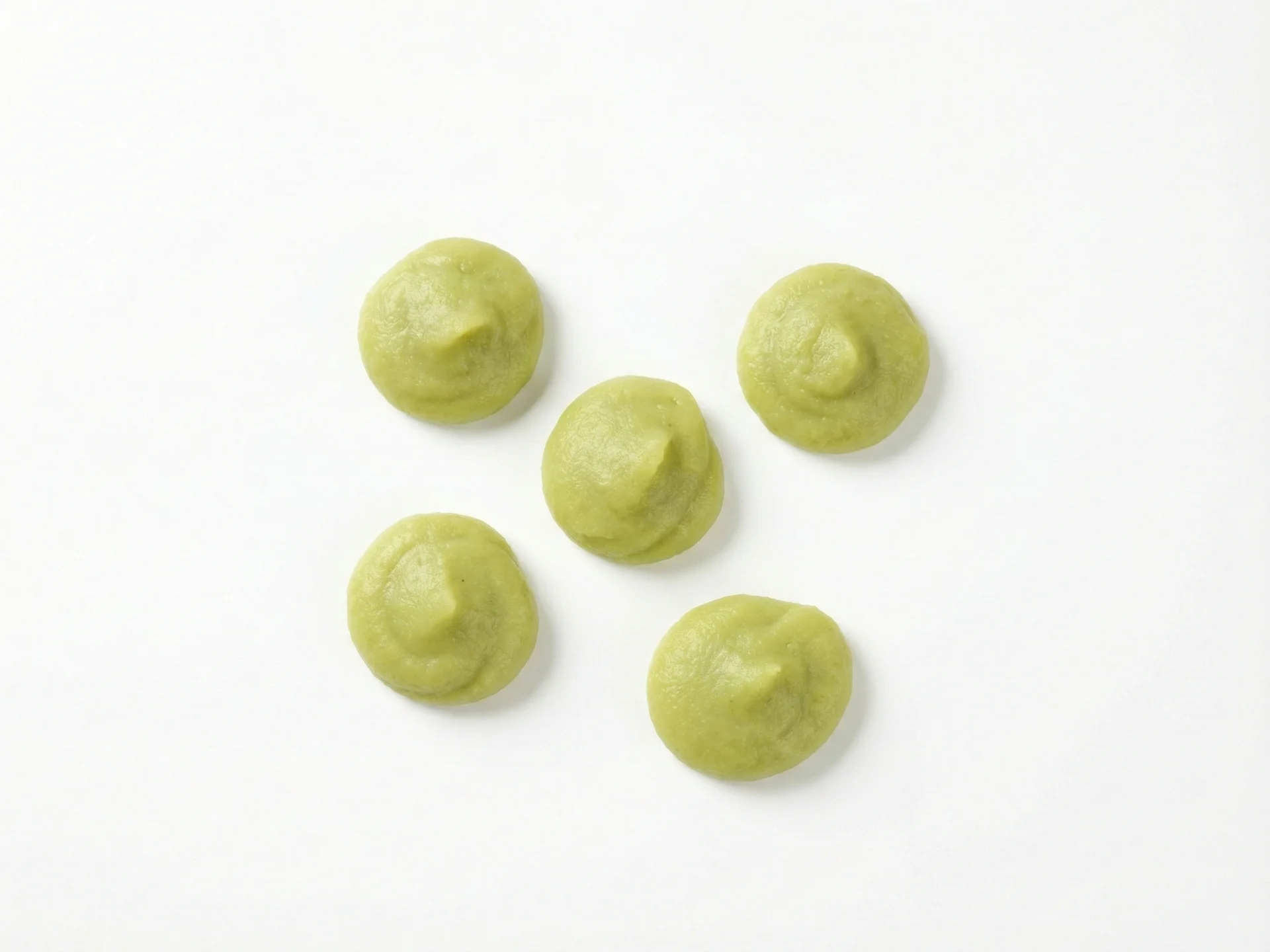
For babies 8-10 months, cook lima beans until very soft and mash them thoroughly with a fork or blend into a smooth paste. You can mix mashed beans with breast milk, formula, or a little olive oil to create a spreadable consistency. Serve on a pre-loaded spoon or spread thinly on toast strips.
8 to 10 months

For babies 8-10 months, cook lima beans until very soft and mash them thoroughly with a fork or blend into a smooth paste. You can mix mashed beans with breast milk, formula, or a little olive oil to create a spreadable consistency. Serve on a pre-loaded spoon or spread thinly on toast strips.

  • Cook beans until they mash easily between your fingers
  • Remove any skins that haven't softened during cooking
  • Mix with avocado or sweet potato for added creaminess
  • Offer on a spoon for self-feeding practice
  • Start with 1-2 tablespoons and observe tolerance
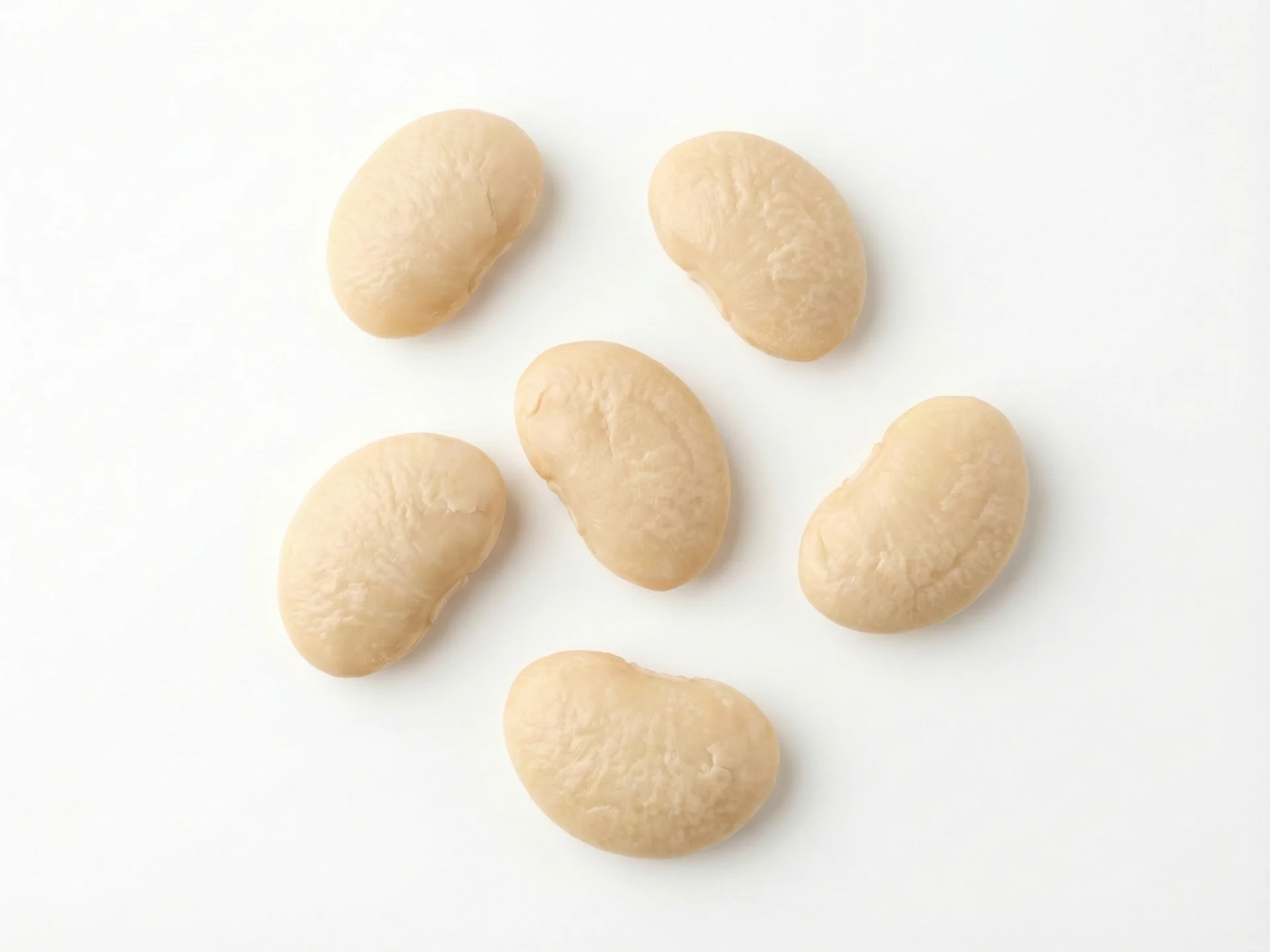
For babies 10 months and older, you can offer whole cooked lima beans that are very soft. Slightly flatten each bean with a fork to reduce the round shape. You can also mix whole beans into other dishes like rice, quinoa, or vegetable medleys to encourage picking practice.
10 months +

For babies 10 months and older, you can offer whole cooked lima beans that are very soft. Slightly flatten each bean with a fork to reduce the round shape. You can also mix whole beans into other dishes like rice, quinoa, or vegetable medleys to encourage picking practice.

  • Test bean softness by pressing between thumb and forefinger
  • Flatten beans slightly to reduce choking risk
  • Mix with grains for texture variety
  • Offer as finger food in a bowl or on the high chair tray
  • Include in mixed dishes to develop complex flavor preferences

Safety & allergens

Choking risk: Medium

Whole lima beans are a choking hazard for babies. Always cook until very soft and mash or puree for younger babies. For older babies, you can flatten cooked beans with a fork or cut them into small, manageable pieces. Always supervise your baby during meals.

Not a common allergen

Lima Beans is not a top allergen. As with any new food, offer it on its own and watch for any reaction.

Vitamins & minerals

Lima beans are a nutritional powerhouse for your little one. They provide iron, which is crucial for your baby's brain development and preventing anemia[1], and fiber to support a healthy digestive system[2]. They also contain folate (vitamin B9) for cell growth[3] and magnesium for bone health[4].

Vitamins
Vitamin VITAMIN B1Vitamin VITAMIN B6Vitamin VITAMIN B9Vitamin VITAMIN K
Minerals
IronMagnesiumPotassiumPhosphorusManganese