
FoodsBeanBlack Beans
Black Beans

Bean

Black Beans

Black beans are a fantastic first food for your little one! They have a mild, earthy flavor and creamy texture that many babies enjoy. They're packed with plant-based protein and fiber to support your baby's growth and digestion.[1]

6m+Not a common allergenChoking risk: Low
First age6m+
CategoryBean
Common allergenNo
Choking riskLow

When can babies eat Black Beans?

You can introduce black beans around 6 months when your baby starts solids. They're easy to mash or puree to the right consistency for beginners.

How to serve Black Beans by age

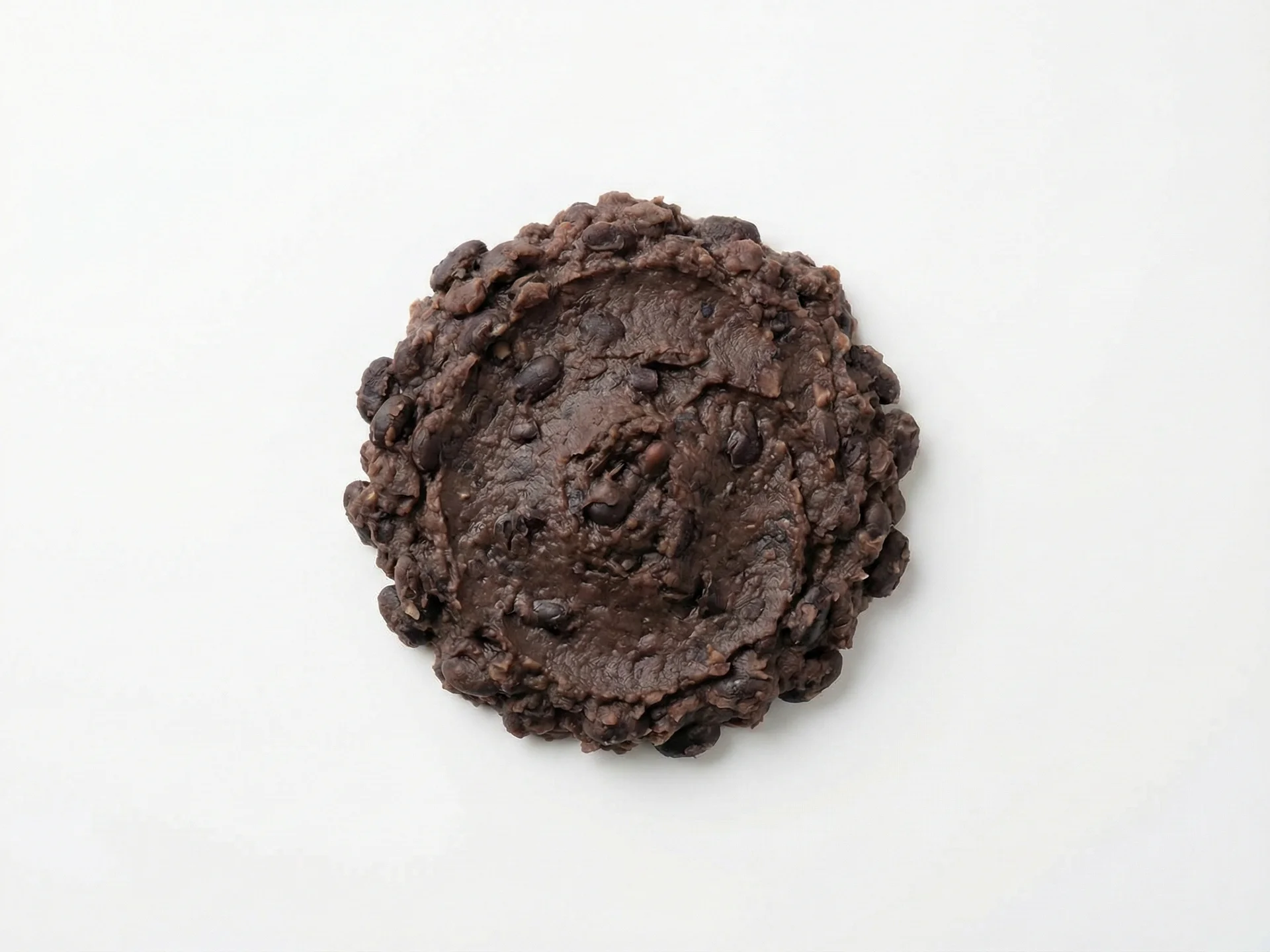
For babies 6-9 months, cook black beans until very soft and mash them lightly with a fork to create a chunky puree or flatten them into a smearable texture. This helps babies practice scooping with their hands and reduces choking risk while introducing the flavor and nutrients.
6 to 9 months

For babies 6-9 months, cook black beans until very soft and mash them lightly with a fork to create a chunky puree or flatten them into a smearable texture. This helps babies practice scooping with their hands and reduces choking risk while introducing the flavor and nutrients.

  • Use low-sodium canned beans and rinse them thoroughly to remove excess salt.
  • Mash beans with a bit of breast milk, formula, or water to achieve a smoother consistency if needed.
  • Serve on a pre-loaded spoon or let baby scoop with their hands to encourage self-feeding.
  • Avoid whole beans; always mash or flatten to prevent choking.
  • Combine with soft foods like banana or yogurt for added variety.
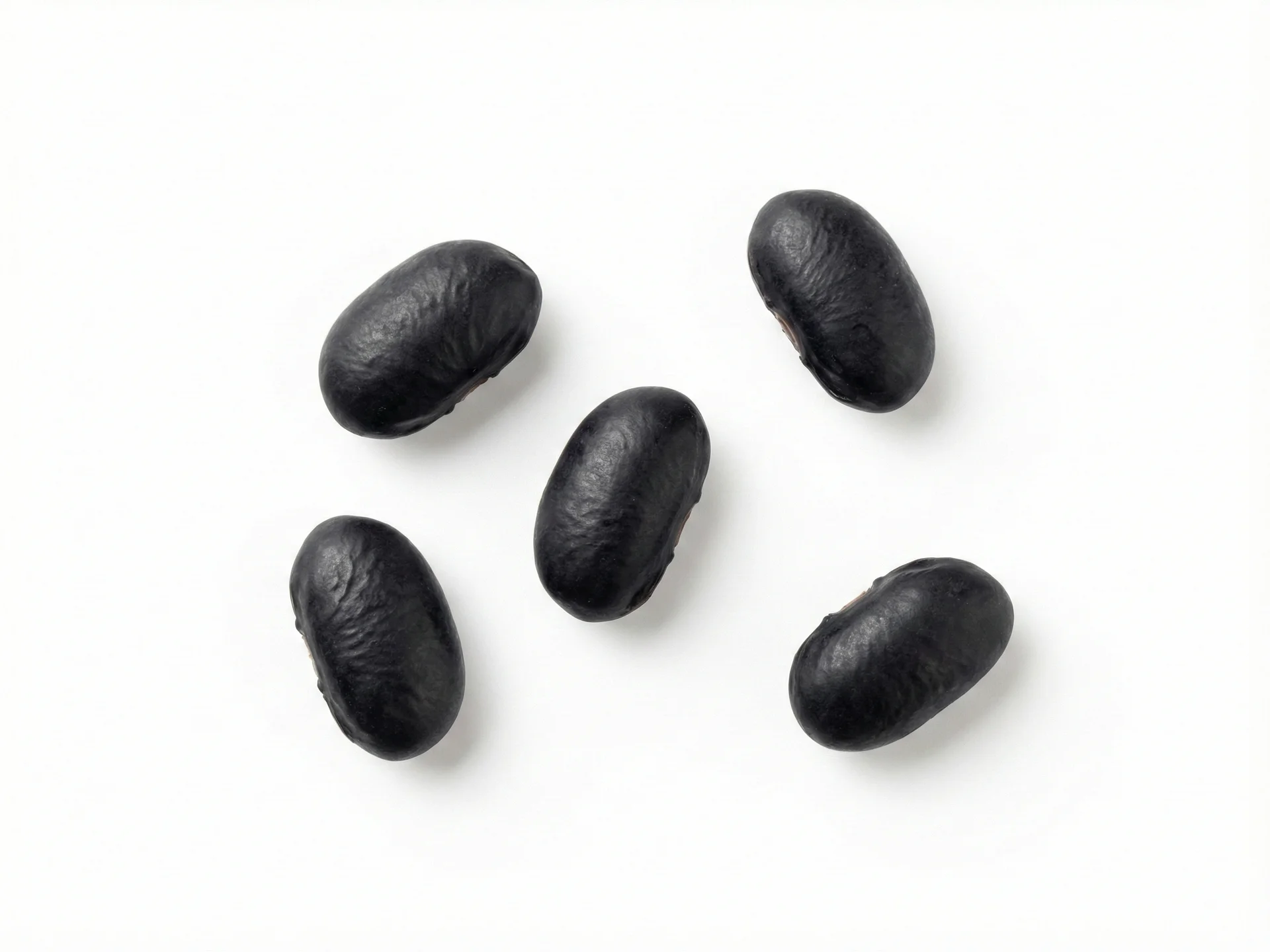
For babies 9 months and up, offer whole cooked black beans as finger foods, ensuring they are soft enough to squish between your fingers. You can also mix them into dishes like rice, soups, or soft patties to develop chewing skills and independence.
9 months +

For babies 9 months and up, offer whole cooked black beans as finger foods, ensuring they are soft enough to squish between your fingers. You can also mix them into dishes like rice, soups, or soft patties to develop chewing skills and independence.

  • Test bean softness by pressing between your fingers—it should mash easily.
  • Mix beans with grains like quinoa or oats for balanced meals.
  • Offer as part of a meal with different textures to encourage exploration.
  • Supervise closely when introducing whole beans to ensure safe eating.
  • Experiment with spices like cumin or garlic powder (in small amounts) for flavor variety.

Safety & allergens

Choking risk: Low

Black beans are soft when cooked thoroughly, making them a low choking risk. For babies under 12 months, mash them well or puree to eliminate any whole bean texture. Always supervise your baby during meals.

Not a common allergen

Black Beans is not a top allergen. As with any new food, offer it on its own and watch for any reaction.

Vitamins & minerals

Black beans are a nutritional powerhouse for babies. They provide iron, which is crucial for brain development and preventing anemia.[2] The fiber in black beans supports healthy digestion and can help prevent constipation.[3]

Vitamins
Vitamin VITAMIN B1Vitamin VITAMIN B6Vitamin VITAMIN B9
Minerals
IronMagnesiumPotassiumPhosphorusCopperManganese