FoodsDairyNatural Yogurt
Natural Yogurt

Dairy

Natural Yogurt

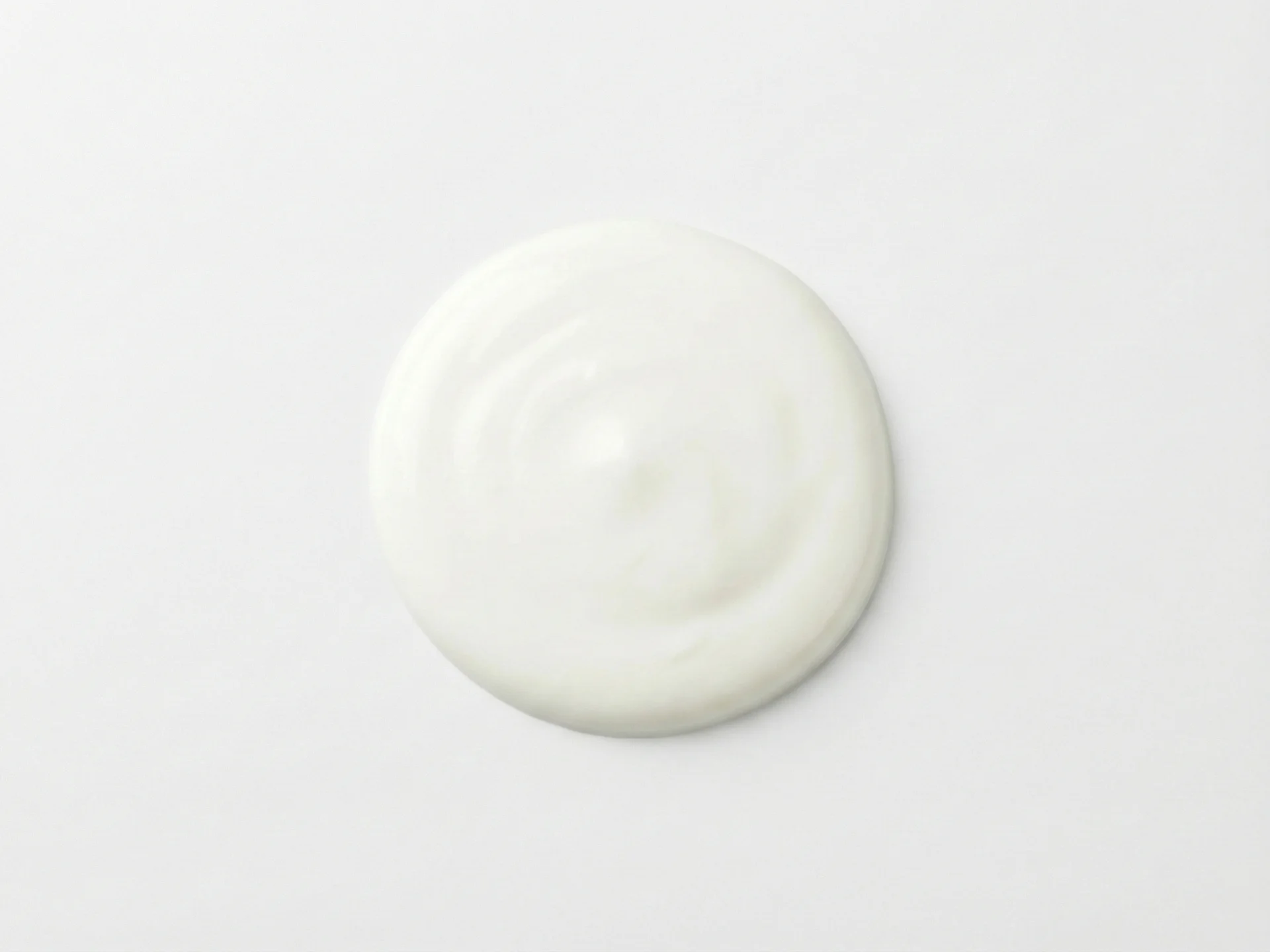
Natural yogurt is a wonderful first dairy food for babies, offering a creamy texture and slightly tangy taste that many little ones enjoy. It's packed with nutrients that support your baby's growth, including calcium for strong bones[1] and probiotics that can help maintain a healthy digestive system[2]. Plus, it's easy to serve and pairs well with many other foods.

6m+Common allergenChoking risk: Low
First age6m+
CategoryDairy
Common allergenYes
Choking riskLow

When can babies eat Natural Yogurt?

You can introduce natural yogurt around 6 months when starting solids, as long as your baby shows signs of readiness and you've discussed with your pediatrician, especially if there's a family history of dairy allergies.

How to serve Natural Yogurt by age

Serve natural yogurt in a thick consistency (Greek yogurt works well) to prevent dripping. Pre-load soft-tipped spoons for your baby to self-feed, or spread it thinly on toast strips or rice cakes for easier grasping. Avoid runny yogurts that might be difficult to manage.
6 to 9 months

Serve natural yogurt in a thick consistency (Greek yogurt works well) to prevent dripping. Pre-load soft-tipped spoons for your baby to self-feed, or spread it thinly on toast strips or rice cakes for easier grasping. Avoid runny yogurts that might be difficult to manage.

  • Choose full-fat, plain yogurt without added sugars
  • Mix with breast milk or formula to adjust consistency if needed
  • Offer on a pre-loaded spoon to encourage self-feeding
  • Spread on toast fingers for easier handling
  • Start with small amounts to monitor for allergies
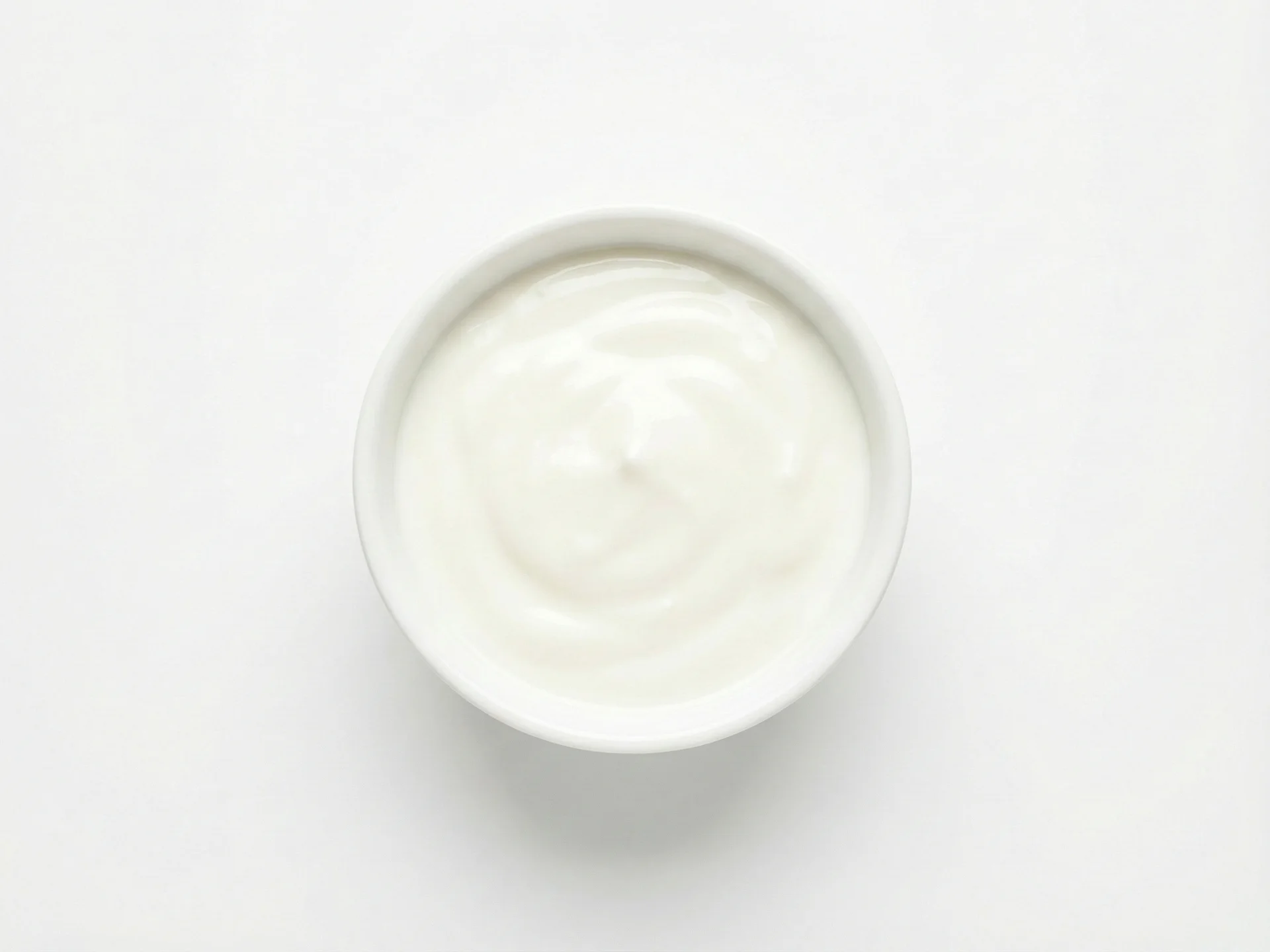
As your baby develops better motor skills, you can serve yogurt in a bowl with a spoon for them to practice scooping. Continue using thick yogurt and consider mixing in soft fruits or cereals for added nutrition and texture exploration.
9 months +

As your baby develops better motor skills, you can serve yogurt in a bowl with a spoon for them to practice scooping. Continue using thick yogurt and consider mixing in soft fruits or cereals for added nutrition and texture exploration.

  • Encourage using a spoon independently
  • Mix in soft fruits like mashed banana or avocado
  • Use as a dip for vegetable sticks or fruit slices
  • Combine with iron-fortified cereals for balanced nutrition
  • Offer in a suction bowl to prevent tipping

Safety & allergens

Choking risk: Low

Natural yogurt has a smooth, soft texture that poses minimal choking risk when served plain. Avoid adding hard mix-ins like whole nuts or large fruit chunks for young babies. Always supervise your baby during feeding and ensure they're sitting upright.

Common allergen

Cow's milk allergy affects about 2-3% of infants and young children[3].

Vitamins & minerals

Natural yogurt provides calcium that's essential for building strong bones and teeth in growing babies[1]. The vitamin B12 supports healthy brain development[5], while the probiotics (live cultures) can help maintain a balanced gut microbiome and support digestion[2].

Vitamins
Vitamin VITAMIN B2Vitamin VITAMIN B12Vitamin VITAMIN D
Minerals
CalciumPhosphorusPotassium