FoodsGrainWild Rice
Wild Rice

Grain

Wild Rice

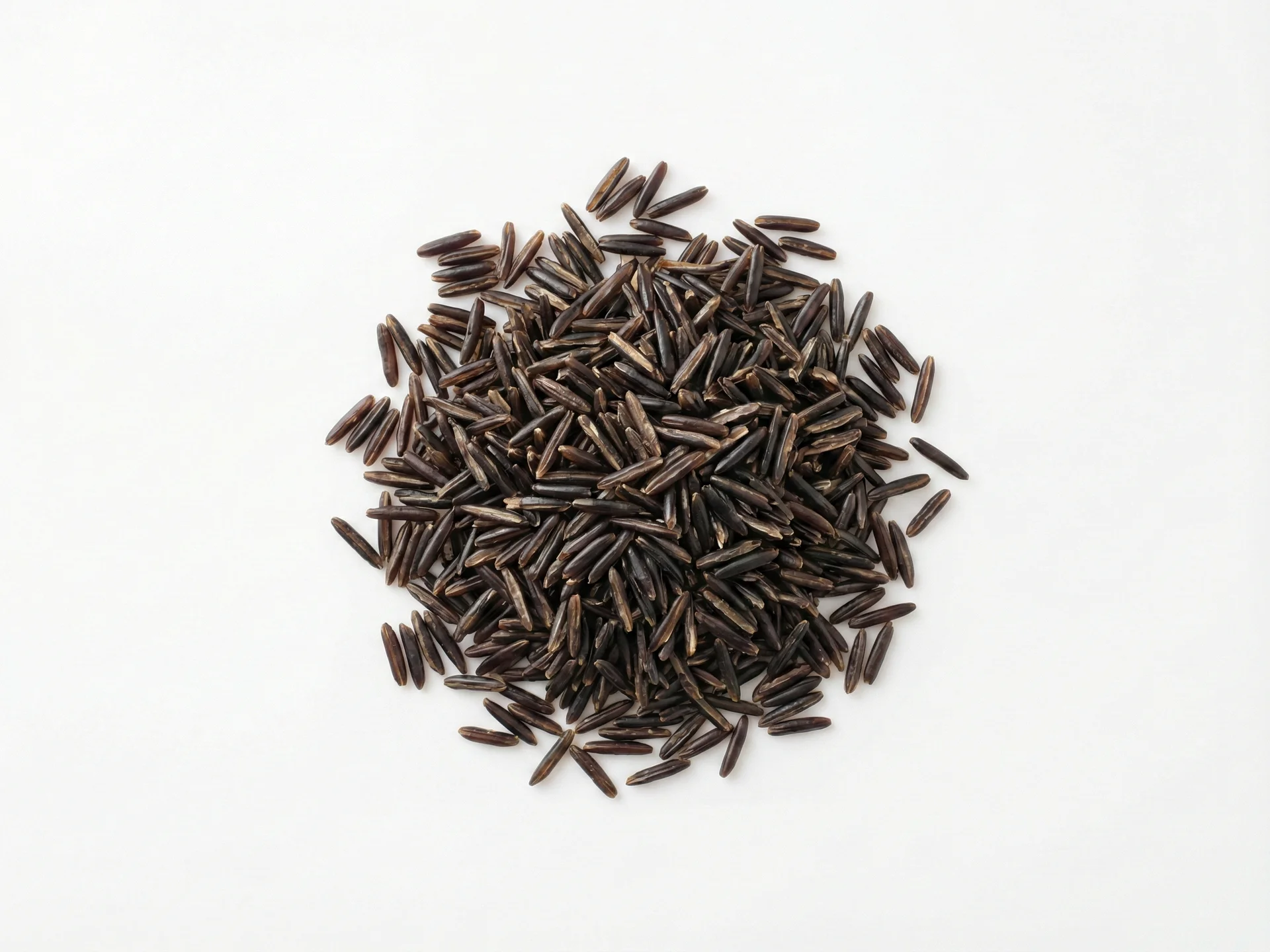
Wild rice is a nutritious whole grain with a nutty flavor and chewy texture that can be a wonderful addition to your baby's diet. It's packed with B vitamins that help support your baby's energy metabolism and nervous system development.[1] The iron and zinc content also supports healthy growth and immune function.[2]

6m+Not a common allergenChoking risk: Low
First age6m+
CategoryGrain
Common allergenNo
Choking riskLow

When can babies eat Wild Rice?

Wild rice can be introduced around 6 months when your baby starts solids, as long as it's prepared to a soft, mashable texture appropriate for their age.

How to serve Wild Rice by age

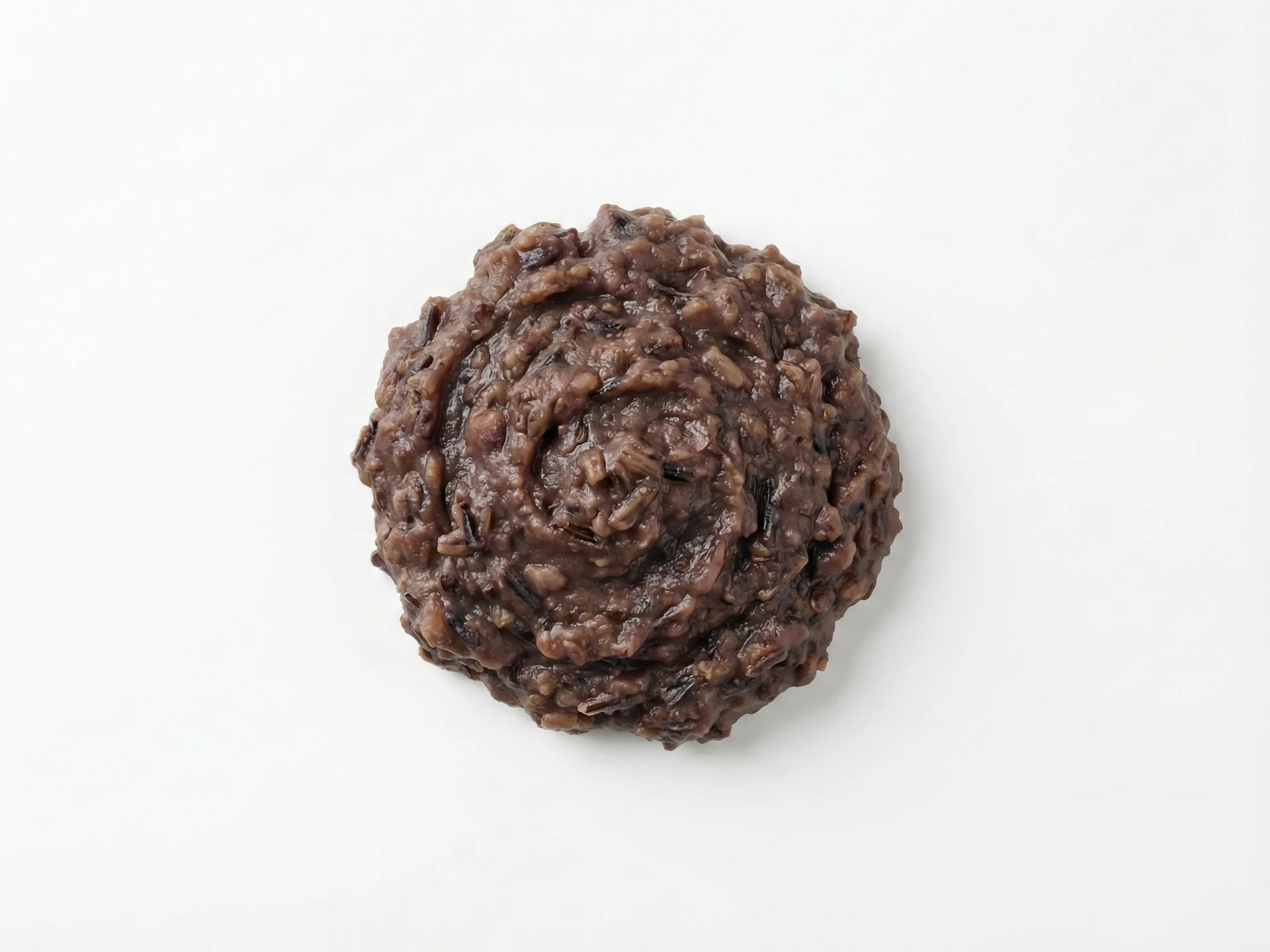
Cook wild rice until very soft and slightly mushy, then mash or puree it to a thick, lumpy consistency. You can mix it with breast milk, formula, or a soft food like avocado to make it easier to swallow. Serve on a pre-loaded spoon or let your baby explore with their hands.
6 to 9 months

Cook wild rice until very soft and slightly mushy, then mash or puree it to a thick, lumpy consistency. You can mix it with breast milk, formula, or a soft food like avocado to make it easier to swallow. Serve on a pre-loaded spoon or let your baby explore with their hands.

  • Rinse rice well before cooking to remove debris.
  • Simmer for at least 45 minutes until grains split open.
  • Mash with a fork or blend briefly for a smooth texture.
  • Mix with yogurt or pureed vegetables for added flavor.
  • Offer small amounts to prevent overwhelming your baby.
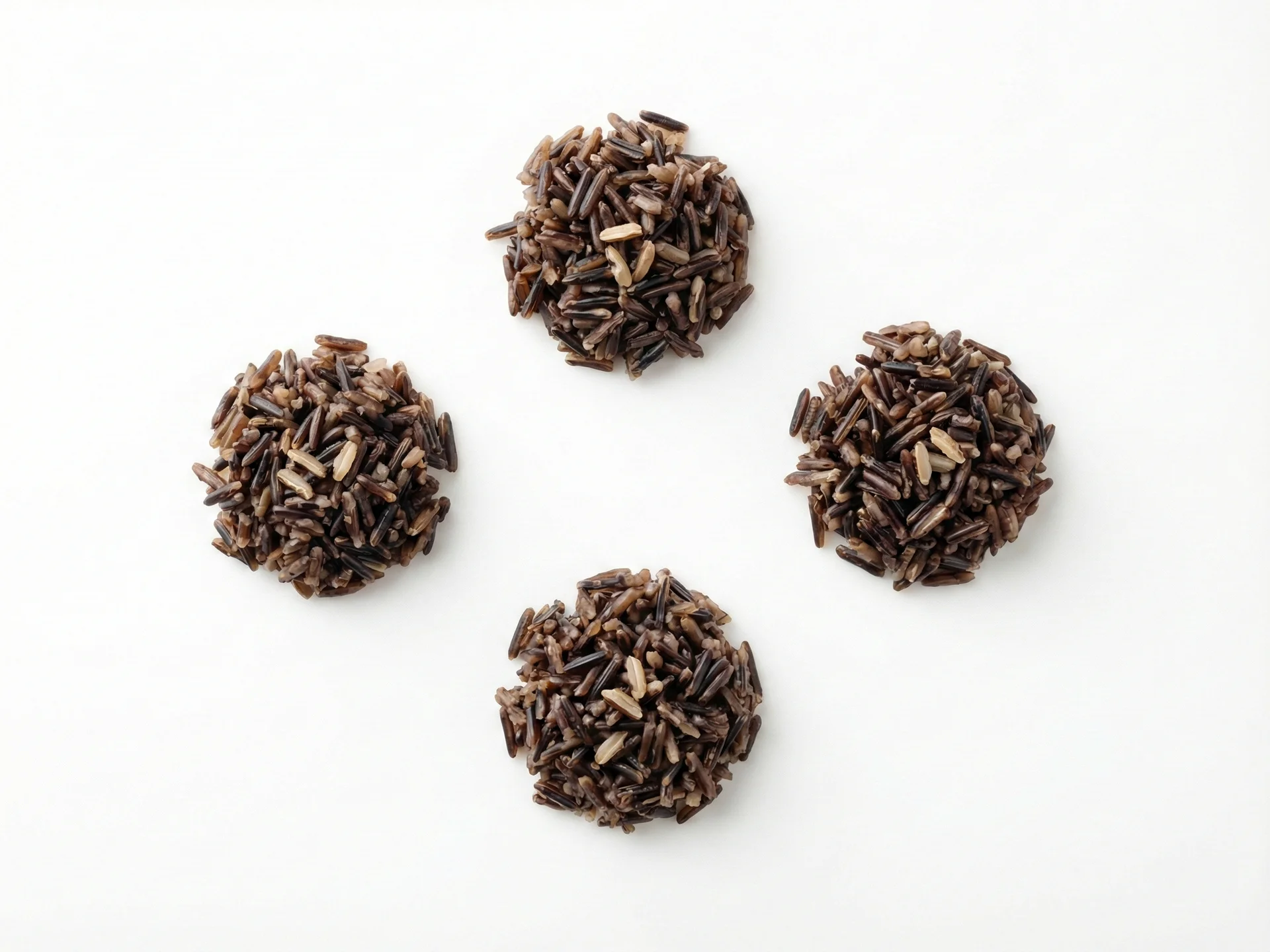
Cook wild rice until tender but still intact, then serve in small, soft clumps that your baby can pick up. You can also mix it into patties or balls with binders like egg or mashed beans. Encourage self-feeding by placing it on their tray.
9 to 12 months

Cook wild rice until tender but still intact, then serve in small, soft clumps that your baby can pick up. You can also mix it into patties or balls with binders like egg or mashed beans. Encourage self-feeding by placing it on their tray.

  • Cook until soft but not mushy to encourage chewing.
  • Form into bite-sized patties for easy grasping.
  • Combine with finely chopped vegetables for variety.
  • Avoid adding salt or sugar; use herbs for flavor.
  • Supervise closely as texture can be chewy.
Serve well-cooked wild rice as a side dish or mixed into meals like soups, salads, or casseroles. Toddlers can handle the texture better, but ensure it's still soft and cut any large grains if needed. Encourage using utensils to practice fine motor skills.
12 months +

Serve well-cooked wild rice as a side dish or mixed into meals like soups, salads, or casseroles. Toddlers can handle the texture better, but ensure it's still soft and cut any large grains if needed. Encourage using utensils to practice fine motor skills.

  • Use as a base for mixed meals with proteins and veggies.
  • Cook in broth for added flavor without salt.
  • Store leftovers for quick meals throughout the week.
  • Introduce as part of family meals to model eating.
  • Monitor for any signs of difficulty chewing.

Safety & allergens

Choking risk: Low

Wild rice has a low choking risk when properly prepared. For babies under 12 months, cook until very soft and mash or puree to eliminate any firm grains. Always supervise your baby during meals and ensure they're sitting upright.

Not a common allergen

Wild Rice is not a top allergen. As with any new food, offer it on its own and watch for any reaction.

Vitamins & minerals

Wild rice provides B vitamins that help convert food into energy for your growing baby.[1] The iron content supports healthy red blood cell production and cognitive development, while zinc contributes to immune function and wound healing.[2] The magnesium and potassium in wild rice also support muscle and nerve function.[3]

Vitamins
Vitamin VITAMIN B1Vitamin VITAMIN B2Vitamin VITAMIN B3Vitamin VITAMIN B6Vitamin VITAMIN B9
Minerals
IronZincMagnesiumPotassiumPhosphorusManganese