FoodsBeanPeas
Peas

Bean

Peas

Peas are a fantastic first food for babies with their naturally sweet taste and smooth texture when pureed. They're packed with nutrients that support your baby's growth, including iron for healthy blood cells[1] and vitamin K for strong bones[2]. Plus, their bright green color makes them visually appealing for curious little eaters!

6m+Not a common allergenChoking risk: Low
First age6m+
CategoryBean
Common allergenNo
Choking riskLow

When can babies eat Peas?

Peas can be introduced around 6 months when your baby starts solids, as they're easy to digest and unlikely to cause allergies.

How to serve Peas by age

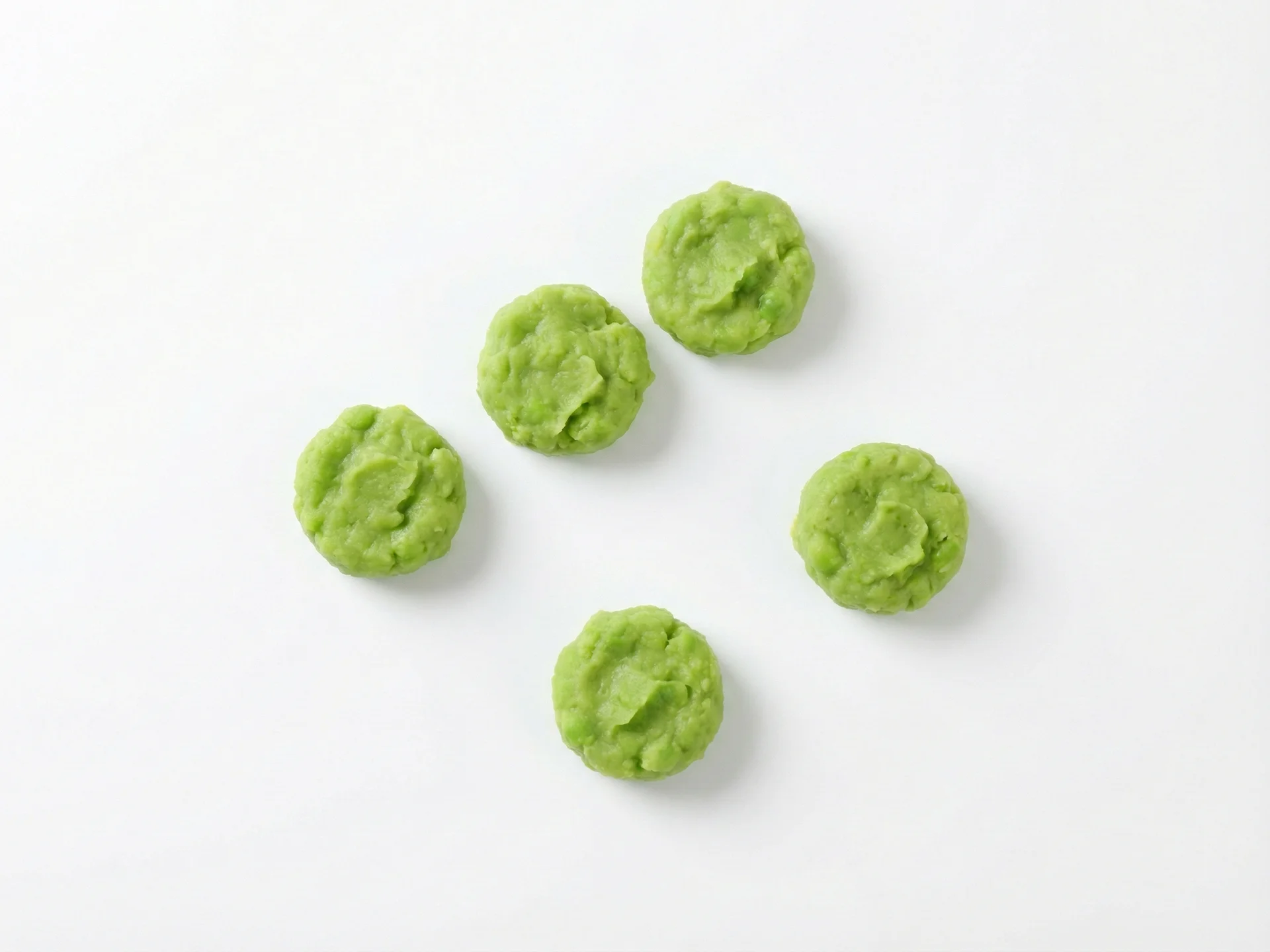
For beginners, serve cooked peas that are soft enough to mash between your fingers. You can gently flatten or lightly mash fresh or thawed frozen peas to reduce choking risk. Offer them on a high chair tray for your baby to pick up with their developing pincer grasp.
6 to 9 months

For beginners, serve cooked peas that are soft enough to mash between your fingers. You can gently flatten or lightly mash fresh or thawed frozen peas to reduce choking risk. Offer them on a high chair tray for your baby to pick up with their developing pincer grasp.

  • Cook peas until very soft by steaming or boiling
  • Gently mash or flatten peas with the back of a fork
  • Serve at room temperature to prevent burns
  • Mix with a little breast milk or formula if needed for moisture
  • Offer on a non-slip mat or directly on the high chair tray
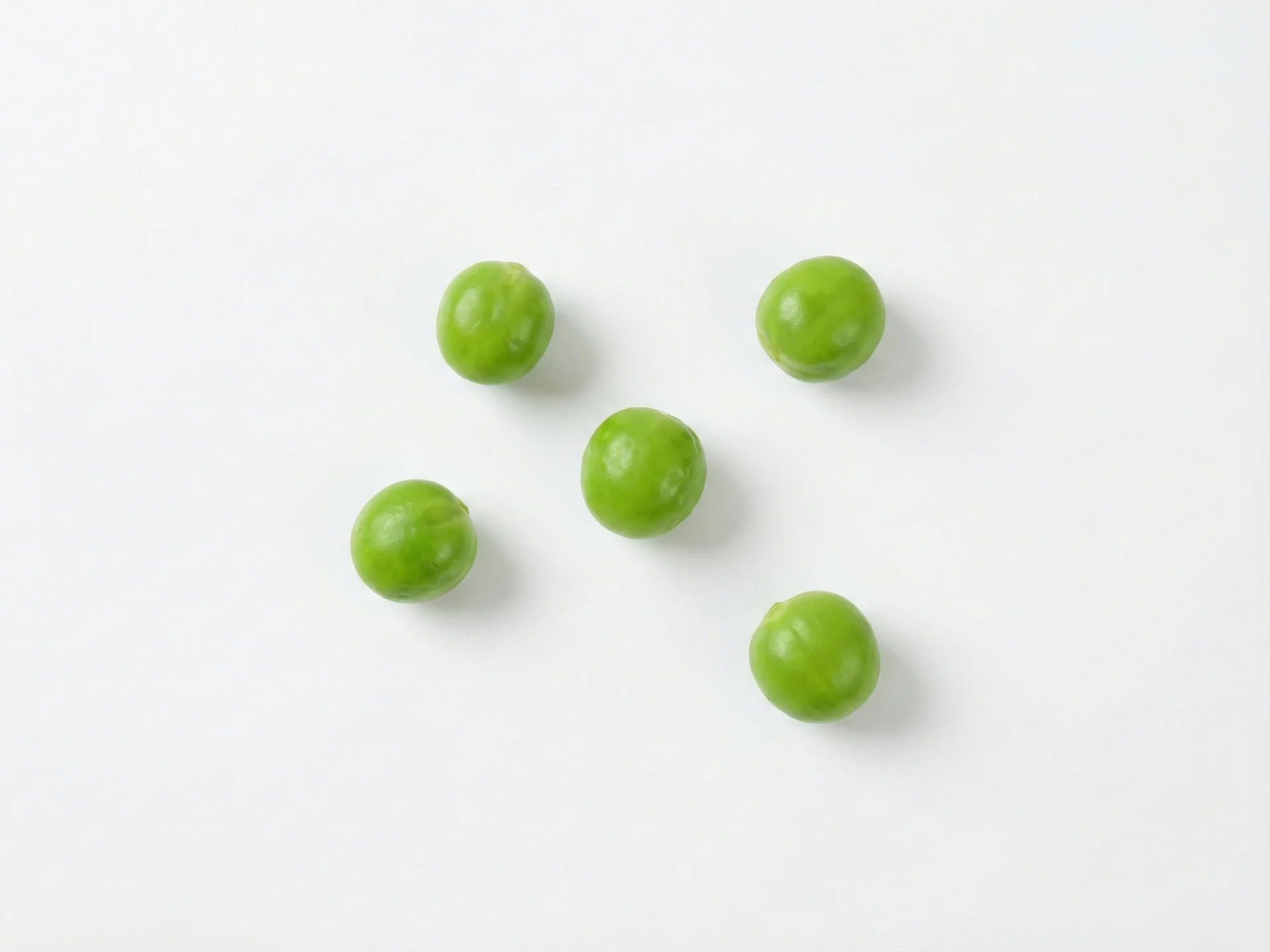
As your baby's chewing skills improve, you can offer whole cooked peas. Ensure they're soft but not mushy, and continue to supervise closely. You can also incorporate peas into more complex dishes like pea fritters or mixed vegetable patties.
9 months +

As your baby's chewing skills improve, you can offer whole cooked peas. Ensure they're soft but not mushy, and continue to supervise closely. You can also incorporate peas into more complex dishes like pea fritters or mixed vegetable patties.

  • Cook peas until tender but still holding their shape
  • Mix peas into scrambled eggs or oatmeal
  • Make pea pancakes by mashing peas into batter
  • Combine with other soft vegetables for variety
  • Use as a colorful addition to grain bowls

Safety & allergens

Choking risk: Low

Peas have a low choking risk when properly prepared. For young babies, always serve them pureed or mashed until smooth. Once your baby develops a pincer grasp, you can offer whole cooked peas as finger food, but make sure they're soft enough to squish between your fingers.

Not a common allergen

Peas is not a top allergen. As with any new food, offer it on its own and watch for any reaction.

Vitamins & minerals

Peas provide iron, which is crucial for your baby's brain development and preventing anemia[1]. They're also rich in vitamin K for bone health[2] and contain fiber that supports healthy digestion[3]. The vitamin C in peas helps boost your baby's immune system[4] while enhancing iron absorption[5].

Vitamins
Vitamin VITAMIN AVitamin VITAMIN CVitamin VITAMIN KVitamin VITAMIN B1Vitamin VITAMIN B6Vitamin VITAMIN B9
Minerals
IronMagnesiumPotassiumPhosphorusManganese