FoodsFruitPear
Pear

Fruit

Pear

Pears are a wonderful first food for babies with their naturally sweet flavor and soft texture when cooked. They're gentle on little tummies and can help with digestion due to their fiber content.[1] Plus, their high water content helps keep babies hydrated while introducing new flavors.

6m+Not a common allergenChoking risk: Low
First age6m+
CategoryFruit
Common allergenNo
Choking riskLow

When can babies eat Pear?

Pears can be introduced around 6 months when your baby shows readiness for solids. They're often recommended as a first fruit because they're easy to digest and rarely cause reactions.

How to serve Pear by age

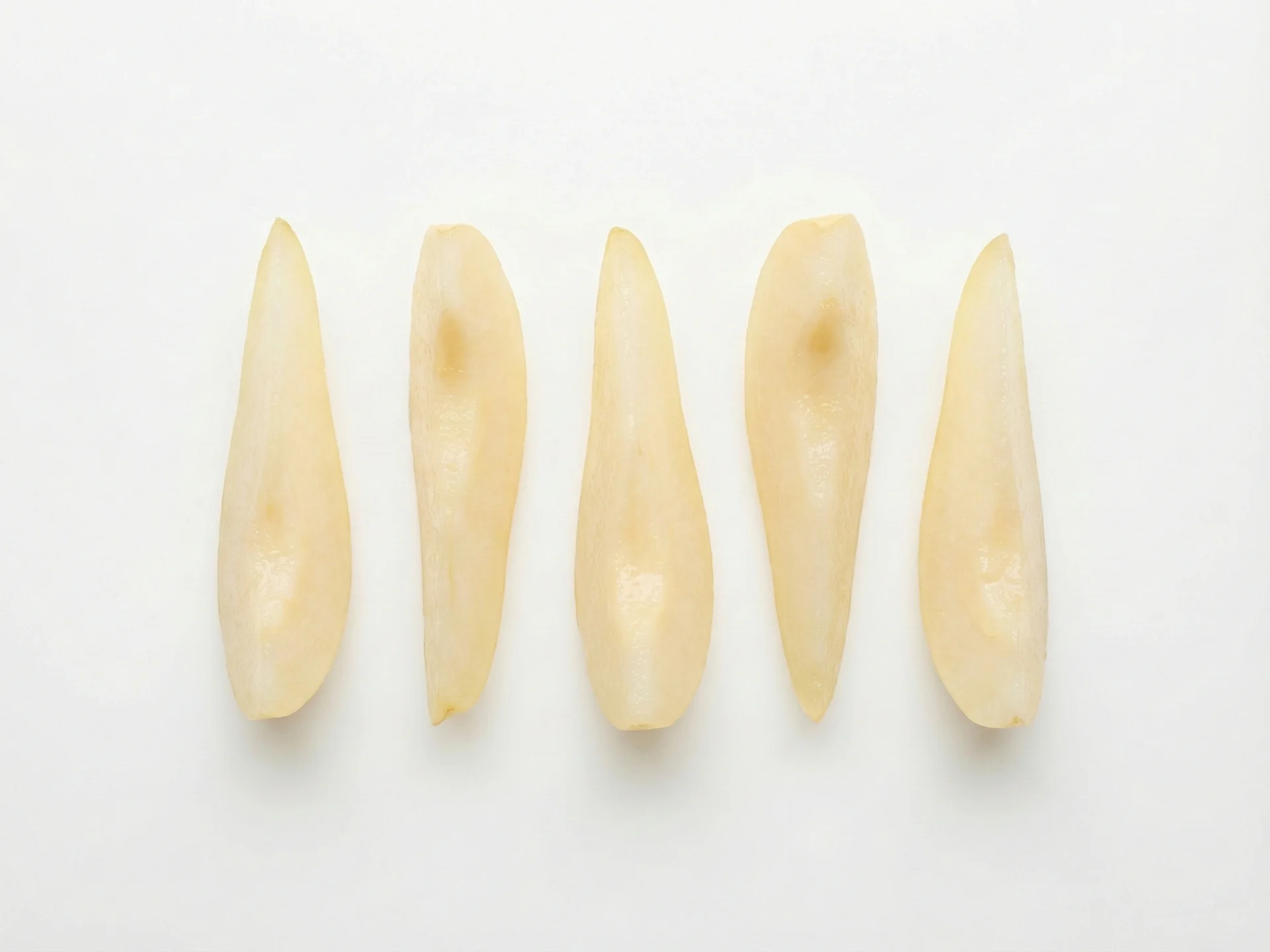
For beginners, steam or bake pears until very soft and serve as large, graspable spears with the skin removed. The pear should be soft enough to mash between your fingers. You can also offer mashed or pureed pear on a pre-loaded spoon for self-feeding practice.
6 to 9 months

For beginners, steam or bake pears until very soft and serve as large, graspable spears with the skin removed. The pear should be soft enough to mash between your fingers. You can also offer mashed or pureed pear on a pre-loaded spoon for self-feeding practice.

  • Choose ripe pears that yield slightly to gentle pressure
  • Steam for 8-10 minutes until fork-tender
  • Cut into long spears about the size of two adult fingers
  • Remove skin to prevent choking
  • Let cool completely before serving
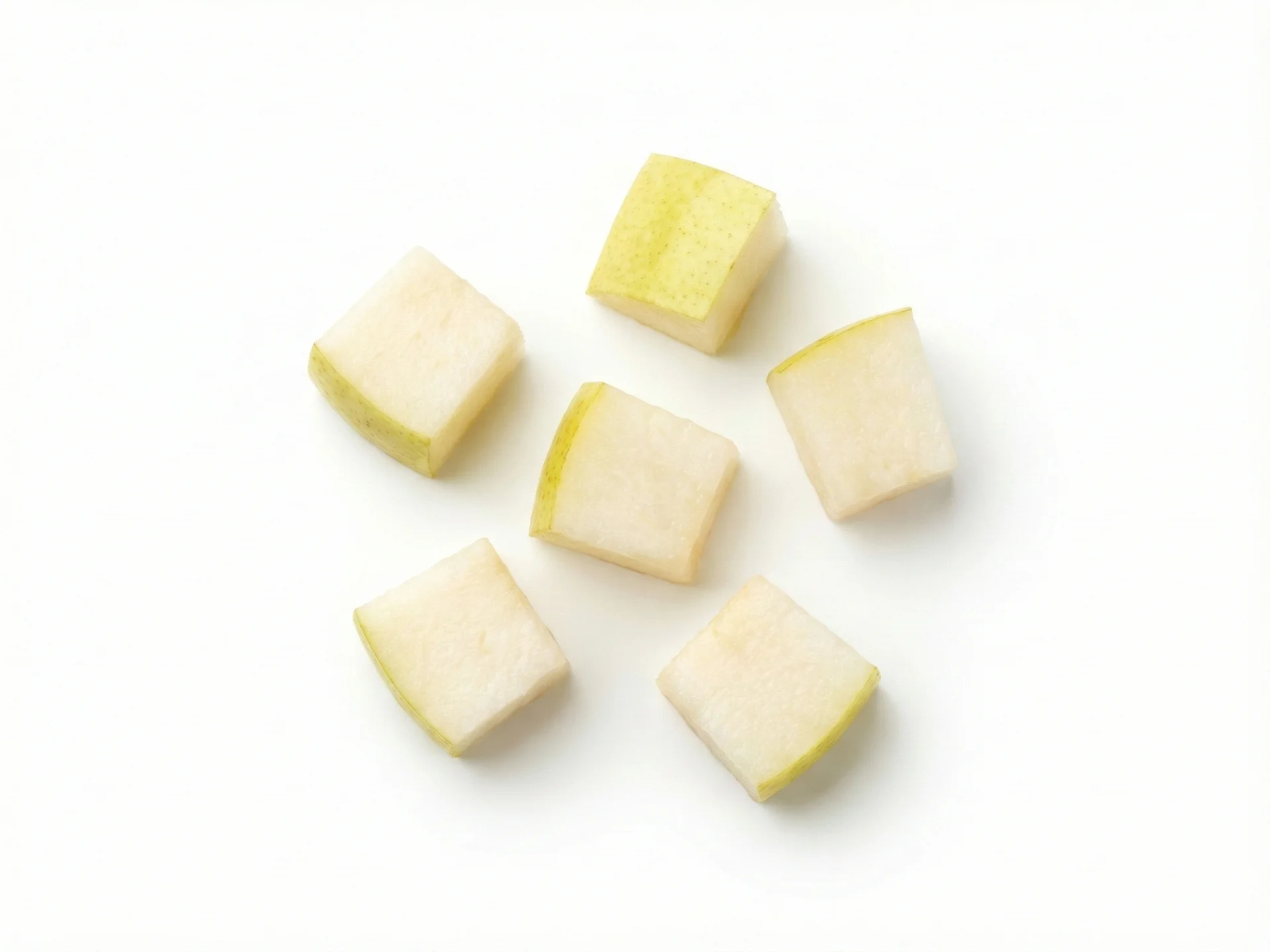
As your baby develops their pincer grasp, offer bite-sized pieces of soft, ripe pear. You can leave the skin on if it's tender, or cook pears until soft and cut into small cubes. Pears can also be grated for younger babies in this stage.
9 months +

As your baby develops their pincer grasp, offer bite-sized pieces of soft, ripe pear. You can leave the skin on if it's tender, or cook pears until soft and cut into small cubes. Pears can also be grated for younger babies in this stage.

  • Cut into small cubes (about 1/2 inch) for pincer practice
  • Try grating raw ripe pear for a different texture
  • Mix with oatmeal or yogurt for added nutrition
  • Leave skin on for extra fiber if your baby handles it well
  • Offer both cooked and raw soft pear for texture variety

Safety & allergens

Choking risk: Low

Pears are naturally soft when ripe or cooked, making them low-risk. For babies under 9 months, always serve cooked and mashed or pureed. Once your baby has developed a pincer grasp, you can offer small, soft pieces about the size of a pea.

Not a common allergen

Pear is not a top allergen. As with any new food, offer it on its own and watch for any reaction.

Vitamins & minerals

Pears provide vitamin C which supports your baby's immune system and helps with iron absorption from other foods.[2] They also contain potassium for healthy heart function[3] and fiber that aids digestion.[1] The vitamin K in pears plays a role in blood clotting and bone health.[4]

Vitamins
Vitamin VITAMIN CVitamin VITAMIN KVitamin VITAMIN B6Vitamin VITAMIN B9
Minerals
PotassiumCopperManganese