FoodsNutPeanut Butter
Peanut Butter

Nut

Peanut Butter

Peanut butter is a creamy, protein-packed spread that can be a wonderful addition to your baby's diet. It's rich in healthy fats that support brain development[1] and contains important vitamins and minerals. The smooth texture and nutty flavor make it appealing to many babies when introduced properly.

6m+Common allergenChoking risk: High
First age6m+
CategoryNut
Common allergenYes
Choking riskHigh

When can babies eat Peanut Butter?

Peanut butter can be introduced around 6 months when starting solids, but it's important to follow safe introduction guidelines for this common allergen.

How to serve Peanut Butter by age

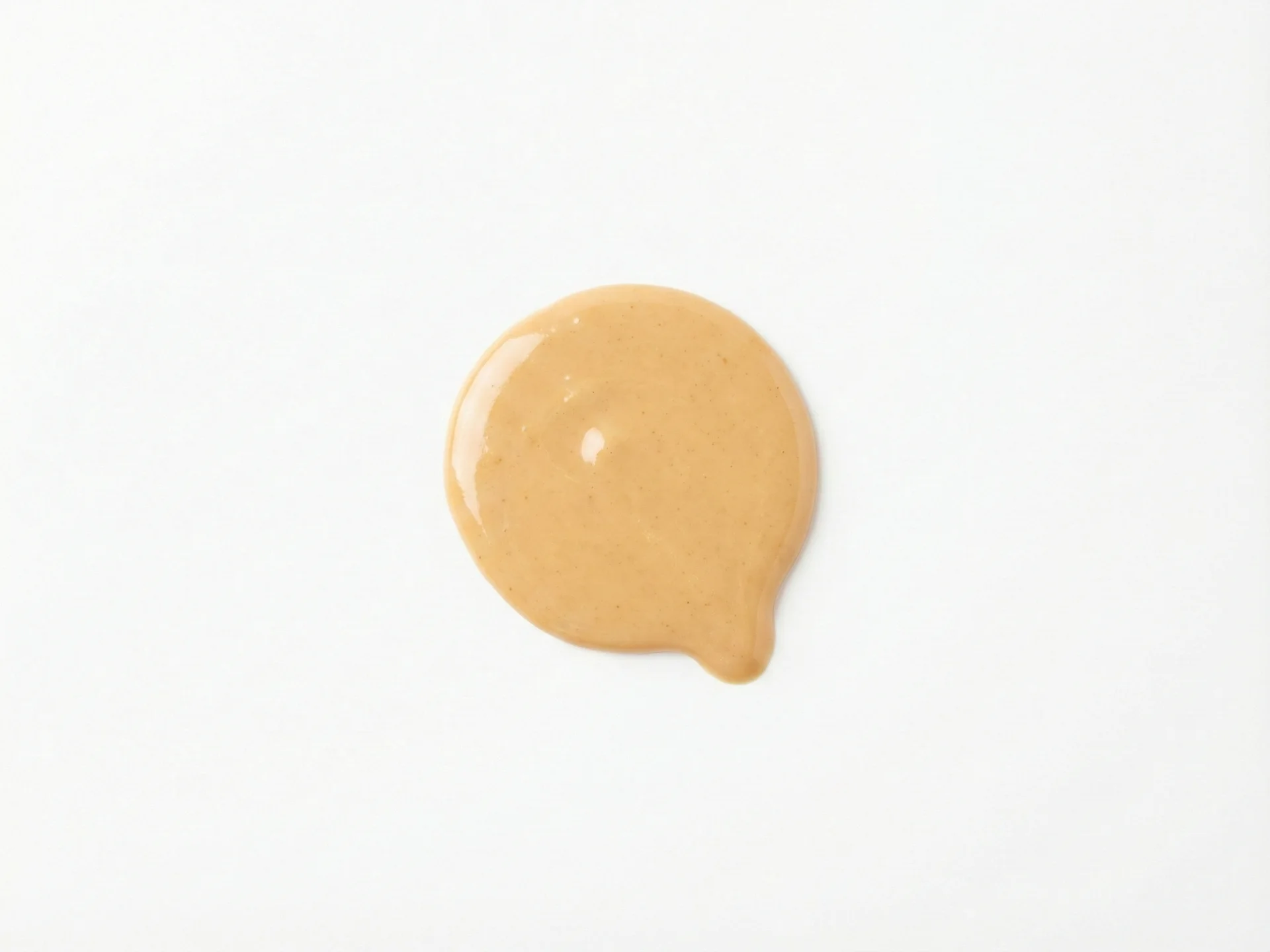
For babies 6-9 months, thin smooth peanut butter with breast milk, formula, or water to a drippy, pourable consistency. You can spread a thin layer on a soft food like a banana slice or offer it on a pre-loaded spoon for self-feeding. Avoid thick globs to prevent choking.
6 to 9 months

For babies 6-9 months, thin smooth peanut butter with breast milk, formula, or water to a drippy, pourable consistency. You can spread a thin layer on a soft food like a banana slice or offer it on a pre-loaded spoon for self-feeding. Avoid thick globs to prevent choking.

  • Use a small amount (1/4 teaspoon) to start
  • Mix with liquid until it drips off a spoon
  • Offer on soft, easy-to-grip foods
  • Supervise closely during feeding
  • Introduce early in the day to monitor for allergies
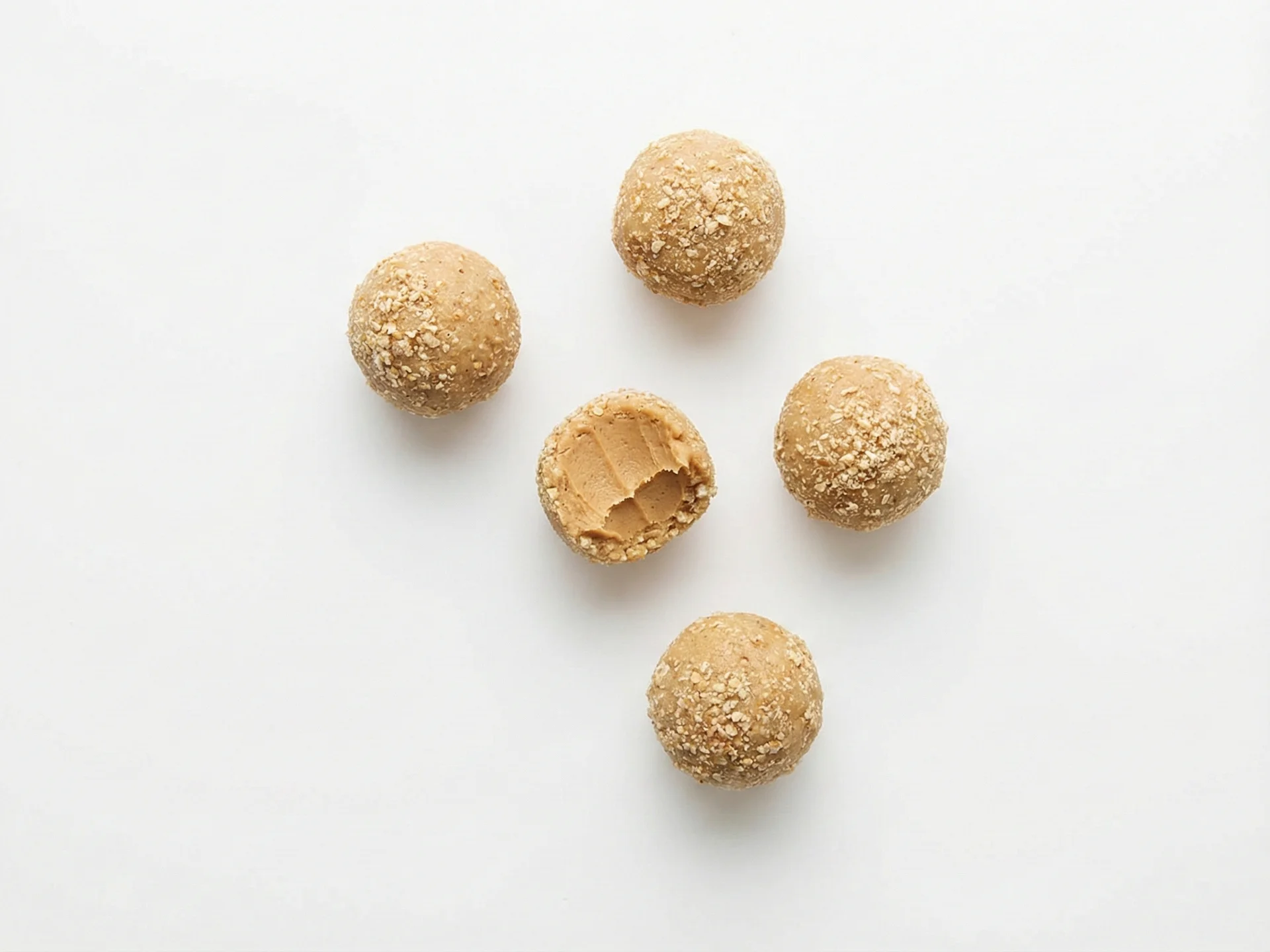
For babies 9 months and up, you can offer slightly thicker peanut butter as they develop better chewing and swallowing skills. Spread it thinly on toast strips or mix it into oatmeal or yogurt. You can also introduce small, soft peanut butter balls rolled in crushed cereal for added texture.
9 months +

For babies 9 months and up, you can offer slightly thicker peanut butter as they develop better chewing and swallowing skills. Spread it thinly on toast strips or mix it into oatmeal or yogurt. You can also introduce small, soft peanut butter balls rolled in crushed cereal for added texture.

  • Gradually increase thickness as baby tolerates
  • Use as a spread on finger foods
  • Combine with other foods for variety
  • Continue to avoid chunky peanut butter
  • Encourage self-feeding with appropriate utensils

Safety & allergens

Choking risk: High

Never serve peanut butter straight from the jar or in thick globs, as it can be a choking hazard. Always thin it with breast milk, formula, or water to a runny consistency for young babies. For older babies, spread it very thinly on toast or mix it into other foods.

Common allergen

Peanut allergy affects about 2% of children in the United States[2], making it one of the more common food allergies in infants.

Vitamins & minerals

Peanut butter provides healthy monounsaturated fats that support brain development in infants[1]. It's also a good source of plant-based protein for growth and contains magnesium for bone health[4] and vitamin E, an important antioxidant[5]. The B vitamins in peanut butter help convert food into energy[6].

Vitamins
Vitamin VITAMIN EVitamin VITAMIN B3Vitamin VITAMIN B6Vitamin VITAMIN B9
Minerals
MagnesiumPhosphorusPotassiumCopperManganese