FoodsFruitMelon
Melon

Fruit

Melon

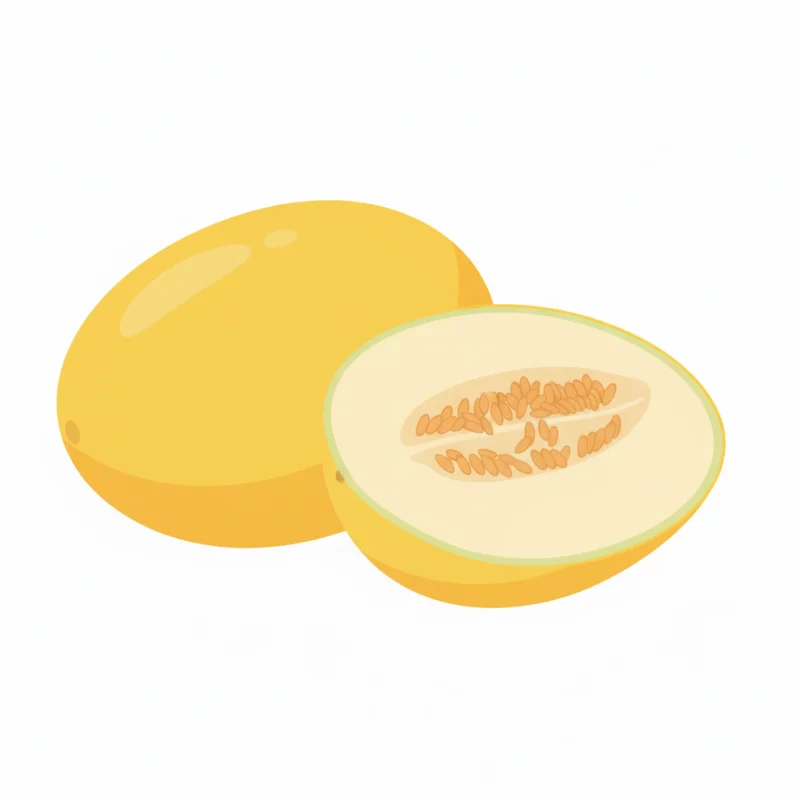
Melon is a wonderful first fruit for babies with its naturally sweet flavor and soft, juicy texture that most little ones love. It's packed with Vitamin C to support your baby's immune system[1] and Vitamin A for healthy vision and skin[2]. The high water content also helps keep babies hydrated, especially on warm days.

6m+Not a common allergenChoking risk: Low
First age6m+
CategoryFruit
Common allergenNo
Choking riskLow

When can babies eat Melon?

Melon can be introduced around 6 months when your baby starts solids. It's a great option for early fruit introduction because of its gentle texture and mild sweetness.

How to serve Melon by age

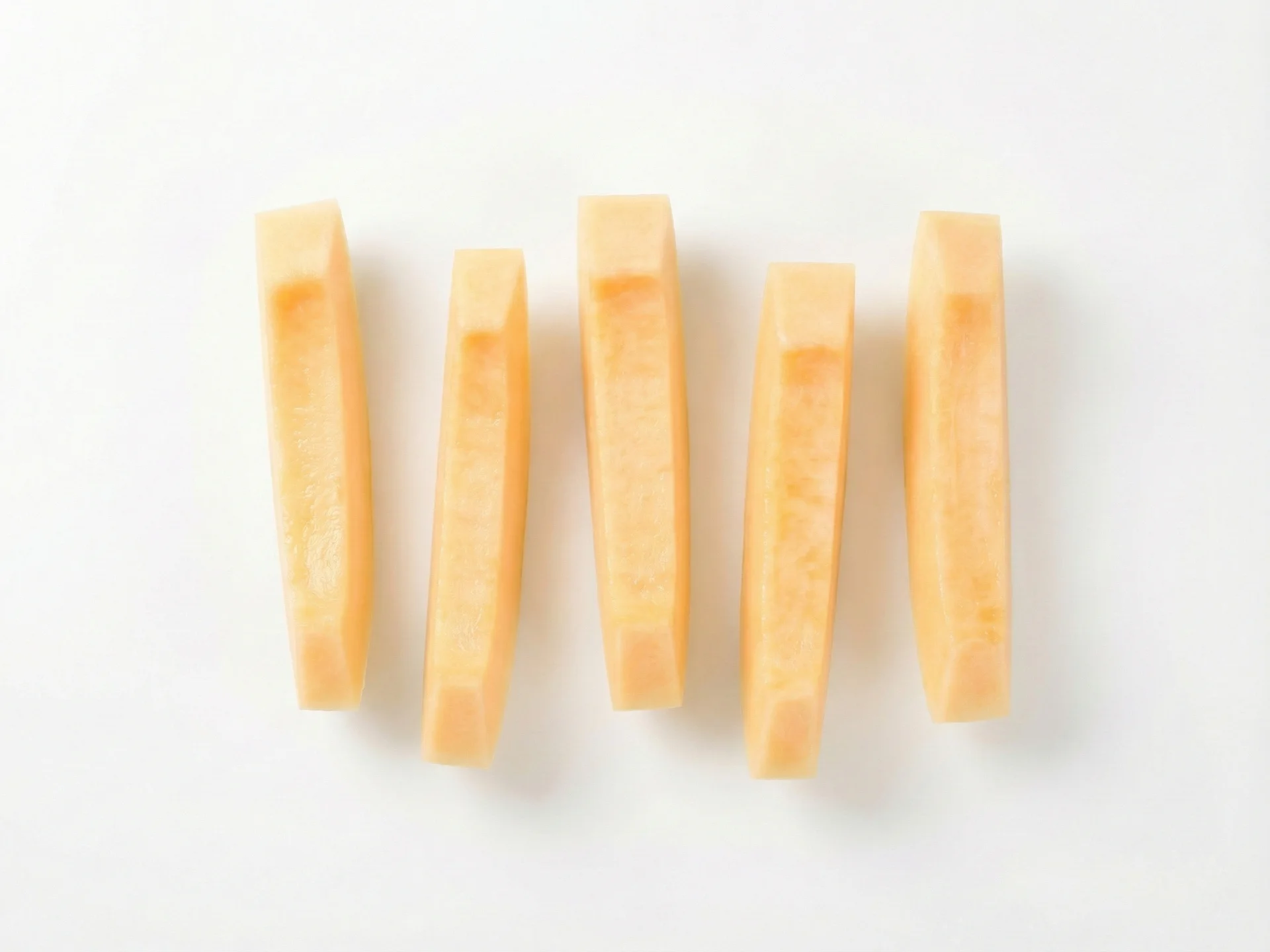
For babies 6-9 months, serve melon in large, rectangular strips about the size of two adult fingers. This allows your baby to grasp it easily and gnaw on the soft flesh without breaking off small pieces. Ensure the rind and all seeds are completely removed.
6 to 9 months

For babies 6-9 months, serve melon in large, rectangular strips about the size of two adult fingers. This allows your baby to grasp it easily and gnaw on the soft flesh without breaking off small pieces. Ensure the rind and all seeds are completely removed.

  • Choose very ripe melon for a softer texture.
  • Cut into strips at least 2 inches long for easy holding.
  • Serve at room temperature to enhance sweetness and reduce chilling.
  • Supervise closely as melon can be slippery.
  • Offer as a finger food during meal times.
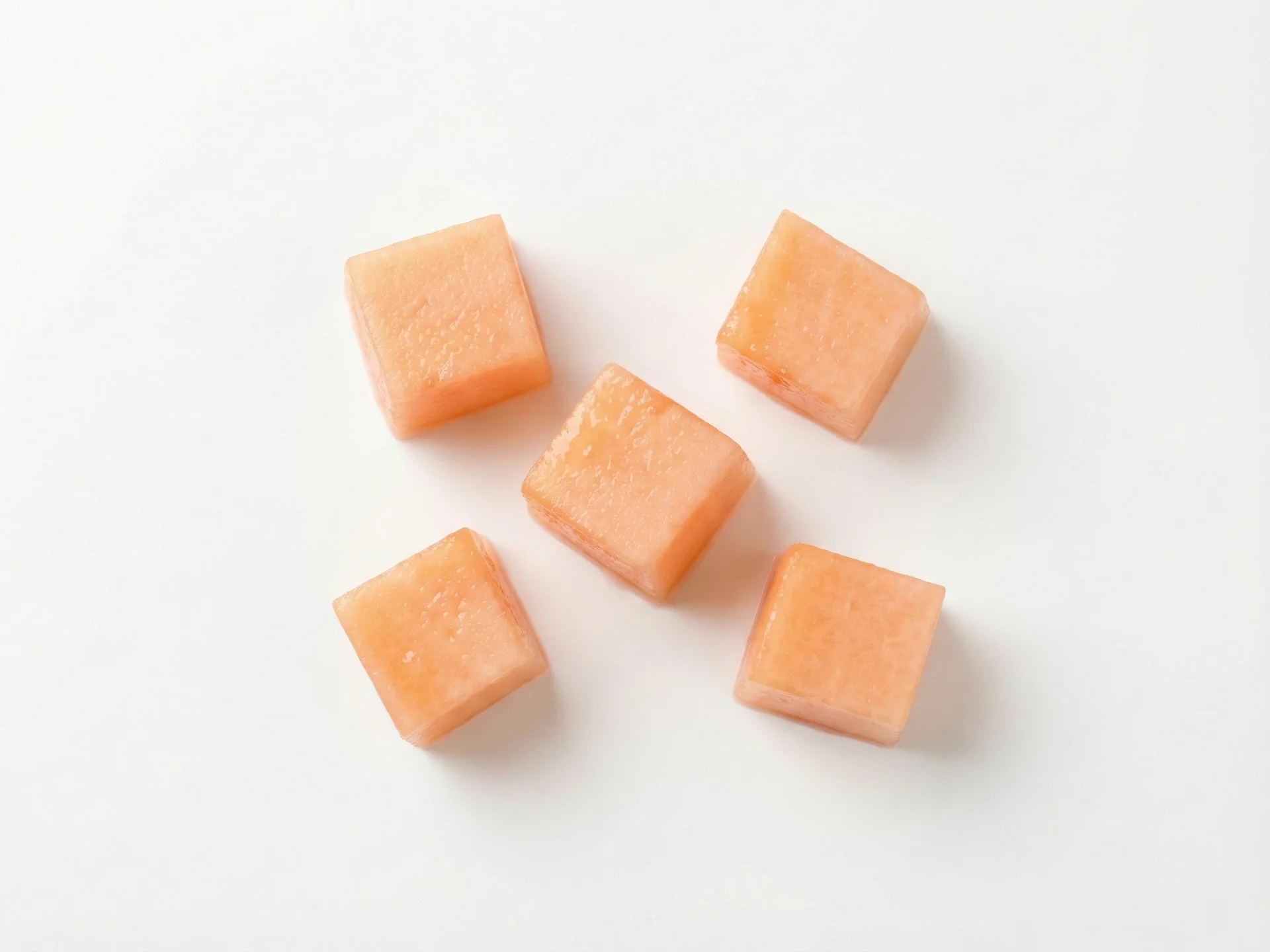
For babies 9 months and up, you can offer smaller, bite-sized pieces of melon once they develop a pincer grasp. Continue to remove rind and seeds, and consider mixing melon into other foods like oatmeal or yogurt for variety.
9 months +

For babies 9 months and up, you can offer smaller, bite-sized pieces of melon once they develop a pincer grasp. Continue to remove rind and seeds, and consider mixing melon into other foods like oatmeal or yogurt for variety.

  • Cut into small cubes or chunks for self-feeding practice.
  • Combine with other soft fruits for a colorful mix.
  • Use melon in smoothies or as a topping for cereals.
  • Monitor for any signs of digestive upset if introducing large amounts.
  • Encourage chewing by modeling how to eat the pieces.

Safety & allergens

Choking risk: Low

Melon has a soft texture when ripe, making it generally low-risk for choking. However, always remove the seeds and rind completely, and for younger babies, serve it mashed or in very soft, small pieces. Supervise your baby closely during all feedings.

Not a common allergen

Melon is not a top allergen. As with any new food, offer it on its own and watch for any reaction.

Vitamins & minerals

Melon provides excellent hydration with its high water content and contains important nutrients for growing babies. The Vitamin C supports immune function and helps with iron absorption from other foods[1], while Vitamin A contributes to healthy vision development[2]. Potassium in melon helps maintain proper fluid balance and supports muscle function[3].

Vitamins
Vitamin VITAMIN AVitamin VITAMIN CVitamin VITAMIN B6
Minerals
Potassium