FoodsVegetableLeek
Leek

Vegetable

Leek

Leeks are a wonderful first vegetable for your baby, offering a mild, sweet onion-like flavor that many little ones enjoy. They're packed with nutrients that support your baby's growth and development, including vitamin C for immune health[1] and vitamin K for healthy blood clotting[2]. Their soft texture when cooked makes them easy to puree or mash for tiny mouths.

6m+Not a common allergenChoking risk: Low
First age6m+
CategoryVegetable
Common allergenNo
Choking riskLow

When can babies eat Leek?

Leeks can be introduced around 6 months when your baby starts solids, as long as they're cooked until very soft to ensure easy digestion and minimize choking risk.

How to serve Leek by age

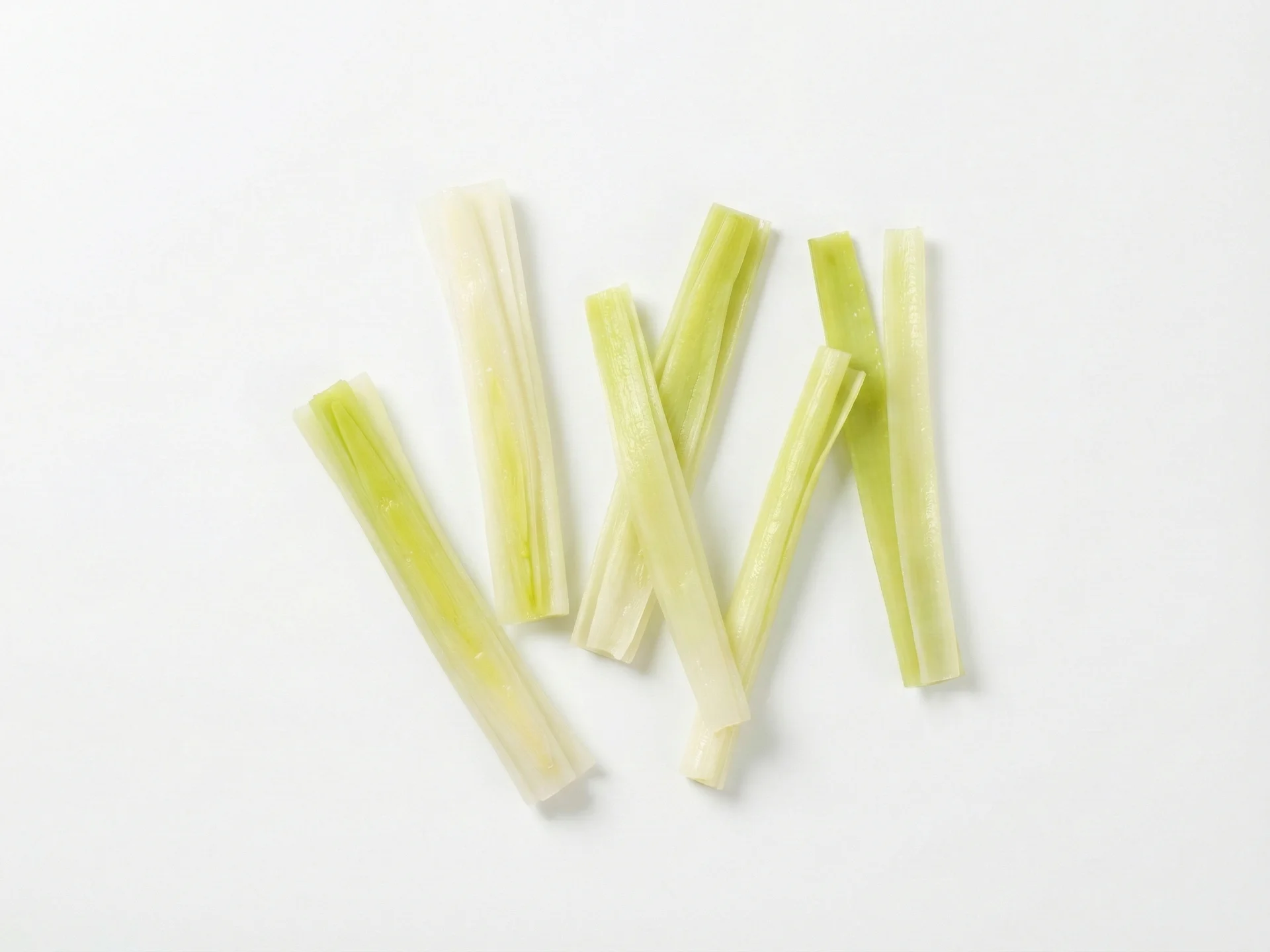
For babies 6-9 months, cook leeks until very soft, such as by steaming or boiling, and cut them into long, thin strips about the size of an adult finger. This shape is easy for babies to grasp and helps them practice their palmar grasp while minimizing choking risk.
6 to 9 months

For babies 6-9 months, cook leeks until very soft, such as by steaming or boiling, and cut them into long, thin strips about the size of an adult finger. This shape is easy for babies to grasp and helps them practice their palmar grasp while minimizing choking risk.

  • Steam leeks for 10-15 minutes until they are fork-tender and easily mashed.
  • Cut leeks into strips about 2-3 inches long and ½ inch wide for easy handling.
  • Avoid adding salt, sugar, or strong spices; let babies experience the natural flavor.
  • Serve leeks cool enough to touch to prevent burns.
  • Mix cooked leek strips with a little olive oil for added healthy fats if desired.
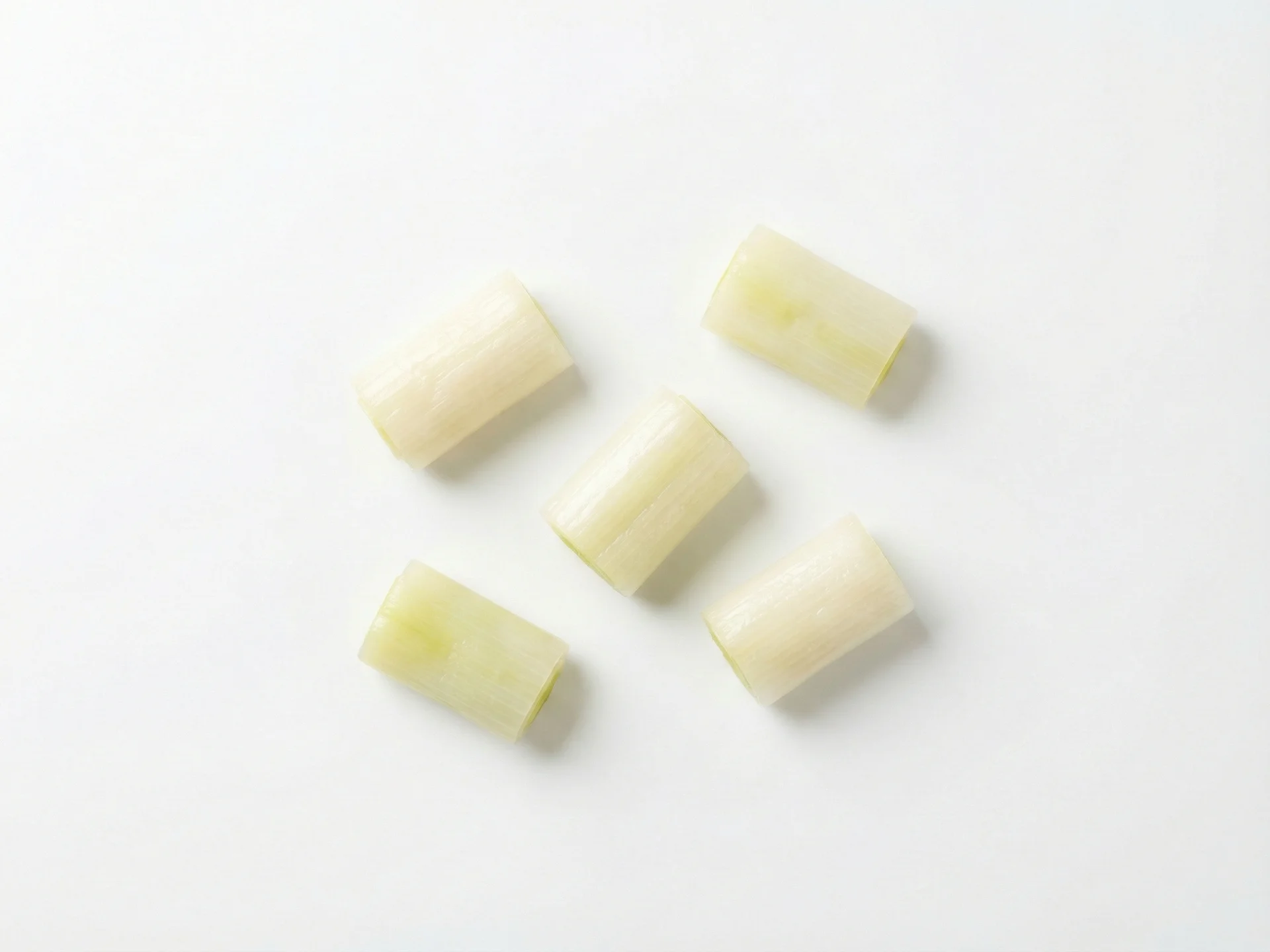
For babies 9 months and up, you can offer leeks in smaller, bite-sized pieces as their pincer grasp develops. Continue to cook leeks until soft, and consider incorporating them into mixed dishes like soups, stews, or omelets for variety.
9 months +

For babies 9 months and up, you can offer leeks in smaller, bite-sized pieces as their pincer grasp develops. Continue to cook leeks until soft, and consider incorporating them into mixed dishes like soups, stews, or omelets for variety.

  • Chop cooked leeks into small, pea-sized pieces for babies to practice picking up with fingers.
  • Add leeks to soft foods like mashed potatoes, scrambled eggs, or rice dishes.
  • Use leeks as a flavor base in homemade baby food purees or soups.
  • Offer leeks alongside other vegetables to encourage exploration of different textures.
  • Monitor your baby closely as they transition to smaller pieces to ensure safe chewing.

Safety & allergens

Choking risk: Low

Leeks have a low choking risk when prepared properly. Always cook leeks until very soft and tender—never serve them raw to babies. For younger babies, puree them completely; for older babies, mash well or cut cooked leeks into tiny, soft pieces.

Not a common allergen

Leek is not a top allergen. As with any new food, offer it on its own and watch for any reaction.

Vitamins & minerals

Leeks provide important nutrients for your growing baby. They contain vitamin C, which helps boost the immune system and enhances iron absorption[1][3]. The vitamin K in leeks supports healthy blood clotting[2], while the folate (vitamin B9) is essential for cell growth and development[4]. Leeks also offer potassium for maintaining healthy fluid balance[5].

Vitamins
Vitamin VITAMIN AVitamin VITAMIN CVitamin VITAMIN KVitamin VITAMIN B6Vitamin VITAMIN B9
Minerals
IronCalciumPotassiumManganese