FoodsVegetableGarlic
Garlic

Vegetable

Garlic

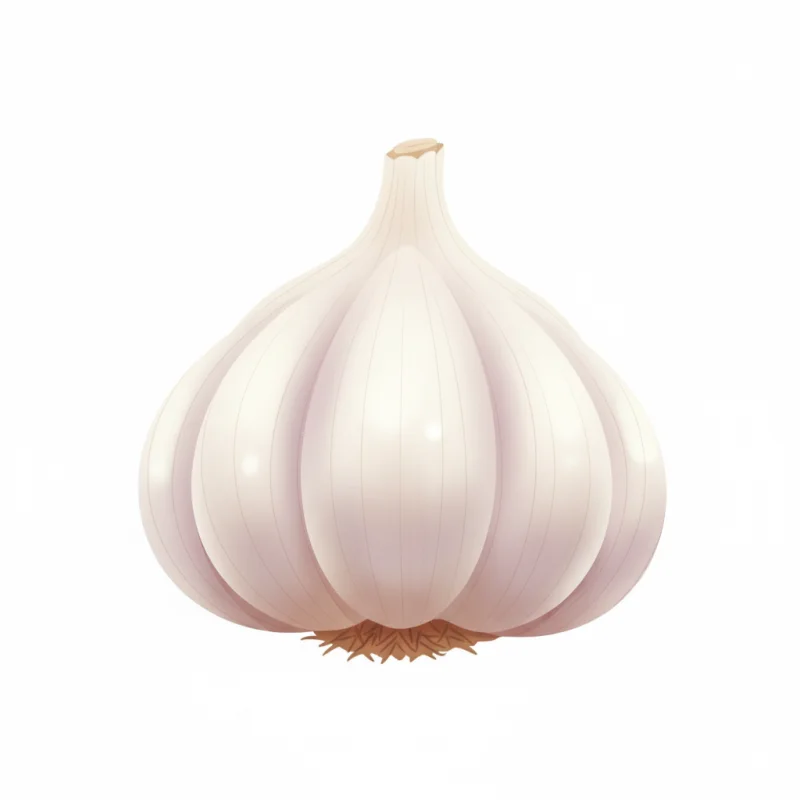
Garlic adds wonderful flavor to baby foods and offers some nutritional benefits. It contains antioxidants that support immune health[1] and has a unique savory taste that can help babies develop a diverse palate. When cooked, garlic becomes mild and creamy, making it a great addition to purees and soft foods.

6m+Not a common allergenChoking risk: Low
First age6m+
CategoryVegetable
Common allergenNo
Choking riskLow

When can babies eat Garlic?

You can introduce small amounts of cooked garlic around 6 months when starting solids. Start with just a tiny bit mixed into other foods to see how your baby tolerates the flavor.

How to serve Garlic by age

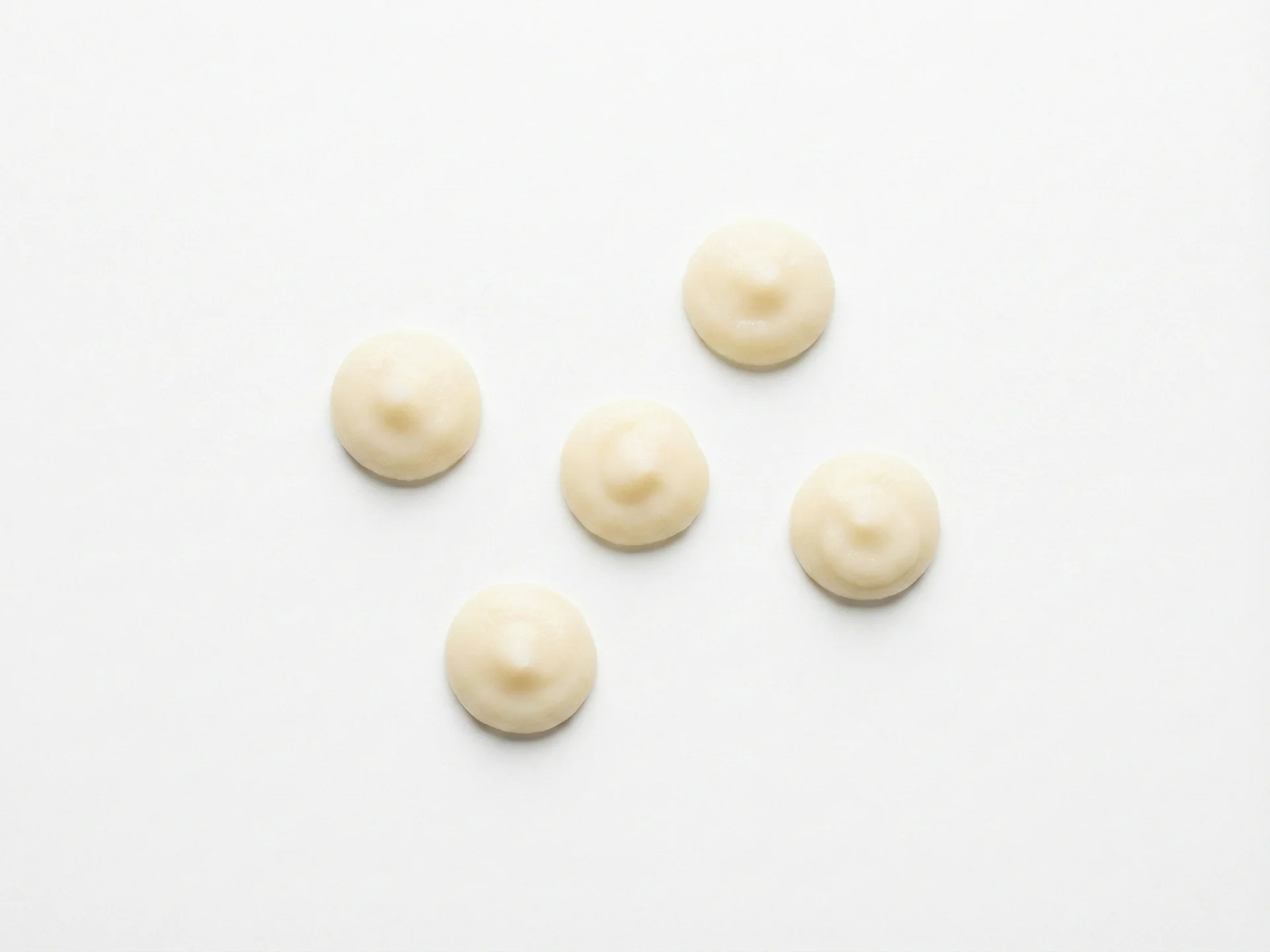
For babies 8-12 months, cook garlic until very soft and either mash it into a puree or finely mince it to mix into other foods like mashed vegetables, grains, or soft meats. This ensures it's easy to swallow and digest while introducing the flavor gradually.
8 to 12 months

For babies 8-12 months, cook garlic until very soft and either mash it into a puree or finely mince it to mix into other foods like mashed vegetables, grains, or soft meats. This ensures it's easy to swallow and digest while introducing the flavor gradually.

  • Roast whole garlic cloves until soft and creamy, then mash into potatoes or other vegetables
  • Sauté minced garlic in a small amount of olive oil until fragrant and soft, then mix into cooked grains
  • Add a tiny amount of garlic powder to homemade baby food for subtle flavor
  • Combine mashed garlic with avocado or yogurt for a creamy, mild introduction
  • Avoid using raw garlic; always cook thoroughly to soften
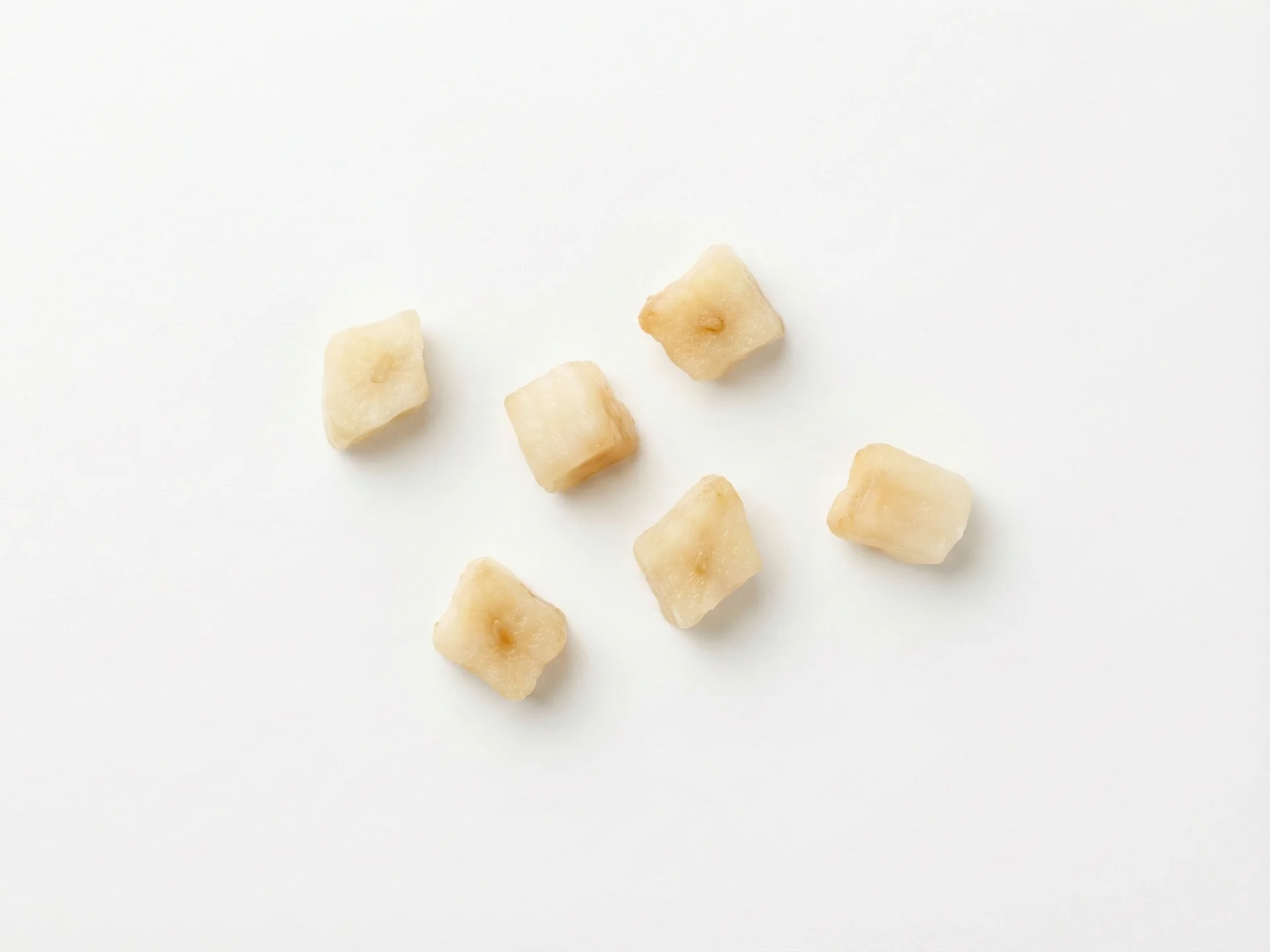
For toddlers 12 months and up, you can use garlic more liberally in family meals. Continue to cook it until soft, and you can offer slightly larger pieces if they're well-cooked and your child has good chewing skills. Garlic can be incorporated into sauces, soups, and main dishes.
12 months +

For toddlers 12 months and up, you can use garlic more liberally in family meals. Continue to cook it until soft, and you can offer slightly larger pieces if they're well-cooked and your child has good chewing skills. Garlic can be incorporated into sauces, soups, and main dishes.

  • Add minced garlic to tomato sauces, soups, or stir-fries that the whole family enjoys
  • Offer roasted garlic cloves as a spread on soft bread or crackers
  • Use garlic to season meats, fish, or legumes in toddler-friendly portions
  • Experiment with garlic in different cuisines to expand flavor exposure
  • Monitor for any preferences or aversions and adjust amounts accordingly

Safety & allergens

Choking risk: Low

Garlic presents minimal choking risk when properly prepared. Always cook garlic until soft and mash or puree it thoroughly for younger babies. For older babies, ensure any garlic pieces are finely minced and mixed into foods rather than served alone.

Not a common allergen

Garlic is not a top allergen. As with any new food, offer it on its own and watch for any reaction.

Vitamins & minerals

Garlic contains vitamin C which supports immune function[2], vitamin B6 for brain development[3], and manganese for bone health[4]. It also provides small amounts of iron and calcium, though these are better obtained from other foods in larger quantities. The antioxidants in garlic may offer additional health benefits[1].

Vitamins
Vitamin VITAMIN CVitamin VITAMIN B6Vitamin VITAMIN B1
Minerals
ManganeseSeleniumCalciumIron