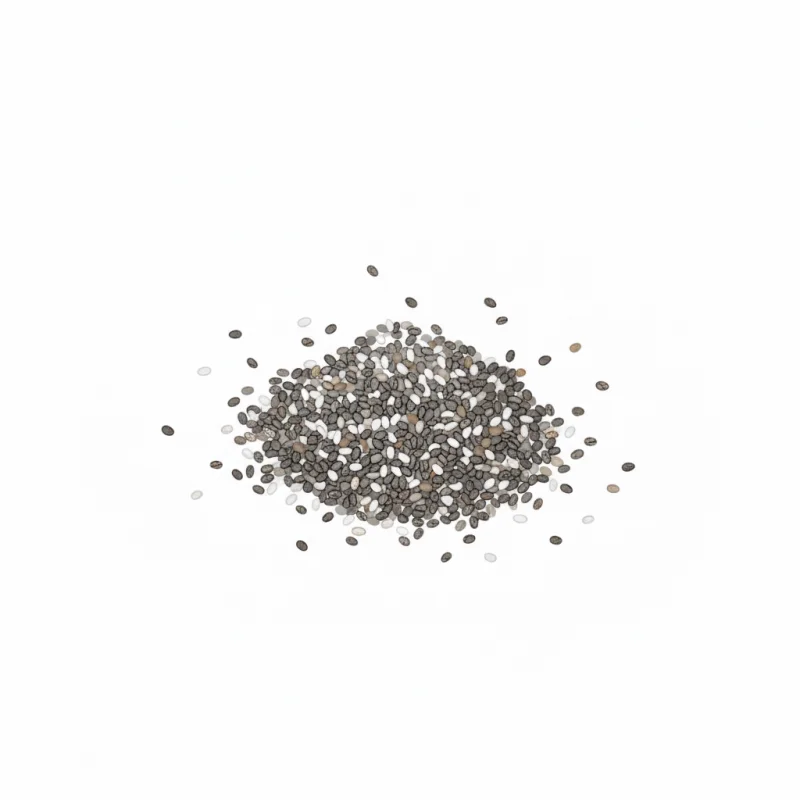
FoodsSeedChia Seeds
Chia Seeds

Seed

Chia Seeds

Chia seeds are tiny nutritional powerhouses that can be a wonderful addition to your baby's diet. They're packed with fiber to support healthy digestion[1] and contain omega-3 fatty acids that are important for brain development[2]. When soaked, they develop a soft, gel-like texture that most babies find easy to eat.

6m+Common allergenChoking risk: High
First age6m+
CategorySeed
Common allergenYes
Choking riskHigh

When can babies eat Chia Seeds?

You can introduce chia seeds around 6 months when starting solids, but always serve them soaked or ground to prevent choking.

How to serve Chia Seeds by age

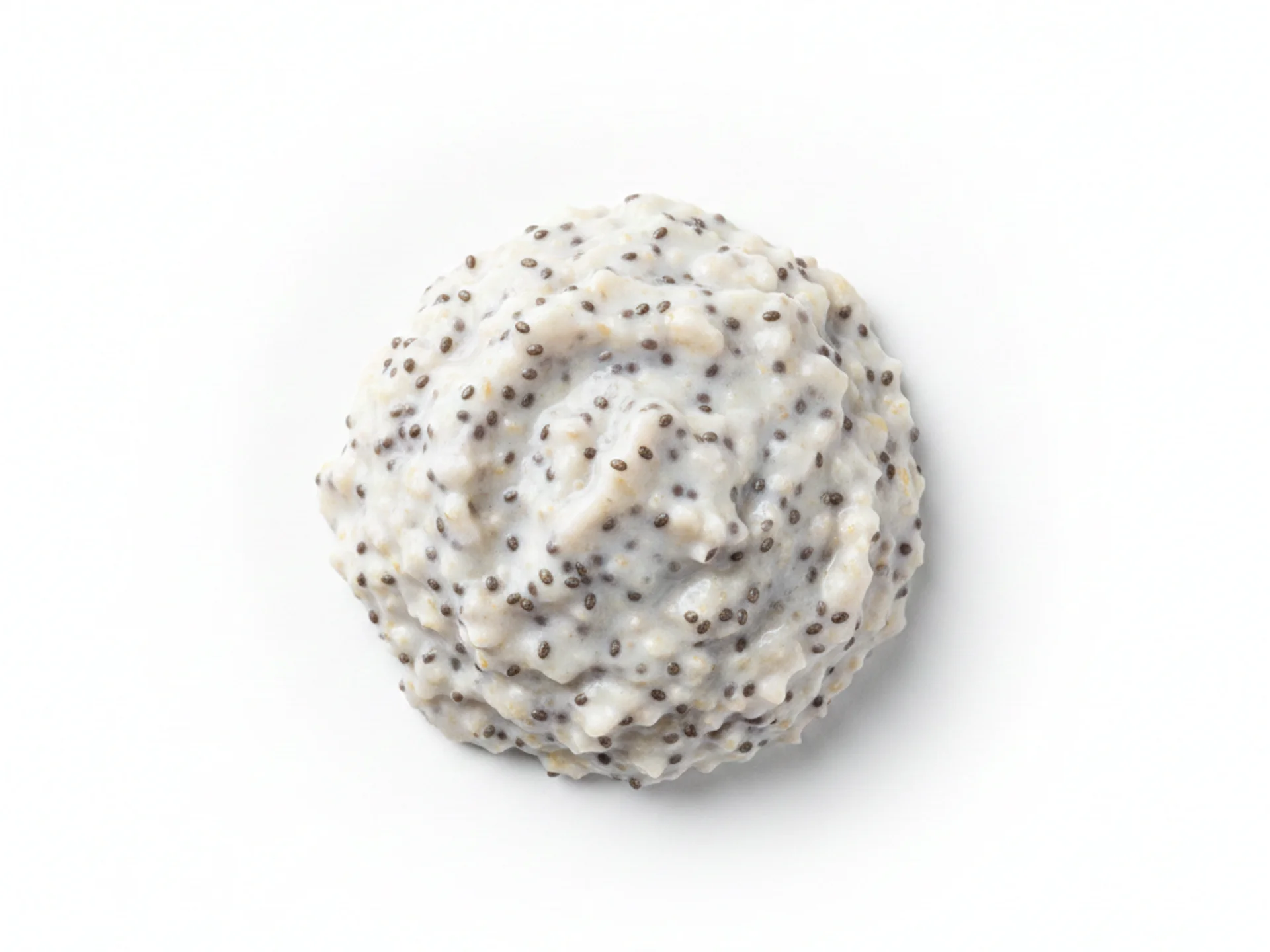
For babies 8-12 months, soak chia seeds in water, breast milk, or formula for at least 10 minutes until they form a thick gel. Mix a small amount (about 1 teaspoon) into soft foods like oatmeal, yogurt, or mashed fruits to create a smooth, lump-free texture that's easy to swallow.
8 to 12 months

For babies 8-12 months, soak chia seeds in water, breast milk, or formula for at least 10 minutes until they form a thick gel. Mix a small amount (about 1 teaspoon) into soft foods like oatmeal, yogurt, or mashed fruits to create a smooth, lump-free texture that's easy to swallow.

  • Use a 1:4 ratio of chia seeds to liquid for a gel consistency.
  • Stir well to prevent clumps that could be challenging for young babies.
  • Combine with familiar flavors like banana or avocado to ease acceptance.
  • Start with tiny portions to check for allergies or digestive issues.
  • Avoid adding sweeteners; rely on natural fruit sweetness instead.
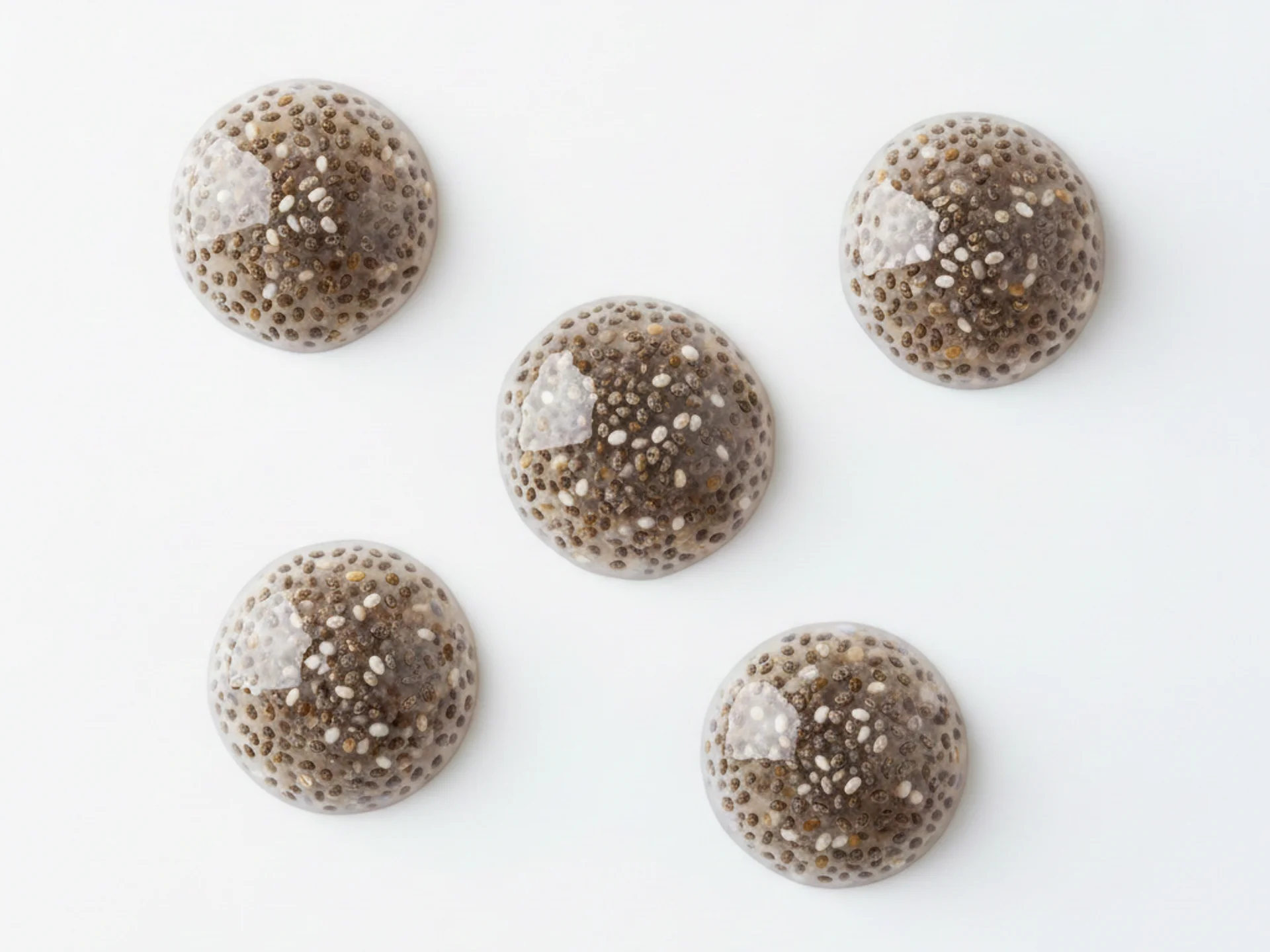
For toddlers 12 months and up, you can use chia gel in a variety of ways, such as in smoothies, puddings, or as an egg substitute in baking. The gel can be slightly thicker, and you can incorporate whole seeds into baked goods where they'll be softened during cooking.
12 months +

For toddlers 12 months and up, you can use chia gel in a variety of ways, such as in smoothies, puddings, or as an egg substitute in baking. The gel can be slightly thicker, and you can incorporate whole seeds into baked goods where they'll be softened during cooking.

  • Make chia pudding by mixing gel with pureed fruits for a healthy snack.
  • Add chia seeds to homemade muffins or pancakes for extra nutrition.
  • Encourage self-feeding by offering chia gel on spoons or in finger foods.
  • Monitor portion sizes to avoid excessive fiber intake.
  • Experiment with flavors like cinnamon or vanilla to keep meals interesting.

Safety & allergens

Choking risk: High

Dry chia seeds are a serious choking hazard because they can expand and form a gel in the throat. Always soak chia seeds in liquid (like breast milk, formula, or water) for at least 10-15 minutes until they form a soft gel before serving to babies. You can also grind them into a fine powder and mix into other foods.

Common allergen

Chia seed allergies are uncommon but possible, with prevalence estimated at less than 1% in the general population[3]. However, they're considered an emerging allergen, so caution is recommended.

Vitamins & minerals

Chia seeds are rich in fiber, which helps prevent constipation and supports healthy digestion in babies[1]. They're also an excellent plant-based source of omega-3 fatty acids, particularly alpha-linolenic acid (ALA), which supports brain and eye development[2]. The calcium and magnesium content contributes to strong bone development[5].

Vitamins
Vitamin VITAMIN B1Vitamin VITAMIN B2Vitamin VITAMIN B3Vitamin VITAMIN B9
Minerals
CalciumIronMagnesiumPhosphorusZincCopperManganeseSelenium