FoodsVegetableCelery
Celery

Vegetable

Celery

Celery is a crunchy, hydrating vegetable that can be a fun introduction to new textures for your baby. It's naturally low in calories but packed with important nutrients like vitamin K for healthy blood clotting[1] and vitamin C to support your baby's immune system[2]. The mild, slightly earthy flavor makes it a versatile addition to many baby food combinations.

6m+Common allergenChoking risk: High
First age6m+
CategoryVegetable
Common allergenYes
Choking riskHigh

When can babies eat Celery?

You can introduce celery around 6 months when your baby starts solids, as long as it's prepared safely to minimize choking risk. It's often introduced after sweeter vegetables like carrots or sweet potatoes.

How to serve Celery by age

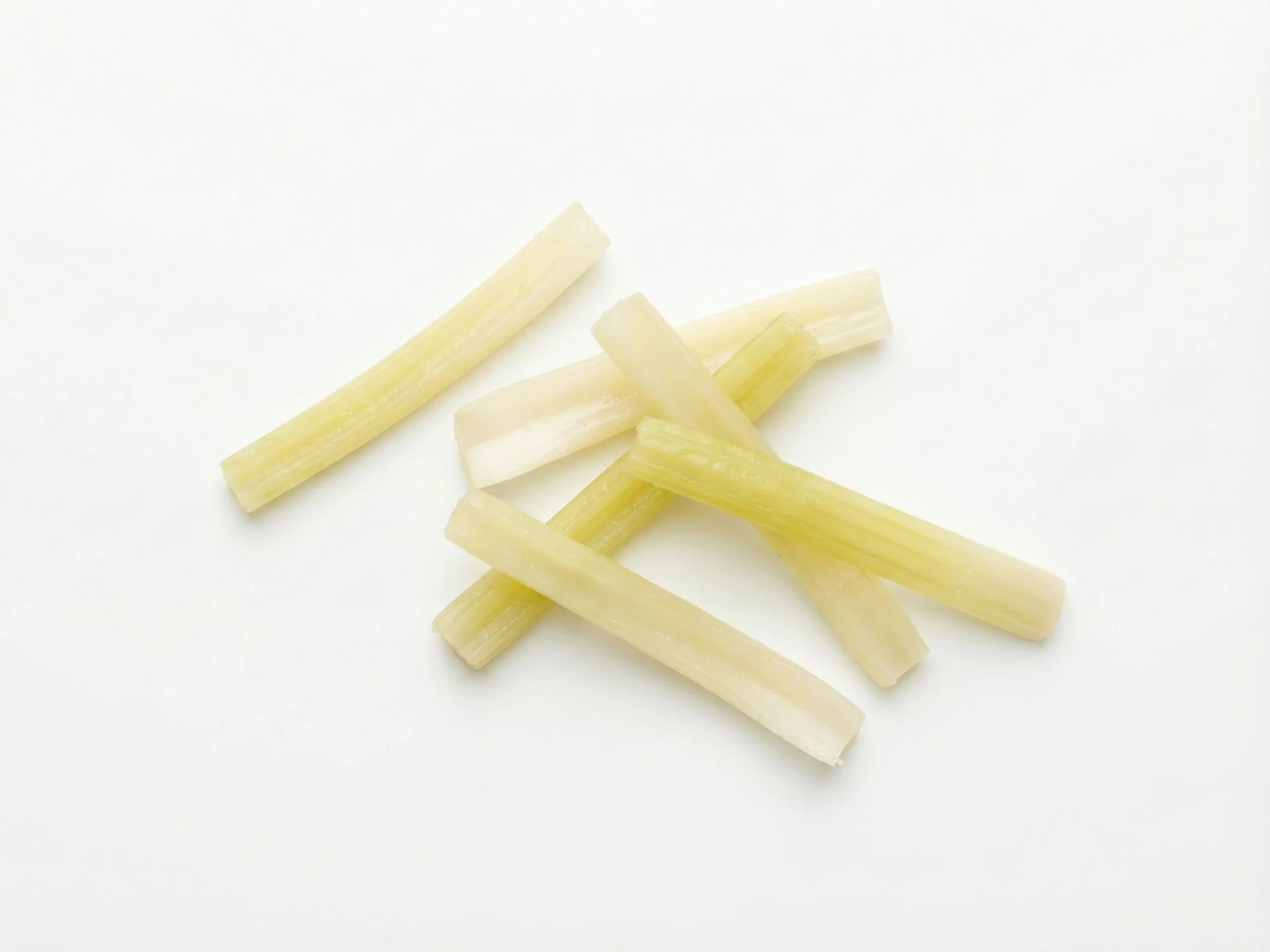
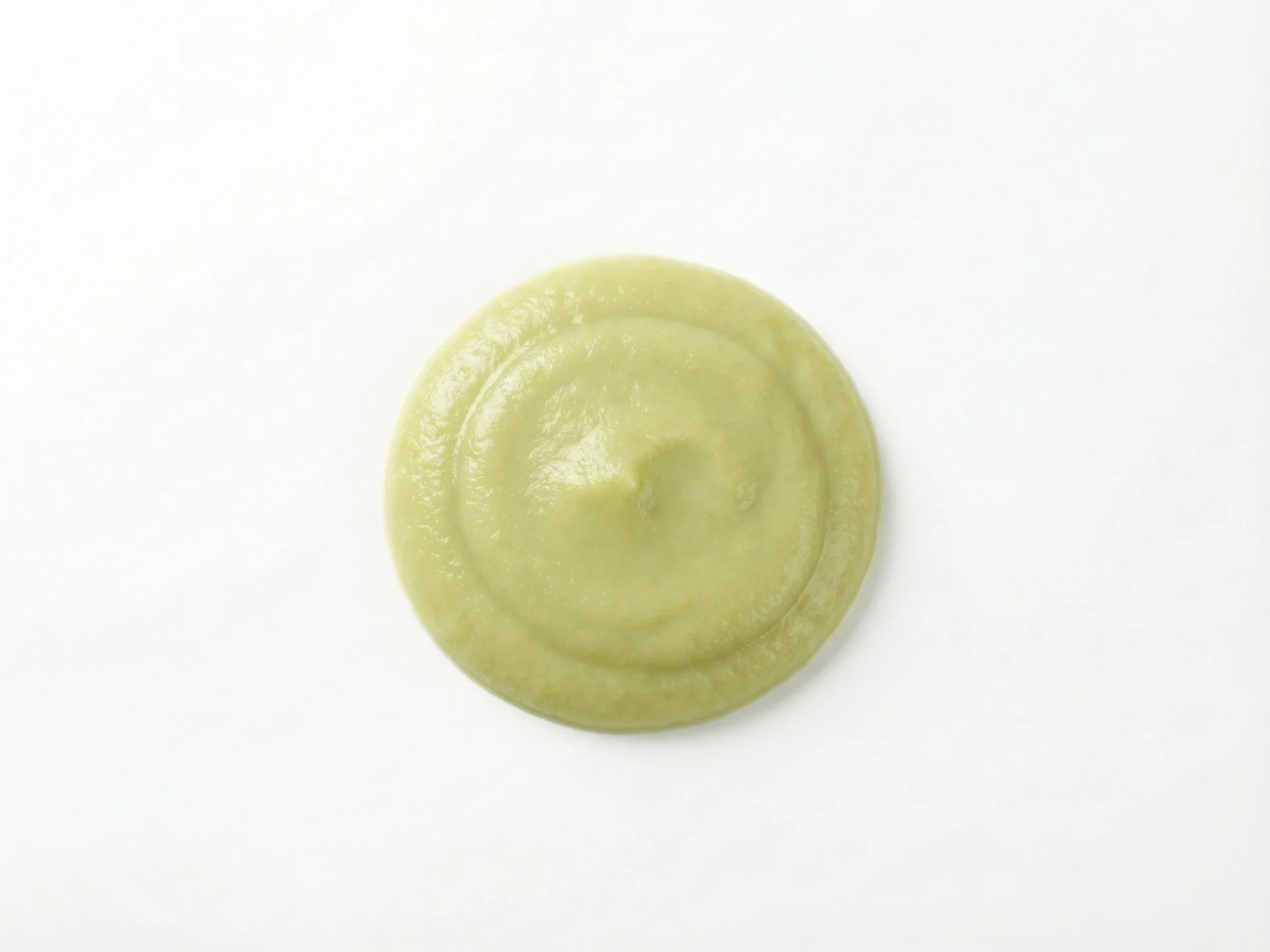
For babies 6-9 months, cook celery until very soft and mash or puree it to a smooth consistency. You can mix it with other vegetables or fruits to create interesting flavor combinations. Always ensure there are no stringy fibers remaining that could pose a choking hazard.
6 to 9 months

For babies 6-9 months, cook celery until very soft and mash or puree it to a smooth consistency. You can mix it with other vegetables or fruits to create interesting flavor combinations. Always ensure there are no stringy fibers remaining that could pose a choking hazard.

  • Steam or boil celery until fork-tender (about 15-20 minutes)
  • Remove all strings before cooking
  • Mash thoroughly with a fork or blend into a smooth puree
  • Mix with breast milk, formula, or other purees for added nutrition
  • Start with small amounts to check for tolerance
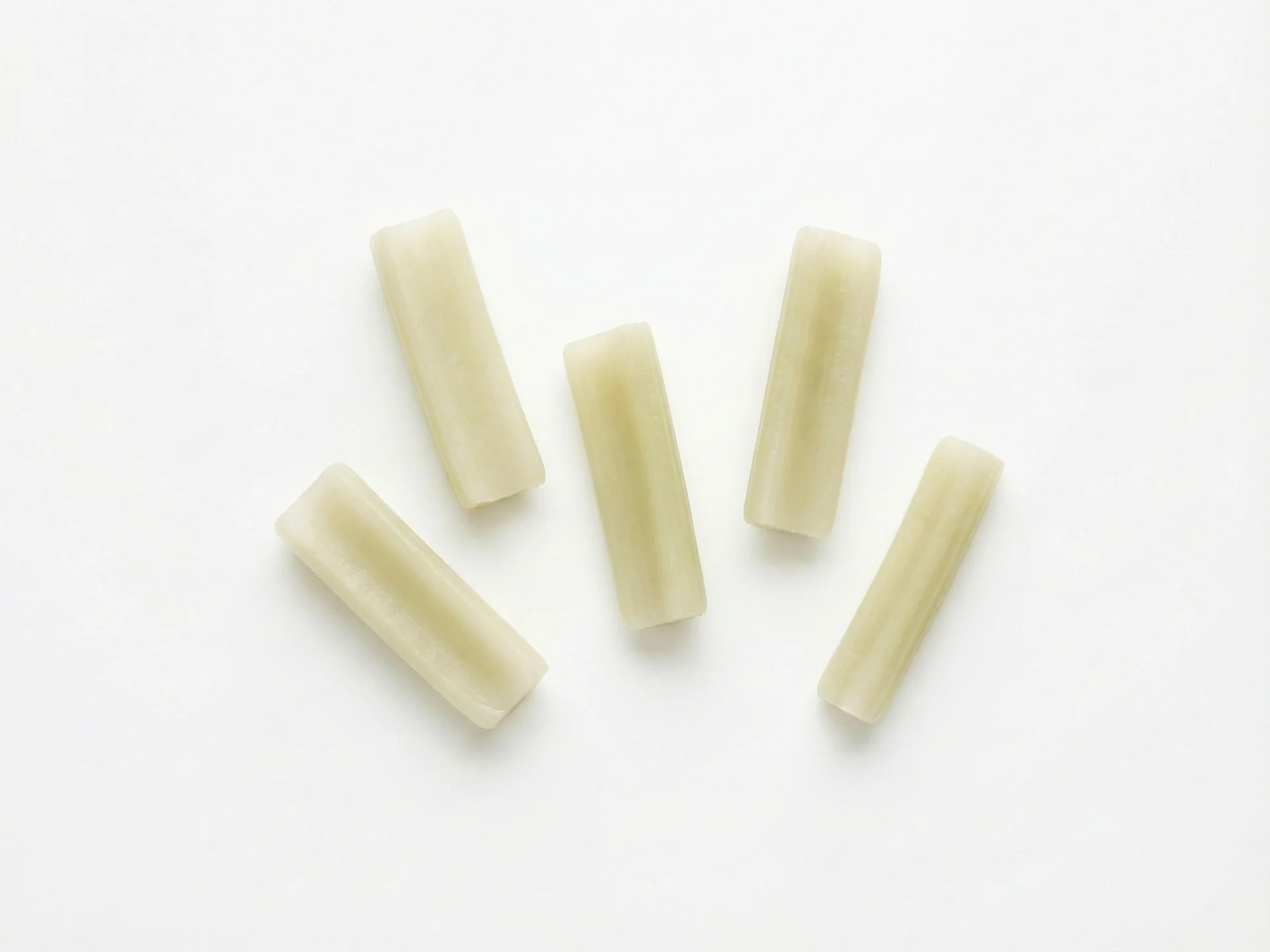
For babies 9-12 months, you can offer well-cooked celery in small, soft pieces. Cook until very tender, remove all strings, and cut into pieces about the size of your baby's thumb. The pieces should be soft enough to mash easily between your fingers.
9 to 12 months

For babies 9-12 months, you can offer well-cooked celery in small, soft pieces. Cook until very tender, remove all strings, and cut into pieces about the size of your baby's thumb. The pieces should be soft enough to mash easily between your fingers.

  • Cook celery until very soft (about 20-25 minutes)
  • Cut into thumb-sized pieces after cooking
  • Ensure pieces are soft enough to mash between fingers
  • Serve alongside other finger foods for variety
  • Supervise closely during eating
For toddlers 12 months and up, you can offer very thin strips of cooked celery with strings removed. Raw celery should still be avoided until at least 3-4 years old due to choking risk. Continue to cook until soft and cut into appropriate sizes for your child's chewing ability.
12 months +

For toddlers 12 months and up, you can offer very thin strips of cooked celery with strings removed. Raw celery should still be avoided until at least 3-4 years old due to choking risk. Continue to cook until soft and cut into appropriate sizes for your child's chewing ability.

  • Cook celery until tender but still slightly firm
  • Cut into thin strips (about 1/4 inch wide)
  • Remove all strings before serving
  • Pair with dips like hummus or yogurt for added nutrition
  • Always supervise while eating and teach chewing thoroughly

Safety & allergens

Choking risk: High

Celery presents a high choking risk due to its stringy, fibrous texture and firm shape. Always remove the tough strings by peeling the outer layer with a vegetable peeler before preparing. For babies under 12 months, cook until very soft and either puree completely or mash thoroughly to eliminate any firm pieces.

Common allergen

Introduce on its own and watch closely for any signs of a reaction.

Vitamins & minerals

Celery provides vitamin K, which is essential for proper blood clotting and bone health in growing babies[1]. It also contains vitamin C that helps support immune function and enhances iron absorption from other foods[2]. The potassium in celery contributes to healthy fluid balance and nerve function[3], while the fiber can support regular digestion.

Vitamins
Vitamin VITAMIN AVitamin VITAMIN CVitamin VITAMIN KVitamin VITAMIN B9
Minerals
PotassiumCalciumMagnesiumSodium