FoodsDairyButter
Butter

Dairy

Butter

Butter is a creamy, delicious dairy product that can add flavor and healthy fats to your baby's meals. It's a good source of fat-soluble vitamins like Vitamin A, which supports healthy vision and immune function[1], and Vitamin D, which helps with calcium absorption for strong bones[2]. The smooth texture and rich taste make it an easy addition to many baby foods.

6m+Common allergenChoking risk: Low
First age6m+
CategoryDairy
Common allergenYes
Choking riskLow

When can babies eat Butter?

Butter can be introduced around 6 months when starting solids, but it's important to introduce it carefully due to its dairy content. Start with a tiny amount mixed into other foods.

How to serve Butter by age

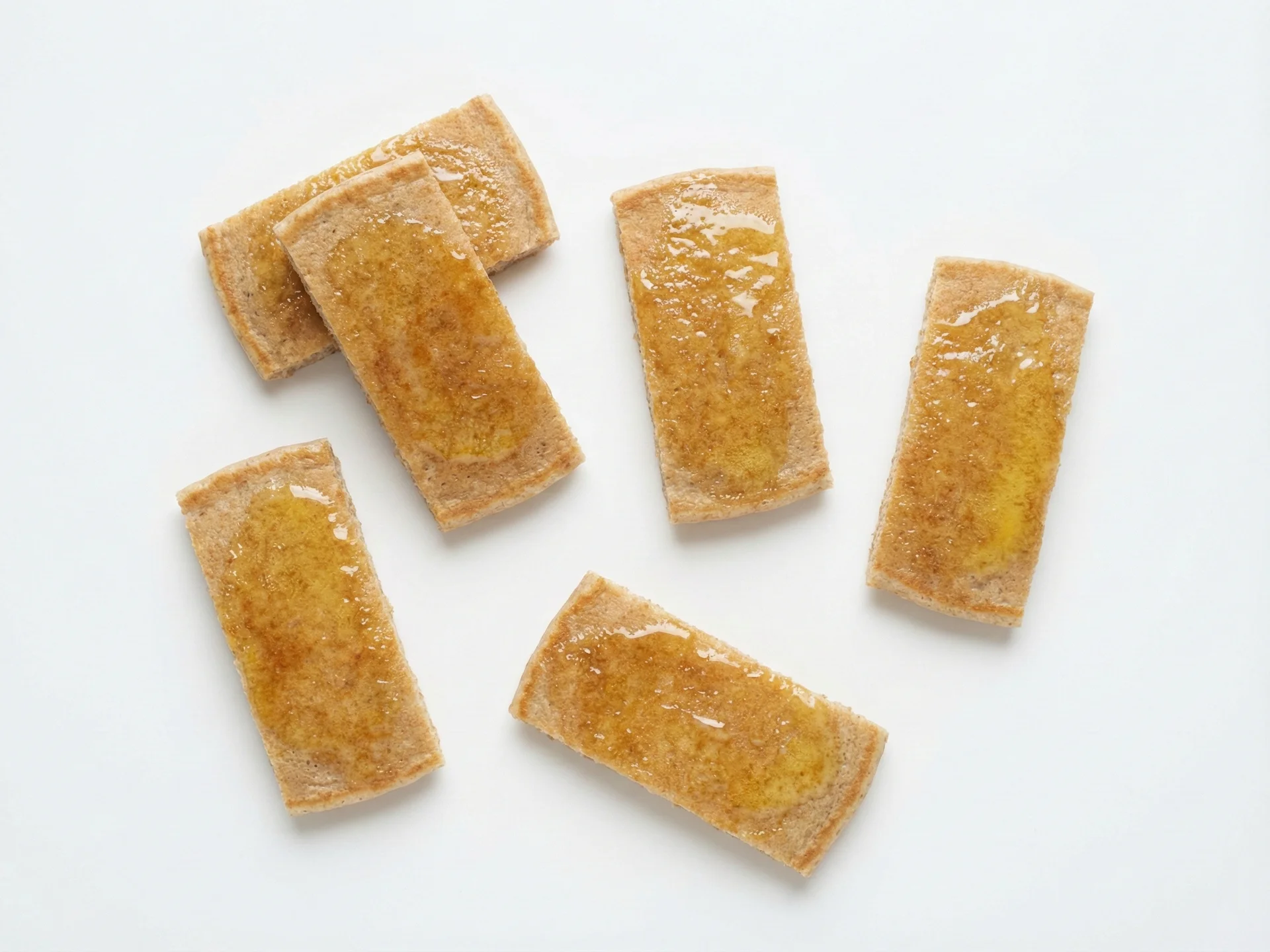
For babies 6-12 months, spread a very thin layer of softened, unsalted butter on toast strips, steamed vegetables, or whole-grain pancakes. You can also mix a small amount into mashed foods like potatoes or oatmeal to add flavor and healthy fats.
6 to 12 months

For babies 6-12 months, spread a very thin layer of softened, unsalted butter on toast strips, steamed vegetables, or whole-grain pancakes. You can also mix a small amount into mashed foods like potatoes or oatmeal to add flavor and healthy fats.

  • Use unsalted butter to limit sodium intake
  • Spread butter thinly to avoid large globs that could cause gagging
  • Combine with iron-rich foods to boost absorption
  • Offer at room temperature for easier spreading and eating
  • Monitor for allergic reactions after first introduction
For toddlers 12 months and up, you can use butter more liberally in cooking, such as in scrambled eggs, on cooked grains, or as a topping for steamed veggies. Still prioritize unsalted varieties and use it in moderation as part of a varied diet.
12 months +

For toddlers 12 months and up, you can use butter more liberally in cooking, such as in scrambled eggs, on cooked grains, or as a topping for steamed veggies. Still prioritize unsalted varieties and use it in moderation as part of a varied diet.

  • Incorporate butter into family meals like mashed potatoes or pasta
  • Continue to choose unsalted butter when possible
  • Use butter to sauté vegetables for added flavor and nutrients
  • Balance with other healthy fats like avocado or olive oil
  • Watch portion sizes to avoid excessive calorie intake

Safety & allergens

Choking risk: Low

Butter has a very low choking risk because it's soft and melts easily in the mouth. However, always serve it in small amounts mixed with other foods rather than as a solid chunk to ensure it's easy for your baby to swallow safely.

Common allergen

Cow's milk allergy affects about 2-3% of infants and young children[3].

Vitamins & minerals

Butter provides Vitamin A for healthy vision and immune support[1], and Vitamin D which helps your baby's body absorb calcium for bone development[2]. The fats in butter are important for brain development and energy[5]. It also contains small amounts of calcium and phosphorus for strong teeth and bones.

Vitamins
Vitamin VITAMIN AVitamin VITAMIN DVitamin VITAMIN EVitamin VITAMIN K
Minerals
CalciumPhosphorusSodium