FoodsGrainBuckwheat
Buckwheat

Grain

Buckwheat

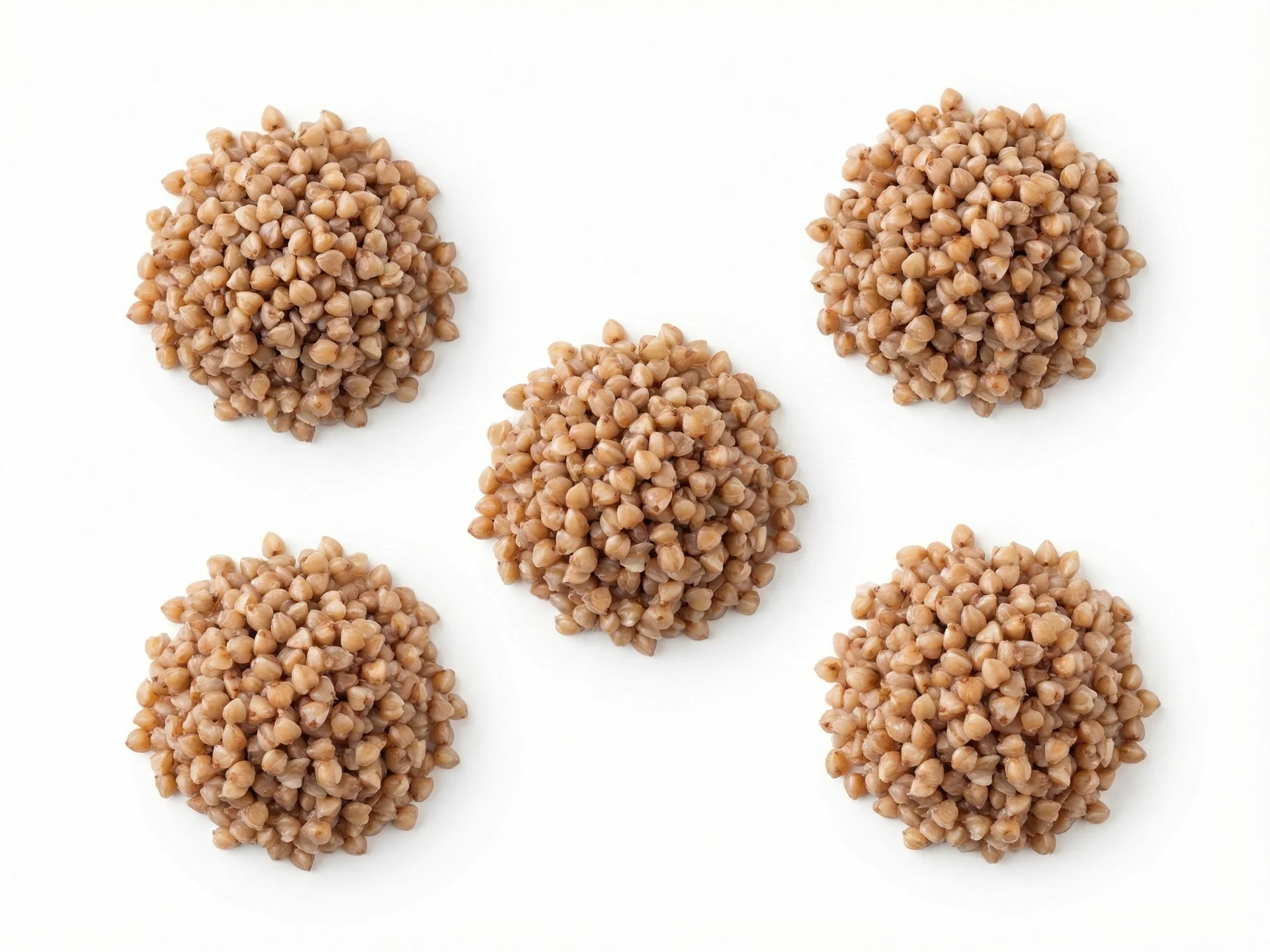
Buckwheat is a nutritious, gluten-free grain that's perfect for introducing to your baby around 6 months. It has a mild, nutty flavor and soft texture that many babies enjoy, plus it's packed with B vitamins that help support your baby's energy metabolism and nervous system development.[1] The iron content is particularly valuable for preventing anemia as your baby grows.[2]

6m+Common allergenChoking risk: Low
First age6m+
CategoryGrain
Common allergenYes
Choking riskLow

When can babies eat Buckwheat?

You can introduce buckwheat around 6 months when your baby shows readiness for solids, just like other single-ingredient grains. It's a great alternative to rice or oatmeal for variety.

How to serve Buckwheat by age

For babies 6-9 months, cook buckwheat groats until very soft and mushy, similar to a thick porridge. Mash it well with a fork or blend lightly to create a smooth, lump-free texture that's easy for your baby to gum. Serve in small, manageable spoonfuls or let them explore with their hands.
6 to 9 months

For babies 6-9 months, cook buckwheat groats until very soft and mushy, similar to a thick porridge. Mash it well with a fork or blend lightly to create a smooth, lump-free texture that's easy for your baby to gum. Serve in small, manageable spoonfuls or let them explore with their hands.

  • Rinse buckwheat before cooking to remove any bitterness.
  • Use a 1:2 ratio of buckwheat to water for a soft consistency.
  • Mix with breast milk, formula, or pureed fruits for added nutrition and flavor.
  • Always test the temperature before serving to avoid burns.
  • Offer on a highchair tray to encourage self-feeding.
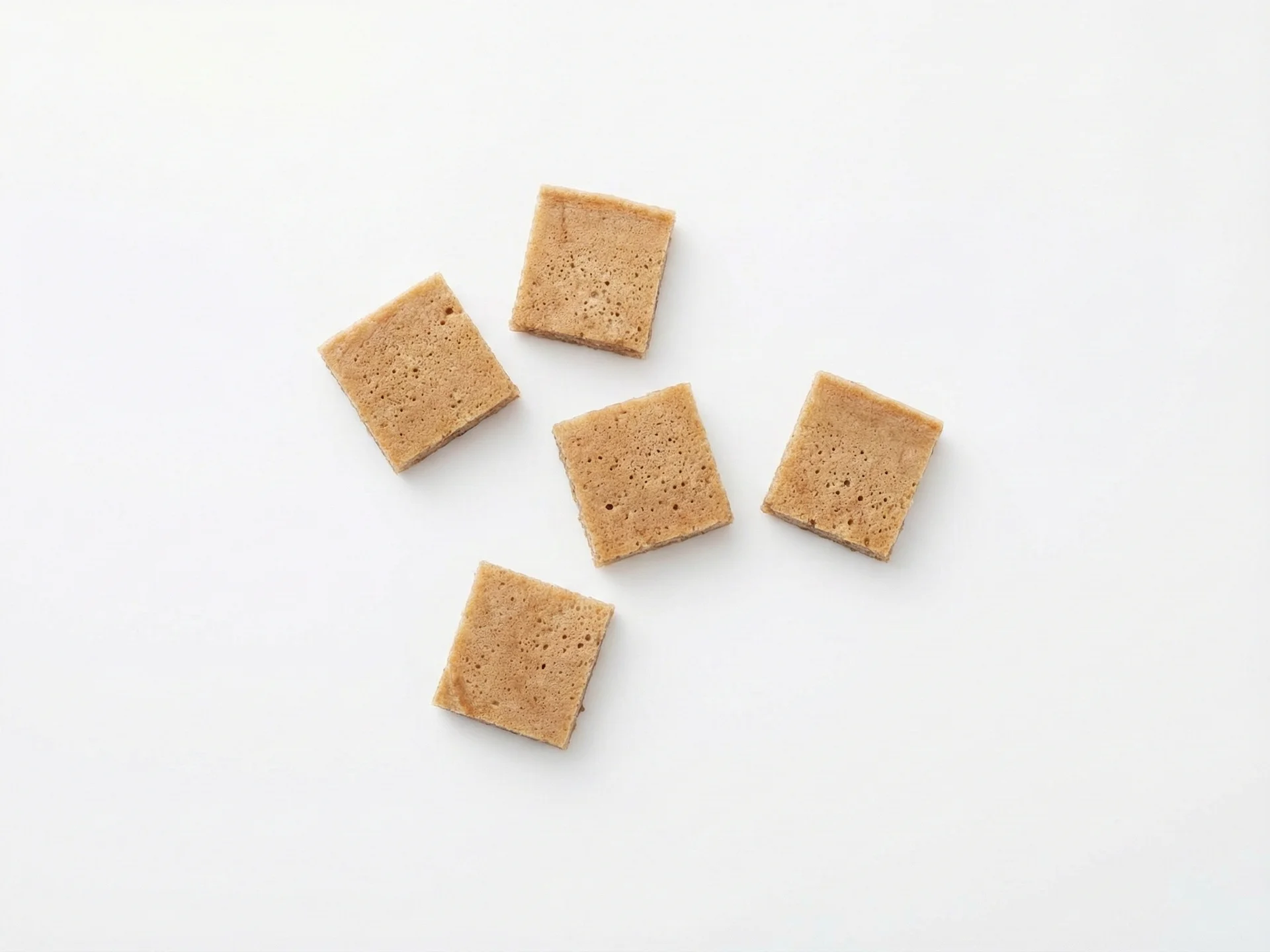
For babies 9-12 months, you can offer buckwheat with more texture, such as slightly firmer cooked groats or soft buckwheat pancakes. Cut pancakes into finger-sized strips or small, bite-sized pieces to support developing pincer grasp. This helps build chewing skills and independence.
9 to 12 months

For babies 9-12 months, you can offer buckwheat with more texture, such as slightly firmer cooked groats or soft buckwheat pancakes. Cut pancakes into finger-sized strips or small, bite-sized pieces to support developing pincer grasp. This helps build chewing skills and independence.

  • Cook buckwheat until tender but not mushy to encourage chewing.
  • Make buckwheat pancakes with minimal added sugar or salt.
  • Combine with soft vegetables like mashed sweet potato for variety.
  • Supervise closely as they practice picking up smaller pieces.
  • Introduce buckwheat in different forms, like mixed into yogurt or soups.
For toddlers 12 months and up, buckwheat can be served in more diverse ways, such as in salads, as a side dish, or in baked goods. Encourage self-feeding with utensils and offer it alongside other family foods to promote healthy eating habits. Ensure pieces are still soft and easy to chew.
12 months +

For toddlers 12 months and up, buckwheat can be served in more diverse ways, such as in salads, as a side dish, or in baked goods. Encourage self-feeding with utensils and offer it alongside other family foods to promote healthy eating habits. Ensure pieces are still soft and easy to chew.

  • Use buckwheat as a base for grain bowls with cooked veggies and proteins.
  • Experiment with buckwheat noodles (soba) for older toddlers, ensuring they're well-cooked.
  • Incorporate into muffins or cookies using buckwheat flour for a nutritious snack.
  • Teach your child to chew thoroughly before swallowing.
  • Offer water with meals to aid digestion and prevent choking.

Safety & allergens

Choking risk: Low

Buckwheat is naturally soft when cooked, making it a low choking risk. For younger babies, make sure it's cooked until very tender and mashed or pureed to a smooth consistency. As your baby gets older, you can serve it as a thicker porridge or mixed into other foods.

Common allergen

Buckwheat allergy is uncommon but can occur, with some studies suggesting it affects less than 1% of children.[3]

Vitamins & minerals

Buckwheat provides a good source of plant-based iron, which is important for healthy blood development and preventing anemia in growing babies.[2] The B vitamins in buckwheat support your baby's energy production and nervous system function.[1] It also contains magnesium for bone health and zinc for immune support.[5]

Vitamins
Vitamin VITAMIN B1Vitamin VITAMIN B2Vitamin VITAMIN B3Vitamin VITAMIN B5Vitamin VITAMIN B6Vitamin VITAMIN B9
Minerals
IronMagnesiumManganesePhosphorusZincCopper