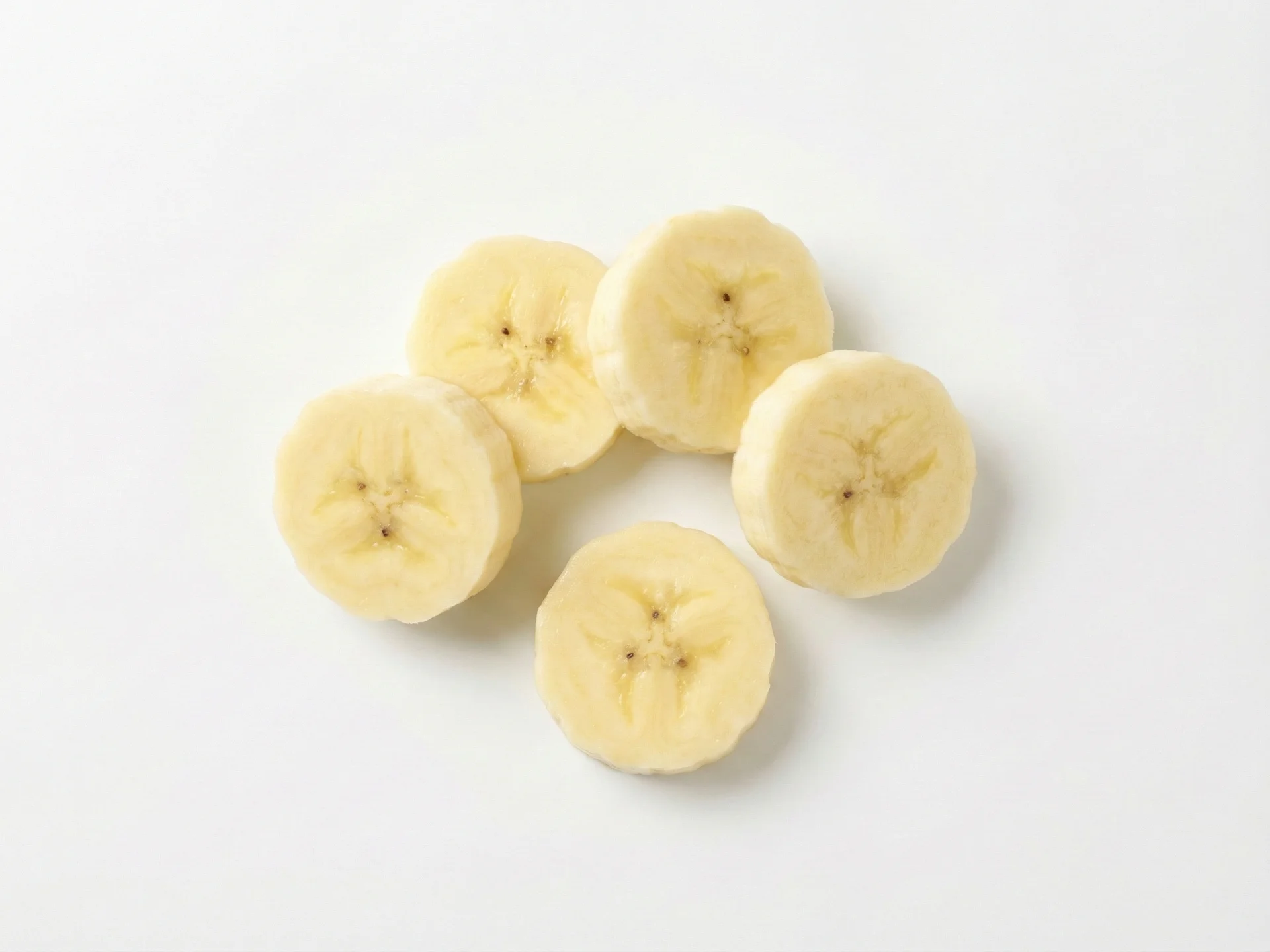
FoodsFruitBanana
Banana

Fruit

Banana

Banana is a fantastic first food for babies! It's naturally sweet, easy to digest, and has a soft, creamy texture that most babies love. It's packed with important nutrients like potassium, which supports healthy heart and muscle function, and vitamin B6, which is essential for brain development.[2][3]

6m+Not a common allergenChoking risk: Low
First age6m+
CategoryFruit
Common allergenNo
Choking riskLow

When can babies eat Banana?

Banana can be introduced around 6 months of age when your baby shows signs of readiness for solids, like sitting up with support and showing interest in your food.

How to serve Banana by age

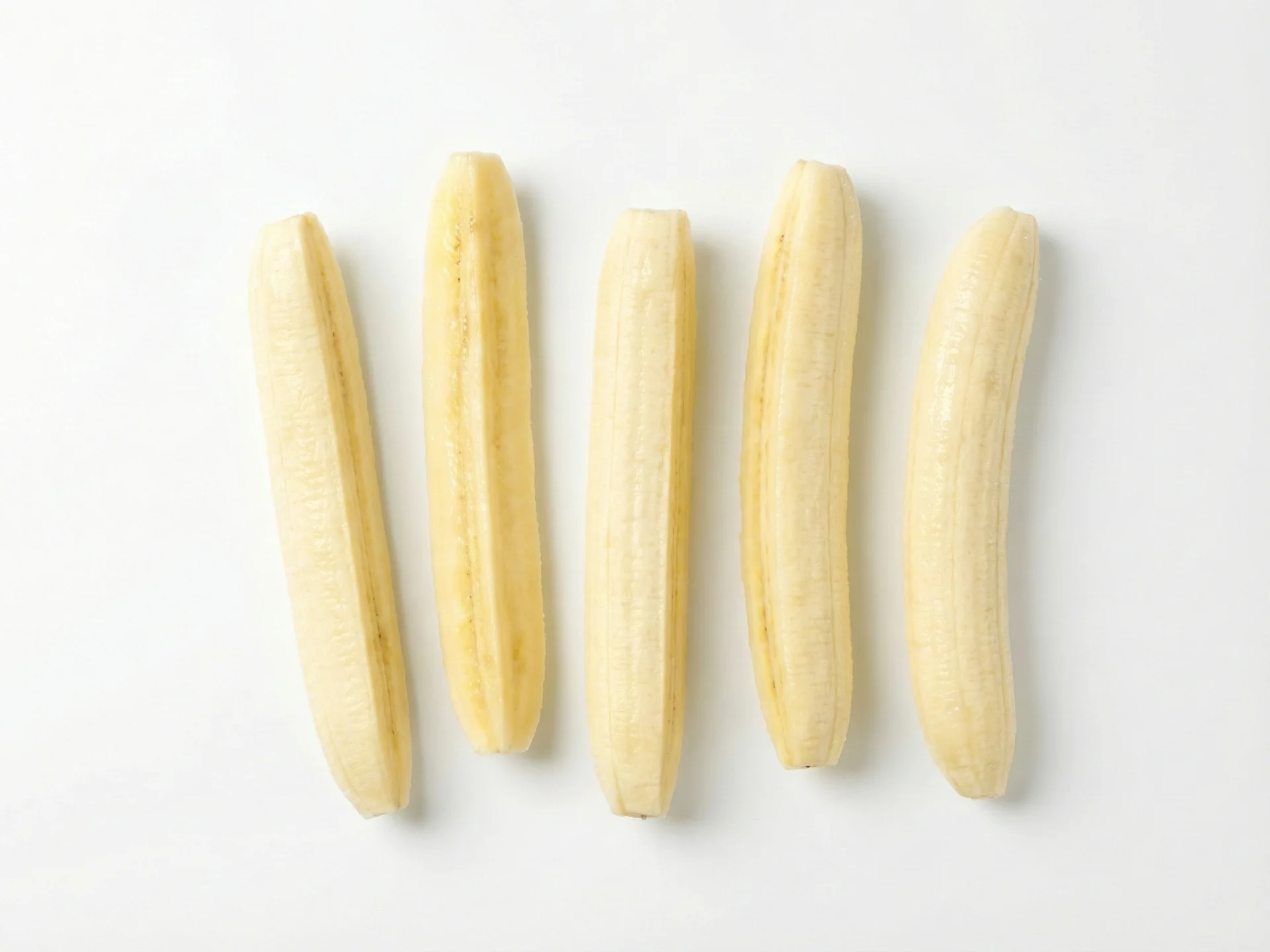
For beginners, peel a ripe banana and cut it into long, thick strips about the length of your finger. Leave some peel at the bottom for a non-slip grip. The soft flesh will easily mash against the roof of your baby's mouth.
6 to 8 months

For beginners, peel a ripe banana and cut it into long, thick strips about the length of your finger. Leave some peel at the bottom for a non-slip grip. The soft flesh will easily mash against the roof of your baby's mouth.

  • Choose bananas with brown spots for maximum softness
  • Roll strips in crushed baby cereal for better grip
  • Supervise closely as babies learn to manage the texture
  • Offer one strip at a time to prevent overstuffing
  • Wipe hands and face frequently as bananas can be sticky
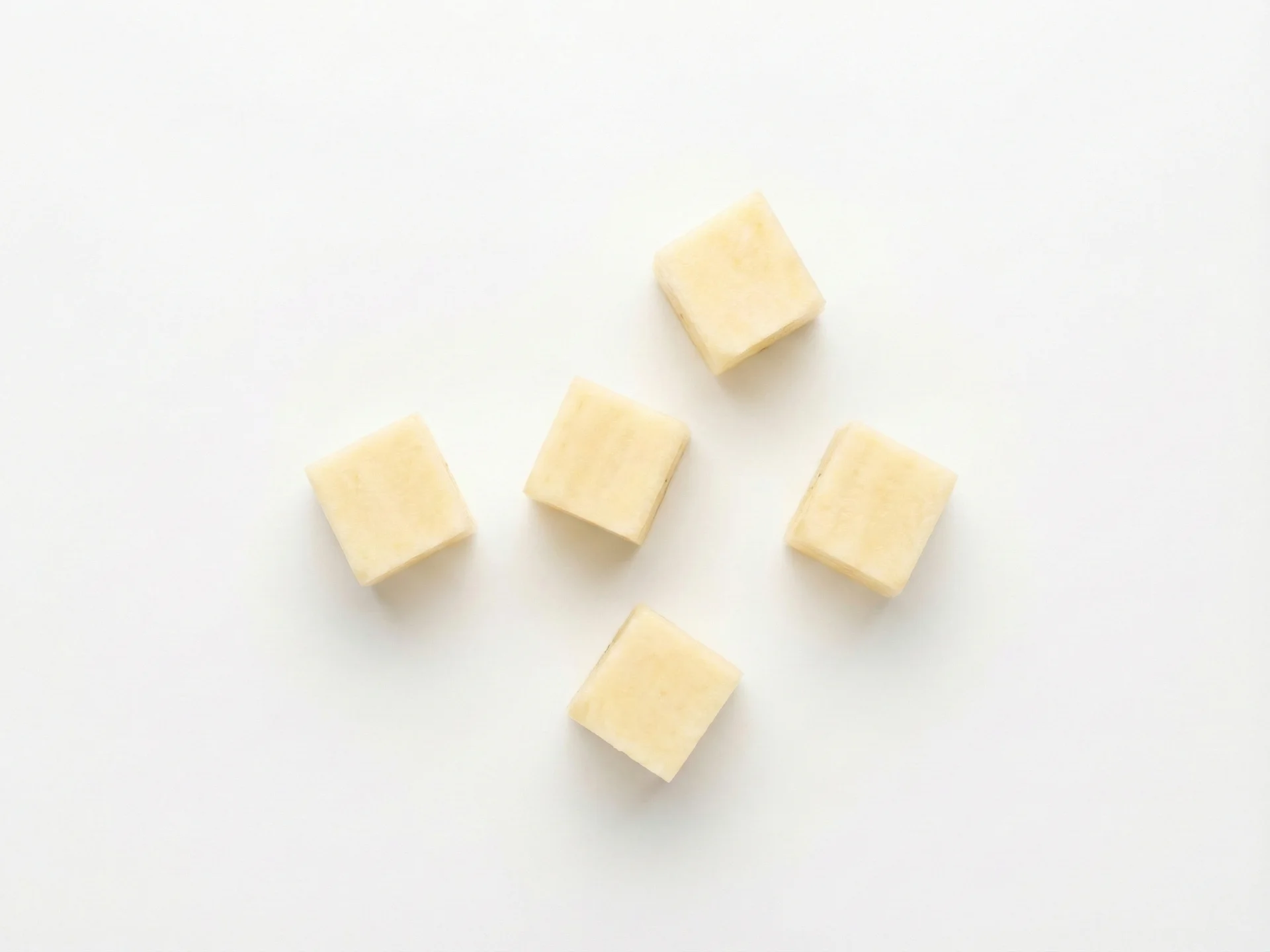
As your baby develops a pincer grasp, offer bite-sized pieces about the size of a pea. You can also spread mashed banana on toast strips or mix into oatmeal. The texture remains soft but can be handled with more precision.
9 to 12 months

As your baby develops a pincer grasp, offer bite-sized pieces about the size of a pea. You can also spread mashed banana on toast strips or mix into oatmeal. The texture remains soft but can be handled with more precision.

  • Mix mashed banana with yogurt or oatmeal for added nutrition
  • Use banana pieces to practice self-feeding with a spoon
  • Combine with other soft fruits like avocado or steamed apple
  • Offer frozen banana pieces as soothing teethers
  • Watch for signs of readiness for smaller pieces
Toddlers can enjoy whole bananas or slices with the peel partially removed for handling. Incorporate bananas into pancakes, muffins, or smoothies. They can also practice peeling bananas themselves with supervision.
12 months +

Toddlers can enjoy whole bananas or slices with the peel partially removed for handling. Incorporate bananas into pancakes, muffins, or smoothies. They can also practice peeling bananas themselves with supervision.

  • Let your toddler help mash bananas for baking projects
  • Make banana 'sushi' by spreading nut butter on a strip and rolling it up
  • Create fun shapes with cookie cutters from banana slices
  • Add banana to whole grain pancakes for natural sweetness
  • Teach proper peeling technique starting from the stem end

Safety & allergens

Choking risk: Low

Banana is naturally soft and mushy when ripe, making it a low choking risk. For younger babies, always mash it thoroughly to remove any lumps. For older babies, you can offer soft, ripe banana pieces, but avoid giving whole bananas or large chunks that could block the airway.

Not a common allergen

Banana is not a top allergen. As with any new food, offer it on its own and watch for any reaction.

Vitamins & minerals

Banana is a great source of potassium, which helps maintain proper fluid balance and supports healthy heart and muscle function in babies.[2] It also provides magnesium, important for bone development and energy metabolism, and vitamin B6, which plays a key role in brain development and immune function.[3][4]

Vitamins
Vitamin VITAMIN B6Vitamin VITAMIN CVitamin VITAMIN B9
Minerals
PotassiumMagnesiumManganese