FoodsVegetableArugula
Arugula

Vegetable

Arugula

Arugula is a leafy green with a slightly peppery flavor that can introduce your baby to new tastes while providing important nutrients. It's packed with Vitamin K for healthy blood clotting and bone development[1], Vitamin A for vision and immune support[2], and Vitamin C to boost iron absorption and immunity[3]. The tender leaves blend well into purees or can be finely chopped for older babies.

6m+Not a common allergenChoking risk: Low
First age6m+
CategoryVegetable
Common allergenNo
Choking riskLow

When can babies eat Arugula?

Arugula can be introduced around 6 months when your baby starts solids, as long as it's prepared safely to minimize choking risk. Its strong flavor might take some getting used to, so start with small amounts mixed with milder foods.

How to serve Arugula by age

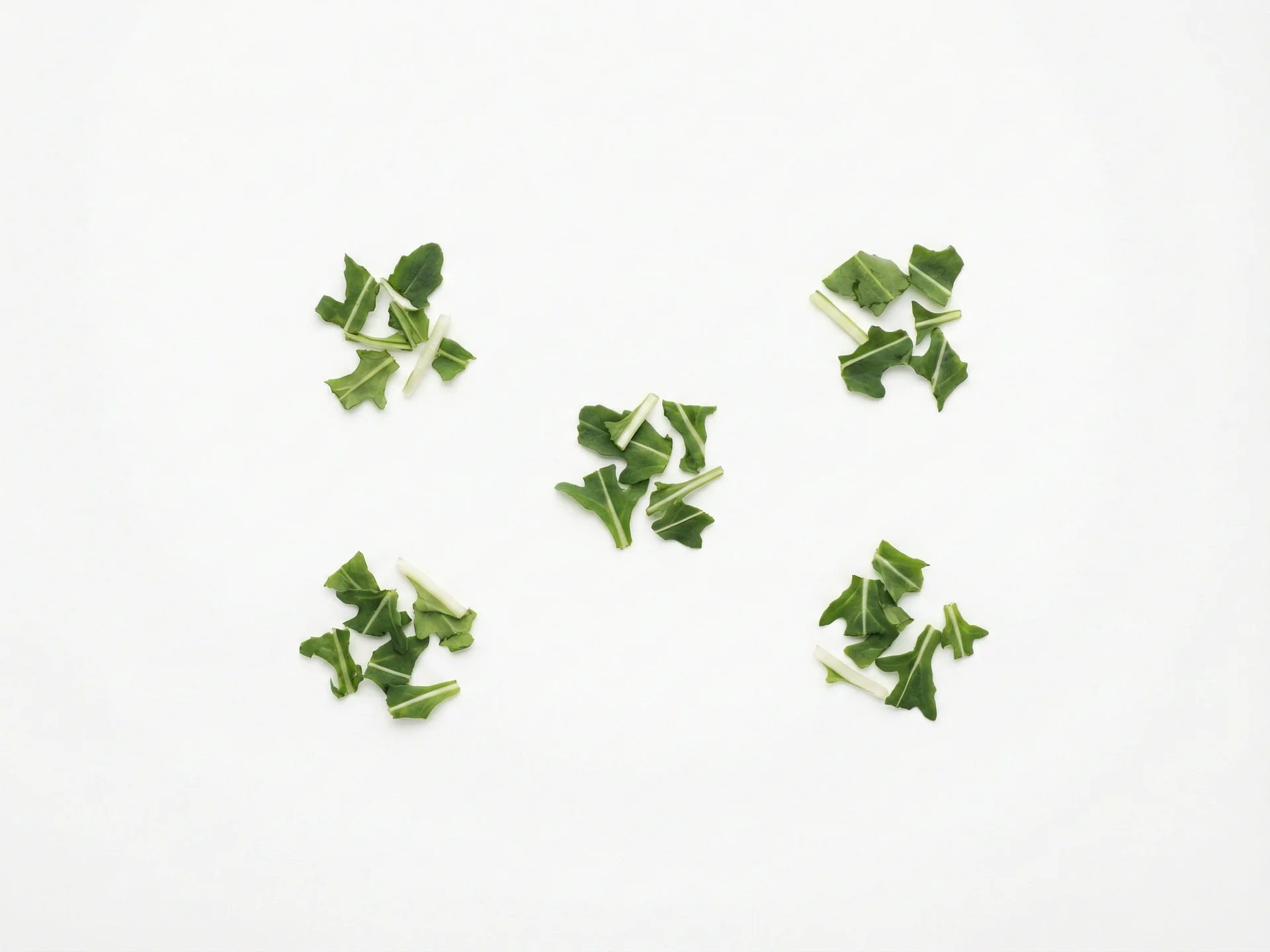
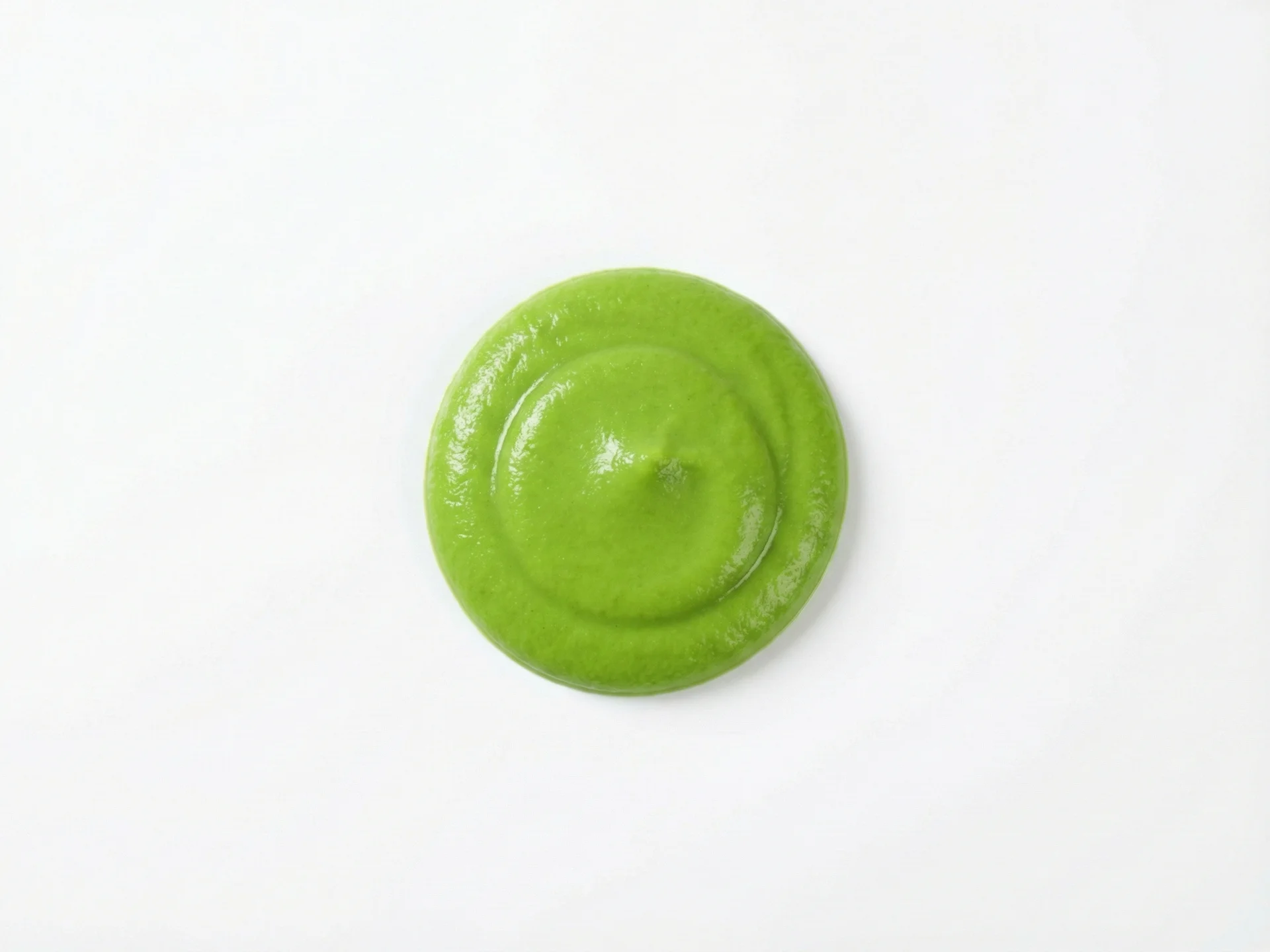
For babies 6-9 months, cook arugula until very soft by steaming or sautéing, then finely chop or blend it into a smooth puree. You can mix it with other foods like sweet potato or avocado to balance the flavor and texture.
6 to 9 months

For babies 6-9 months, cook arugula until very soft by steaming or sautéing, then finely chop or blend it into a smooth puree. You can mix it with other foods like sweet potato or avocado to balance the flavor and texture.

  • Steam arugula for 3-5 minutes until wilted and tender.
  • Blend cooked arugula with breast milk, formula, or water for a smoother consistency.
  • Mix with mashed banana or avocado to soften the peppery taste.
  • Serve in small spoonfuls or let your baby self-feed with pre-loaded spoons.
  • Always test the temperature before offering to avoid burns.
For babies 9-12 months, offer cooked arugula in small, soft pieces that they can pick up with their fingers. You can also mix it into dishes like omelets or pasta to encourage self-feeding and texture exploration.
9 to 12 months

For babies 9-12 months, offer cooked arugula in small, soft pieces that they can pick up with their fingers. You can also mix it into dishes like omelets or pasta to encourage self-feeding and texture exploration.

  • Chop cooked arugula into pea-sized pieces for easy grasping.
  • Add to scrambled eggs or soft cheese for a nutrient boost.
  • Mix into oatmeal or yogurt to introduce new flavors.
  • Offer as part of a balanced meal with proteins and carbs.
  • Encourage your baby to explore the texture by letting them touch and smell it first.
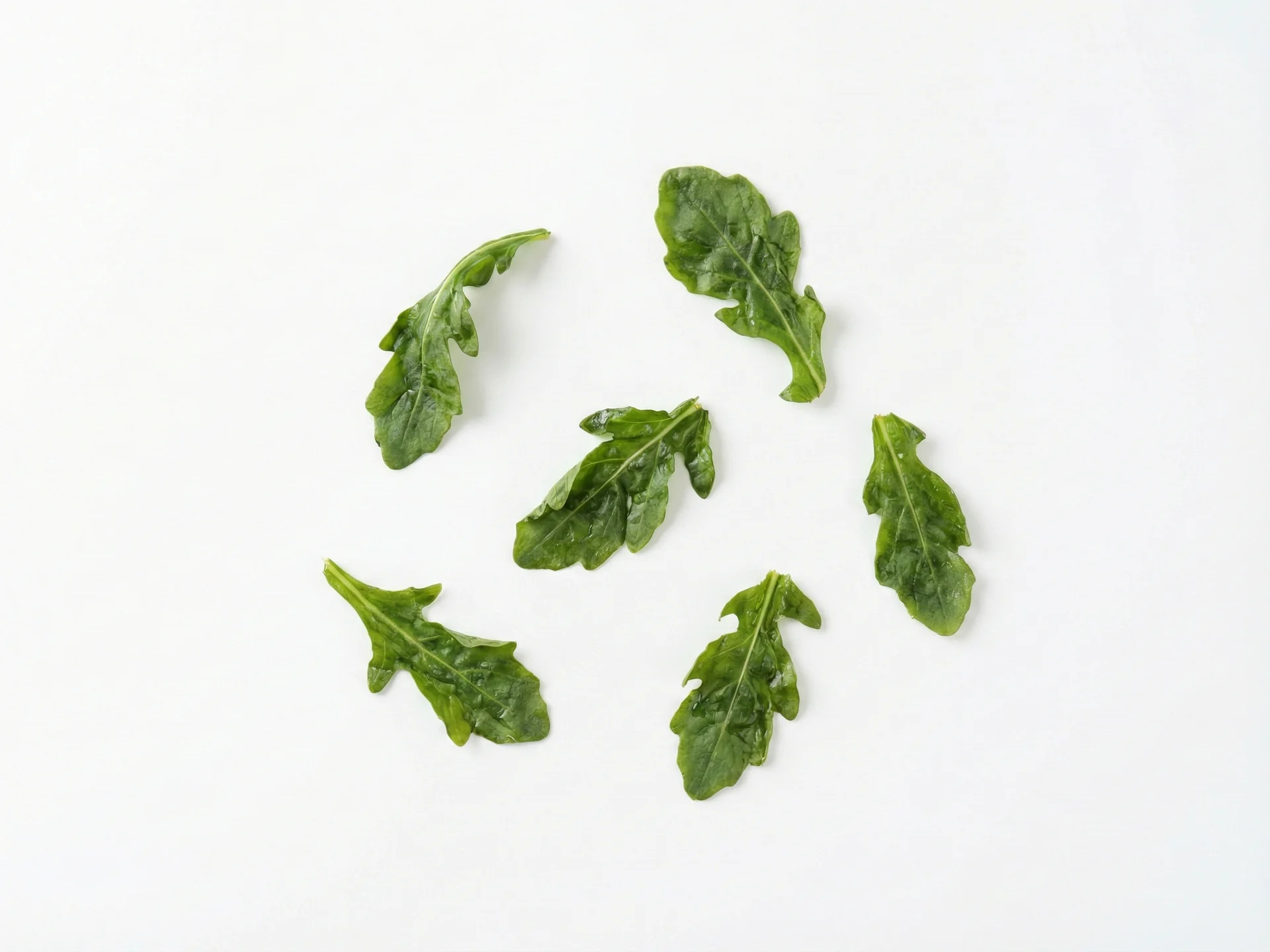
For toddlers 12 months and up, you can offer raw arugula finely chopped in salads or sandwiches, or cooked in family meals. This helps them develop chewing skills and enjoy a wider range of textures.
12 months +

For toddlers 12 months and up, you can offer raw arugula finely chopped in salads or sandwiches, or cooked in family meals. This helps them develop chewing skills and enjoy a wider range of textures.

  • Finely chop raw arugula to reduce choking risk and mix into salads.
  • Use as a pizza topping or in wraps for fun, interactive meals.
  • Sauté with garlic and olive oil for added flavor in pasta dishes.
  • Encourage dipping arugula leaves into hummus or yogurt-based dips.
  • Involve your toddler in washing and preparing the greens to build interest.

Safety & allergens

Choking risk: Low

Arugula leaves can pose a choking risk if served whole to young babies. Always puree thoroughly for 6-9 month olds, and finely chop or shred for older babies. Mixing with other foods like avocado or yogurt can help create a safer texture.

Not a common allergen

Arugula is not a top allergen. As with any new food, offer it on its own and watch for any reaction.

Vitamins & minerals

Arugula provides Vitamin K which supports bone health and blood clotting[1], and Vitamin A for healthy vision and immune function[2]. Its Vitamin C content helps your baby absorb iron from plant sources more effectively[3], while the calcium and magnesium contribute to bone development[4].

Vitamins
Vitamin VITAMIN KVitamin VITAMIN AVitamin VITAMIN CVitamin VITAMIN B9
Minerals
CalciumIronPotassiumMagnesium