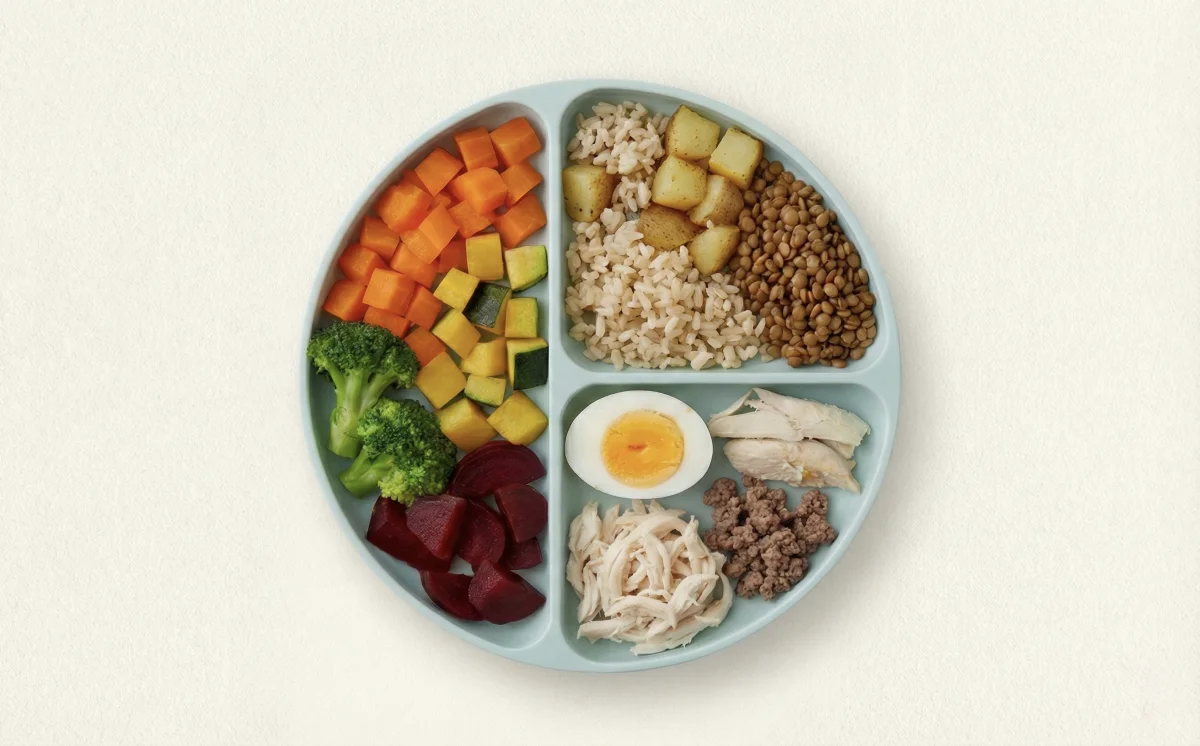
Preparing a plate for a baby who is starting solids (usually at 6 months) can seem like a challenge, but the secret lies in visual and nutritional balance. The goal isn’t just to satisfy hunger, but to ensure the baby receives all essential micronutrients for brain and physical development. Below is a complete guide with the ideal proportions and the function of each group.
The Ideal Plate Layout
To make assembly easier, imagine the plate divided into sections. General pediatric recommendations follow this distribution:
- Half of the Plate (50%) — Vegetables (Vitamins and Fibers): This is the group that ensures a variety of colors and nutrients. Use plenty of vegetables such as broccoli, carrots, pumpkin/squash, chayote, zucchini, and leafy greens (like kale and spinach).
- One Quarter of the Plate (25%) — Carbohydrates (Energy): Responsible for providing the fuel the baby needs. This includes foods like potatoes, rice, corn, pasta, cassava (yuca), and yams.
- One Quarter of the Plate (25%) — Proteins and Legumes (Growth and Iron): This quadrant is divided between animal protein (or substitutes) and grains.
- Proteins: Beef, chicken, fish (boneless), or eggs.
- Legumes: All types of beans, lentils, chickpeas, or split peas.
Carbohydrates: The Source of Energy
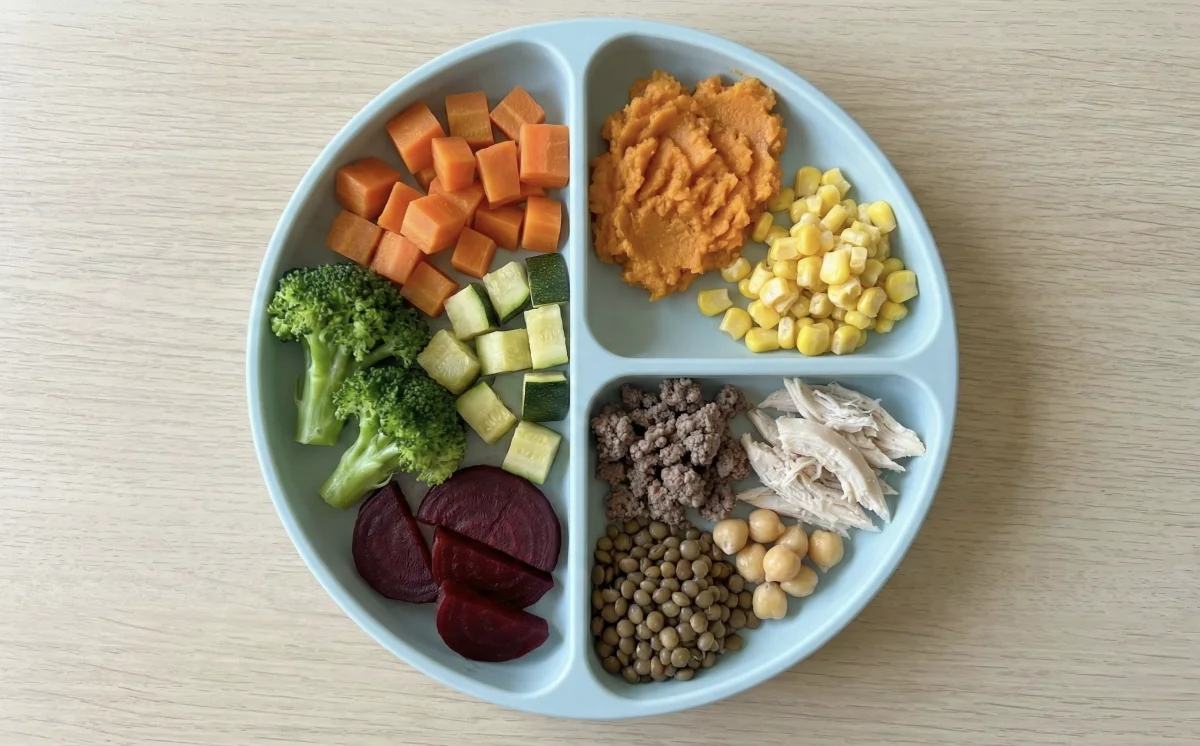
Carbohydrates are the fuel for the baby to explore the world.
- Tip: Prioritize foods in their natural form ("real food") instead of processed flours.
- What to offer: Sweet potatoes, Peruvian parsnip (arracacha), brown or white rice, whole-grain pasta.
Proteins: Building and Growth
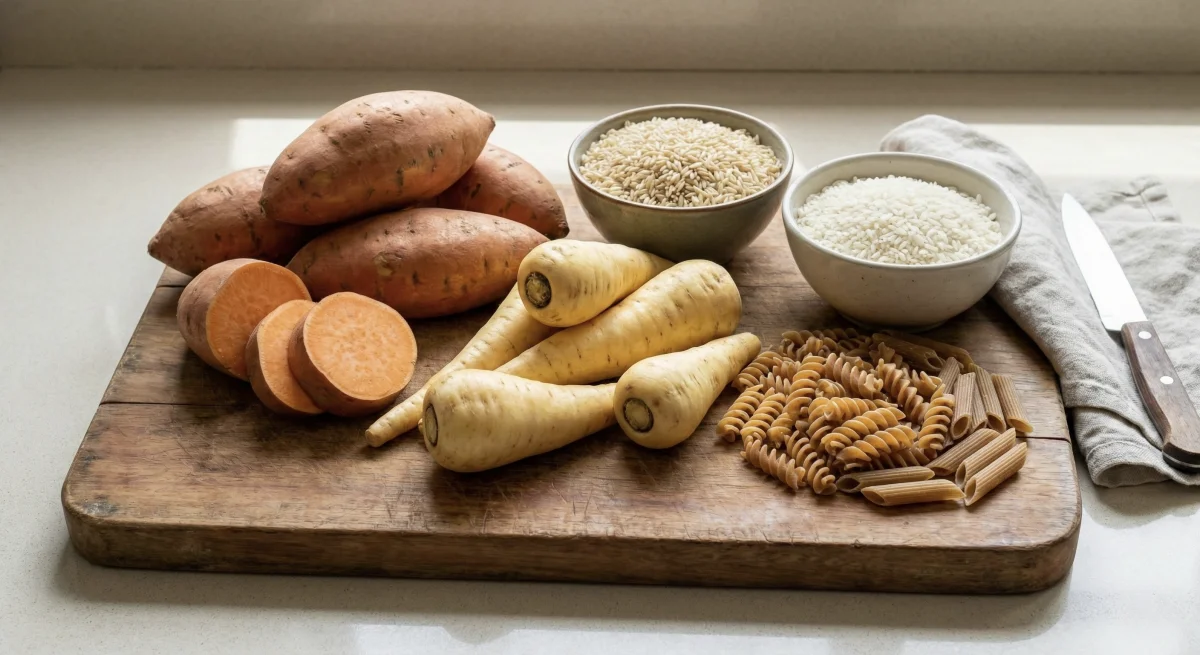
Responsible for the formation of tissues and muscles.
- Animal Protein: Ground or shredded beef, chicken, fish (boneless), and eggs (white and yolk).
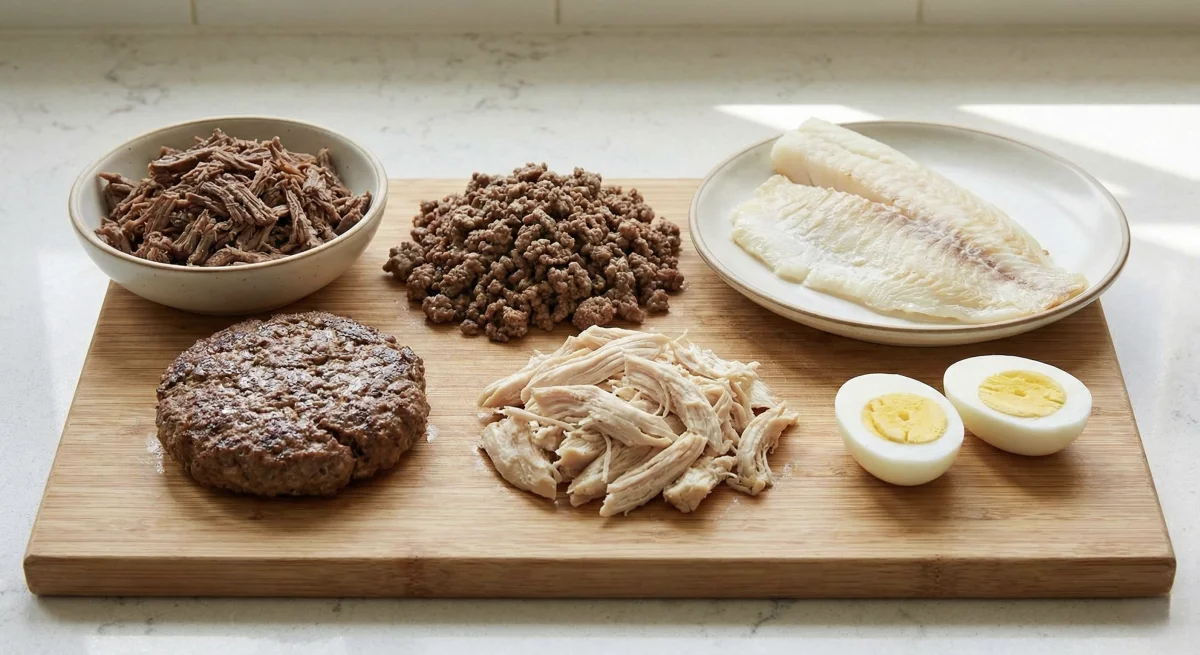
Eggs must be thoroughly cooked to avoid the risk of contamination.
Legumes: The Iron and Fiber Group
Often confused with carbohydrates, legumes are fundamental for their supply of iron and plant-based proteins.
- What to offer: All types of beans, lentils, chickpeas, and split peas.
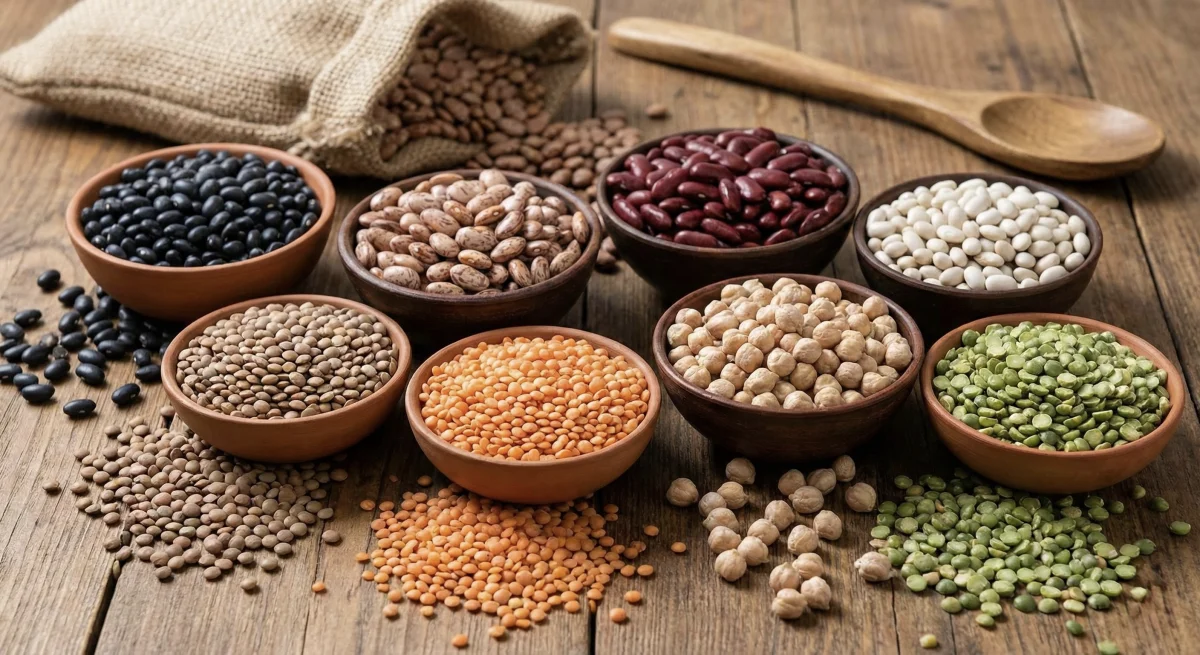
Soak them for 12 to 24 hours before cooking to eliminate phytates (which cause gas and hinder nutrient absorption).
Vitamins and Minerals (Vegetables)
This group should occupy half the plate. Vary the colors to ensure a range of different vitamins.
- Vitamin A: Orange-colored vegetables (carrots, pumpkin).
- Vitamin C: Important for absorbing the iron found in beans. (e.g., squeeze a little lemon over the food or offer a citrus fruit after the meal).
Pillars of Successful Food Introduction
The more colorful the plate, the greater the variety of nutrients. Try to have at least 3 different colors in every meal.
The baby's iron stores, accumulated during pregnancy, start to drop around 6 months. Therefore, the presence of meat and legumes is non-negotiable in at least one of the main meals.
Textures and Consistency
• Do not use a blender or sieve: Mash with a fork to stimulate chewing and the development of facial muscles. • Evolution: Start with rustic purees and gradually leave larger pieces as the baby gains confidence.
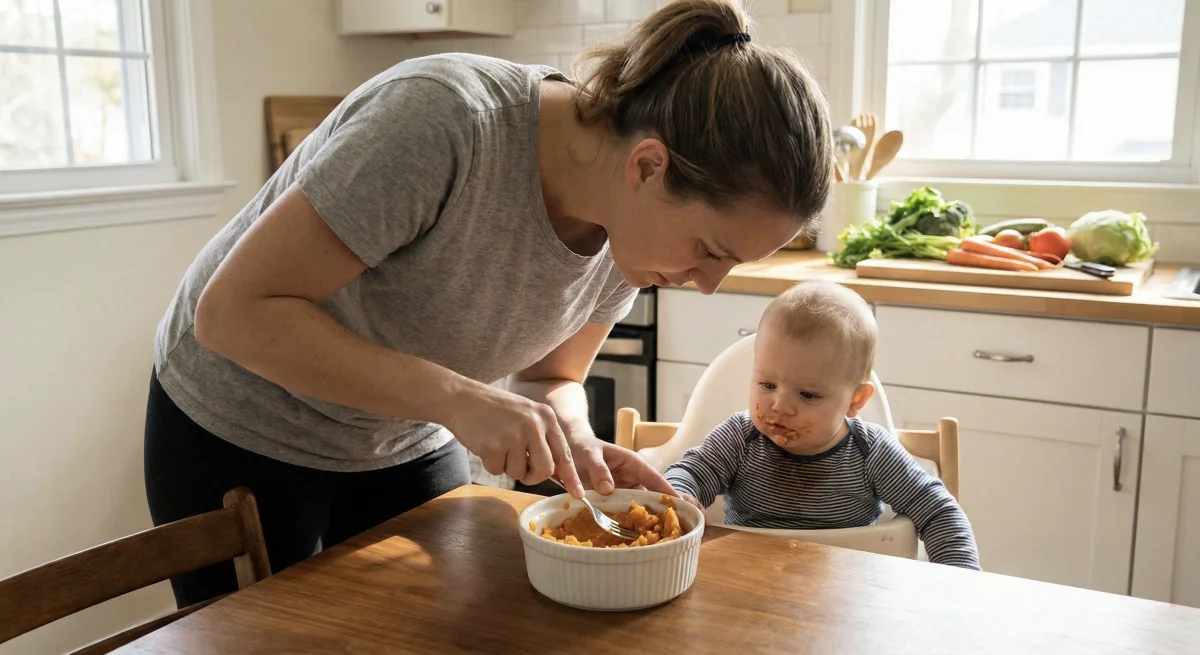
Zero salt and sugar until age 2. The baby's palate is still forming. Use natural seasonings like onion, garlic, parsley, chives, basil, and rosemary.
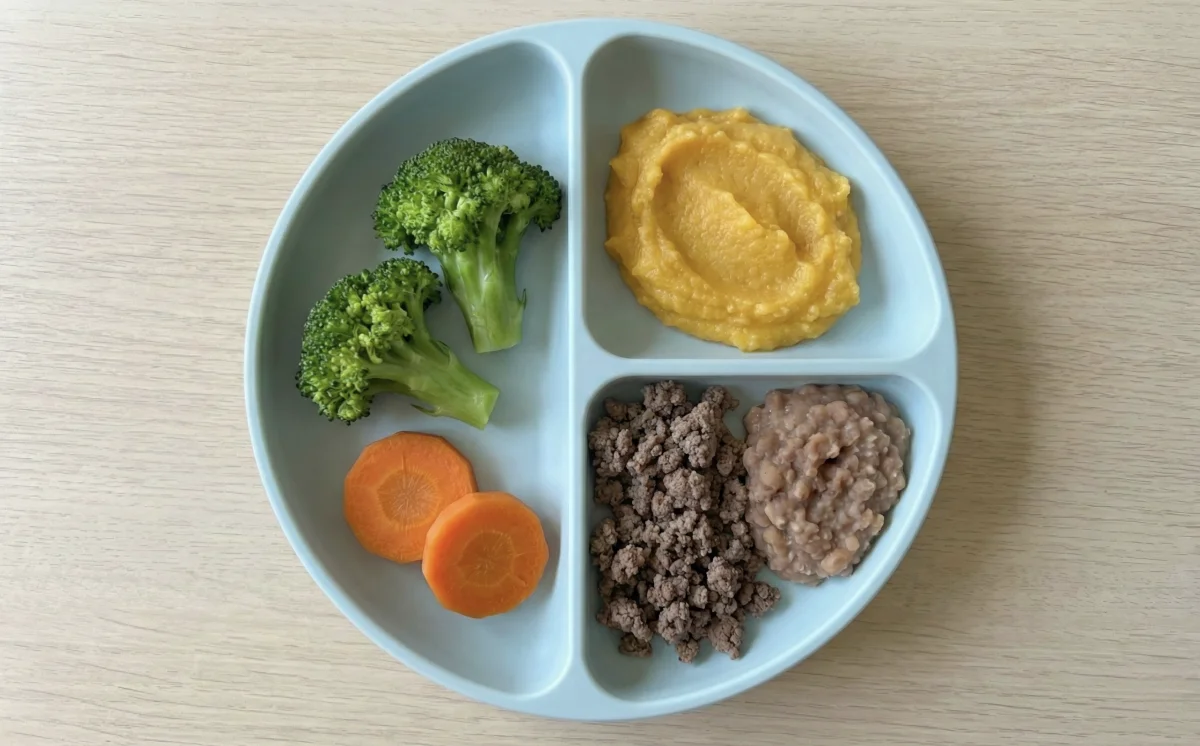
Example of a Balanced Plate
- Carbohydrate: 1 serving spoon of mashed Peruvian parsnip (arracacha).
- Protein: 1 tablespoon of well-cooked ground beef.
- Legumes: 1 tablespoon of beans (mashed grains only).
- Vegetables: 2 steamed broccoli florets + 2 slices of cooked carrot.
Sources & references
Health claims in this content are backed by these sources.
- 1American Academy of Pediatrics. (2022). Starting solid foods. HealthyChildren.org.https://www.healthychildren.org/English/ages-stages/baby/feeding-nutrition/Pages/Starting-Solid-Foods.aspx
- 2Brasil. Ministério da Saúde. (2019). Guia alimentar para crianças menores de 2 anos. Secretaria de Atenção Primária à Saúde. Departamento de Promoção da Saúde.http://132.255.137.70/bitstream/handle/123456789/414/guia_alimentar_criancas_menores_2_anos.pdf
- 3Pan American Health Organization. (2003). Guiding principles for complementary feeding of the breastfed child. World Health Organization.https://www.paho.org/en/documents/guiding-principles-complementary-feeding-breastfed-child
- 4Sociedade Brasileira de Pediatria. (2018). Manual de orientação: Alimentação do lactente ao escolar, do adolescente e na escola (4ª ed.). Departamento Científico de Nutrologia.https://www.sbp.com.br/fileadmin/user_upload/Manual_de_Nutrologia_-_Alimentacao_do_Lactente_ao_Escolar.pdf
- 5World Health Organization. (2023). WHO guideline on complementary feeding of infants and young children 6–23 months of age.https://www.who.int/publications/i/item/9789240081864