FoodsProteinVeal
Veal

Protein

Veal

Veal is a tender, mild-flavored meat that can be a wonderful protein source for your baby. It's packed with essential nutrients like iron and zinc that support healthy growth and development.[1] The soft texture when cooked properly makes it easy for little ones to manage.

6m+Not a common allergenChoking risk: Medium
First age6m+
CategoryProtein
Common allergenNo
Choking riskMedium

When can babies eat Veal?

Veal can be introduced around 6 months when your baby starts solids, as long as it's prepared safely to minimize choking risk.

How to serve Veal by age

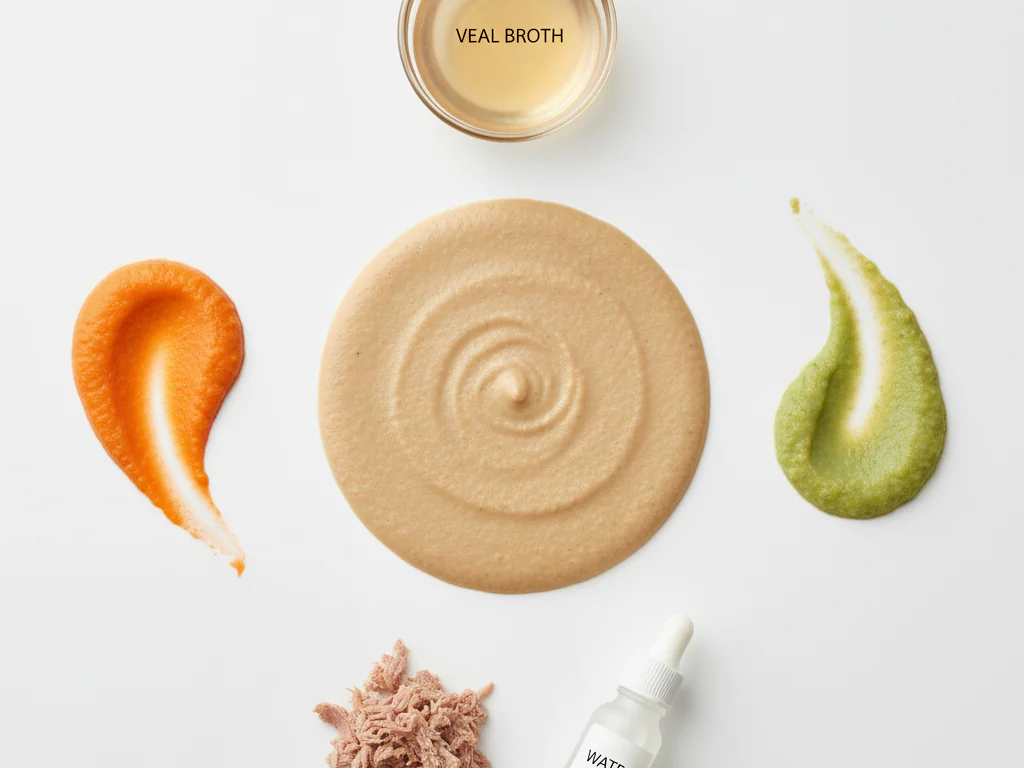
For 6-9 month olds, cook veal until very tender and puree with broth or water to create a smooth consistency. You can also mix it with vegetable purees for added flavor and nutrition.
6 to 9 months

For 6-9 month olds, cook veal until very tender and puree with broth or water to create a smooth consistency. You can also mix it with vegetable purees for added flavor and nutrition.

  • Use a slow cooker or pressure cooker for maximum tenderness
  • Strain purees through a fine mesh sieve to remove any tough bits
  • Start with small amounts mixed with familiar foods
  • Add breast milk or formula to thin the puree if needed
  • Freeze extra puree in ice cube trays for easy portions
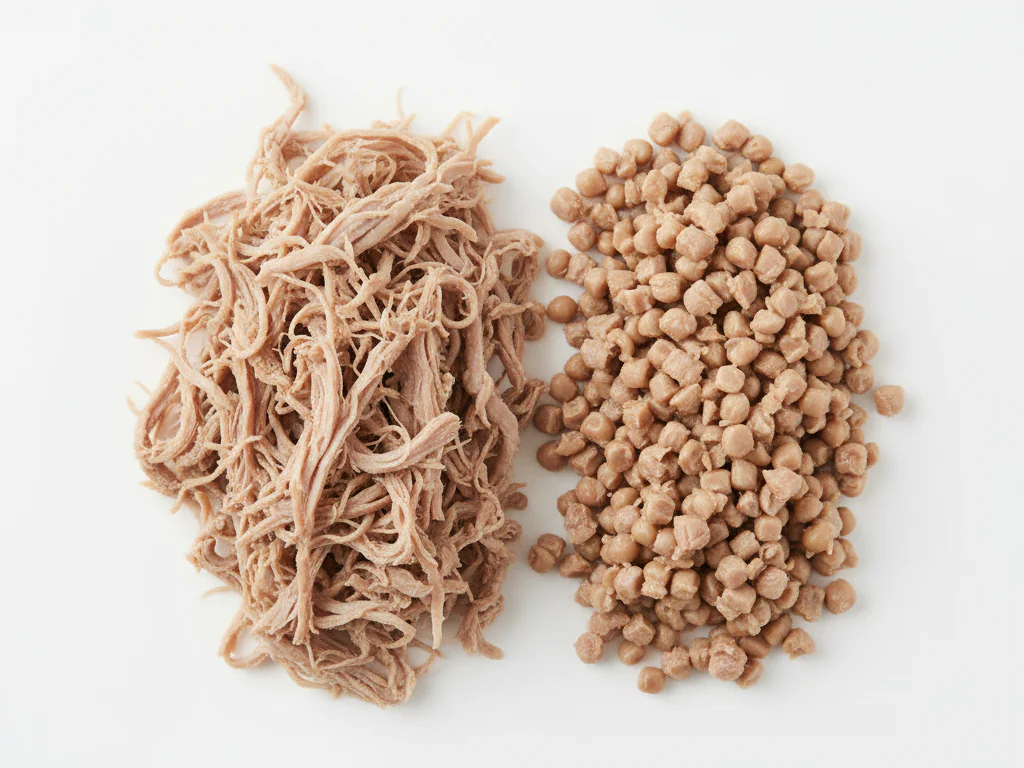
For 9-12 month olds, shred cooked veal into very fine pieces or chop into tiny, pea-sized bits. The texture should be soft enough to mash easily with gums.
9 to 12 months

For 9-12 month olds, shred cooked veal into very fine pieces or chop into tiny, pea-sized bits. The texture should be soft enough to mash easily with gums.

  • Shred with two forks for consistent texture
  • Mix with soft foods like mashed avocado or cooked grains
  • Offer as finger food in small piles on the tray
  • Moisten with a little broth to prevent dryness
  • Watch closely as baby practices chewing
For toddlers 12 months and up, you can offer small, tender pieces of veal cut into bite-sized chunks. Continue to ensure it's cooked until tender and easy to chew.
12 months +

For toddlers 12 months and up, you can offer small, tender pieces of veal cut into bite-sized chunks. Continue to ensure it's cooked until tender and easy to chew.

  • Cut against the grain for more tender pieces
  • Include veal in stews, meatballs, or patties
  • Pair with dipping sauces like mild gravy or yogurt
  • Let toddlers practice using utensils with soft veal pieces
  • Always supervise meal times

Safety & allergens

Choking risk: Medium

Veal can be a choking hazard if not prepared properly. Always cook until very tender and shred or chop into tiny, manageable pieces. Avoid tough cuts or large chunks that could get stuck in your baby's throat.

Not a common allergen

Veal is not a top allergen. As with any new food, offer it on its own and watch for any reaction.

Vitamins & minerals

Veal is an excellent source of iron, which helps prevent anemia and supports brain development in babies.[2] It also provides zinc for immune function[3] and high-quality protein for muscle growth. The B vitamins in veal help convert food into energy.[4]

Vitamins
Vitamin VITAMIN B12Vitamin VITAMIN B6Vitamin VITAMIN B3
Minerals
IronZincPhosphorus