FoodsSeedPumpkin seeds
Pumpkin seeds

Seed

Pumpkin seeds

Pumpkin seeds are tiny nutritional powerhouses that can be a wonderful addition to your baby's diet. They have a mild, nutty flavor and a satisfying crunch when toasted, making them appealing to little ones. Rich in healthy fats, protein, and essential minerals, they support your baby's growth and development.[1]

6m+Not a common allergenChoking risk: High
First age6m+
CategorySeed
Common allergenNo
Choking riskHigh

When can babies eat Pumpkin seeds?

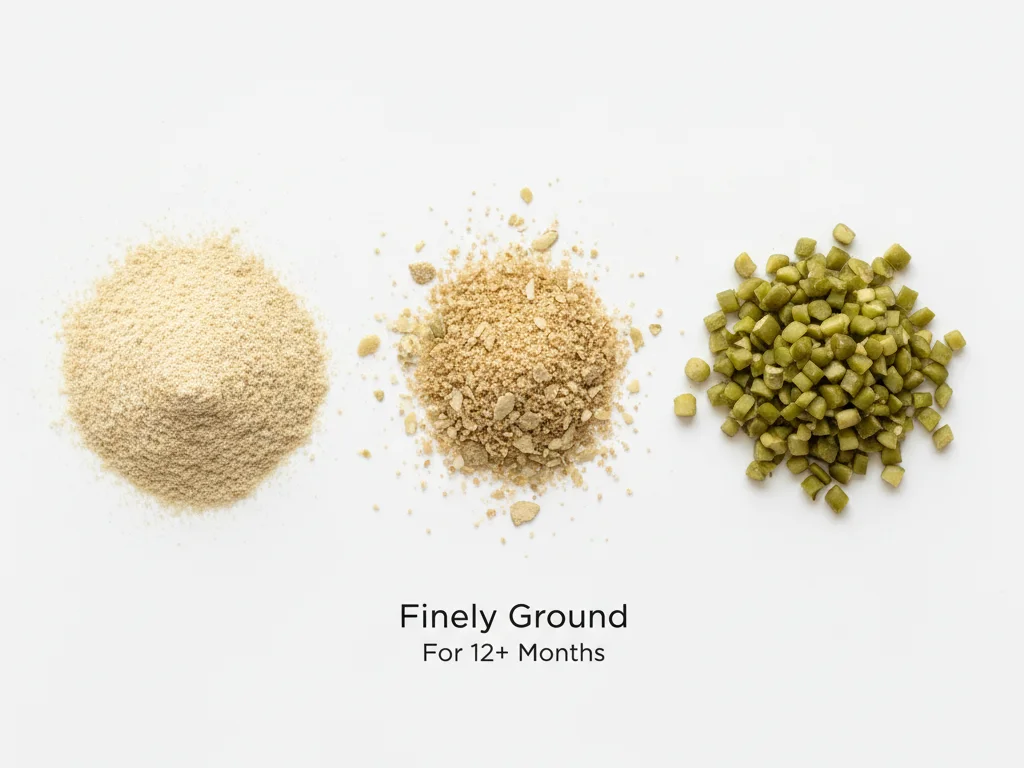
You can introduce finely ground pumpkin seeds around 6 months when starting solids, as long as they're prepared safely to avoid choking. Always supervise your baby during meals.

How to serve Pumpkin seeds by age

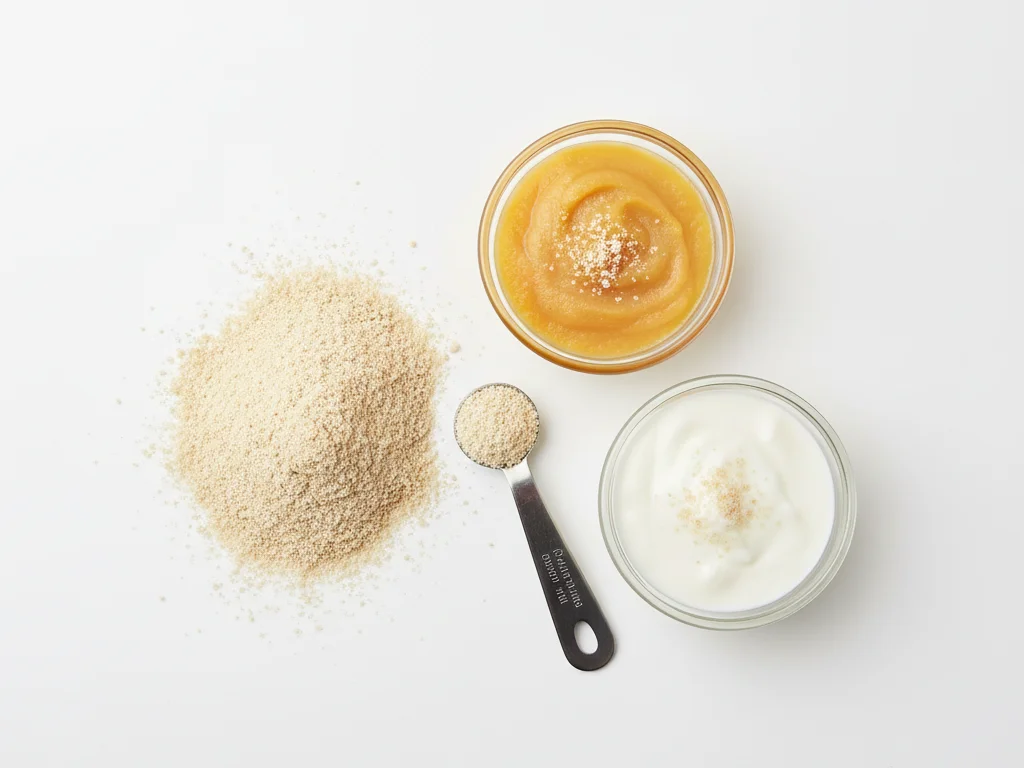
Grind raw or roasted unsalted pumpkin seeds into a fine, powdery consistency using a coffee grinder or food processor. Mix a small pinch (about ¼ teaspoon) into smooth purees, infant cereal, or yogurt to introduce the flavor and nutrients without choking risk.
6 to 9 months

Grind raw or roasted unsalted pumpkin seeds into a fine, powdery consistency using a coffee grinder or food processor. Mix a small pinch (about ¼ teaspoon) into smooth purees, infant cereal, or yogurt to introduce the flavor and nutrients without choking risk.

  • Use a clean, dry grinder to avoid clumping
  • Start with a tiny amount to check for tolerance
  • Mix into warm cereals for easier blending
  • Store extra ground seeds in an airtight container in the fridge for up to a week
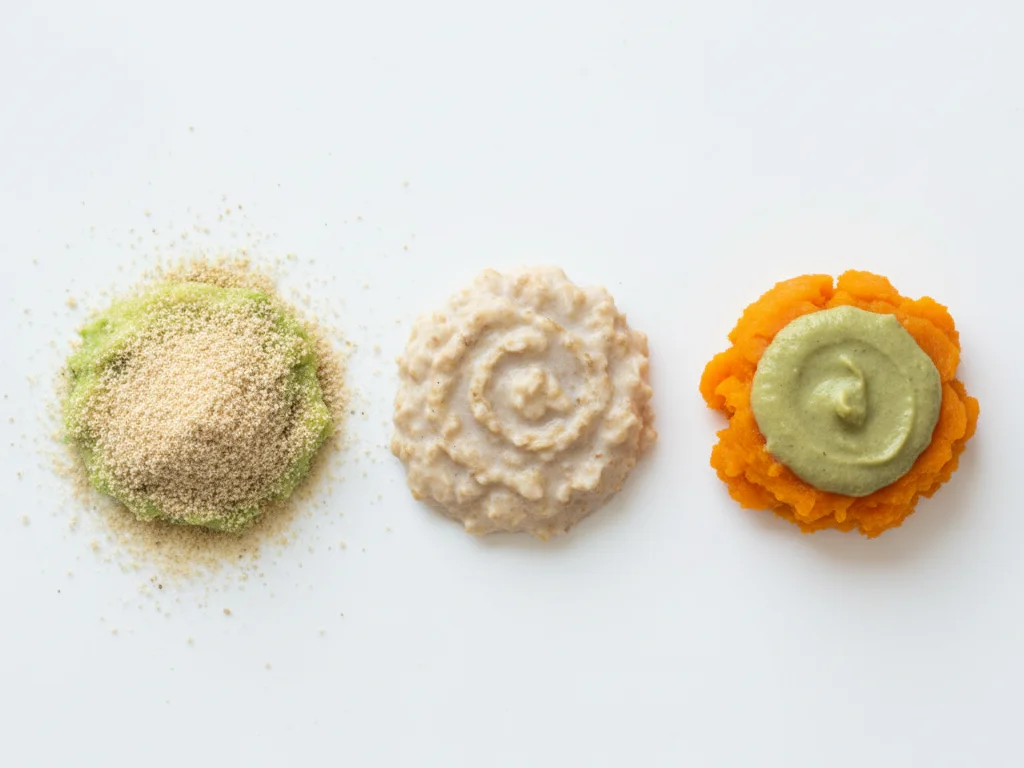
Continue using finely ground pumpkin seeds, but you can slightly increase the amount to about ½ teaspoon. Sprinkle over soft foods like mashed avocado, cooked vegetables, or oatmeal. You can also make a thin paste by blending ground seeds with liquid.
9 to 12 months

Continue using finely ground pumpkin seeds, but you can slightly increase the amount to about ½ teaspoon. Sprinkle over soft foods like mashed avocado, cooked vegetables, or oatmeal. You can also make a thin paste by blending ground seeds with liquid.

  • Toast seeds lightly before grinding for enhanced flavor
  • Combine with mashed banana for a tasty snack
  • Mix into pancake or muffin batter for added nutrition
  • Always ensure the texture is smooth with no visible chunks
Toddlers can enjoy finely ground pumpkin seeds sprinkled on various foods. You can also incorporate them into baked goods, smoothies, or homemade energy balls. Still avoid whole seeds due to choking risk.
12 months +

Toddlers can enjoy finely ground pumpkin seeds sprinkled on various foods. You can also incorporate them into baked goods, smoothies, or homemade energy balls. Still avoid whole seeds due to choking risk.

  • Add ground seeds to homemade granola or trail mix
  • Use in place of breadcrumbs for coating chicken or fish
  • Blend into smoothies for a protein boost
  • Make pumpkin seed pesto with basil and olive oil

Safety & allergens

Choking risk: High

Whole pumpkin seeds are a choking hazard for babies and toddlers due to their small, hard size. Always grind them into a fine powder or paste before serving. For older toddlers, you can sprinkle a tiny amount of finely ground seeds on soft foods like yogurt or oatmeal, but avoid whole seeds until at least age 4.

Not a common allergen

Pumpkin seeds is not a top allergen. As with any new food, offer it on its own and watch for any reaction.

Vitamins & minerals

Pumpkin seeds are packed with nutrients that benefit your baby. They're an excellent source of iron, which helps prevent anemia and supports brain development.[2] The magnesium and zinc in pumpkin seeds contribute to healthy immune function and bone growth.[3]

Vitamins
Vitamin VITAMIN EVitamin VITAMIN KVitamin VITAMIN B1Vitamin VITAMIN B2Vitamin VITAMIN B3Vitamin VITAMIN B5Vitamin VITAMIN B6Vitamin VITAMIN B9
Minerals
IronMagnesiumZincPhosphorusCopperManganese

Pairs well with