FoodsGrainSemolina
Semolina

Grain

Semolina

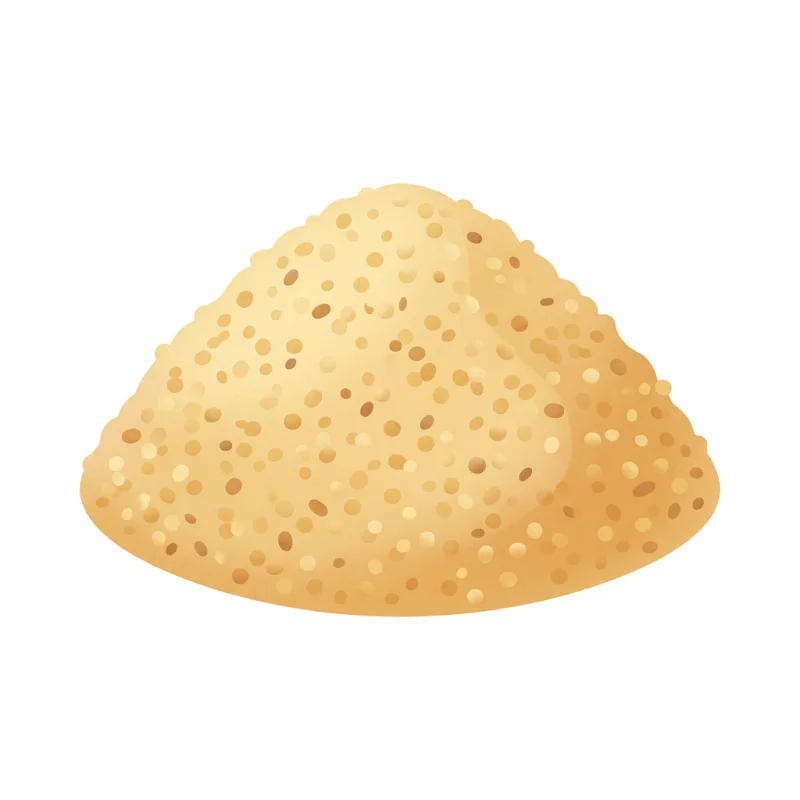
Semolina is a nutritious, versatile grain made from durum wheat that's perfect for introducing babies to new textures and flavors. It cooks into a soft, creamy porridge that's easy for little mouths to manage, and it's packed with important nutrients like iron and B vitamins that support your baby's growth and energy.[2][3]

6m+Common allergenChoking risk: Low
First age6m+
CategoryGrain
Common allergenYes
Choking riskLow

When can babies eat Semolina?

Semolina can be introduced around 6 months, when your baby is ready for solid foods. It's a great first grain because of its smooth texture when cooked properly.

How to serve Semolina by age

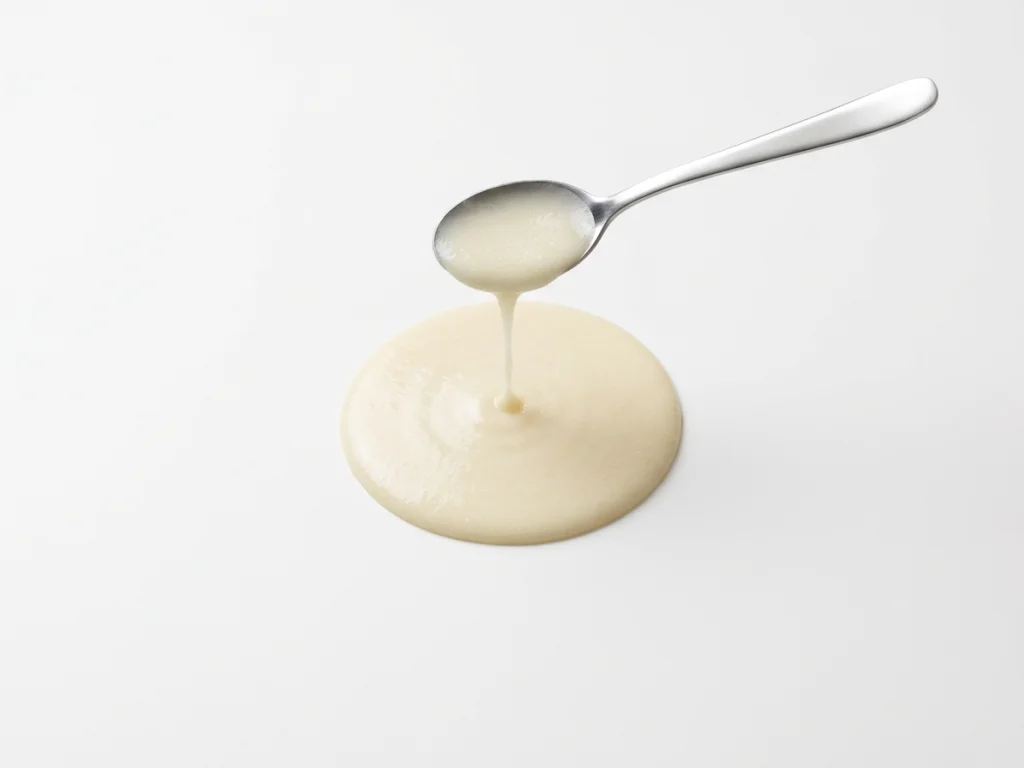
Prepare a thin, smooth porridge by cooking semolina with plenty of liquid (water, breast milk, or formula) until completely smooth with no lumps. Serve it cool and runny enough to drip easily off a spoon.
6 to 9 months

Prepare a thin, smooth porridge by cooking semolina with plenty of liquid (water, breast milk, or formula) until completely smooth with no lumps. Serve it cool and runny enough to drip easily off a spoon.

  • Start with a 1:4 ratio of semolina to liquid
  • Stir constantly while cooking to prevent lumps
  • Let it cool completely before serving
  • Mix with familiar flavors like breast milk or formula
  • Offer small amounts (1-2 teaspoons) at first
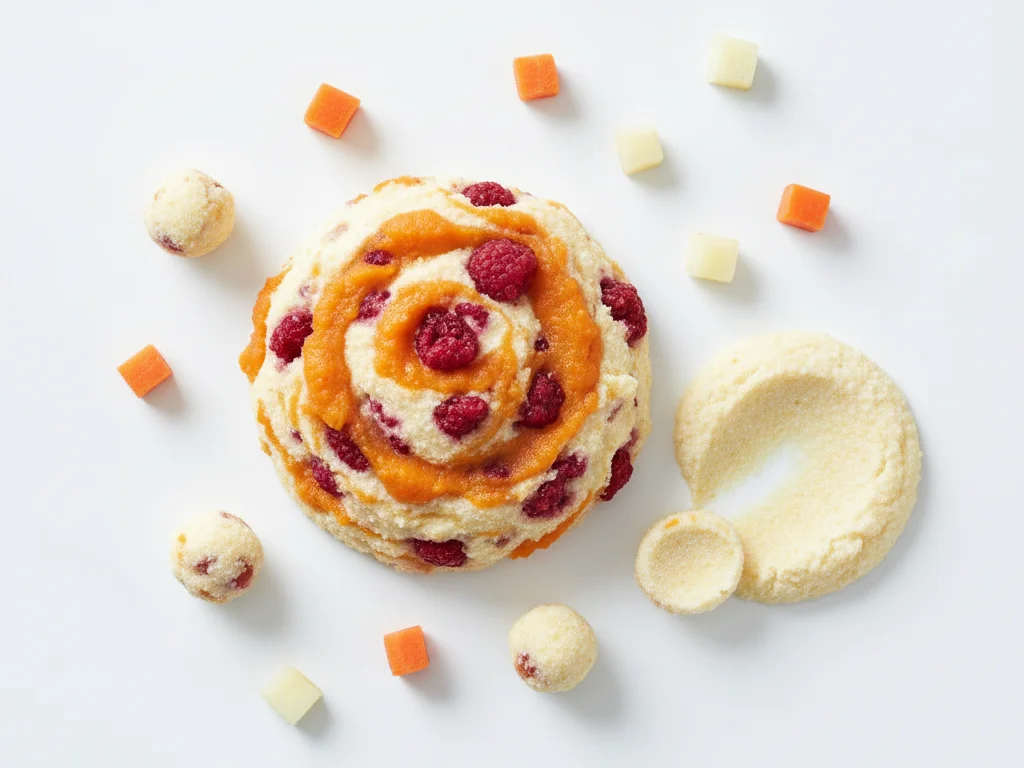
Make a thicker porridge that holds its shape on a spoon. You can mix in mashed fruits or vegetables for added flavor and nutrition. This texture helps babies practice their chewing skills.
9 to 12 months

Make a thicker porridge that holds its shape on a spoon. You can mix in mashed fruits or vegetables for added flavor and nutrition. This texture helps babies practice their chewing skills.

  • Use a 1:3 ratio of semolina to liquid for thicker consistency
  • Mix in mashed banana, sweet potato, or avocado
  • Offer on a pre-loaded spoon for self-feeding practice
  • Combine with yogurt for a creamy texture
  • Serve at room temperature for easy handling
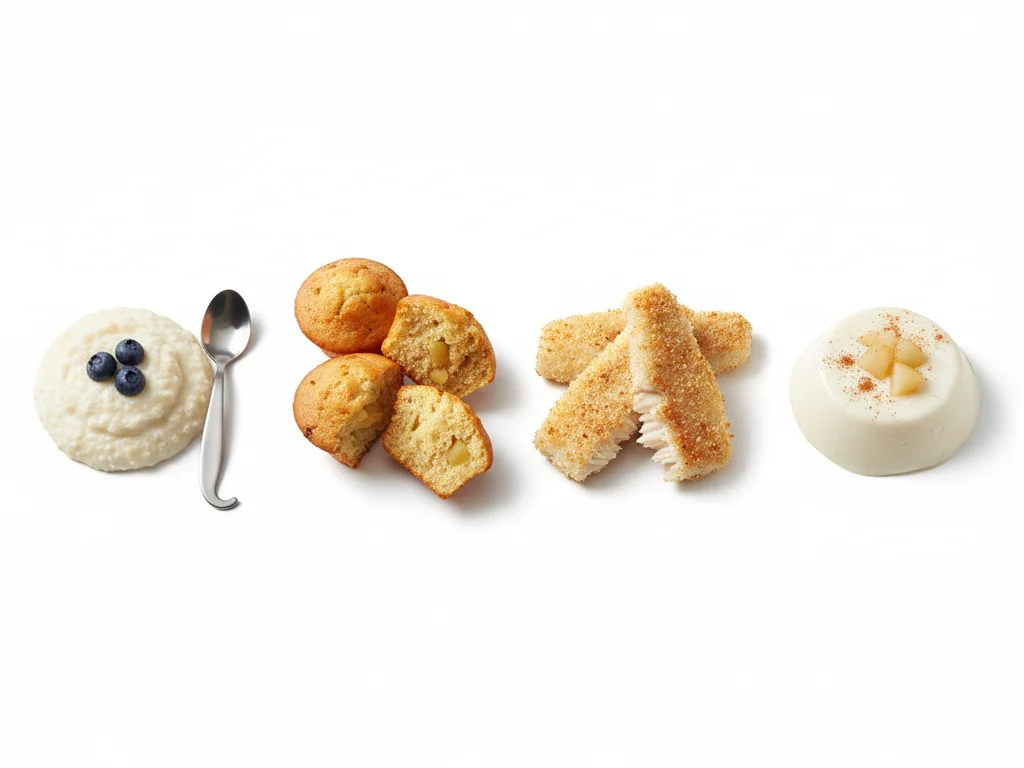
Semolina can be used in various ways - as a thick porridge, mixed into baked goods, or as a coating for gently pan-fried foods. You can also make semolina pudding with milk for a nutritious dessert.
12 months +

Semolina can be used in various ways - as a thick porridge, mixed into baked goods, or as a coating for gently pan-fried foods. You can also make semolina pudding with milk for a nutritious dessert.

  • Make semolina pancakes with mashed fruit
  • Use cooked, cooled semolina to bind veggie patties
  • Mix with cheese and egg for savory muffins
  • Make a sweet pudding with milk and cinnamon
  • Always ensure any added ingredients are age-appropriate

Safety & allergens

Choking risk: Low

Semolina has a low choking risk when prepared as a smooth, thin porridge for younger babies. As your baby grows, you can make it thicker, but always ensure it's well-cooked and lump-free. Avoid serving it dry or in large clumps that could be difficult to swallow.

Common allergen

Wheat allergy affects about 0.4-1% of children, making it one of the more common food allergies in infants.[4]

Vitamins & minerals

Semolina provides iron, which is crucial for healthy blood and brain development in babies.[2] It also contains magnesium for bone health and muscle function, and folate (vitamin B9) which supports cell growth and development.[5][6] The potassium in semolina helps maintain proper fluid balance and supports heart and muscle function.[7]

Vitamins
Vitamin VITAMIN B6Vitamin FOLATE
Minerals
IronMagnesiumPotassiumZinc

Pairs well with