FoodsDairyBlue cheese
Blue cheese

Dairy

Blue cheese

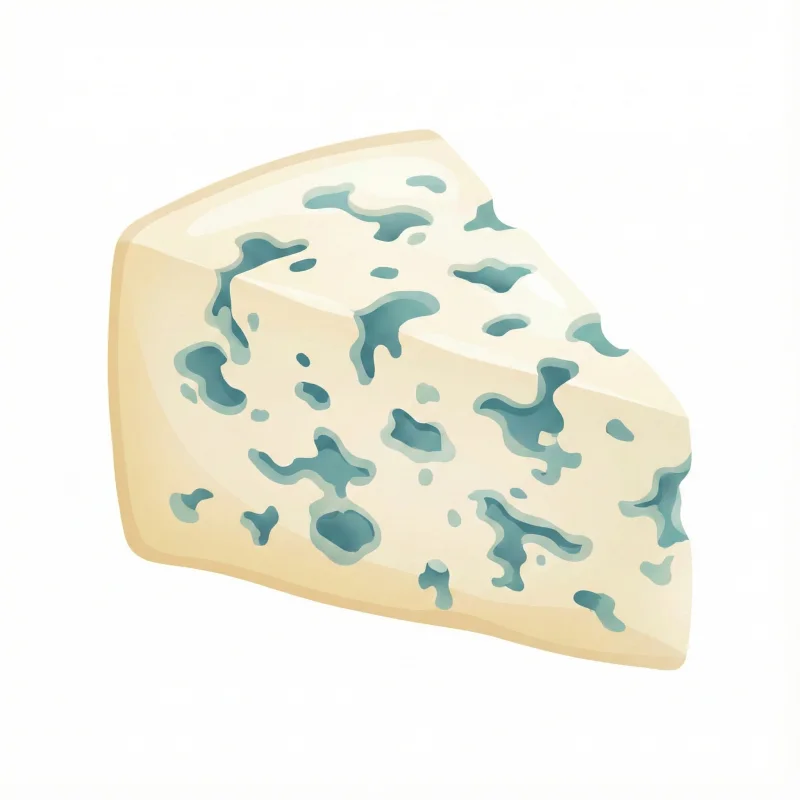
Blue cheese is a flavorful, creamy cheese with distinctive blue veins that can introduce your baby to new tastes and textures. It's a good source of calcium for strong bones and teeth[1] and contains vitamin B12, which supports healthy brain development[2]. The tangy flavor can help expand your baby's palate, though its strong taste might be an acquired preference.

12m+Common allergenChoking risk: Low
First age12m+
CategoryDairy
Common allergenYes
Choking riskLow

When can babies eat Blue cheese?

Blue cheese can be introduced around 12 months, as it's a dairy product and a potential allergen. Waiting until this age allows your baby's digestive system to mature and helps you monitor for any reactions.

How to serve Blue cheese by age

For babies 12-18 months, offer blue cheese in very small, crumbled pieces or spread thinly on soft toast strips. This helps them practice picking up small items while minimizing sodium intake. The soft texture reduces choking risk.
12 to 18 months

For babies 12-18 months, offer blue cheese in very small, crumbled pieces or spread thinly on soft toast strips. This helps them practice picking up small items while minimizing sodium intake. The soft texture reduces choking risk.

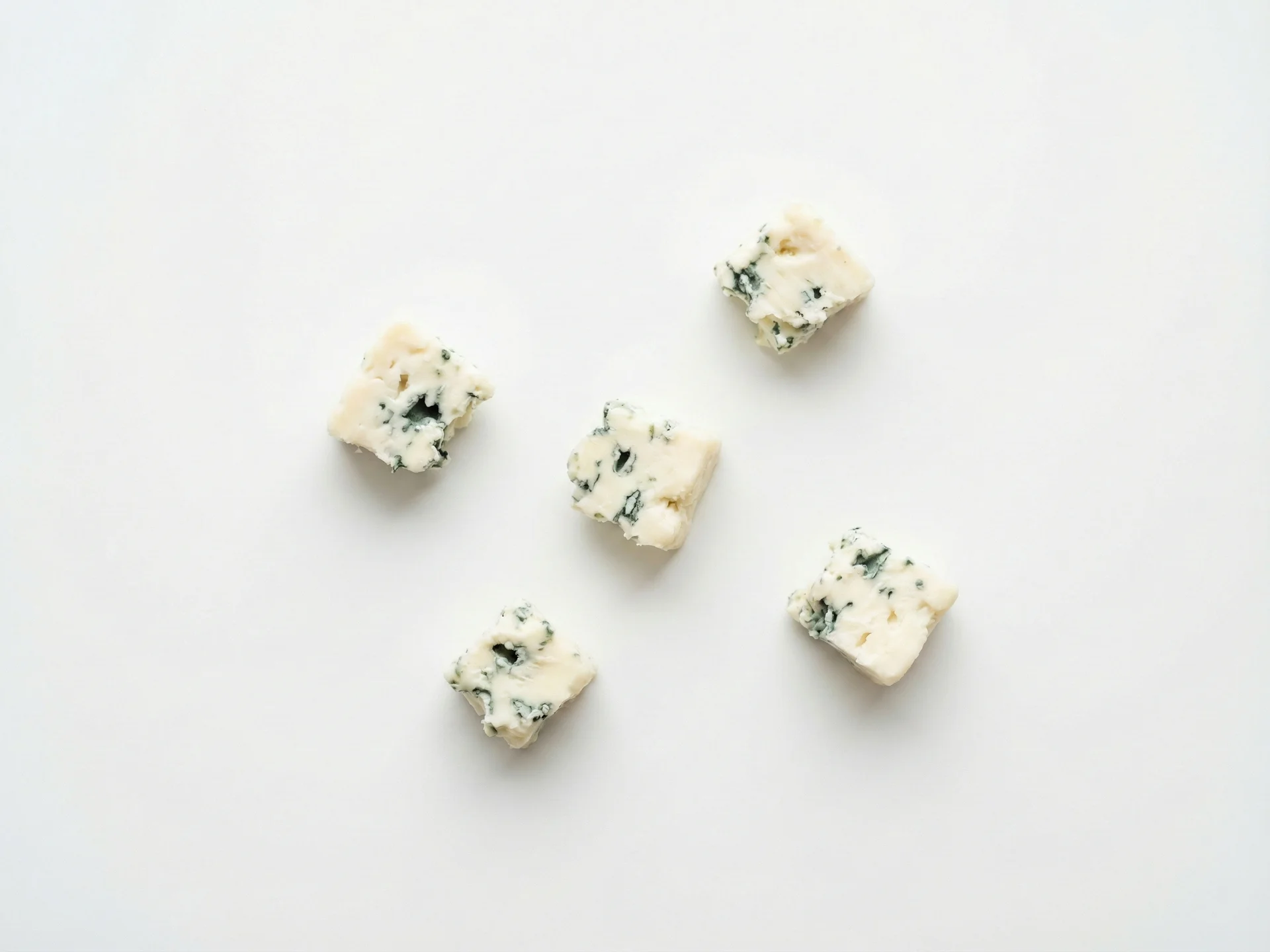
  • Crumble cheese into pea-sized pieces for easy grasping
  • Spread thinly on whole-grain toast cut into finger-sized strips
  • Mix a small amount into mashed vegetables to dilute the strong flavor
  • Offer alongside low-sodium foods to balance the meal
  • Always supervise to ensure they're handling it safely
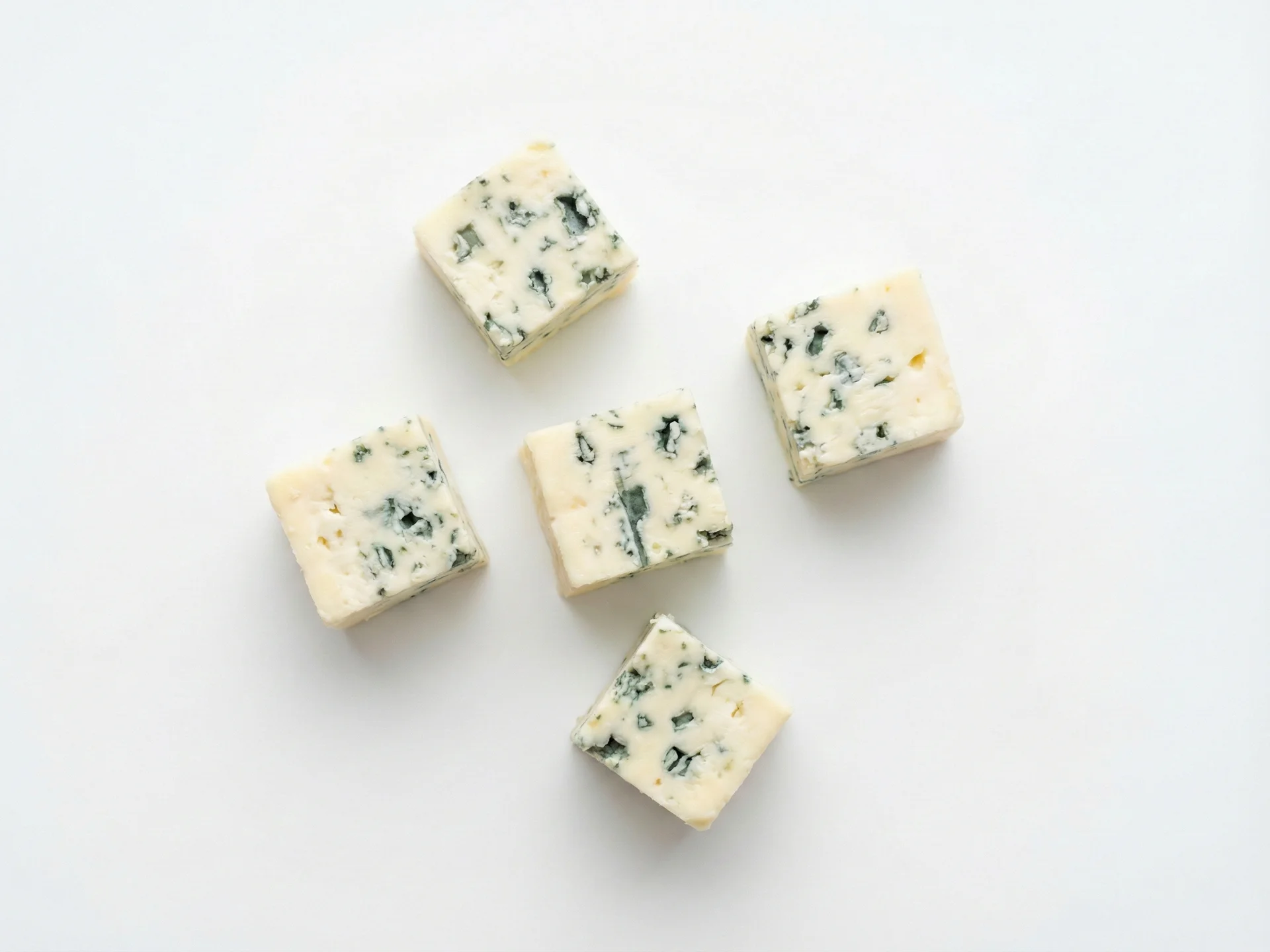
For toddlers 18 months and up, you can offer slightly larger pieces or incorporate blue cheese into recipes like sauces or baked dishes. They can handle more texture and flavor, but continue to monitor portion sizes due to sodium content.
18 months +

For toddlers 18 months and up, you can offer slightly larger pieces or incorporate blue cheese into recipes like sauces or baked dishes. They can handle more texture and flavor, but continue to monitor portion sizes due to sodium content.

  • Cut into small cubes or thin slices for self-feeding
  • Use in cooked dishes to soften the flavor and texture
  • Pair with fruits like pears to balance the saltiness
  • Encourage using utensils to practice fine motor skills
  • Limit to occasional servings to maintain a low-sodium diet

Safety & allergens

Choking risk: Low

Blue cheese is soft and crumbly, posing a low choking risk when served appropriately. For younger babies, mash or crumble it finely to avoid large pieces. Always supervise your baby during meals to ensure safe eating.

Common allergen

Cow's milk allergy affects about 2-3% of infants and young children[3], making it one of the more common food allergies in babies.

Vitamins & minerals

Blue cheese provides calcium, essential for building strong bones and teeth in growing babies[1]. It also contains vitamin B12, which is crucial for brain development and nervous system function[2]. The sodium content is higher than in other cheeses, so it's best served in moderation to avoid excessive salt intake.

Vitamins
Vitamin VITAMIN AVitamin VITAMIN B2Vitamin VITAMIN B12
Minerals
CalciumPhosphorusSodium