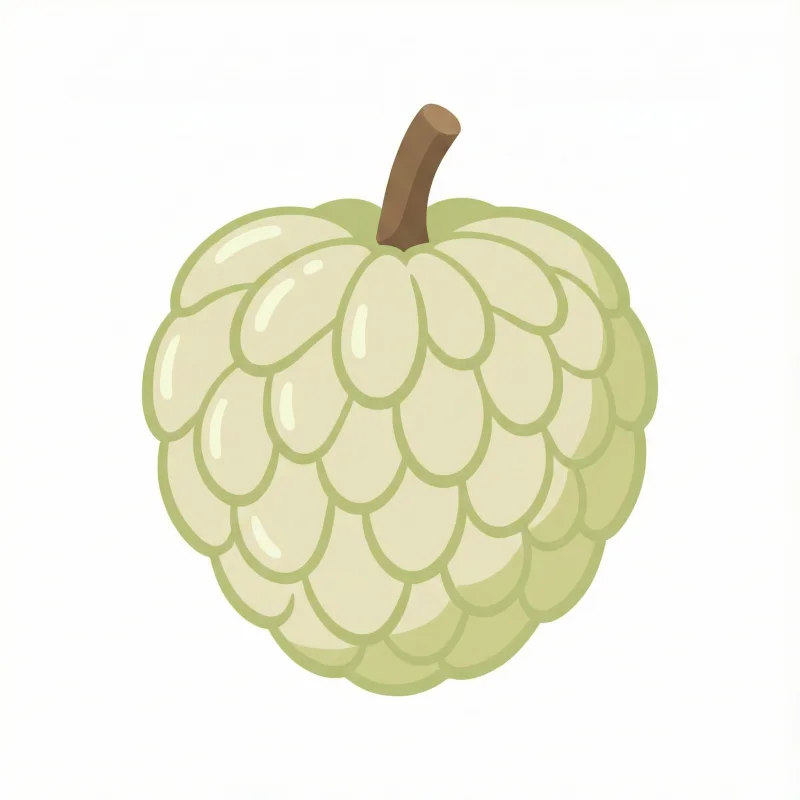
FoodsFruitCherimoya
Cherimoya

Fruit

Cherimoya

Cherimoya is a sweet, creamy tropical fruit that babies often love for its smooth texture and gentle flavor. It's packed with vitamin C to support your baby's immune system[1] and contains B vitamins that help with energy metabolism[2]. The natural sweetness makes it an easy introduction to fruits.

6m+Not a common allergenChoking risk: Medium
First age6m+
CategoryFruit
Common allergenNo
Choking riskMedium

When can babies eat Cherimoya?

You can introduce cherimoya around 6 months when starting solids, as long as it's prepared safely to prevent choking. It's a great first fruit due to its mild taste.

How to serve Cherimoya by age

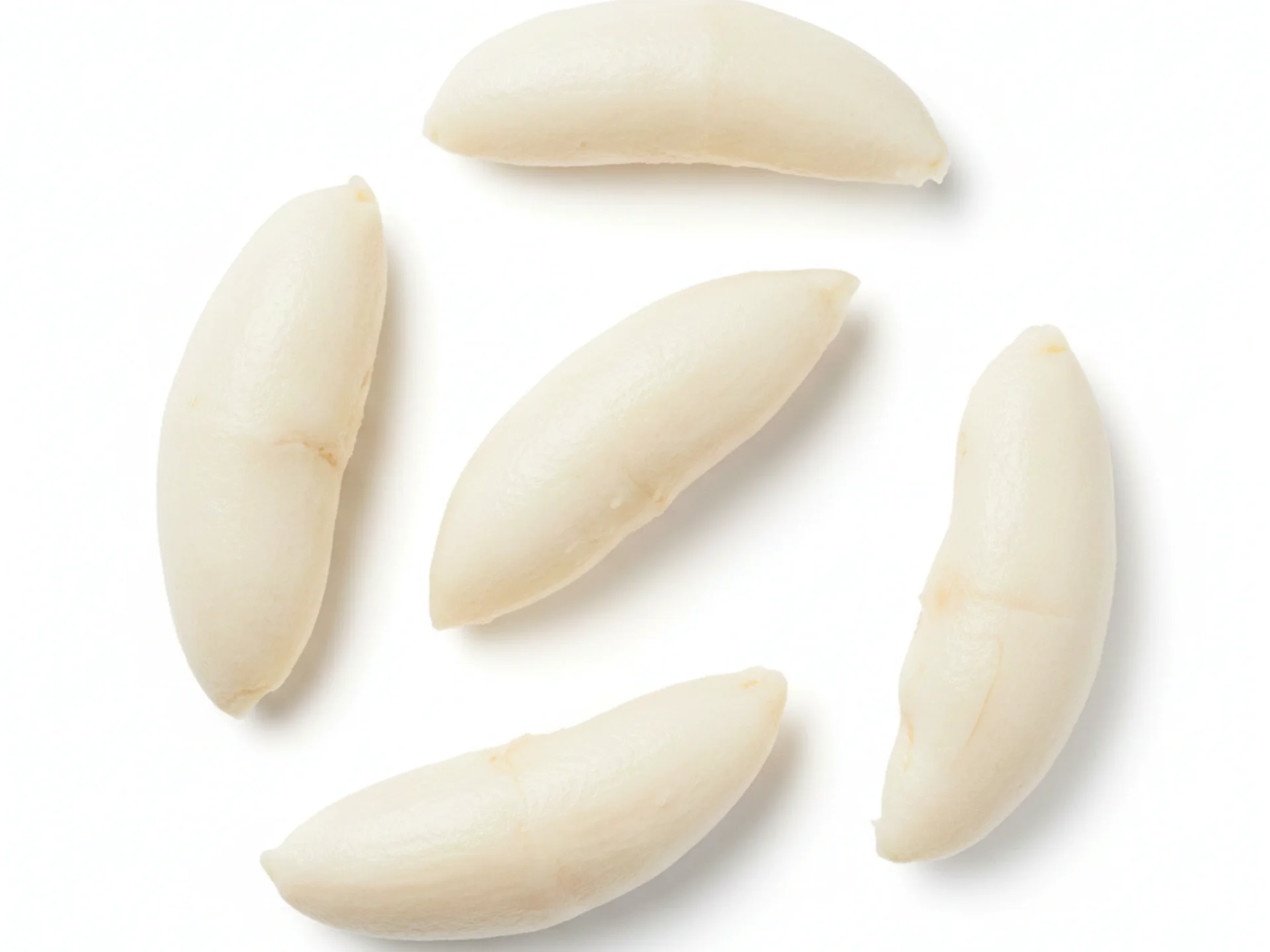
For babies 6-9 months, peel the cherimoya and remove all seeds. Mash the flesh into a smooth puree or serve in large, soft strips that your baby can hold and gum. Ensure pieces are about the size of an adult finger to reduce choking risk.
6 to 9 months

For babies 6-9 months, peel the cherimoya and remove all seeds. Mash the flesh into a smooth puree or serve in large, soft strips that your baby can hold and gum. Ensure pieces are about the size of an adult finger to reduce choking risk.

  • Always test ripeness by pressing gently—it should be soft.
  • Use a spoon to scoop out the flesh, avoiding the skin and seeds.
  • Offer on a highchair tray to encourage self-feeding.
  • Start with small amounts to check for tolerance.
  • Combine with oatmeal or yogurt for added texture variety.
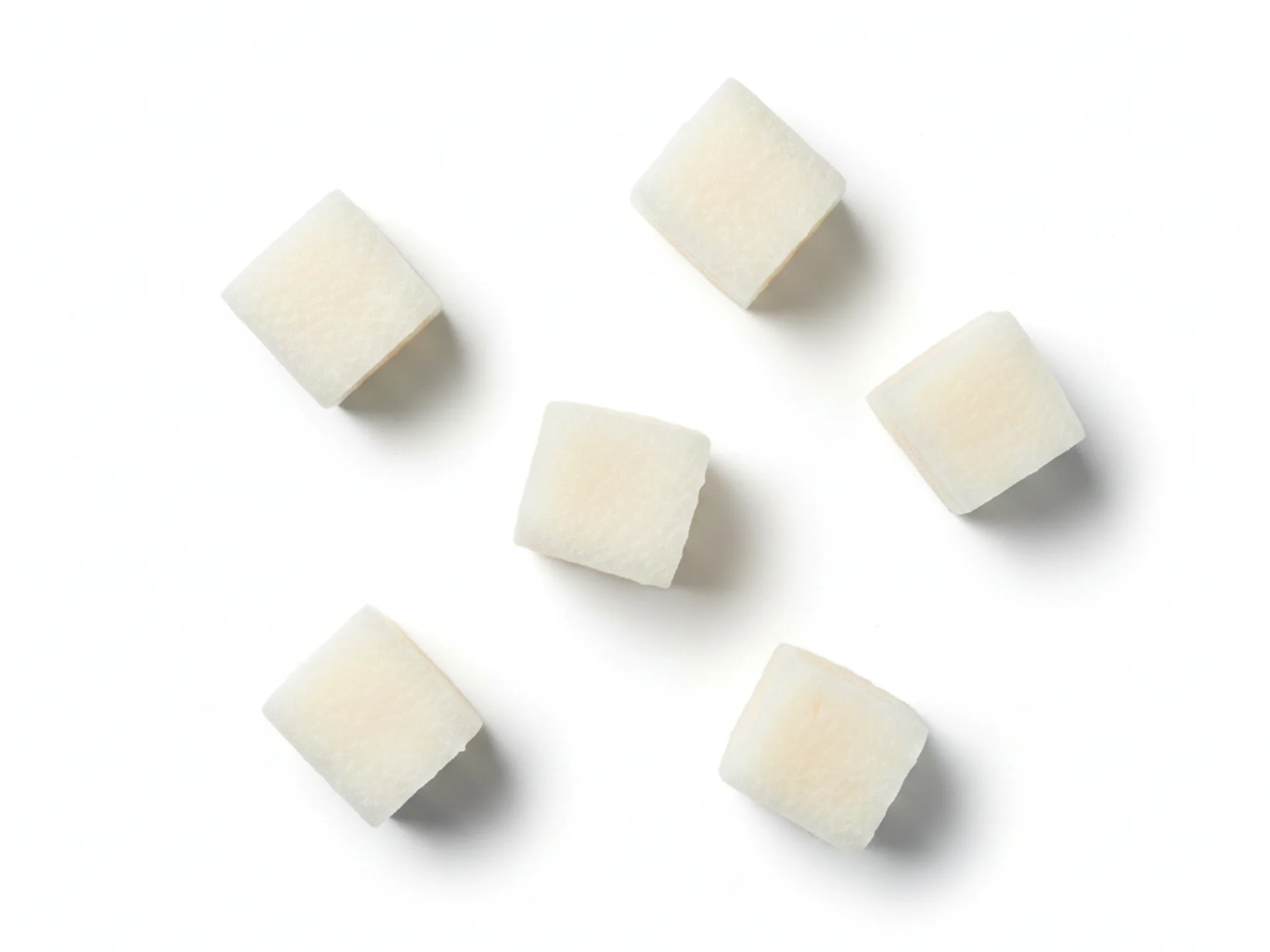
For babies 9 months and older, you can offer cherimoya in smaller, bite-sized pieces as their pincer grasp develops. Continue to remove seeds and skin, and consider mixing it into other foods like cereals or fruit salads for variety.
9 months +

For babies 9 months and older, you can offer cherimoya in smaller, bite-sized pieces as their pincer grasp develops. Continue to remove seeds and skin, and consider mixing it into other foods like cereals or fruit salads for variety.

  • Cut into small cubes (about 1/2 inch) for older babies to practice picking up.
  • Mix with other soft fruits like banana or mango for flavor exploration.
  • Use as a topping on whole-grain toast or pancakes.
  • Monitor for any difficulty with chewing as textures evolve.
  • Store leftovers promptly to maintain freshness.

Safety & allergens

Choking risk: Medium

Cherimoya has slippery seeds that are a choking hazard and must be completely removed. For babies under 12 months, always serve it mashed or pureed to a smooth consistency. Once your baby is older and has developed chewing skills, you can offer small, soft pieces.

Not a common allergen

Cherimoya is not a top allergen. As with any new food, offer it on its own and watch for any reaction.

Vitamins & minerals

Cherimoya provides vitamin C, which helps your baby absorb iron from other foods and supports healthy immune function[1]. It's also a good source of potassium for maintaining fluid balance and B vitamins that help convert food into energy[2][3]. The fruit contains dietary fiber that can support healthy digestion.

Vitamins
Vitamin VITAMIN CVitamin VITAMIN B6Vitamin VITAMIN B2Vitamin VITAMIN B1
Minerals
PotassiumMagnesiumCopperManganese