FoodsVegetableNapa cabbage
Napa cabbage

Vegetable

Napa cabbage

Napa cabbage is a wonderful first vegetable for your baby, offering a mild, slightly sweet flavor and tender texture that many little ones enjoy. It's packed with essential nutrients that support your baby's growth and development, including vitamin K for healthy blood clotting[1] and vitamin C to boost their immune system[2]. The soft leaves are easy to prepare into baby-friendly textures, making it a versatile addition to their meals.

6m+Not a common allergenChoking risk: Low
First age6m+
CategoryVegetable
Common allergenNo
Choking riskLow

When can babies eat Napa cabbage?

You can introduce Napa cabbage around 6 months when your baby starts solids, as it's gentle on their developing digestive system and easy to prepare safely.

How to serve Napa cabbage by age

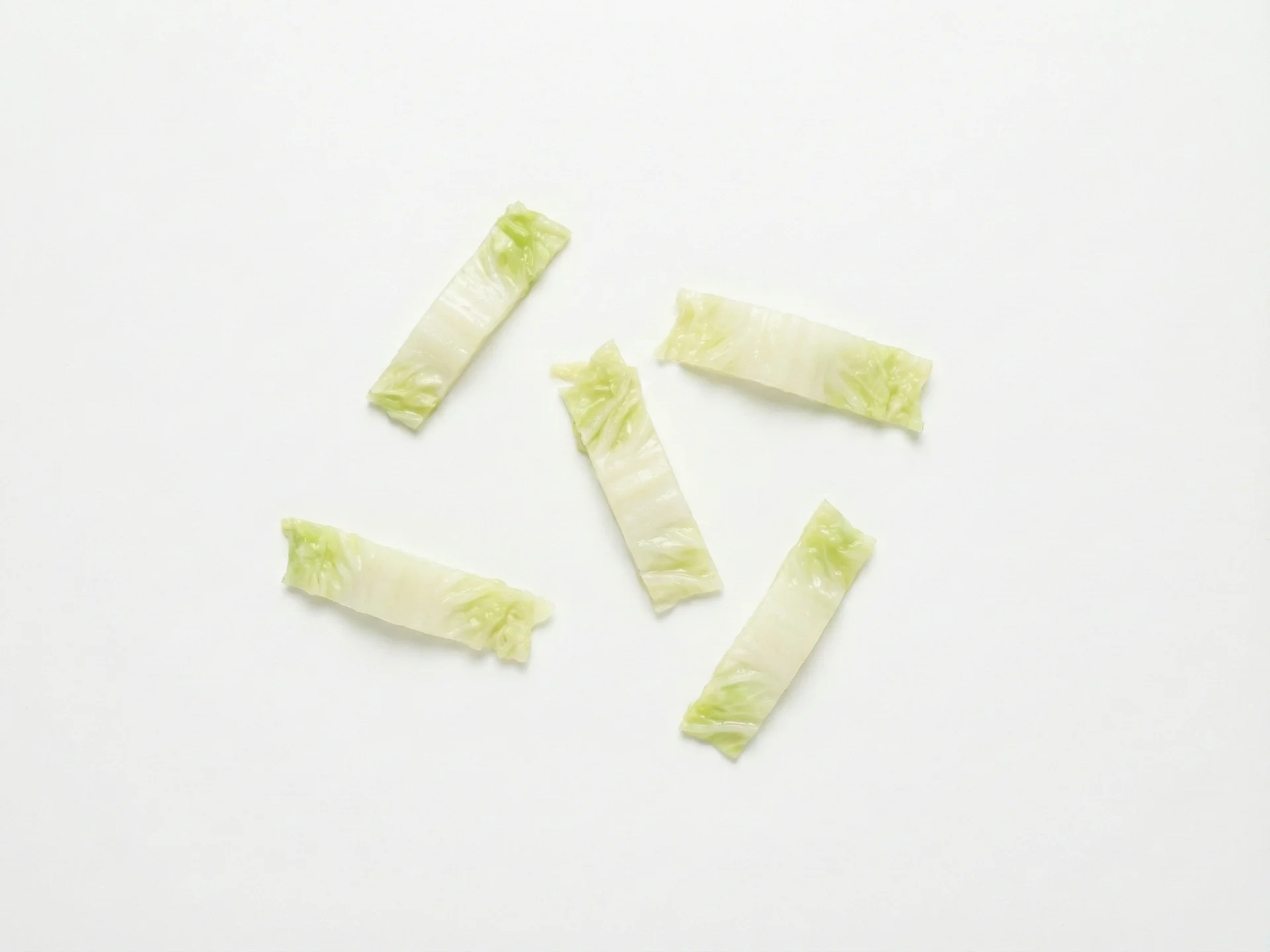
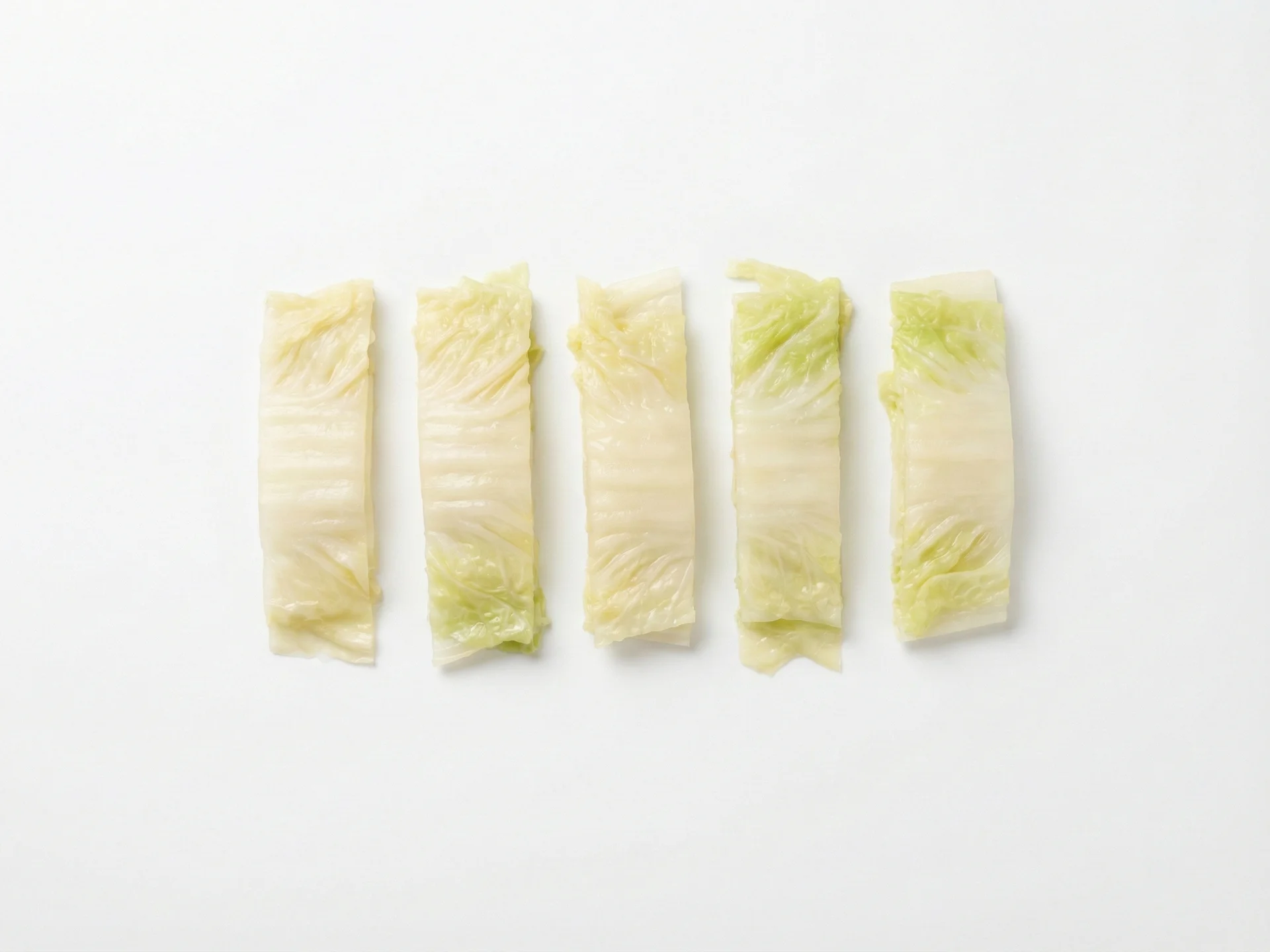
For babies 6-9 months, steam or boil Napa cabbage leaves until very soft and tender, about 8-10 minutes. Cut into large, palm-sized strips that are easy for your baby to grasp and gum. The soft texture helps prevent choking and supports self-feeding skills.
6 to 9 months

For babies 6-9 months, steam or boil Napa cabbage leaves until very soft and tender, about 8-10 minutes. Cut into large, palm-sized strips that are easy for your baby to grasp and gum. The soft texture helps prevent choking and supports self-feeding skills.

  • Remove any tough stems before cooking to ensure even softness.
  • Test the texture by mashing it between your fingers—it should be very easy to squish.
  • Offer one strip at a time to prevent overwhelming your baby.
  • Mix with a bit of breast milk or formula if needed to add familiarity.
  • Always cool the cabbage to a safe temperature before serving.
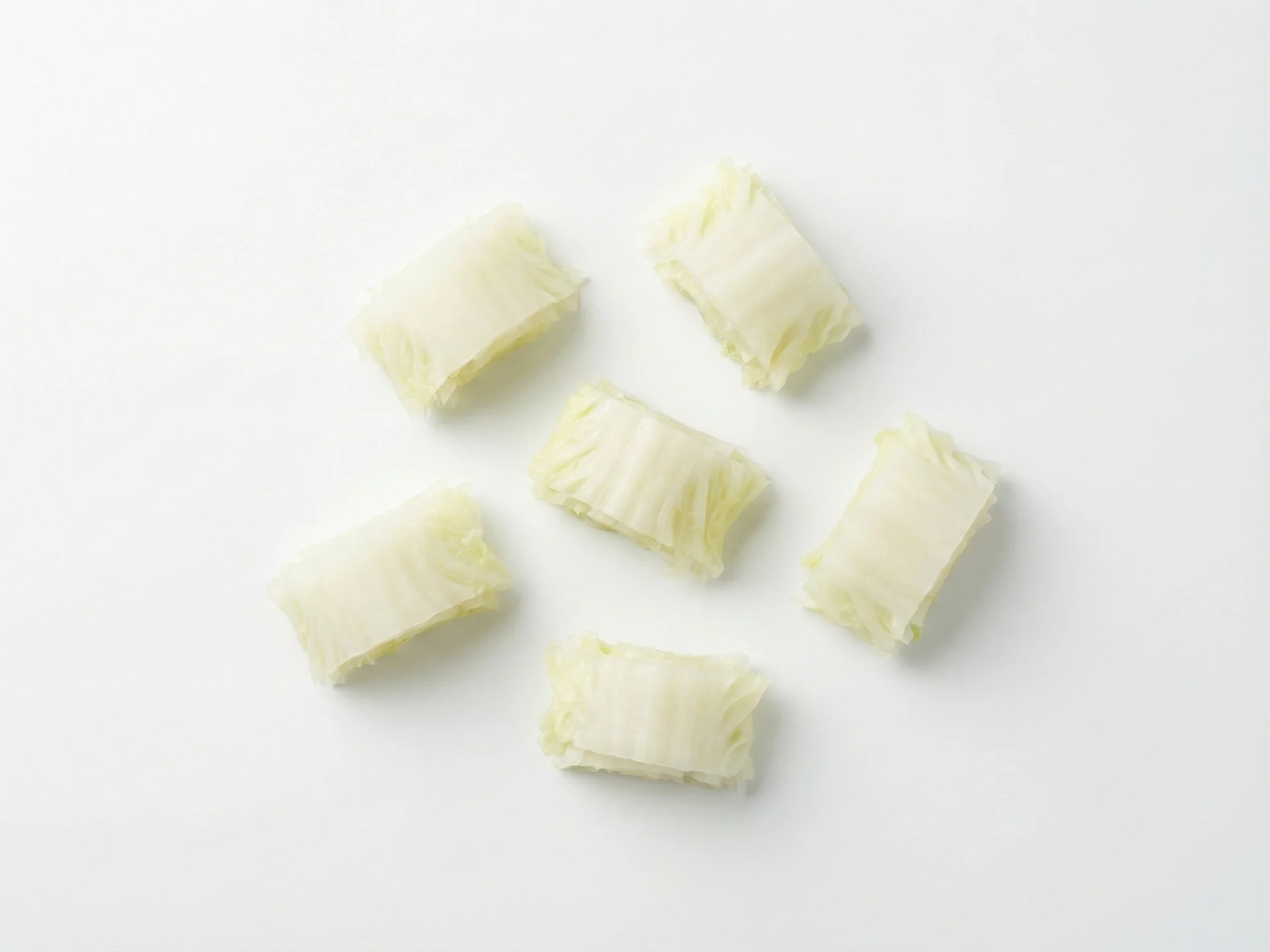
For babies 9-12 months, you can steam Napa cabbage until soft but with a bit more texture to encourage chewing. Cut into smaller, bite-sized pieces or shred it finely. This age range allows for more varied preparations, such as adding it to soups or stir-fries.
9 to 12 months

For babies 9-12 months, you can steam Napa cabbage until soft but with a bit more texture to encourage chewing. Cut into smaller, bite-sized pieces or shred it finely. This age range allows for more varied preparations, such as adding it to soups or stir-fries.

  • Introduce shredded cabbage in small piles on the tray for easier picking.
  • Combine with other soft foods like mashed potatoes or rice for variety.
  • Avoid adding salt or sugar; use herbs like parsley for flavor if desired.
  • Monitor your baby's chewing progress and adjust texture as needed.
  • Encourage self-feeding by letting your baby explore the pieces independently.
For toddlers 12 months and up, Napa cabbage can be served in more diverse ways, including lightly cooked or raw in small amounts. Cut into age-appropriate sizes, and incorporate it into family meals like salads, wraps, or cooked dishes to promote healthy eating habits.
12 months +

For toddlers 12 months and up, Napa cabbage can be served in more diverse ways, including lightly cooked or raw in small amounts. Cut into age-appropriate sizes, and incorporate it into family meals like salads, wraps, or cooked dishes to promote healthy eating habits.

  • Offer raw cabbage finely shredded in salads if your toddler tolerates it well.
  • Use Napa cabbage in homemade spring rolls or stir-fries for fun meal options.
  • Involve your toddler in washing or tearing the leaves to build interest in food.
  • Pair with dips like hummus or yogurt to enhance acceptance.
  • Continue to avoid added salt and focus on natural flavors.

Safety & allergens

Choking risk: Low

Napa cabbage has a low choking risk when prepared appropriately. For young babies, always cook until very soft and puree or mash thoroughly. As they grow, you can offer finely chopped cooked leaves, but avoid large, raw pieces that could be difficult to swallow.

Not a common allergen

Napa cabbage is not a top allergen. As with any new food, offer it on its own and watch for any reaction.

Vitamins & minerals

Napa cabbage provides key nutrients for your baby's health. Its vitamin A supports healthy vision and skin[3], while the folate (vitamin B9) is crucial for cell growth and development[4]. The calcium and magnesium contribute to strong bones[5], and the iron helps prevent anemia when paired with vitamin C-rich foods[6].

Vitamins
Vitamin VITAMIN KVitamin VITAMIN CVitamin VITAMIN AVitamin VITAMIN B9
Minerals
CalciumPotassiumIronMagnesium