FoodsHerb / SpiceSaffron
Saffron

Herb / Spice

Saffron

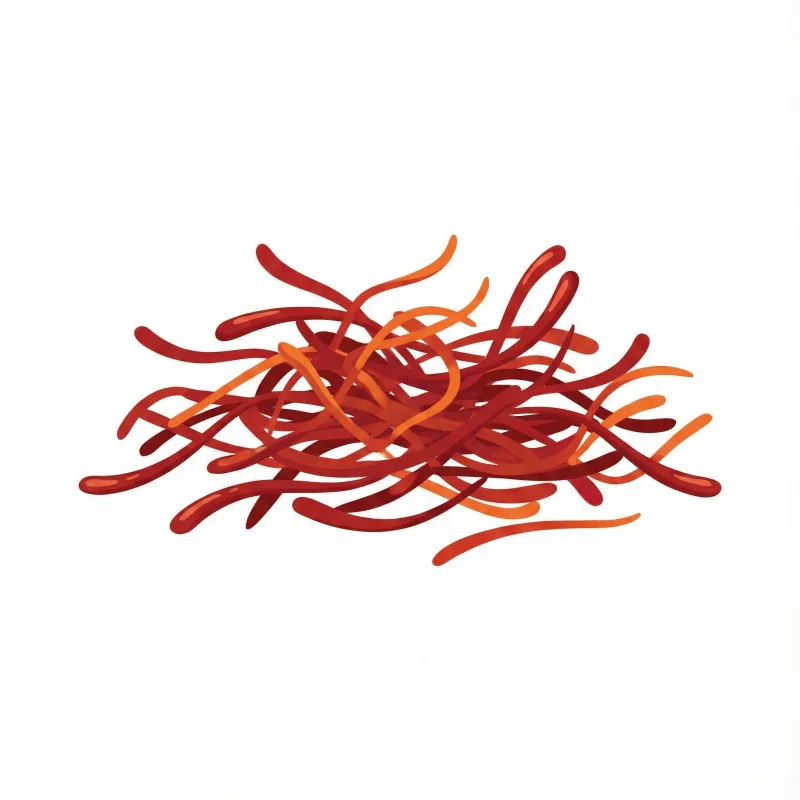
Saffron is a special spice that adds a unique golden color and subtle floral flavor to baby food. While it's used in tiny amounts, it contains antioxidants that may support your baby's developing immune system[1]. Its delicate taste can help introduce your little one to new flavors beyond basic fruits and vegetables.

6m+Not a common allergenChoking risk: Low
First age6m+
CategoryHerb / Spice
Common allergenNo
Choking riskLow

When can babies eat Saffron?

You can introduce saffron around 6 months when starting solids, but always use it sparingly—just a pinch is enough to flavor a whole batch of food.

How to serve Saffron by age

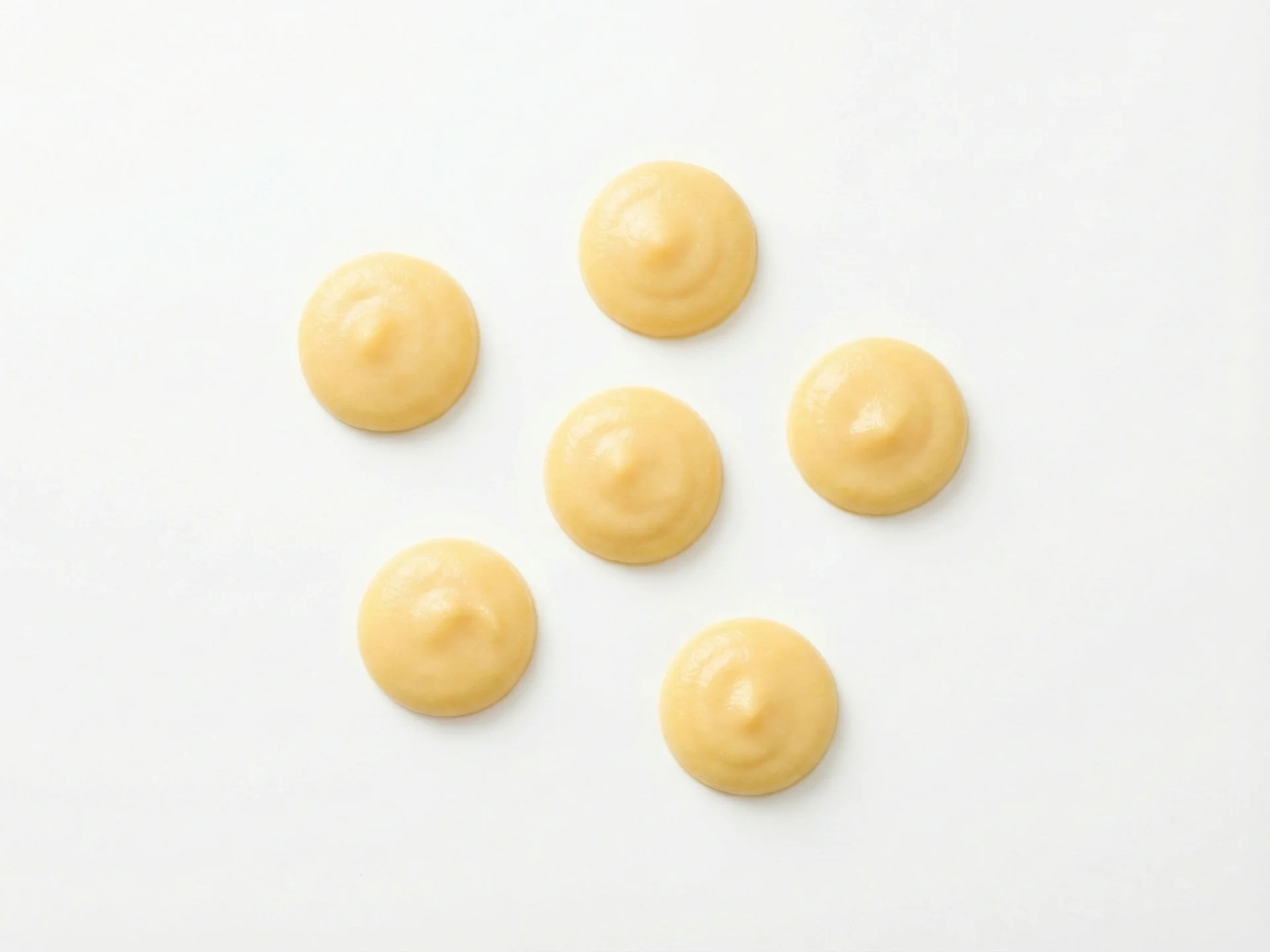
For babies 6-12 months, dissolve 1-2 saffron threads in 1-2 tablespoons of warm water, breast milk, or formula for 10-15 minutes. Mix the infused liquid into soft, mashable foods like rice, oatmeal, yogurt, or vegetable purees to add subtle flavor and color.
6 to 12 months

For babies 6-12 months, dissolve 1-2 saffron threads in 1-2 tablespoons of warm water, breast milk, or formula for 10-15 minutes. Mix the infused liquid into soft, mashable foods like rice, oatmeal, yogurt, or vegetable purees to add subtle flavor and color.

  • Soak threads thoroughly to ensure they dissolve completely and don't pose a texture risk
  • Start with just a pinch to test tolerance before increasing amount
  • Mix into familiar foods first to help baby accept the new flavor
  • Avoid adding saffron to foods that are already strongly flavored
  • Use organic saffron if possible to minimize pesticide exposure
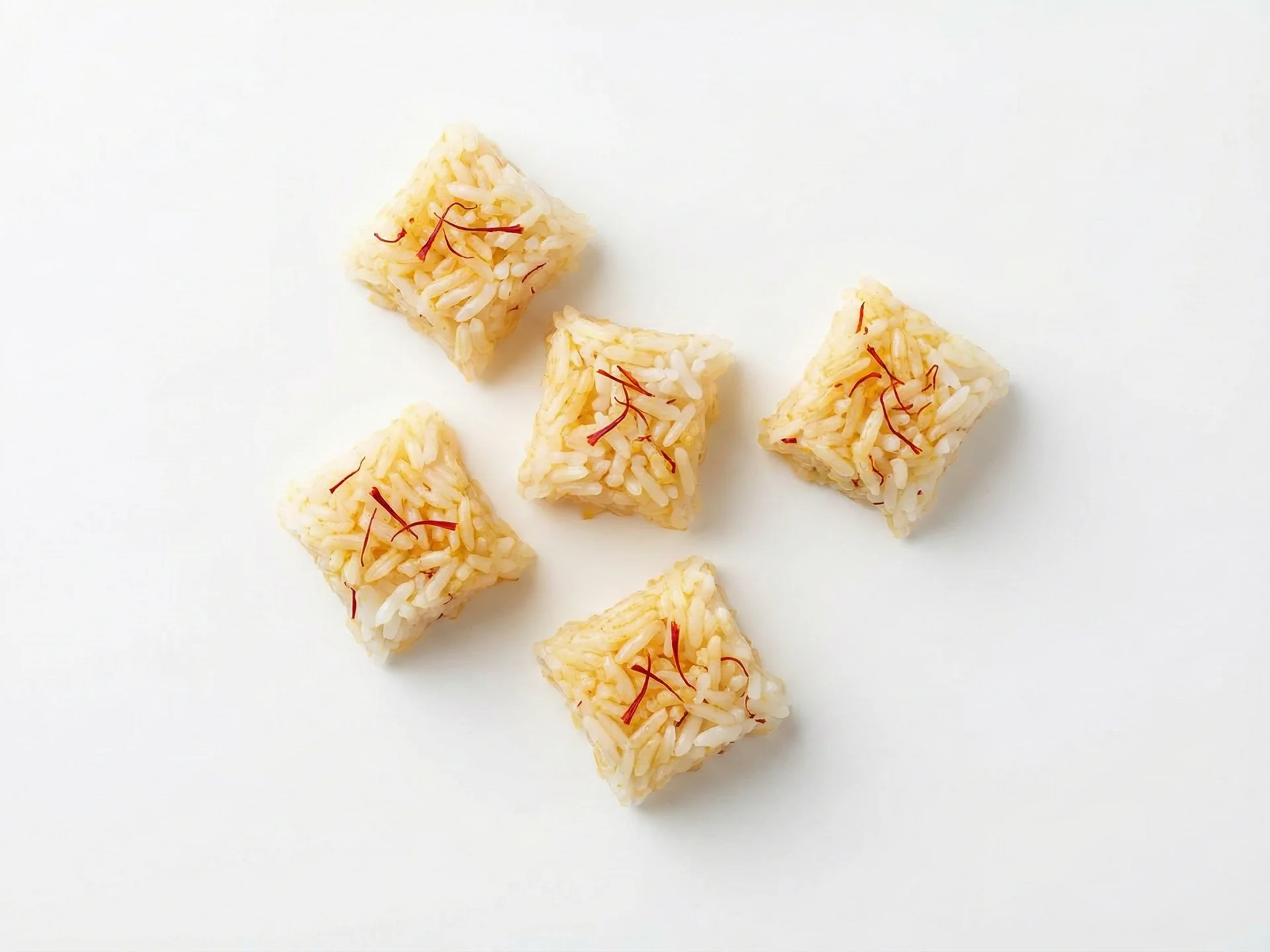
For toddlers 12 months and up, you can continue using saffron-infused liquids or try lightly sprinkling finely ground saffron powder over appropriate finger foods. Incorporate it into family meals like rice dishes, soups, or stews where flavors have melded together.
12 months +

For toddlers 12 months and up, you can continue using saffron-infused liquids or try lightly sprinkling finely ground saffron powder over appropriate finger foods. Incorporate it into family meals like rice dishes, soups, or stews where flavors have melded together.

  • Experiment with adding saffron to more complex dishes as your child's palate develops
  • Combine with other mild spices like cinnamon or turmeric for interesting flavor profiles
  • Use saffron to naturally color foods like rice or potatoes instead of artificial dyes
  • Teach older toddlers about saffron's unique color and aroma as a sensory experience
  • Monitor portion sizes - a little goes a long way with this potent spice

Safety & allergens

Choking risk: Low

Since saffron is used in such small quantities and typically dissolved in liquids or mixed into purees, it poses minimal choking risk. Always ensure it's fully incorporated into your baby's food rather than served as loose threads.

Not a common allergen

Saffron is not a top allergen. As with any new food, offer it on its own and watch for any reaction.

Vitamins & minerals

Saffron contains vitamin A which supports healthy vision development[2], and vitamin C that helps with iron absorption[3]. The iron content contributes to healthy blood cell formation[4], while potassium supports proper muscle and nerve function[5].

Vitamins
Vitamin VITAMIN AVitamin VITAMIN CVitamin VITAMIN B6Vitamin VITAMIN B9
Minerals
PotassiumMagnesiumManganeseIron