FoodsFruitGoji berry
Goji berry

Fruit

Goji berry

Goji berries are tiny, sweet-tart fruits that can add a burst of nutrition and flavor to your baby's meals. They're packed with antioxidants like vitamin C, which supports your baby's immune system[1], and vitamin A, important for healthy vision and skin[2]. Their chewy texture when dried makes them fun for older babies to explore.

6m+Not a common allergenChoking risk: Medium
First age6m+
CategoryFruit
Common allergenNo
Choking riskMedium

When can babies eat Goji berry?

You can introduce goji berries around 6 months, once your baby is ready for solids. Since they're dried and chewy, they're best served cooked or soaked until very soft for younger babies.

How to serve Goji berry by age

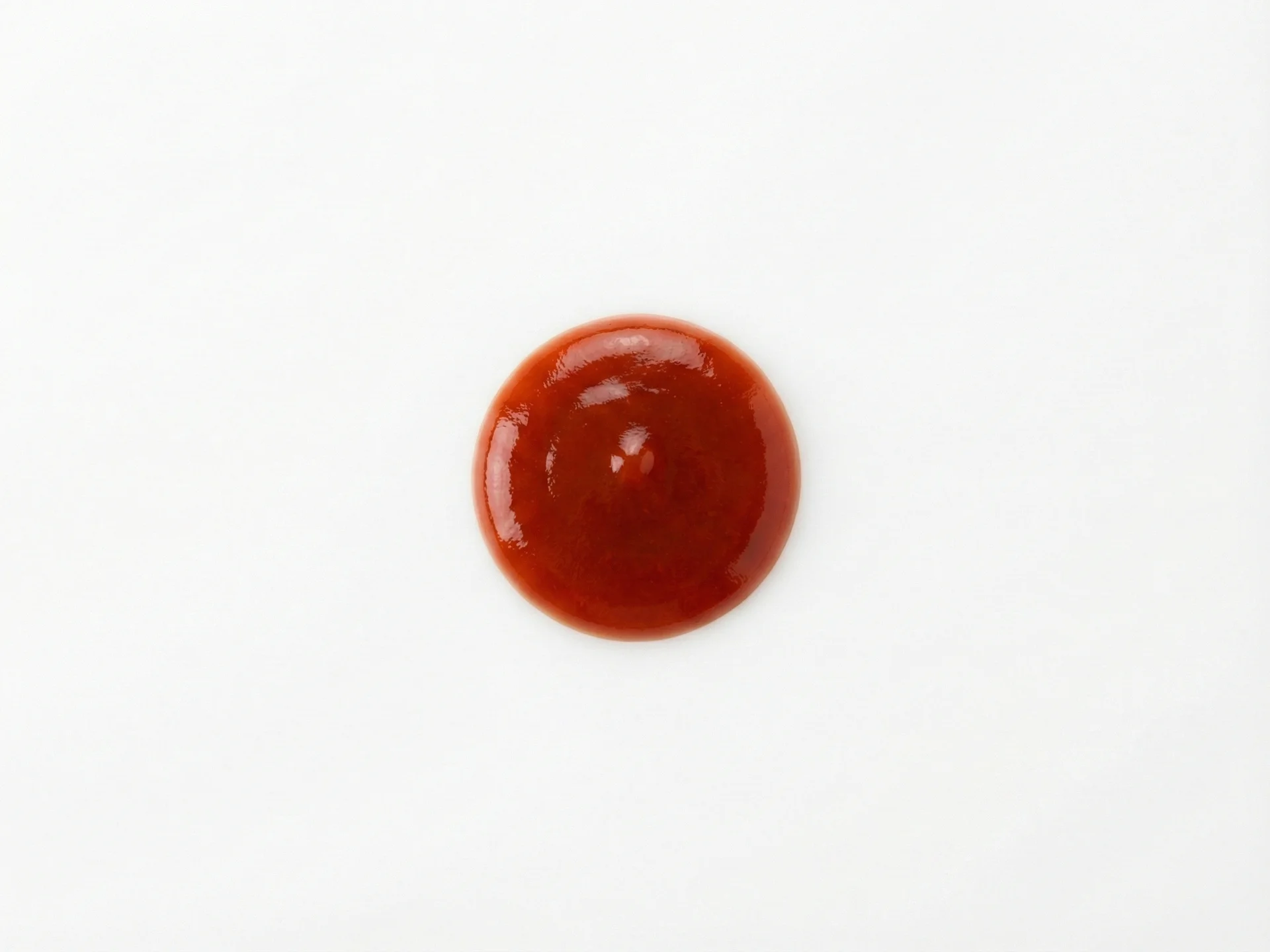
For babies 8-12 months, rehydrate dried goji berries by soaking in warm water for 15-20 minutes until very soft, then mash thoroughly with a fork or blend into a smooth puree. You can mix this puree into oatmeal, yogurt, or other soft foods. Ensure the texture is completely smooth with no lumps.
8 to 12 months

For babies 8-12 months, rehydrate dried goji berries by soaking in warm water for 15-20 minutes until very soft, then mash thoroughly with a fork or blend into a smooth puree. You can mix this puree into oatmeal, yogurt, or other soft foods. Ensure the texture is completely smooth with no lumps.

  • Soak goji berries in warm water or unsweetened apple juice for extra flavor
  • Blend soaked berries with a little liquid to create a smooth puree
  • Mix goji berry puree into familiar foods like banana or sweet potato
  • Start with just 1-2 teaspoons to assess tolerance
  • Always test temperature before serving to avoid burns
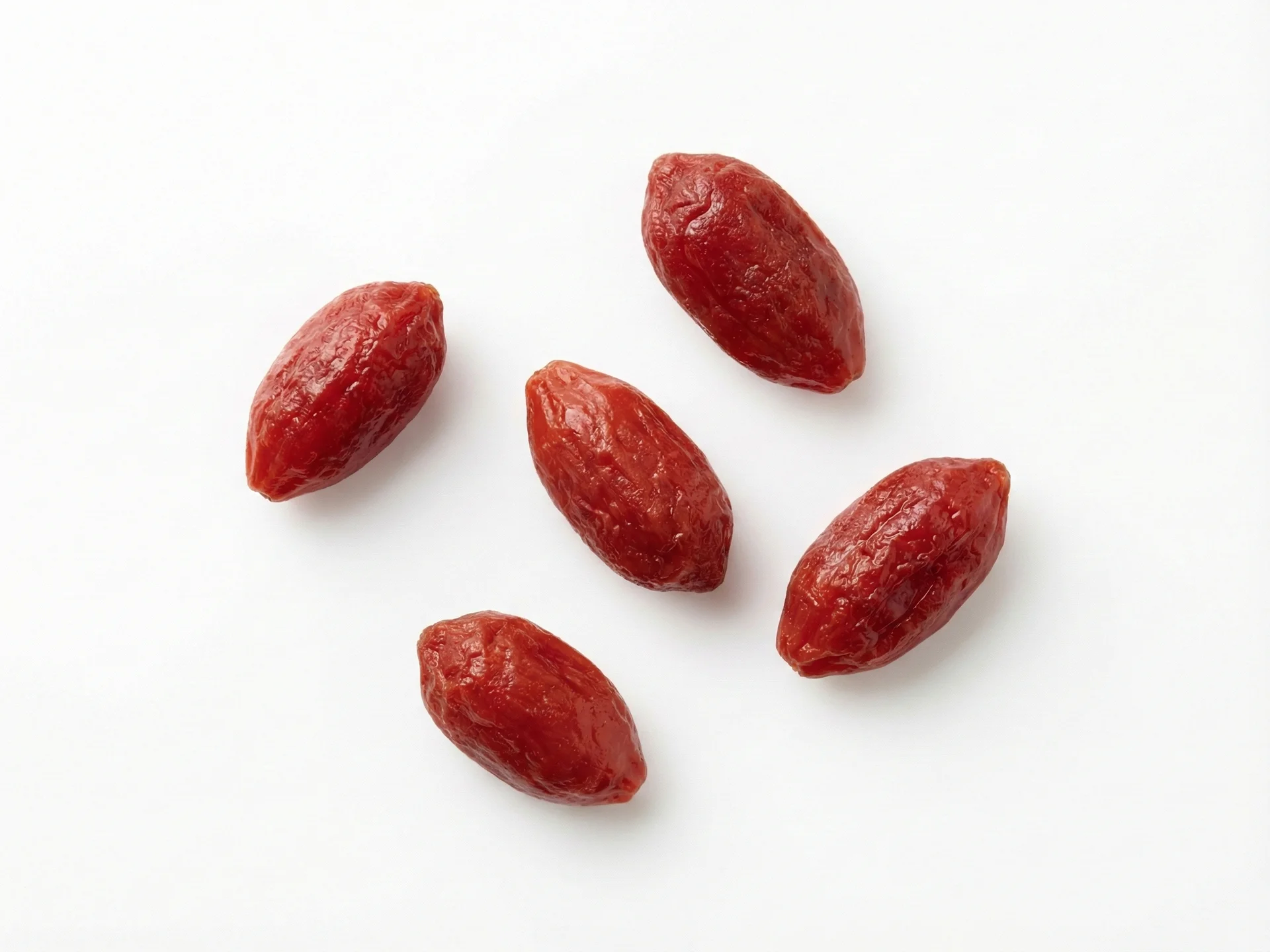
For toddlers 12 months and older, you can offer soft-cooked whole goji berries that have been rehydrated or simmered until very tender. Ensure they're soft enough to easily squish between your fingers. You can also incorporate them into baked goods, smoothies, or as a topping for cereals and yogurt.
12 months +

For toddlers 12 months and older, you can offer soft-cooked whole goji berries that have been rehydrated or simmered until very tender. Ensure they're soft enough to easily squish between your fingers. You can also incorporate them into baked goods, smoothies, or as a topping for cereals and yogurt.

  • Cook goji berries in a small amount of water until they're plump and tender
  • Chop cooked berries into smaller pieces if needed for your toddler
  • Add to muffin or pancake batter for a nutrient boost
  • Mix into yogurt or cottage cheese for a colorful snack
  • Combine with other soft fruits like blueberries or raspberries

Safety & allergens

Choking risk: Medium

Whole dried goji berries are a choking hazard due to their size and chewy texture. Always cook or soak them until very soft and mash or puree for younger babies. For older babies, you can offer them finely chopped after soaking, but supervise closely.

Not a common allergen

Goji berry is not a top allergen. As with any new food, offer it on its own and watch for any reaction.

Vitamins & minerals

Goji berries are a nutrient-dense fruit offering several key benefits. They provide vitamin C, which boosts iron absorption from plant foods[3], and vitamin A for eye health[2]. They also contain iron, which is crucial for your baby's brain development and preventing anemia[4], and zinc for immune function[5].

Vitamins
Vitamin VITAMIN AVitamin VITAMIN CVitamin VITAMIN B2
Minerals
IronZincSelenium