FoodsVegetableShallot
Shallot

Vegetable

Shallot

Shallots are a wonderful first vegetable for your baby, offering a mild, sweet flavor that's less intense than onions. They're packed with nutrients that support your little one's growth and development, including vitamin C for immune health[1] and vitamin B9 (folate) which is crucial for cell growth[2]. Their soft texture when cooked makes them easy to puree or mash for tiny eaters.

6m+Not a common allergenChoking risk: Low
First age6m+
CategoryVegetable
Common allergenNo
Choking riskLow

When can babies eat Shallot?

You can introduce shallots around 6 months when starting solids, as they're gentle on baby's developing digestive system. Always cook them thoroughly to soften their texture and mellow their flavor.

How to serve Shallot by age

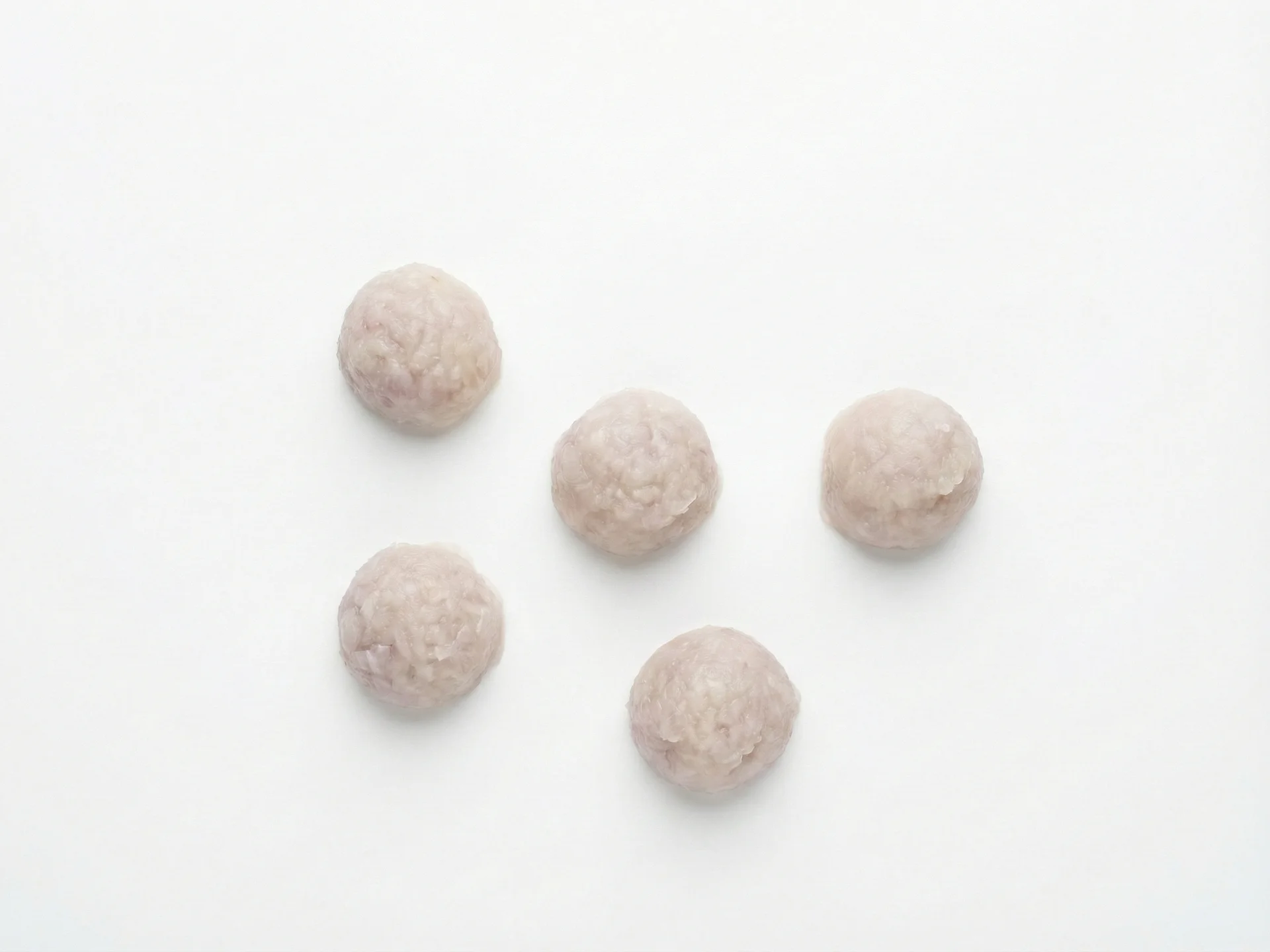
For babies 6-9 months, cook shallots until very soft by sautéing, roasting, or boiling, then mash or finely mince them into a smooth texture. Mix into purees, mashed vegetables, or soft grains like oatmeal to introduce flavor without chunks.
6 to 9 months

For babies 6-9 months, cook shallots until very soft by sautéing, roasting, or boiling, then mash or finely mince them into a smooth texture. Mix into purees, mashed vegetables, or soft grains like oatmeal to introduce flavor without chunks.

  • Peel and chop shallots finely before cooking to ensure they soften quickly.
  • Cook until translucent and tender—about 5-7 minutes when sautéing.
  • Mash cooked shallots with a fork or blend into a puree for a safe, lump-free texture.
  • Start with small amounts (e.g., 1 teaspoon) mixed into familiar foods to gauge tolerance.
  • Avoid adding salt or strong spices; let the natural sweetness of shallots shine.
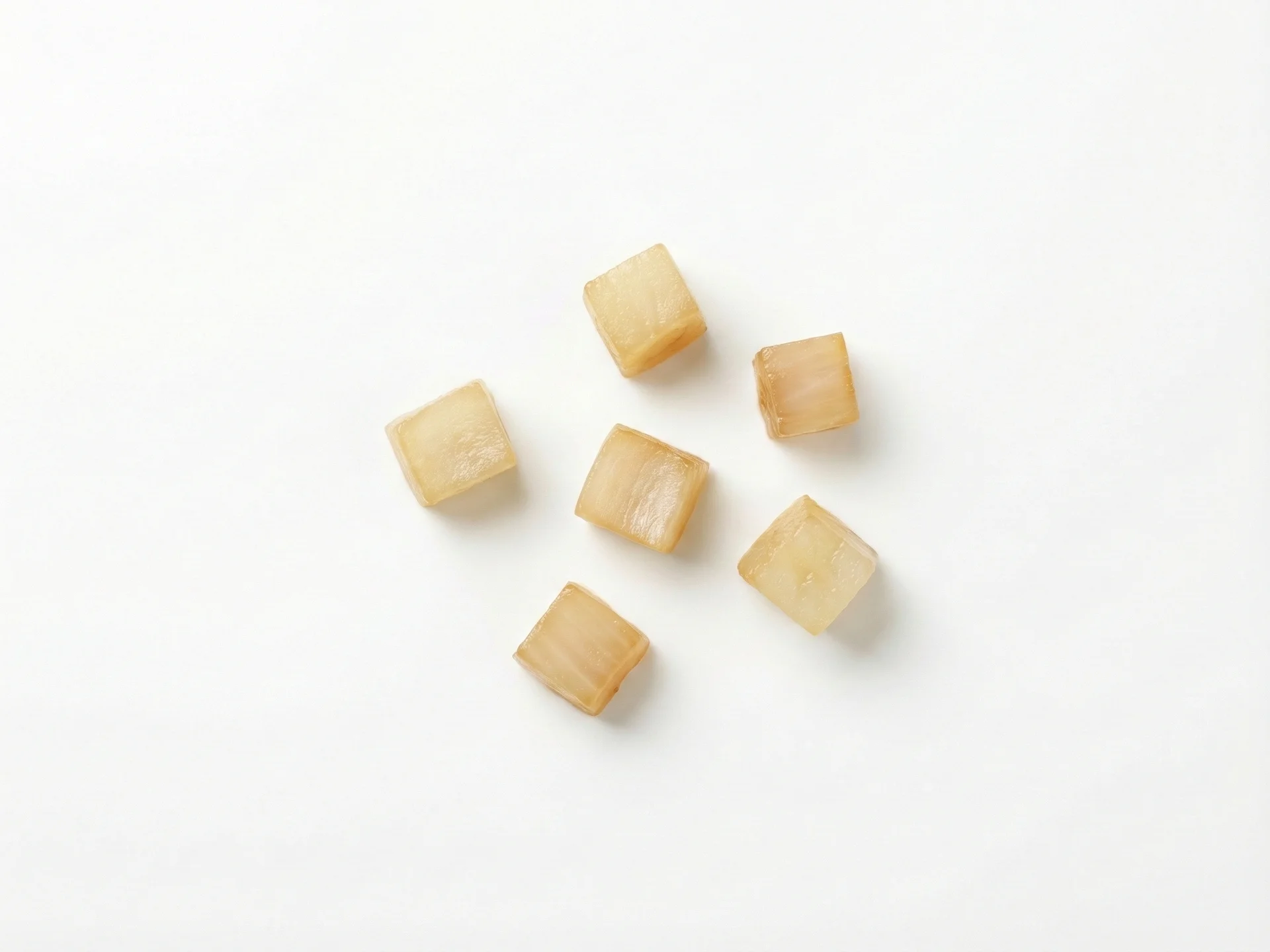
For babies 9 months and up, cook shallots until soft but offer them in small, bite-sized pieces or as part of mixed dishes. They can be added to scrambled eggs, pasta sauces, or soft vegetable medleys to encourage self-feeding and texture exploration.
9 months +

For babies 9 months and up, cook shallots until soft but offer them in small, bite-sized pieces or as part of mixed dishes. They can be added to scrambled eggs, pasta sauces, or soft vegetable medleys to encourage self-feeding and texture exploration.

  • Chop cooked shallots into pea-sized pieces for easy picking and chewing.
  • Incorporate into family meals like soups or casseroles for varied exposure.
  • Monitor your baby while eating to ensure they handle the texture safely.
  • Use shallots to flavor foods naturally, reducing the need for added salt.
  • Encourage self-feeding by offering shallot pieces on a pre-loaded spoon or as finger food.

Safety & allergens

Choking risk: Low

Shallots have a low choking risk when properly prepared. Always cook until very soft and mash or puree for younger babies. For older babies, ensure pieces are small, soft, and manageable for their chewing ability.

Not a common allergen

Shallot is not a top allergen. As with any new food, offer it on its own and watch for any reaction.

Vitamins & minerals

Shallots provide key nutrients for your baby's health: vitamin C supports immune function and helps absorb iron from other foods[1], vitamin B6 aids brain development[3], and vitamin B9 (folate) is essential for growth[2]. They also contain minerals like potassium for fluid balance and copper for red blood cell formation[4].

Vitamins
Vitamin VITAMIN CVitamin VITAMIN B6Vitamin VITAMIN B9
Minerals
PotassiumManganeseCopper