FoodsNutAlmond Yogurt
Almond Yogurt

Nut

Almond Yogurt

Almond yogurt is a creamy, dairy-free alternative that's perfect for babies who need or prefer plant-based options. It has a mild, slightly nutty flavor that many babies enjoy, and it's packed with nutrients that support your little one's growth. The smooth texture makes it easy for beginners to eat, and it's versatile enough to mix with fruits or cereals.

6m+Common allergenChoking risk: Low
First age6m+
CategoryNut
Common allergenYes
Choking riskLow

When can babies eat Almond Yogurt?

You can introduce almond yogurt around 6 months when starting solids, but because it contains tree nuts, it's important to follow safe introduction practices for allergens. Many pediatricians recommend introducing allergenic foods early to help reduce allergy risk.

How to serve Almond Yogurt by age

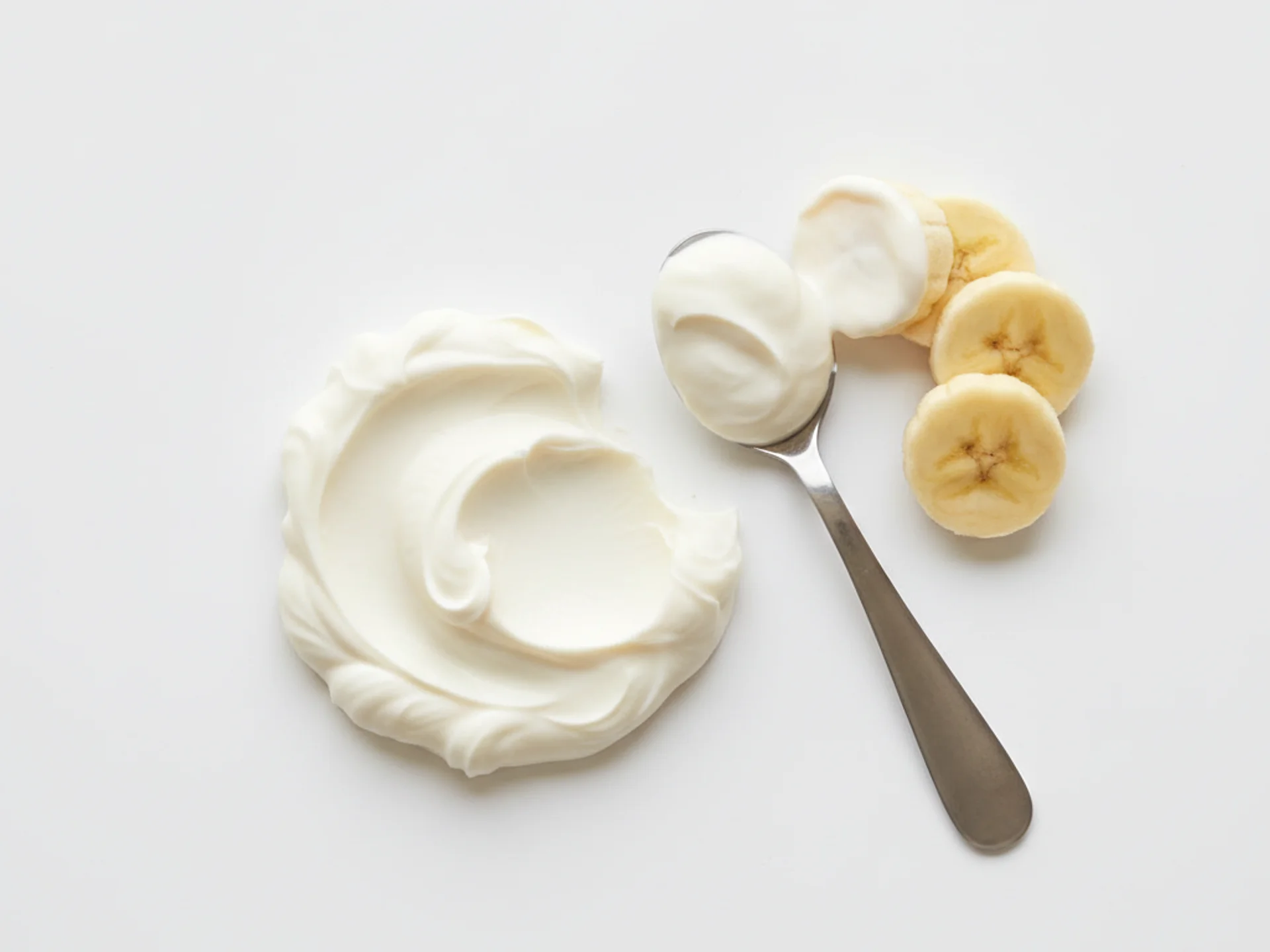
Serve plain, unsweetened almond yogurt in a thick, scoopable consistency. Offer it on a pre-loaded spoon or let your baby dip their fingers or soft foods like banana slices into it. Avoid runny textures to reduce mess and ensure easy handling.
6 to 9 months

Serve plain, unsweetened almond yogurt in a thick, scoopable consistency. Offer it on a pre-loaded spoon or let your baby dip their fingers or soft foods like banana slices into it. Avoid runny textures to reduce mess and ensure easy handling.

  • Choose unsweetened varieties to avoid added sugars
  • Mix with mashed fruits like avocado or pear for added nutrients
  • Serve at room temperature to make it more palatable
  • Use a suction bowl to prevent spills
  • Start with small amounts to monitor for allergies
As your baby develops better chewing skills, you can offer almond yogurt as a dip for firmer foods or mix it into oatmeal or smoothies. You can also introduce slight variations, like adding a pinch of cinnamon for flavor, but keep it simple and avoid honey until after 12 months.
9 months +

As your baby develops better chewing skills, you can offer almond yogurt as a dip for firmer foods or mix it into oatmeal or smoothies. You can also introduce slight variations, like adding a pinch of cinnamon for flavor, but keep it simple and avoid honey until after 12 months.

  • Combine with whole grain cereals for a balanced meal
  • Use as a base for homemade popsicles by freezing with fruit purees
  • Offer with soft vegetable sticks like cooked carrots for dipping
  • Avoid adding nuts or seeds that could pose a choking risk
  • Encourage self-feeding with a baby-safe spoon

Safety & allergens

Choking risk: Low

Almond yogurt is naturally smooth and poses minimal choking risk when served as is. However, if you mix in chunks of fruit or other foods, make sure those additions are appropriately sized for your baby's age. Always supervise your baby during meals and ensure they're sitting upright.

Common allergen

Tree nut allergies affect about 0.5-1% of children, with almond being one of the more common tree nut allergens.[1]

Vitamins & minerals

Almond yogurt provides vitamin E, which acts as an antioxidant to protect cells from damage.[3] It also contains calcium and magnesium for strong bones and teeth development.[4] The potassium helps maintain healthy fluid balance and supports nerve function.[5]

Vitamins
Vitamin VITAMIN EVitamin VITAMIN B2Vitamin VITAMIN B3
Minerals
CalciumMagnesiumPhosphorusPotassium