FoodsFruitCoconut oil
Coconut oil

Fruit

Coconut oil

Coconut oil is a versatile, mild-tasting oil that can add healthy fats to your baby's meals. It's solid at room temperature but melts easily, making it simple to mix into purees or spread on toast. While not a major source of vitamins and minerals, it provides medium-chain triglycerides (MCTs) that are easily digested and may support energy metabolism in infants.[1]

6m+Not a common allergenChoking risk: Low
First age6m+
CategoryFruit
Common allergenNo
Choking riskLow

When can babies eat Coconut oil?

You can introduce coconut oil around 6 months when starting solids, as it's generally well-tolerated and not a common allergen. Use it sparingly as a cooking fat or flavor enhancer rather than a main food.

How to serve Coconut oil by age

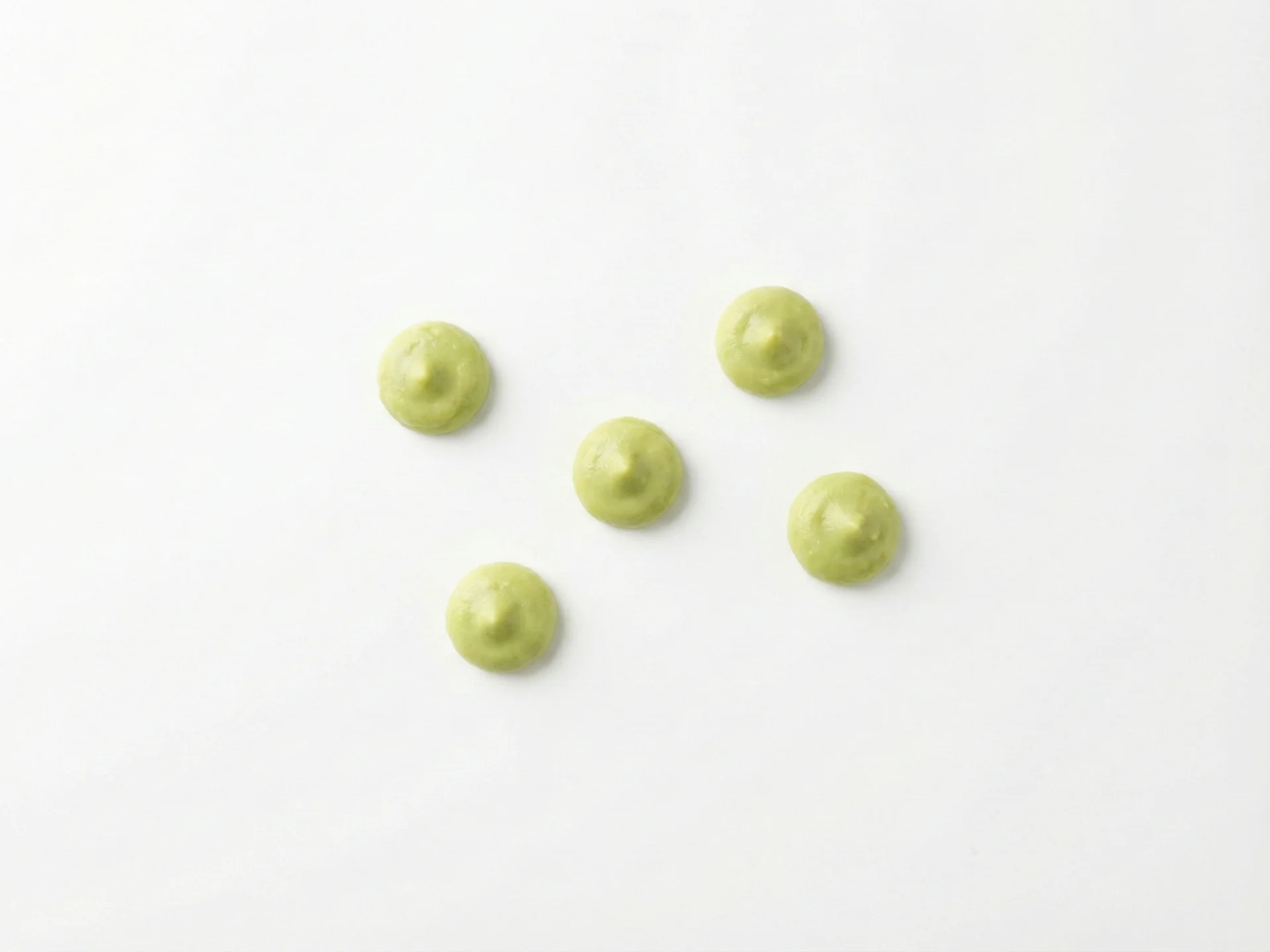
For babies 6-12 months, use coconut oil in very small amounts—about 1/4 teaspoon—mixed into soft, mashed foods like avocado, banana, or cooked cereals. Ensure it's fully incorporated to avoid large globs that could cause gagging. You can also lightly coat finger foods like steamed carrot sticks with a thin layer to add flavor and healthy fats.
6 to 12 months

For babies 6-12 months, use coconut oil in very small amounts—about 1/4 teaspoon—mixed into soft, mashed foods like avocado, banana, or cooked cereals. Ensure it's fully incorporated to avoid large globs that could cause gagging. You can also lightly coat finger foods like steamed carrot sticks with a thin layer to add flavor and healthy fats.

  • Melt coconut oil slightly if solid for easier mixing.
  • Start with once-a-week servings to monitor tolerance.
  • Avoid using it as a standalone food; always combine with other ingredients.
  • Choose unrefined, organic coconut oil for purity.
  • Store in a sealed container to prevent contamination.
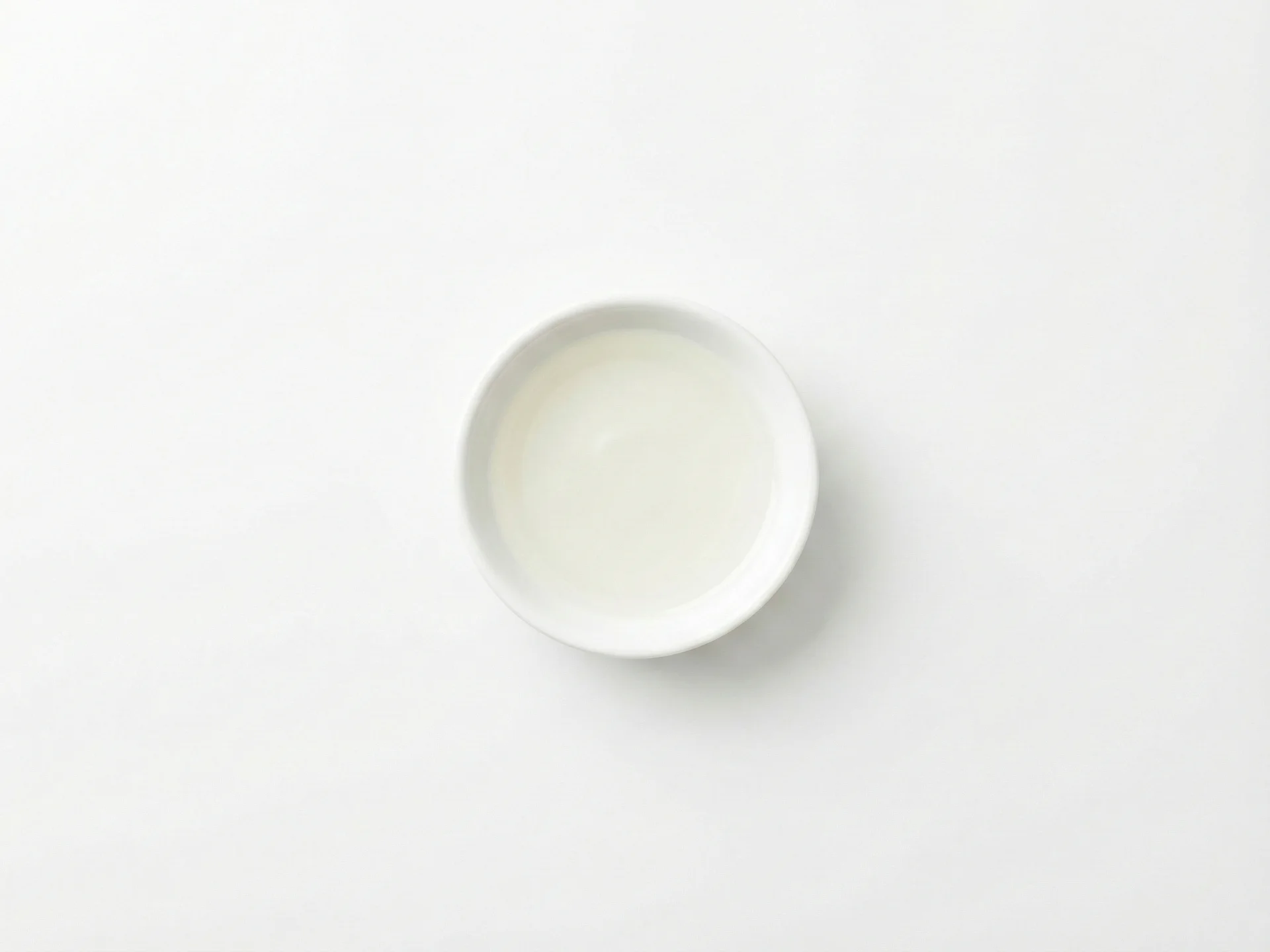
For toddlers 12 months and up, you can increase coconut oil to 1/2-1 teaspoon per serving. Use it in cooking for dishes like scrambled eggs, pancakes, or stir-fried vegetables. It can also be drizzled over cooked grains or blended into smoothies for added energy and nutrients.
12 months +

For toddlers 12 months and up, you can increase coconut oil to 1/2-1 teaspoon per serving. Use it in cooking for dishes like scrambled eggs, pancakes, or stir-fried vegetables. It can also be drizzled over cooked grains or blended into smoothies for added energy and nutrients.

  • Incorporate into family meals to model healthy eating.
  • Experiment with baking using coconut oil in muffins or cookies.
  • Monitor for any digestive changes with increased amounts.
  • Pair with fiber-rich foods to balance fat intake.
  • Keep portions small to maintain a varied diet.

Safety & allergens

Choking risk: Low

Coconut oil itself poses minimal choking risk since it's liquid when warm or easily melts in the mouth. However, avoid giving large spoonfuls to young babies; instead, mix small amounts into other foods. Always supervise feeding and ensure your baby is sitting upright.

Not a common allergen

Coconut oil is not a top allergen. As with any new food, offer it on its own and watch for any reaction.

Vitamins & minerals

Coconut oil is rich in medium-chain triglycerides (MCTs), which are fats that babies can digest more easily than some other fats, potentially providing quick energy.[1] It also contains small amounts of vitamin E, an antioxidant that supports immune function and skin health,[2] and vitamin K, which is important for blood clotting and bone development.[3]

Vitamins
Vitamin VITAMIN EVitamin VITAMIN K
Minerals
Iron