FoodsSeedSunflower oil
Sunflower oil

Seed

Sunflower oil

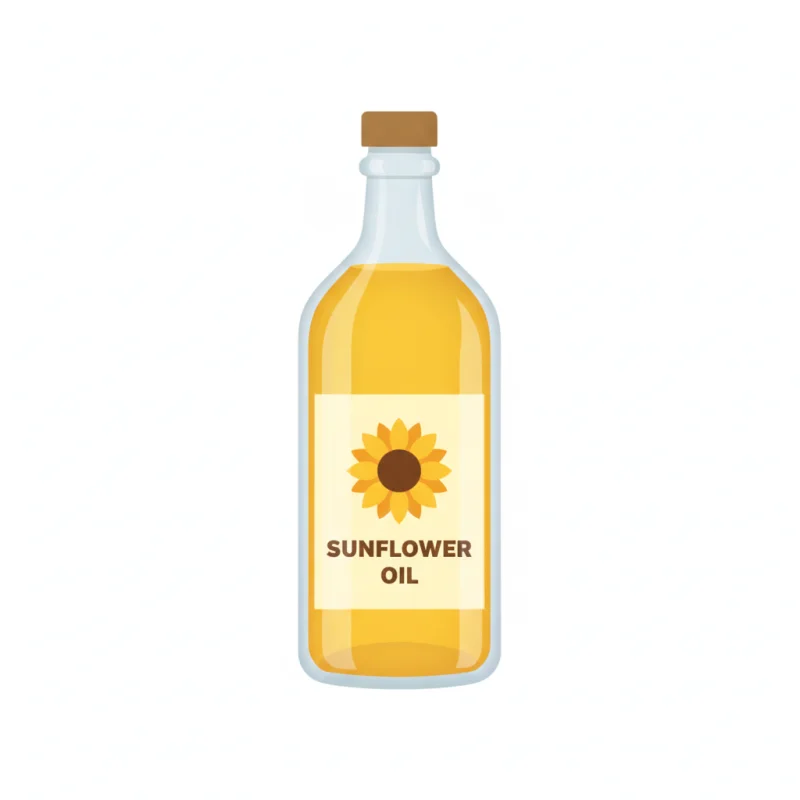
Sunflower oil is a versatile, mild-tasting oil that can be a great addition to your baby's meals. It's rich in Vitamin E, which supports healthy skin and immune function[1], and Vitamin K, which is important for blood clotting and bone health[2]. Its neutral flavor makes it easy to mix into purees or drizzle over cooked vegetables.

6m+Not a common allergenChoking risk: Low
First age6m+
CategorySeed
Common allergenNo
Choking riskLow

When can babies eat Sunflower oil?

You can introduce sunflower oil around 6 months when starting solids, as it's safe and easy to digest. It's often used in small amounts to add healthy fats to baby's diet.

How to serve Sunflower oil by age

For babies 6-12 months, use sunflower oil sparingly by drizzling a small amount (about 1/4 to 1/2 teaspoon) over soft, mashed foods like avocado, sweet potato, or oatmeal. This helps them get used to the taste and texture while benefiting from the healthy fats.
6 to 12 months

For babies 6-12 months, use sunflower oil sparingly by drizzling a small amount (about 1/4 to 1/2 teaspoon) over soft, mashed foods like avocado, sweet potato, or oatmeal. This helps them get used to the taste and texture while benefiting from the healthy fats.

  • Mix a drop into purees or mashes to enhance flavor and nutrition.
  • Use it to lightly coat finger foods like steamed carrot sticks for easier gripping.
  • Avoid giving oil directly from a spoon to prevent gagging.
  • Choose cold-pressed or unrefined sunflower oil for higher nutrient content.
  • Combine with iron-rich foods like lentils to boost absorption.
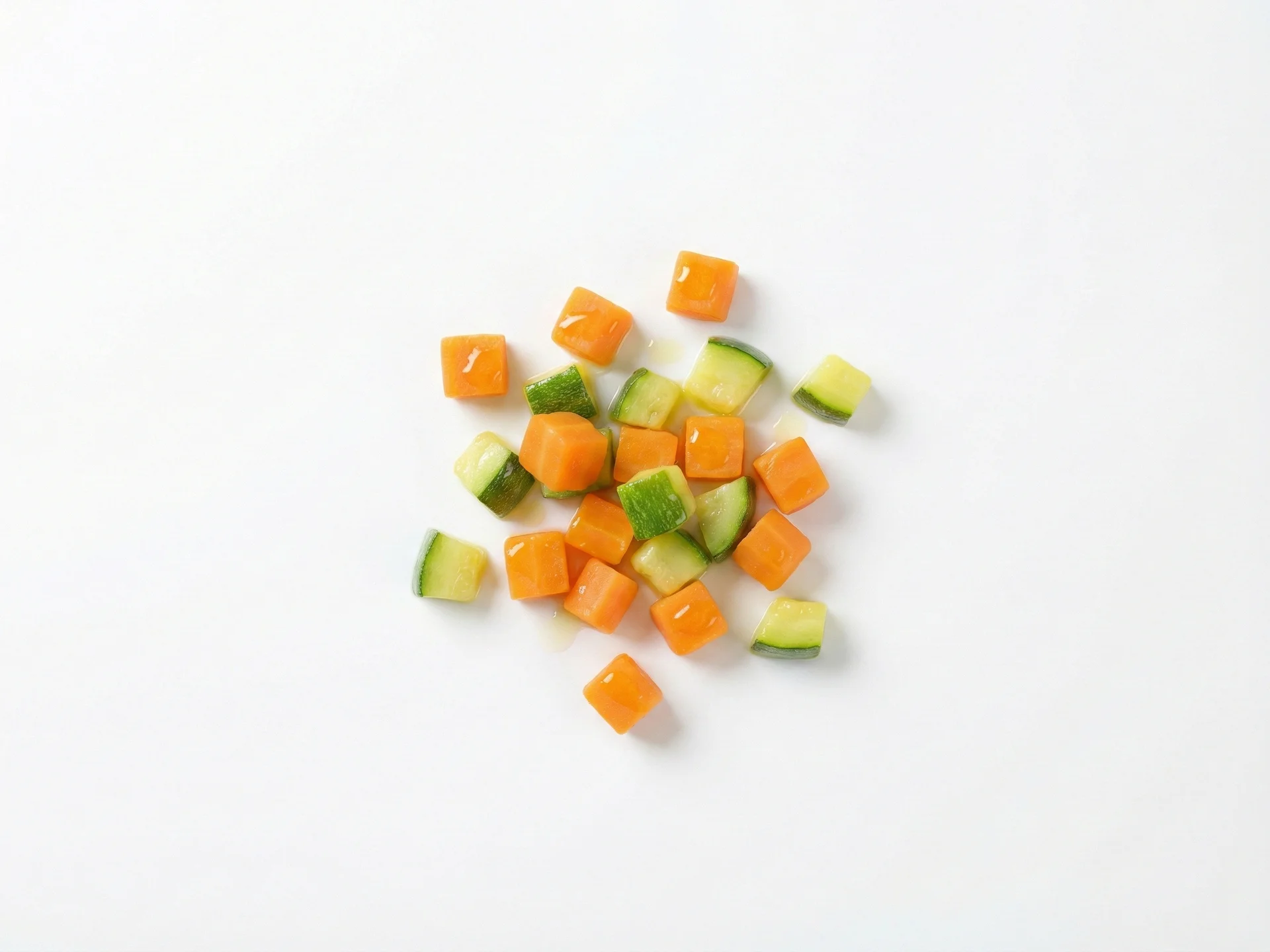
For toddlers 12 months and up, you can use sunflower oil more liberally in cooking, such as in baking, sautéing vegetables, or making dressings. They can handle larger amounts integrated into family meals, but still monitor for balanced fat intake.
12 months +

For toddlers 12 months and up, you can use sunflower oil more liberally in cooking, such as in baking, sautéing vegetables, or making dressings. They can handle larger amounts integrated into family meals, but still monitor for balanced fat intake.

  • Use it to roast veggies for a tasty, nutrient-packed side dish.
  • Incorporate into homemade muffins or pancakes for added moisture and health benefits.
  • Teach your toddler to dip bread or veggies in oil-based dips for fun eating.
  • Opt for organic varieties if possible to minimize pesticide exposure.
  • Balance with other healthy fats like avocado or olive oil for variety.

Safety & allergens

Choking risk: Low

Sunflower oil is liquid and poses no choking risk when used as intended. However, always supervise your baby during meals and avoid giving large amounts straight from a spoon, as it could cause gagging or discomfort.

Not a common allergen

Sunflower oil is not a top allergen. As with any new food, offer it on its own and watch for any reaction.

Vitamins & minerals

Sunflower oil is primarily a source of healthy fats, which are essential for brain development and energy in babies[3]. It's particularly high in Vitamin E, an antioxidant that protects cells and supports the immune system[1], and contains Vitamin K, which helps with blood clotting and bone strength[2].

Vitamins
Vitamin VITAMIN EVitamin VITAMIN K