
FoodsBeanBlack lentils
Black lentils

Bean

Black lentils

Black lentils are a wonderful first food for your baby, offering a creamy texture when cooked and a mild, earthy flavor that many little ones enjoy. They're packed with plant-based iron and protein to support your baby's growth and energy needs[1], plus fiber to help with healthy digestion[2]. These tiny legumes are also naturally gluten-free and easy to digest when prepared properly.

6m+Not a common allergenChoking risk: Low
First age6m+
CategoryBean
Common allergenNo
Choking riskLow

When can babies eat Black lentils?

You can introduce black lentils around 6 months, when your baby is ready for solids. They're a great early protein source for both breastfed and formula-fed babies.

How to serve Black lentils by age

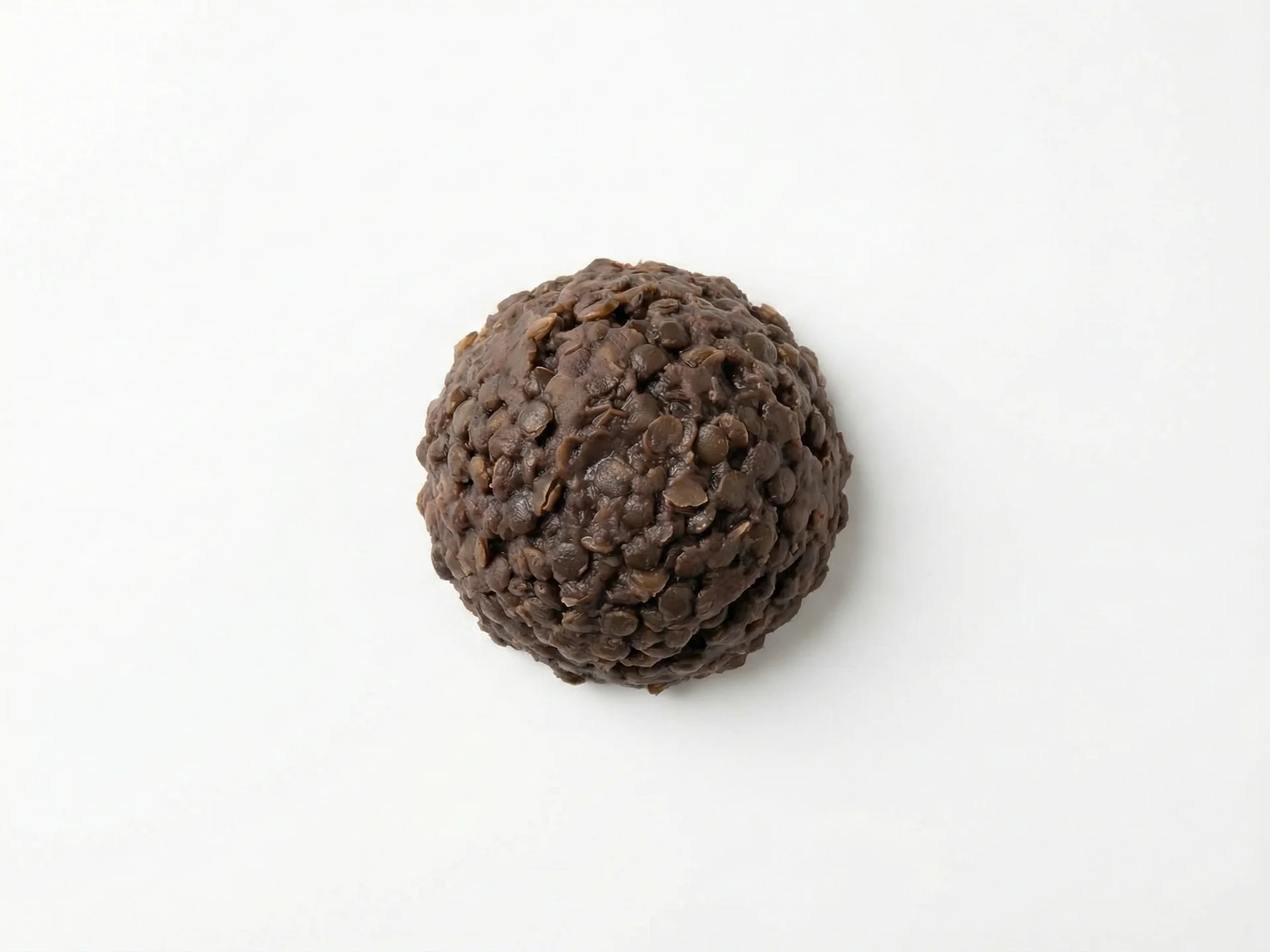
For babies 6-9 months, cook black lentils until very soft—they should mash easily with gentle pressure. Serve them mashed or slightly flattened with a fork to create a lumpy puree texture that encourages gumming. You can mix them with breast milk, formula, or a bit of olive oil to add moisture and healthy fats.
6 to 9 months

For babies 6-9 months, cook black lentils until very soft—they should mash easily with gentle pressure. Serve them mashed or slightly flattened with a fork to create a lumpy puree texture that encourages gumming. You can mix them with breast milk, formula, or a bit of olive oil to add moisture and healthy fats.

  • Cook lentils in low-sodium vegetable broth for extra flavor without salt.
  • Test doneness by pressing a lentil between your fingers—it should squish completely.
  • Offer on a pre-loaded spoon or let baby scoop with their hands to practice self-feeding.
  • Avoid adding salt or sugar; let baby experience the natural taste.
  • Start with 1-2 tablespoons and observe for any digestive reactions.
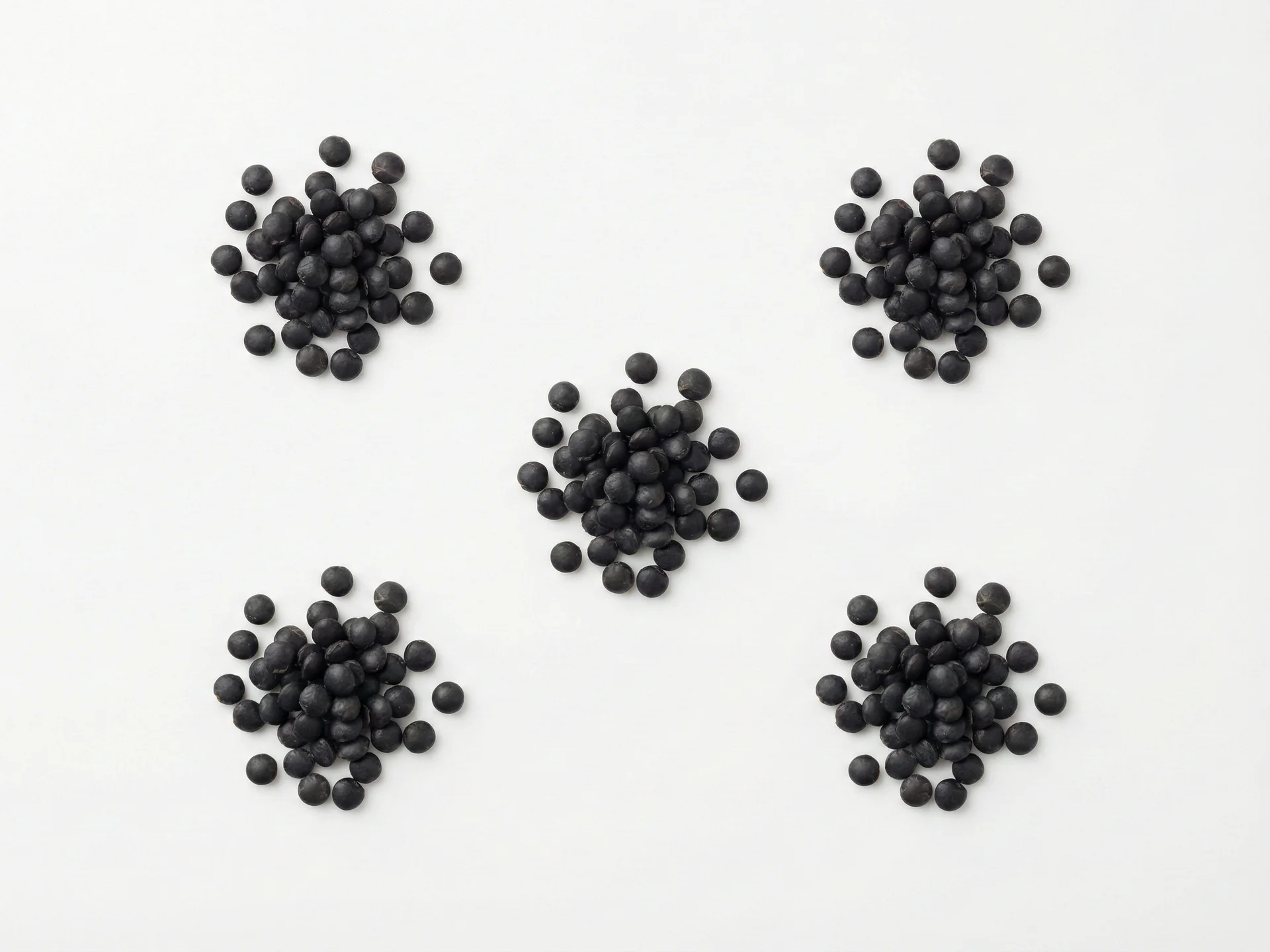
For babies 9 months and up, black lentils can be served whole but still cooked to a soft consistency. Mix them into dishes like lentil patties, soups, or mixed with grains like rice or quinoa to add texture and nutrition. This helps develop chewing skills as babies become more adept at handling small, soft pieces.
9 months +

For babies 9 months and up, black lentils can be served whole but still cooked to a soft consistency. Mix them into dishes like lentil patties, soups, or mixed with grains like rice or quinoa to add texture and nutrition. This helps develop chewing skills as babies become more adept at handling small, soft pieces.

  • Combine cooked lentils with mashed vegetables to make soft, finger-friendly patties.
  • Use as a topping on toast or mixed into yogurt for varied textures.
  • Encourage pincer grasp by offering small piles of lentils on the tray.
  • Introduce mild seasonings like garlic powder or herbs to expand flavor exposure.
  • Monitor for any signs of choking and ensure lentils are not undercooked or hard.

Safety & allergens

Choking risk: Low

Black lentils are small and round when dry, but become soft and mashable when cooked thoroughly. For babies under 9 months, always serve them mashed or pureed to a smooth consistency. Once your baby has developed a pincer grasp, you can offer them whole cooked lentils as a finger food, but make sure they're very soft and easy to squish between your fingers.

Not a common allergen

Black lentils is not a top allergen. As with any new food, offer it on its own and watch for any reaction.

Vitamins & minerals

Black lentils are nutritional powerhouses for growing babies. They provide plant-based iron, which is essential for healthy brain development and preventing anemia[1]. The magnesium and potassium support muscle and nerve function[3], while the B vitamins (especially folate) are crucial for cell growth and development[4]. With about 9g of protein and 8g of fiber per cooked cup, they help keep your baby full and support digestive health[2].

Vitamins
Vitamin VITAMIN B1Vitamin VITAMIN B6Vitamin VITAMIN B9
Minerals
IronMagnesiumPotassiumPhosphorusZinc