FoodsDairyHalloumi
Halloumi

Dairy

Halloumi

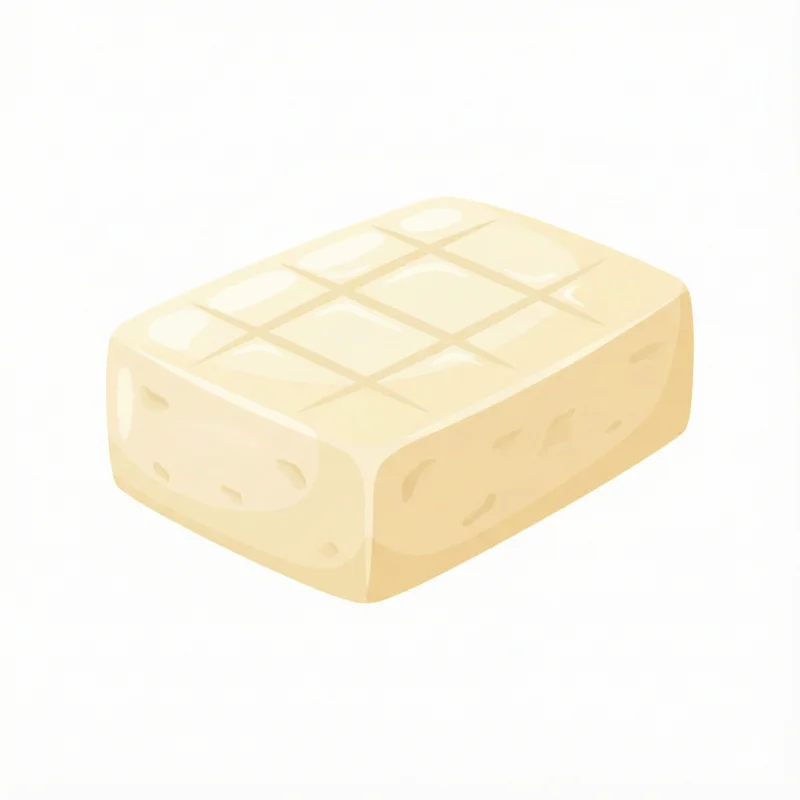
Halloumi is a unique, semi-hard cheese that's deliciously salty and has a satisfying squeaky texture when cooked. It's made from a mix of goat's and sheep's milk (and sometimes cow's milk), offering a good source of protein and calcium for your baby's growing bones and muscles.[1] The high calcium content supports strong bone development, which is crucial during infancy.[2]

6m+Common allergenChoking risk: Medium
First age6m+
CategoryDairy
Common allergenYes
Choking riskMedium

When can babies eat Halloumi?

You can introduce halloumi around 6 months when starting solids, but due to its high sodium content, it's best offered in very small amounts and not too frequently.

How to serve Halloumi by age

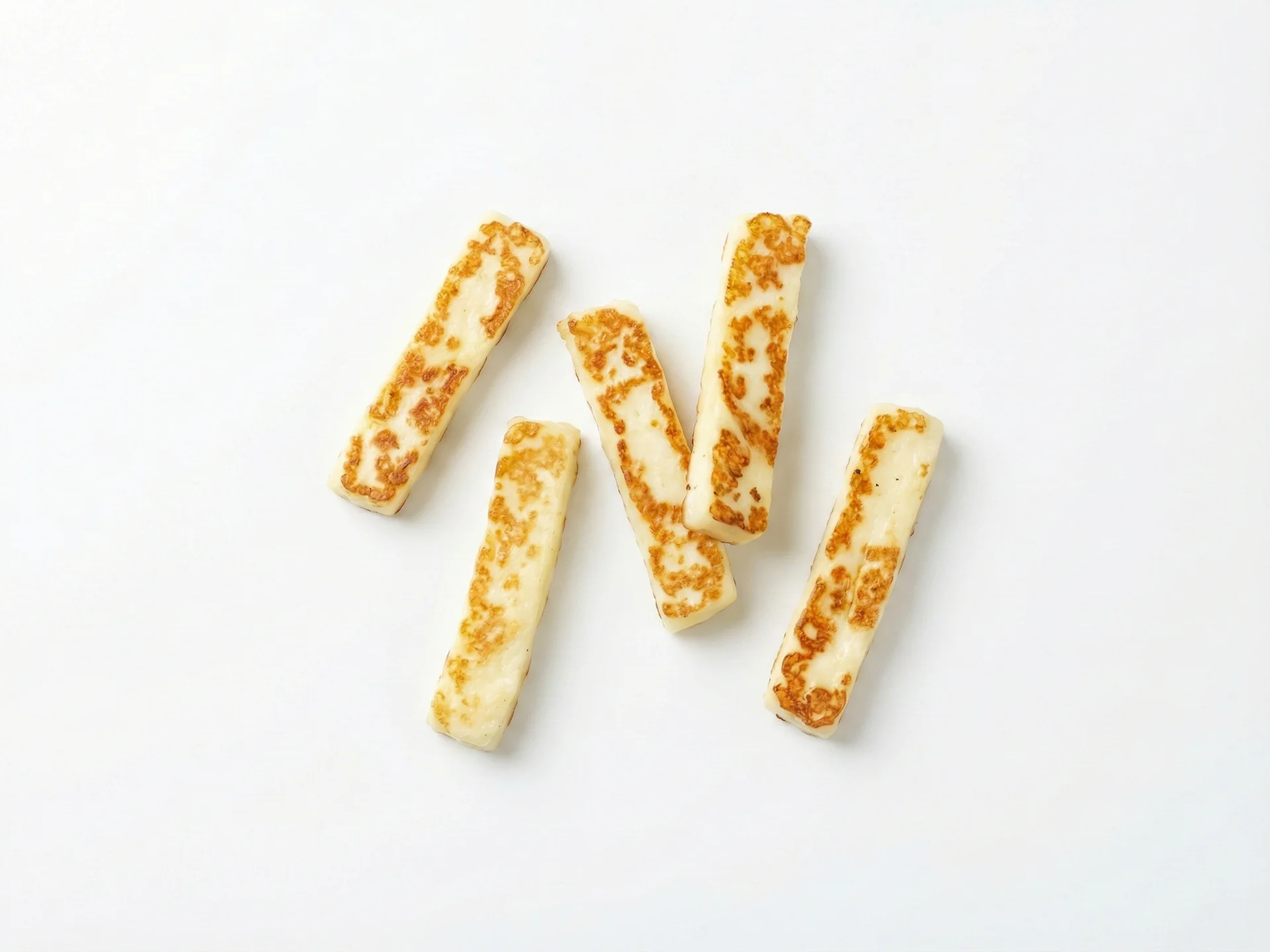
For babies 12-18 months, cook halloumi by grilling or pan-frying until lightly browned and slightly softened. Cut it into thin, finger-sized strips about the width of an adult pinky, which are easy to hold and chew. The firm texture helps develop chewing skills, but ensure it's not too hard or rubbery.
12 to 18 months

For babies 12-18 months, cook halloumi by grilling or pan-frying until lightly browned and slightly softened. Cut it into thin, finger-sized strips about the width of an adult pinky, which are easy to hold and chew. The firm texture helps develop chewing skills, but ensure it's not too hard or rubbery.

  • Cook until just golden to soften without melting
  • Cut into strips no thicker than your pinky finger
  • Serve warm, not hot, to avoid burns
  • Offer small amounts due to high sodium content
  • Pair with soft foods like avocado for easier swallowing
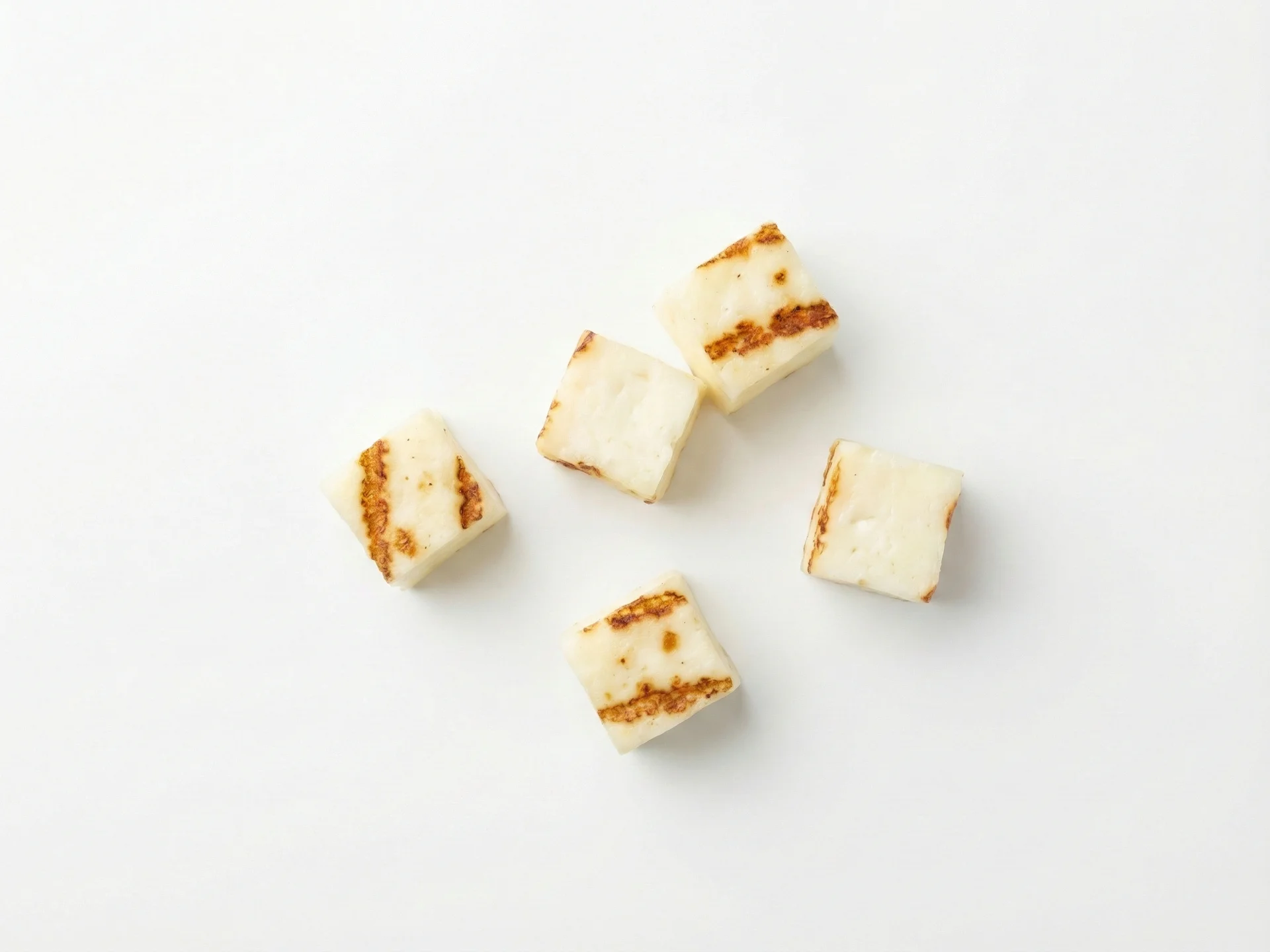
For toddlers 18 months and up, you can offer halloumi in small, bite-sized cubes or as part of mixed dishes like salads or grain bowls. Continue cooking it to soften, and consider grating it over meals for added flavor and nutrition. At this age, babies have better chewing ability, but still supervise to prevent choking.
18 months +

For toddlers 18 months and up, you can offer halloumi in small, bite-sized cubes or as part of mixed dishes like salads or grain bowls. Continue cooking it to soften, and consider grating it over meals for added flavor and nutrition. At this age, babies have better chewing ability, but still supervise to prevent choking.

  • Cut into small cubes (about 1/2 inch) for self-feeding
  • Try grating cooked halloumi over pasta or vegetables
  • Mix into scrambled eggs or omelets for variety
  • Limit to occasional servings due to sodium
  • Encourage drinking water with meals to balance salt intake

Safety & allergens

Choking risk: Medium

Halloumi can be firm and rubbery, especially when raw or undercooked, posing a choking risk. Always cook it until soft and slightly browned, then cut it into appropriate sizes for your baby's age. Avoid serving it cold and hard straight from the fridge.

Common allergen

Milk allergy affects about 2-3% of children under 3 years old, making it one of the most common food allergies in infants.[3]

Vitamins & minerals

Halloumi is rich in calcium, which is essential for building strong bones and teeth in babies.[2] It also provides Vitamin B12 for healthy nerve function and red blood cell formation,[5] and zinc to support the immune system and growth.[6] However, it's high in sodium, so moderation is key.

Vitamins
Vitamin VITAMIN B2Vitamin VITAMIN B12Vitamin VITAMIN A
Minerals
CalciumSodiumPhosphorusZinc