FoodsSeedAniseed
Aniseed

Seed

Aniseed

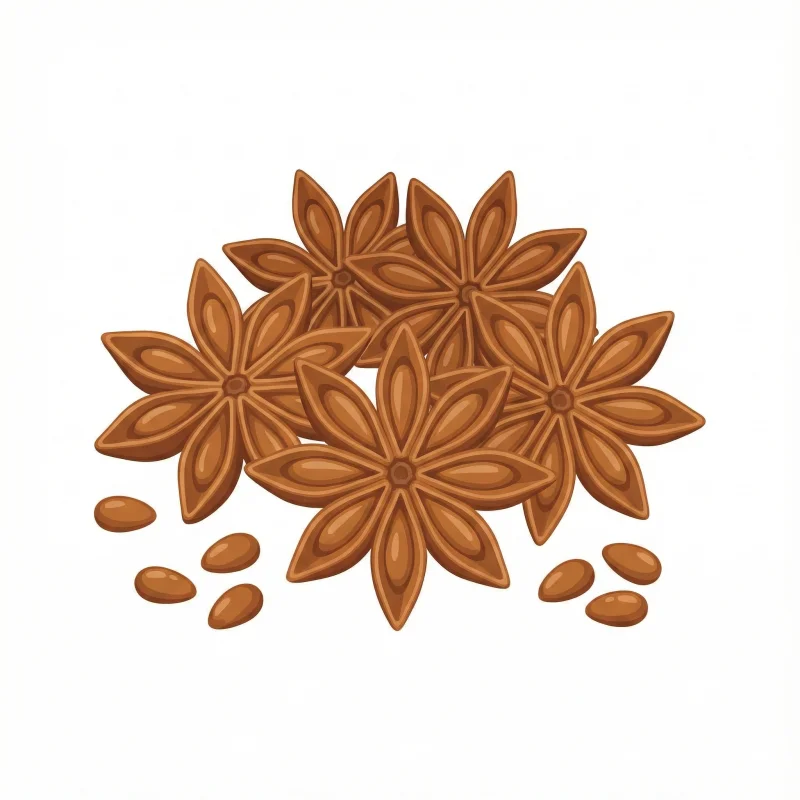
Aniseed is a tiny seed with a sweet, licorice-like flavor that can add a gentle aromatic touch to your baby's meals. It's packed with nutrients like iron for healthy blood development[1] and B vitamins that support energy metabolism[2]. The mild flavor can help introduce your little one to new tastes beyond the usual fruits and vegetables.

6m+Not a common allergenChoking risk: Low
First age6m+
CategorySeed
Common allergenNo
Choking riskLow

When can babies eat Aniseed?

You can introduce aniseed around 6 months when starting solids, typically mixed into purees or cereals in very small amounts to gauge your baby's reaction to the flavor.

How to serve Aniseed by age

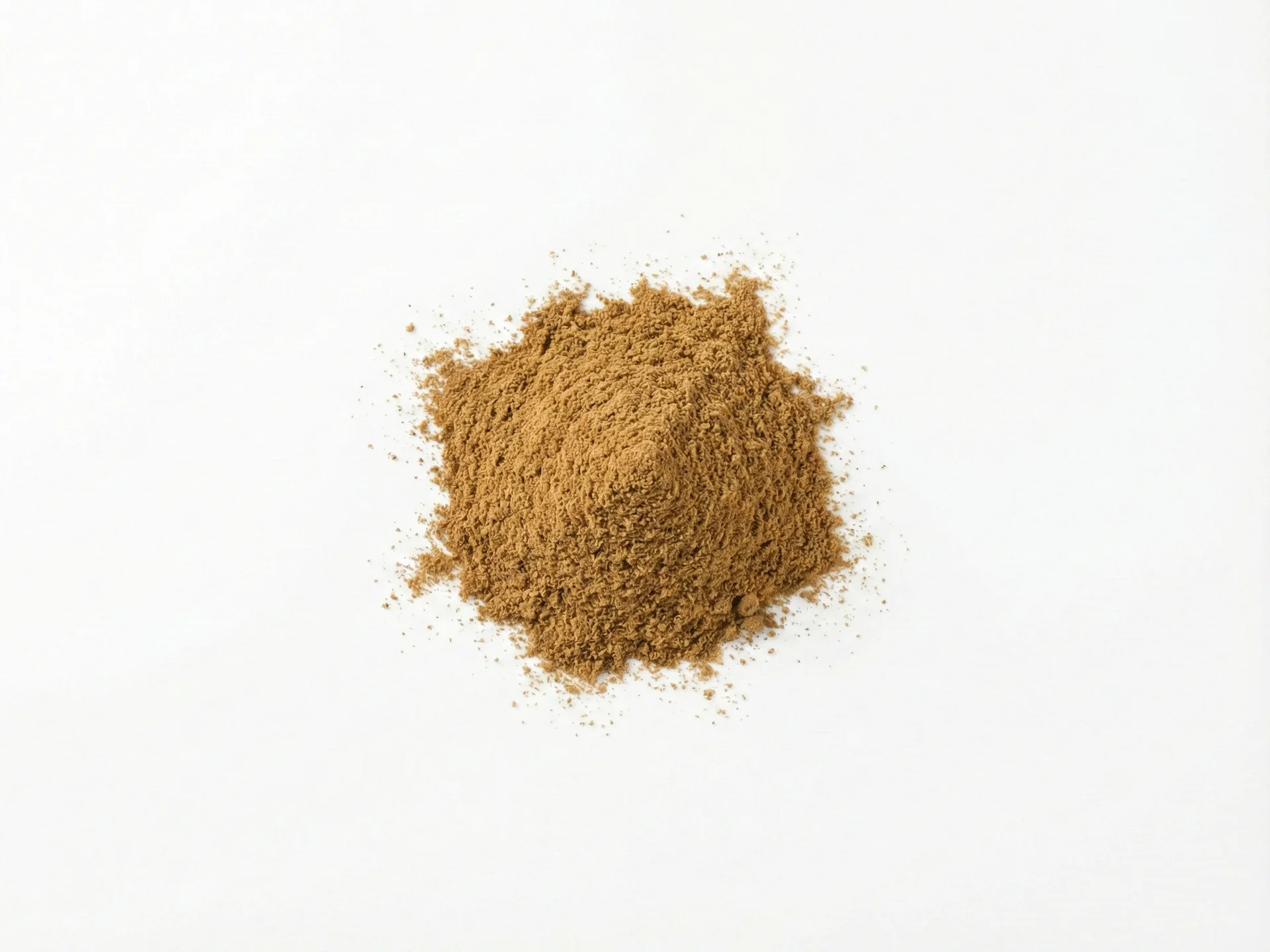
For babies 8-12 months, use a tiny pinch of finely ground aniseed mixed into soft foods like oatmeal, yogurt, or mashed fruits. You can also steep whole aniseed seeds in warm water or milk for 5-10 minutes, then strain and use the infused liquid in purees or to cook grains.
8 to 12 months

For babies 8-12 months, use a tiny pinch of finely ground aniseed mixed into soft foods like oatmeal, yogurt, or mashed fruits. You can also steep whole aniseed seeds in warm water or milk for 5-10 minutes, then strain and use the infused liquid in purees or to cook grains.

  • Mix ground aniseed into oatmeal or yogurt for a gentle flavor introduction
  • Steep whole seeds in warm milk, strain, and use to make baby cereal
  • Add a pinch to mashed bananas or cooked apples
  • Combine with mild spices like cinnamon for a balanced flavor
  • Always start with a tiny amount and observe your baby's reaction
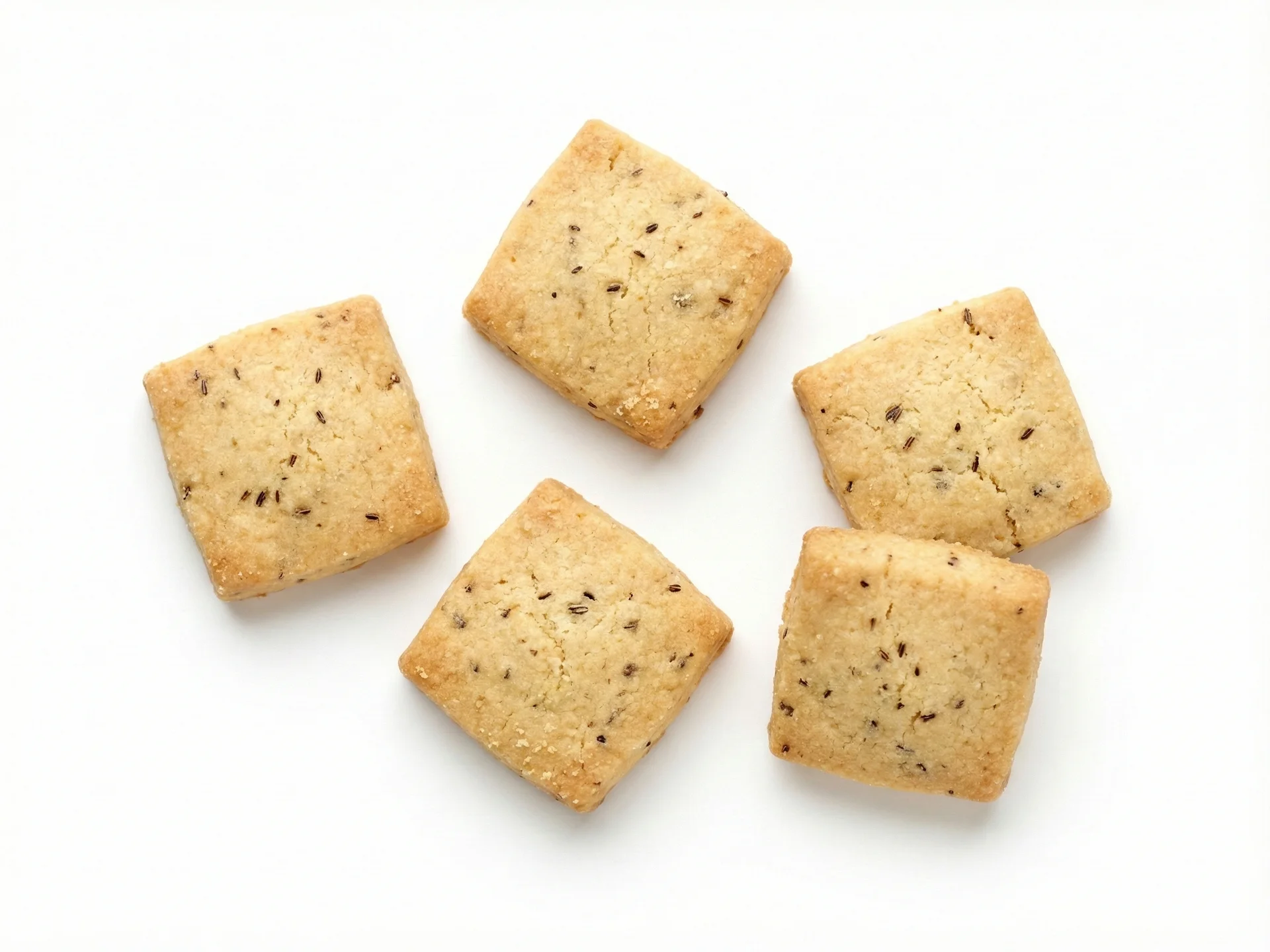
For toddlers 12 months and older, you can use slightly more aniseed and incorporate it into more complex dishes. Ground aniseed can be added to baked goods, mixed into savory dishes, or used to flavor homemade breads and crackers.
12 months +

For toddlers 12 months and older, you can use slightly more aniseed and incorporate it into more complex dishes. Ground aniseed can be added to baked goods, mixed into savory dishes, or used to flavor homemade breads and crackers.

  • Add ground aniseed to pancake or muffin batter
  • Mix into homemade bread dough for flavored toast
  • Combine with other spices in savory dishes like lentil soup
  • Use in moderation as the flavor can be strong for young palates
  • Experiment with aniseed in both sweet and savory toddler recipes

Safety & allergens

Choking risk: Low

Aniseed is typically used ground or infused in liquids for babies, so the choking risk is low when prepared properly. Always serve it finely ground or steeped in warm water/milk to extract flavor without the whole seeds, which could be a choking hazard if served loose.

Not a common allergen

Aniseed is not a top allergen. As with any new food, offer it on its own and watch for any reaction.

Vitamins & minerals

Aniseed provides iron which is crucial for your baby's cognitive development and preventing anemia[1]. The B vitamins in aniseed, including B6 and folate (B9), support brain function and red blood cell formation[2]. It also contains minerals like calcium and magnesium that contribute to bone health[3].

Vitamins
Vitamin VITAMIN CVitamin VITAMIN B1Vitamin VITAMIN B2Vitamin VITAMIN B3Vitamin VITAMIN B6Vitamin VITAMIN B9
Minerals
IronCalciumMagnesiumPotassiumPhosphorusManganeseCopperZinc