FoodsProteinClams
Clams

Protein

Clams

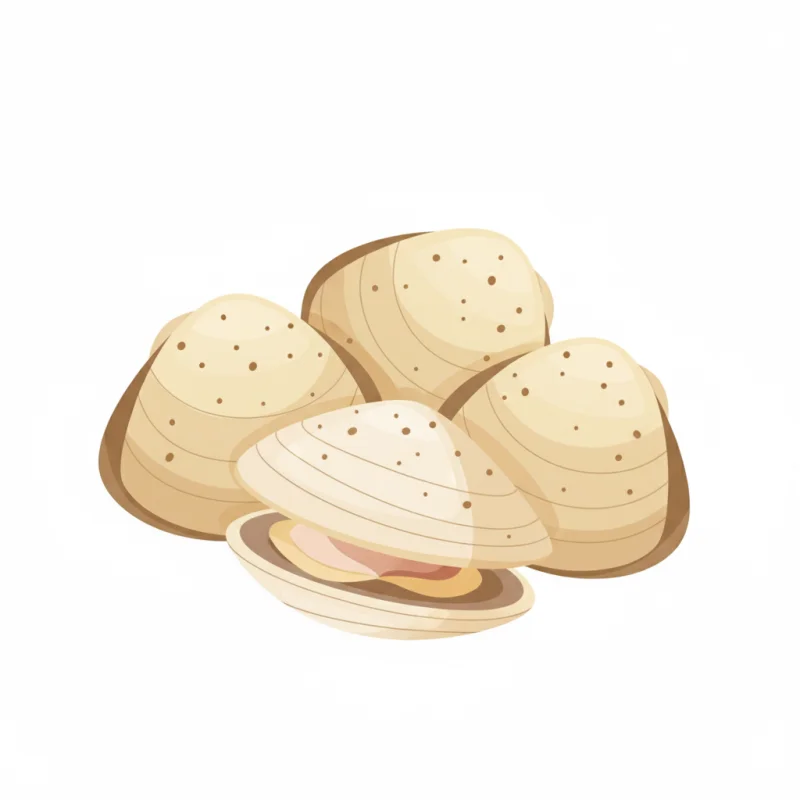
Clams are a fantastic first seafood for babies, offering a tender texture and mild, slightly sweet flavor that many little ones enjoy. They're packed with essential nutrients like iron and zinc that support your baby's growth and development.[1] Plus, they're a great source of protein to help build strong muscles.[2]

6m+Common allergenChoking risk: Medium
First age6m+
CategoryProtein
Common allergenYes
Choking riskMedium

When can babies eat Clams?

You can introduce clams around 6 months when starting solids, but many parents wait until 8-9 months to ensure their baby is ready for new textures and flavors.

How to serve Clams by age

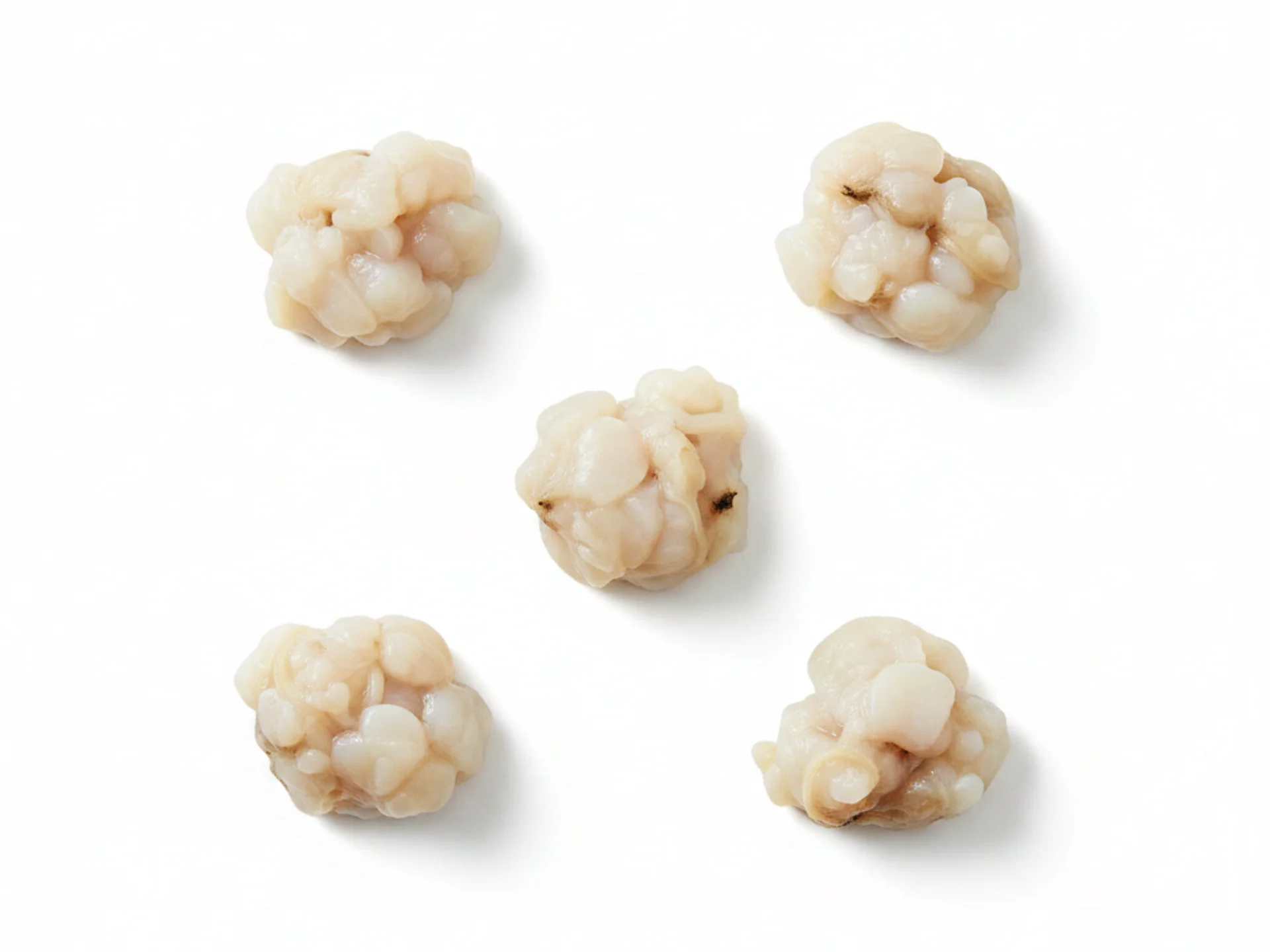
For babies 12-18 months, cook clams until fully opened and tender, then finely chop or mince the meat into tiny, soft pieces. Mix into mashed foods like potatoes or rice to make it easier to handle and reduce choking risk.
12 to 18 months

For babies 12-18 months, cook clams until fully opened and tender, then finely chop or mince the meat into tiny, soft pieces. Mix into mashed foods like potatoes or rice to make it easier to handle and reduce choking risk.

  • Steam or boil clams until shells open, then remove meat and chop finely.
  • Combine minced clams with soft foods like avocado or yogurt for a smoother texture.
  • Avoid adding salt or strong seasonings; let the natural flavor shine.
  • Serve in small portions to monitor for allergies.
  • Always check for and remove any hard or gritty parts before serving.
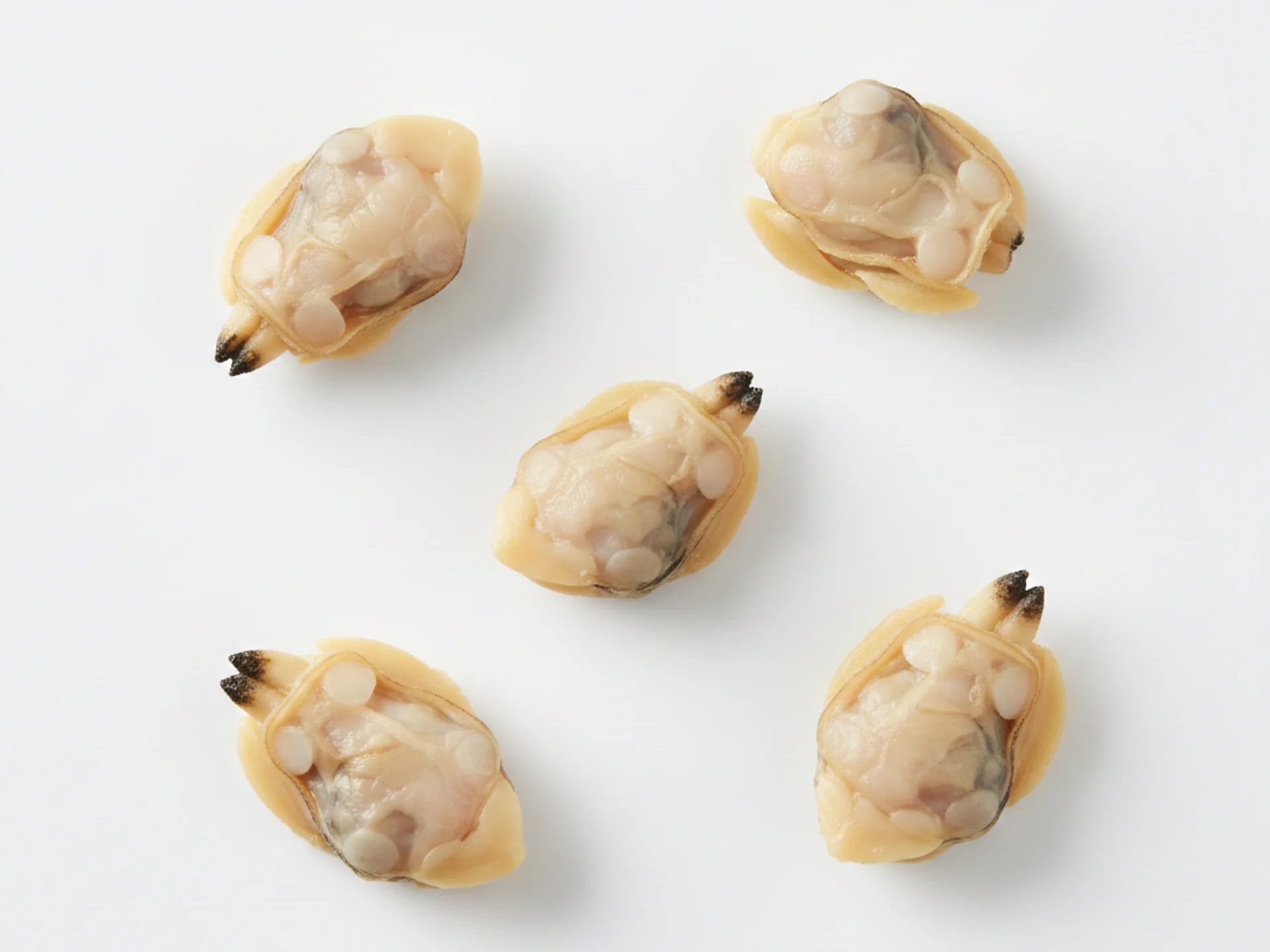
For toddlers 18 months and up, you can offer clams in slightly larger, bite-sized pieces as their chewing skills improve. Ensure they are still well-cooked and tender, and consider serving in clam-based dishes like chowders or pasta.
18 months +

For toddlers 18 months and up, you can offer clams in slightly larger, bite-sized pieces as their chewing skills improve. Ensure they are still well-cooked and tender, and consider serving in clam-based dishes like chowders or pasta.

  • Chop cooked clams into small, bite-sized pieces that your toddler can pick up easily.
  • Incorporate clams into soups or stews for added flavor and nutrition.
  • Encourage self-feeding with a fork or spoon to develop motor skills.
  • Continue to avoid added salt and monitor for choking.
  • Introduce variety by pairing with different vegetables or grains.

Safety & allergens

Choking risk: Medium

Clams can be a choking hazard if not prepared properly. Always remove the tough foot muscle and chop clams finely for younger babies. For older babies, ensure pieces are soft and no larger than pea-sized to minimize risk.

Common allergen

Shellfish allergies, including to clams, affect about 0.5-2% of the population, with higher rates in adults than children.[3]

Vitamins & minerals

Clams are nutritional powerhouses for babies. They're exceptionally rich in iron, which is crucial for healthy brain development and preventing anemia.[1] The zinc in clams supports immune function and growth, while vitamin B12 helps with nerve development.[5]

Vitamins
Vitamin VITAMIN B12Vitamin VITAMIN CVitamin VITAMIN A
Minerals
IronZincSeleniumCopperPotassiumPhosphorus