FoodsProteinOysters
Oysters

Protein

Oysters

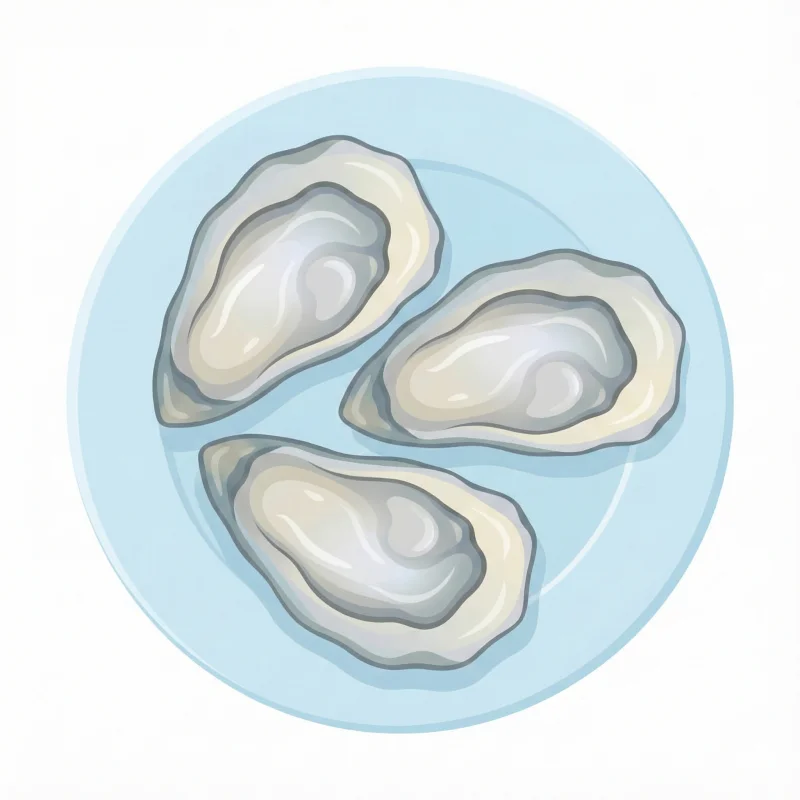
Oysters are a nutrient-dense seafood that can be a wonderful addition to your baby's diet once they're ready. They have a unique briny flavor and soft, chewy texture when cooked properly. Packed with essential nutrients like zinc and iron, oysters support your baby's immune system and brain development.[1][2]

12m+Common allergenChoking risk: Medium
First age12m+
CategoryProtein
Common allergenYes
Choking riskMedium

When can babies eat Oysters?

Oysters can be introduced around 12 months of age, after your baby has tried other less allergenic foods. Always ensure they are thoroughly cooked to kill any harmful bacteria.

How to serve Oysters by age

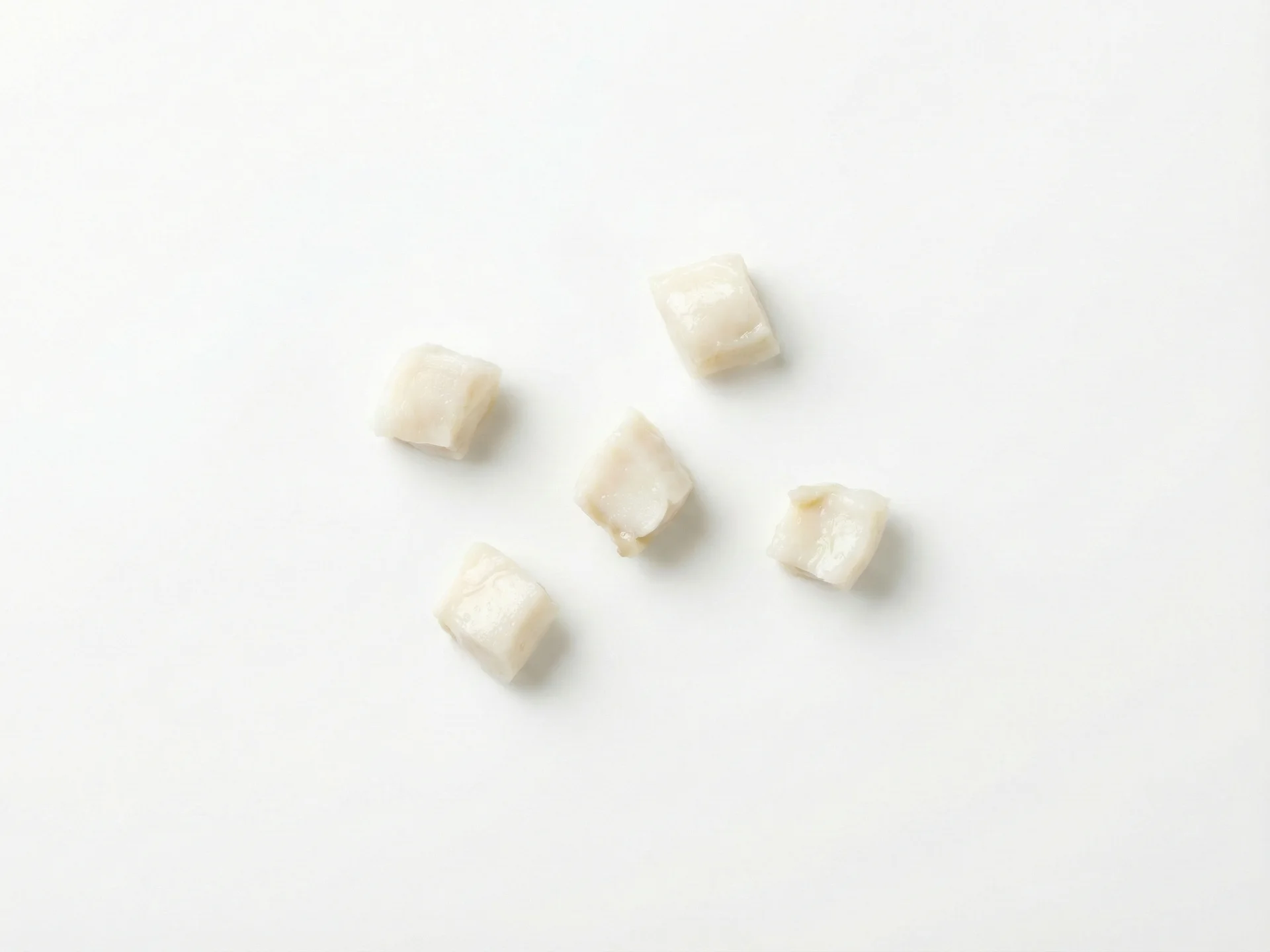
For babies 12-18 months, steam or boil oysters until fully cooked and firm, then chop them into tiny, pea-sized pieces to reduce choking risk. Mix into soft foods like mashed potatoes or rice to help with handling, and avoid adding salt or strong seasonings.
12 to 18 months

For babies 12-18 months, steam or boil oysters until fully cooked and firm, then chop them into tiny, pea-sized pieces to reduce choking risk. Mix into soft foods like mashed potatoes or rice to help with handling, and avoid adding salt or strong seasonings.

  • Always remove any shells or hard parts before chopping.
  • Use a fork to mash cooked oysters for a smoother texture if needed.
  • Introduce in small amounts to monitor for allergies.
  • Serve alongside familiar foods to encourage tasting.
  • Ensure oysters are cooled to a safe temperature before offering.
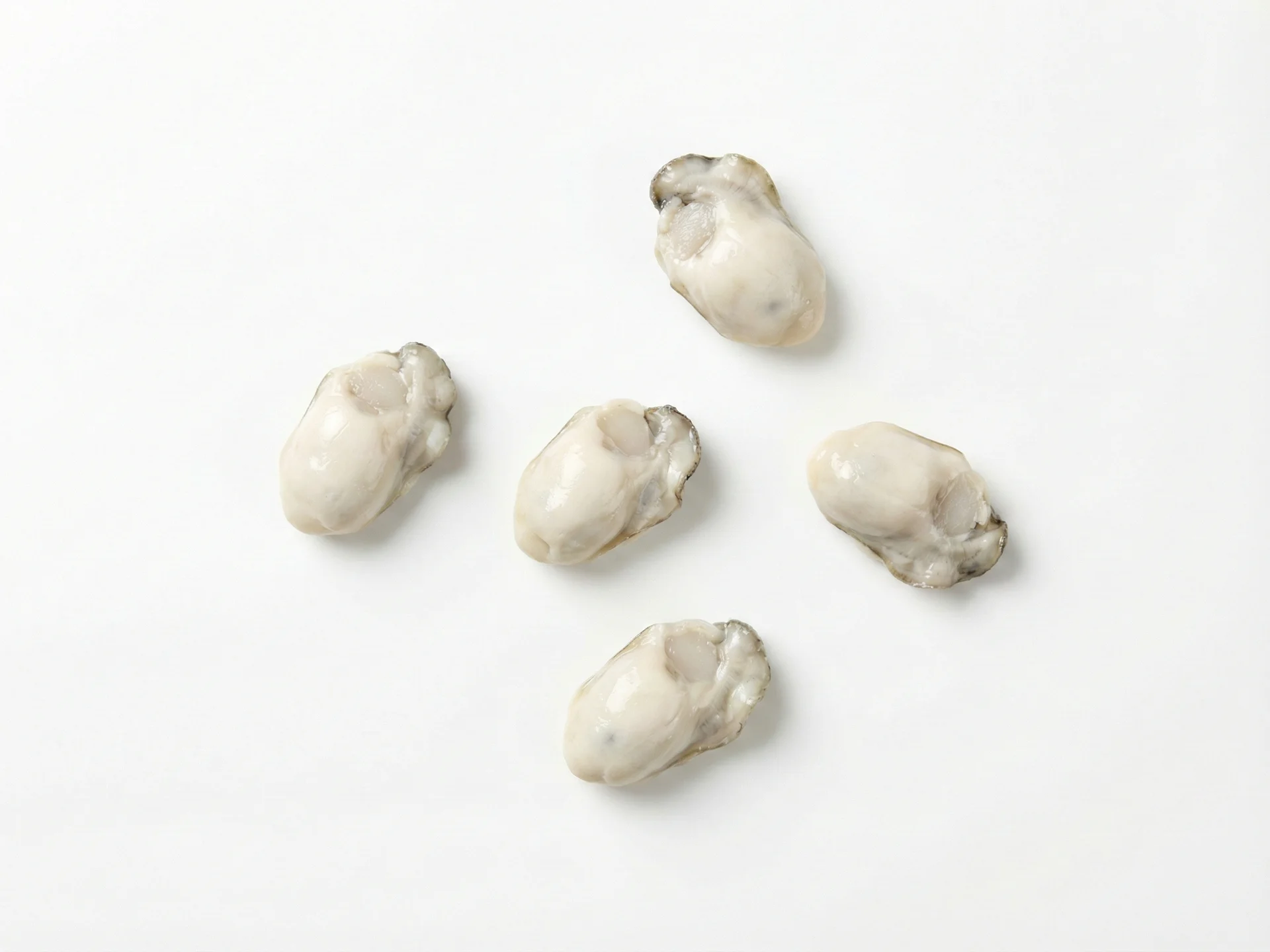
For toddlers 18 months and up, you can offer slightly larger, bite-sized pieces of cooked oyster as finger food, ensuring they are soft and easy to chew. Incorporate them into dishes like stir-fries or pasta for variety, but continue to avoid raw or heavily processed preparations.
18 months +

For toddlers 18 months and up, you can offer slightly larger, bite-sized pieces of cooked oyster as finger food, ensuring they are soft and easy to chew. Incorporate them into dishes like stir-fries or pasta for variety, but continue to avoid raw or heavily processed preparations.

  • Cut oysters into small, manageable chunks about the size of a grape.
  • Encourage self-feeding with a fork to practice fine motor skills.
  • Pair with dipping sauces like yogurt-based dips for added flavor.
  • Monitor for any signs of choking, especially if serving firmer varieties.
  • Rotate with other proteins to maintain a diverse diet.

Safety & allergens

Choking risk: Medium

Oysters can pose a choking risk if not prepared properly. Always cook oysters until they are fully opaque and firm, then chop or mince them finely for younger babies. For toddlers, you can serve them in small, bite-sized pieces that are easy to chew.

Common allergen

Shellfish allergies, including to oysters, affect about 1-2% of the population, with higher rates in adults than children.[3]

Vitamins & minerals

Oysters are exceptionally rich in zinc, which supports immune function and wound healing.[1] They're also an excellent source of iron for healthy blood cells and vitamin B12 for nervous system development.[2] The copper and selenium in oysters contribute to antioxidant protection and thyroid health.[5]

Vitamins
Vitamin VITAMIN B12Vitamin VITAMIN DVitamin VITAMIN EVitamin VITAMIN B2Vitamin VITAMIN B3
Minerals
ZincIronCopperSeleniumPhosphorusPotassium