

FoodsNutMacadamia nuts
Macadamia nuts

Nut

Macadamia nuts

Macadamia nuts are a creamy, buttery nut that can be a nutritious addition to your baby's diet when introduced safely. They're packed with healthy fats that support brain development[1] and contain important vitamins and minerals for growth. Their rich texture makes them a satisfying food that many babies enjoy.

12m+Common allergenChoking risk: High
First age12m+
CategoryNut
Common allergenYes
Choking riskHigh

When can babies eat Macadamia nuts?

Macadamia nuts can be introduced around 12 months, once your baby has tried several other solid foods and shows good chewing skills. Always introduce them in a safe form to minimize choking risk.

How to serve Macadamia nuts by age

For babies 12-24 months, serve macadamia nuts only as a smooth, thin butter spread on soft foods like toast strips or mixed into oatmeal. Ensure no lumps are present to prevent choking. You can also finely grind nuts and sprinkle a small amount onto yogurt or fruit purees.
12 to 24 months

For babies 12-24 months, serve macadamia nuts only as a smooth, thin butter spread on soft foods like toast strips or mixed into oatmeal. Ensure no lumps are present to prevent choking. You can also finely grind nuts and sprinkle a small amount onto yogurt or fruit purees.

  • Use a high-speed blender to make a smooth macadamia butter with no chunks.
  • Mix a teaspoon of macadamia butter into 2-3 tablespoons of oatmeal or yogurt for dilution.
  • Spread butter thinly on soft, easy-to-hold foods like banana slices or toast fingers.
  • Start with a pea-sized amount to test for allergies before increasing portion size.
  • Always supervise your baby during feeding and ensure they are sitting upright.
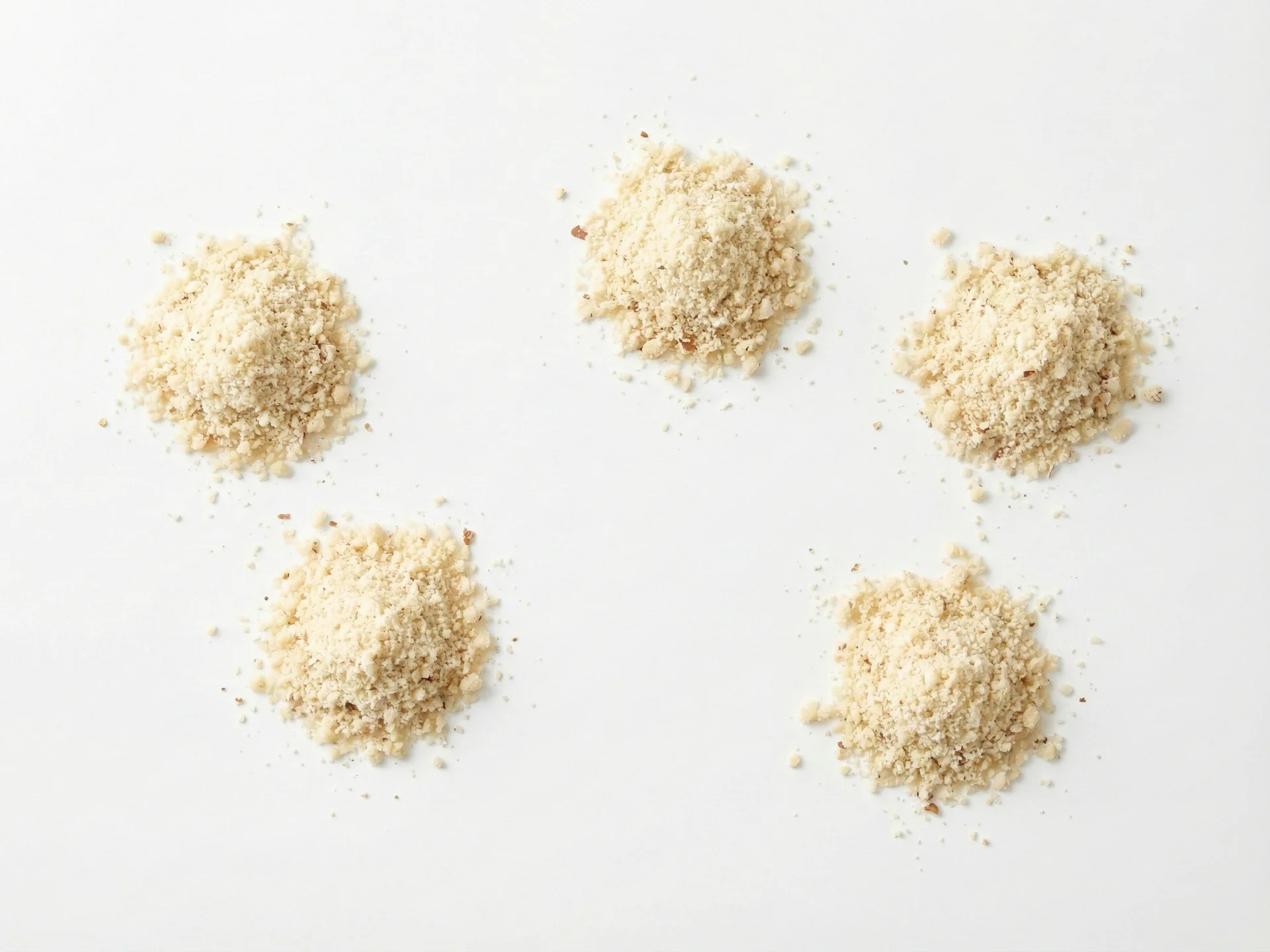
For toddlers 24 months and up, you can offer finely chopped or crushed macadamia nuts as a topping on cereals or in baked goods, but avoid whole nuts until age 4 or older. Continue to use macadamia butter in smooth forms, and teach your child to chew slowly and carefully.
24 months +

For toddlers 24 months and up, you can offer finely chopped or crushed macadamia nuts as a topping on cereals or in baked goods, but avoid whole nuts until age 4 or older. Continue to use macadamia butter in smooth forms, and teach your child to chew slowly and carefully.

  • Chop nuts into very small, rice-sized pieces and mix into muffins or pancakes.
  • Use macadamia butter in smoothies or as a dip for apple slices to add nutrition.
  • Monitor your child closely as they eat to ensure they are chewing properly.
  • Limit portion size to 1-2 teaspoons per serving to avoid excessive fat intake.
  • Encourage drinking water with meals to help with swallowing and digestion.

Safety & allergens

Choking risk: High

Whole macadamia nuts are a serious choking hazard for babies and toddlers. Always serve them finely ground into a butter or paste, or mixed into other foods like oatmeal or yogurt. Never give whole nuts or large pieces to children under 4 years old.

Common allergen

Tree nut allergies affect about 1-2% of children, with macadamia being one of the less common tree nut allergies[2].

Vitamins & minerals

Macadamia nuts are rich in healthy monounsaturated fats that support brain development in babies[1]. They provide manganese for bone health[4], copper for immune function[5], and magnesium for muscle and nerve function[6]. The vitamin E content acts as an antioxidant to protect cells[7].

Vitamins
Vitamin VITAMIN B1Vitamin VITAMIN B2Vitamin VITAMIN B3Vitamin VITAMIN B5Vitamin VITAMIN B6Vitamin VITAMIN B9Vitamin VITAMIN E
Minerals
ManganeseCopperMagnesiumIronPhosphorusPotassiumZincSelenium