FoodsNutHazelnut
Hazelnut

Nut

Hazelnut

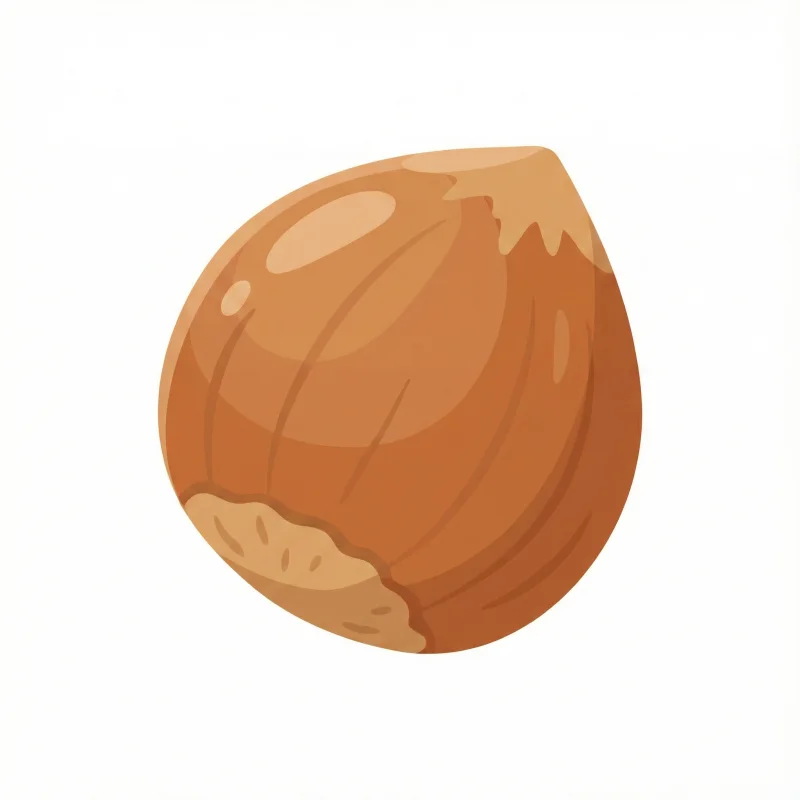
Hazelnuts are a nutrient-dense food that can be a great addition to your baby's diet. They have a rich, buttery flavor and creamy texture when blended, which many babies enjoy. They're packed with healthy fats that support brain development[1] and provide essential vitamins and minerals for growth.

6m+Common allergenChoking risk: High
First age6m+
CategoryNut
Common allergenYes
Choking riskHigh

When can babies eat Hazelnut?

You can introduce hazelnuts around 6 months, but because they're a common allergen, it's best to start with a small amount and watch for any reactions. Many pediatricians recommend introducing common allergens early to help reduce allergy risk[2].

How to serve Hazelnut by age

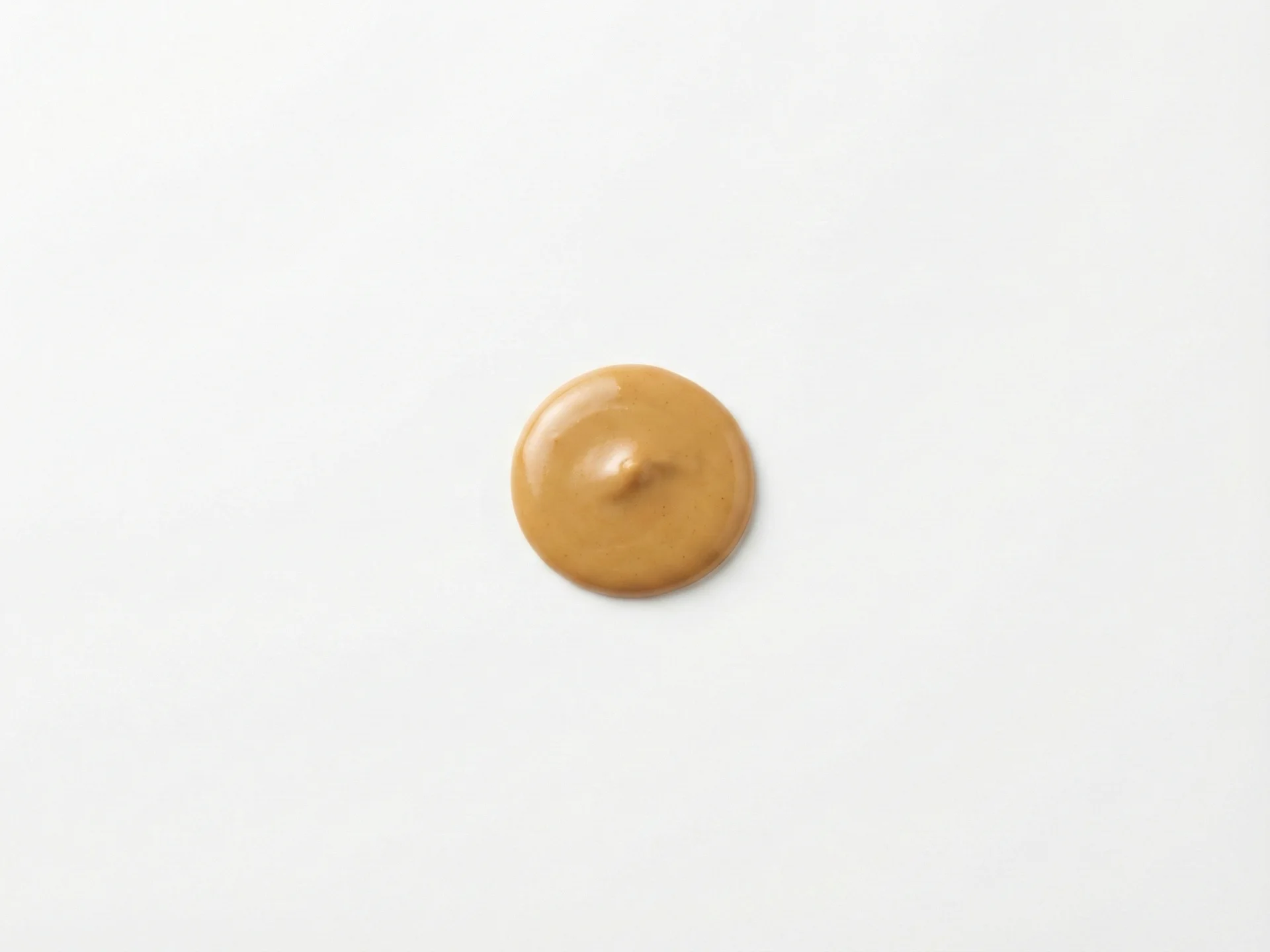
For babies 12 months and up, serve hazelnuts only as a smooth, thin hazelnut butter mixed into other foods like oatmeal, yogurt, or purees. Avoid chunks or whole nuts. You can also use finely ground hazelnut meal sprinkled lightly on soft fruits or cereals.
12 to 24 months

For babies 12 months and up, serve hazelnuts only as a smooth, thin hazelnut butter mixed into other foods like oatmeal, yogurt, or purees. Avoid chunks or whole nuts. You can also use finely ground hazelnut meal sprinkled lightly on soft fruits or cereals.

  • Mix a small amount of hazelnut butter into mashed avocado or banana for a creamy texture.
  • Stir ground hazelnut meal into baby cereal or pancake batter for added nutrition.
  • Always supervise your baby during meals and ensure they are sitting upright.
  • Start with a pea-sized amount to check for allergies before increasing.
  • Choose unsweetened, unsalted hazelnut butter to avoid added sugars and sodium.
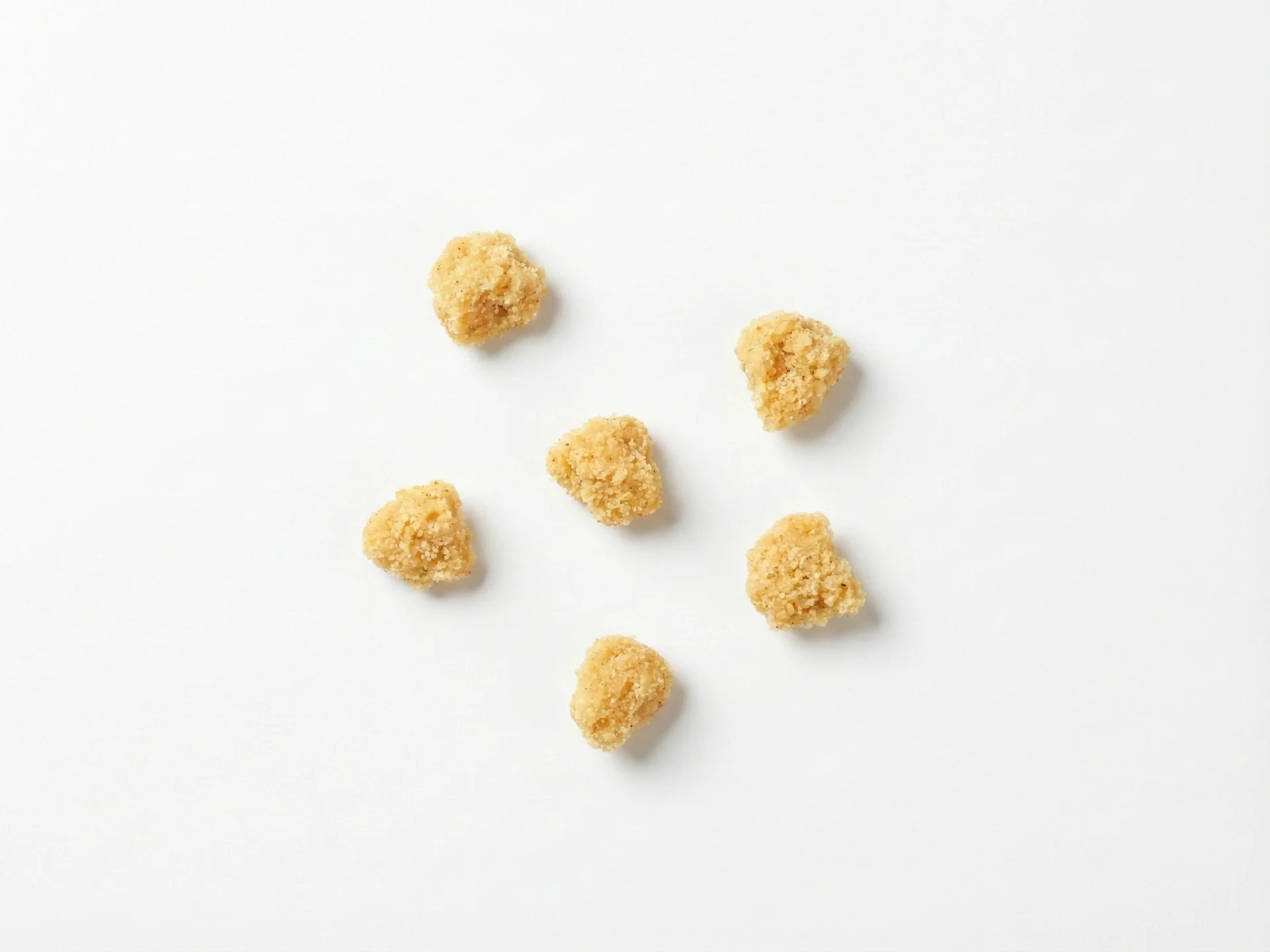
For toddlers 2 years and older, you can offer hazelnuts in slightly more textured forms, such as finely chopped or as part of baked goods like muffins or energy balls. Continue to avoid whole nuts until age 4 or older, and always ensure pieces are small and soft to reduce choking risk.
24 months +

For toddlers 2 years and older, you can offer hazelnuts in slightly more textured forms, such as finely chopped or as part of baked goods like muffins or energy balls. Continue to avoid whole nuts until age 4 or older, and always ensure pieces are small and soft to reduce choking risk.

  • Incorporate chopped hazelnuts into homemade granola bars or oatmeal cookies.
  • Use hazelnut flour in baking for a nutty flavor and extra protein.
  • Teach your child to chew thoroughly and eat slowly when nuts are included.
  • Pair hazelnuts with soft foods like applesauce to ease chewing.
  • Monitor for any signs of choking and keep meals calm and focused.

Safety & allergens

Choking risk: High

Whole hazelnuts and large pieces are a serious choking hazard for babies and toddlers. Always serve hazelnuts in safe forms: as a thin butter spread on soft foods, finely ground and mixed into other foods, or as a smooth puree. Never give whole nuts to children under 4 years old.

Common allergen

Tree nut allergies affect about 1-2% of children, with hazelnut being one of the more common tree nut allergies[2].

Vitamins & minerals

Hazelnuts are an excellent source of healthy fats that support your baby's brain development[1]. They're rich in vitamin E, which acts as an antioxidant to protect cells[4], and provide manganese for bone development[5] and copper for immune function[6]. The iron content helps prevent anemia when paired with vitamin C-rich foods[7].

Vitamins
Vitamin VITAMIN EVitamin VITAMIN B1Vitamin VITAMIN B6Vitamin VITAMIN B9
Minerals
ManganeseCopperMagnesiumPhosphorusIron