FoodsGrainBread
Bread

Grain

Bread

Bread is a wonderful first food for babies, offering a soft, easy-to-chew texture that many little ones enjoy. It provides essential B vitamins that help convert food into energy for your growing baby[1], and iron-fortified breads can help support healthy brain development[2]. The mild flavor makes it a great vehicle for introducing other foods like mashed avocado or nut butters.

6m+Common allergenChoking risk: Medium
First age6m+
CategoryGrain
Common allergenYes
Choking riskMedium

When can babies eat Bread?

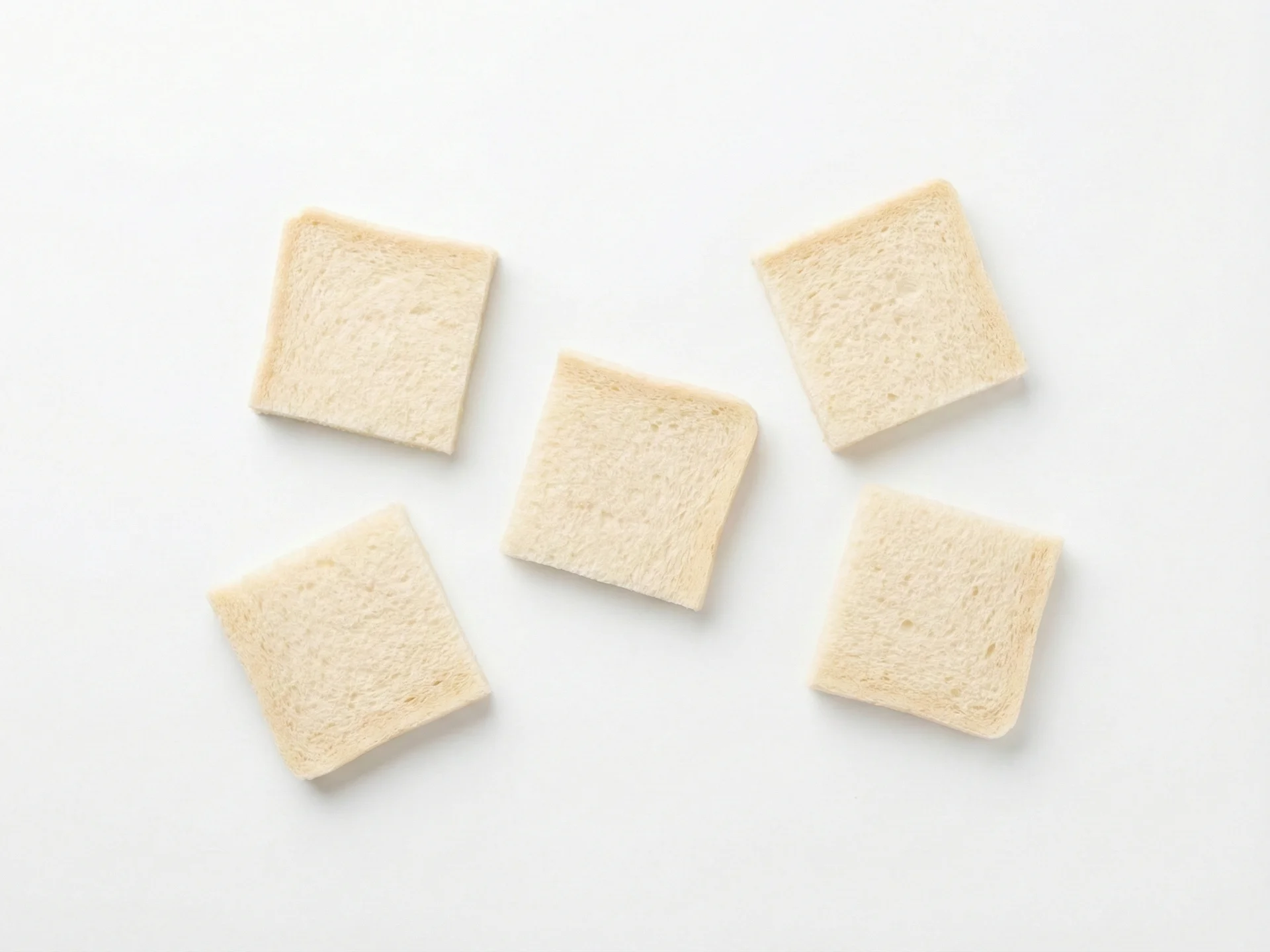
Bread can be introduced around 6 months when your baby shows signs of readiness for solids. Start with small amounts and choose soft, easy-to-digest options like whole grain or white bread without hard crusts.

How to serve Bread by age

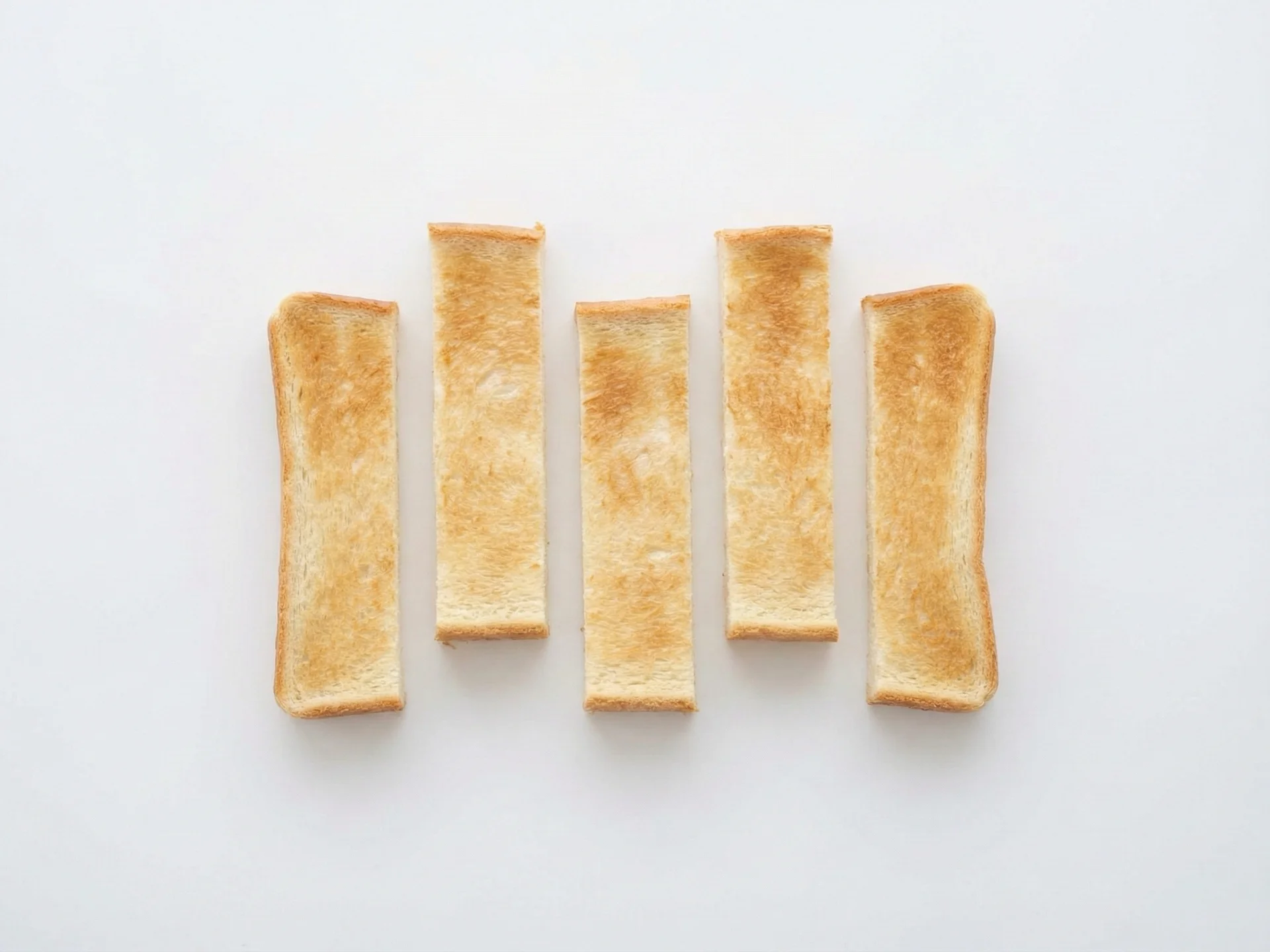
Lightly toast bread to firm it up and cut into thick strips about the size of two adult fingers. Remove crusts if they're particularly hard. You can moisten slightly with breast milk, formula, or a thin spread of mashed avocado to make it easier to gum.
6 to 9 months

Lightly toast bread to firm it up and cut into thick strips about the size of two adult fingers. Remove crusts if they're particularly hard. You can moisten slightly with breast milk, formula, or a thin spread of mashed avocado to make it easier to gum.

  • Choose soft whole grain bread without seeds
  • Toast just enough to firm without making it hard
  • Cut into strips long enough for baby to grasp with fist
  • Supervise closely as baby learns to manage texture
  • Offer plain or with very thin spreads initially
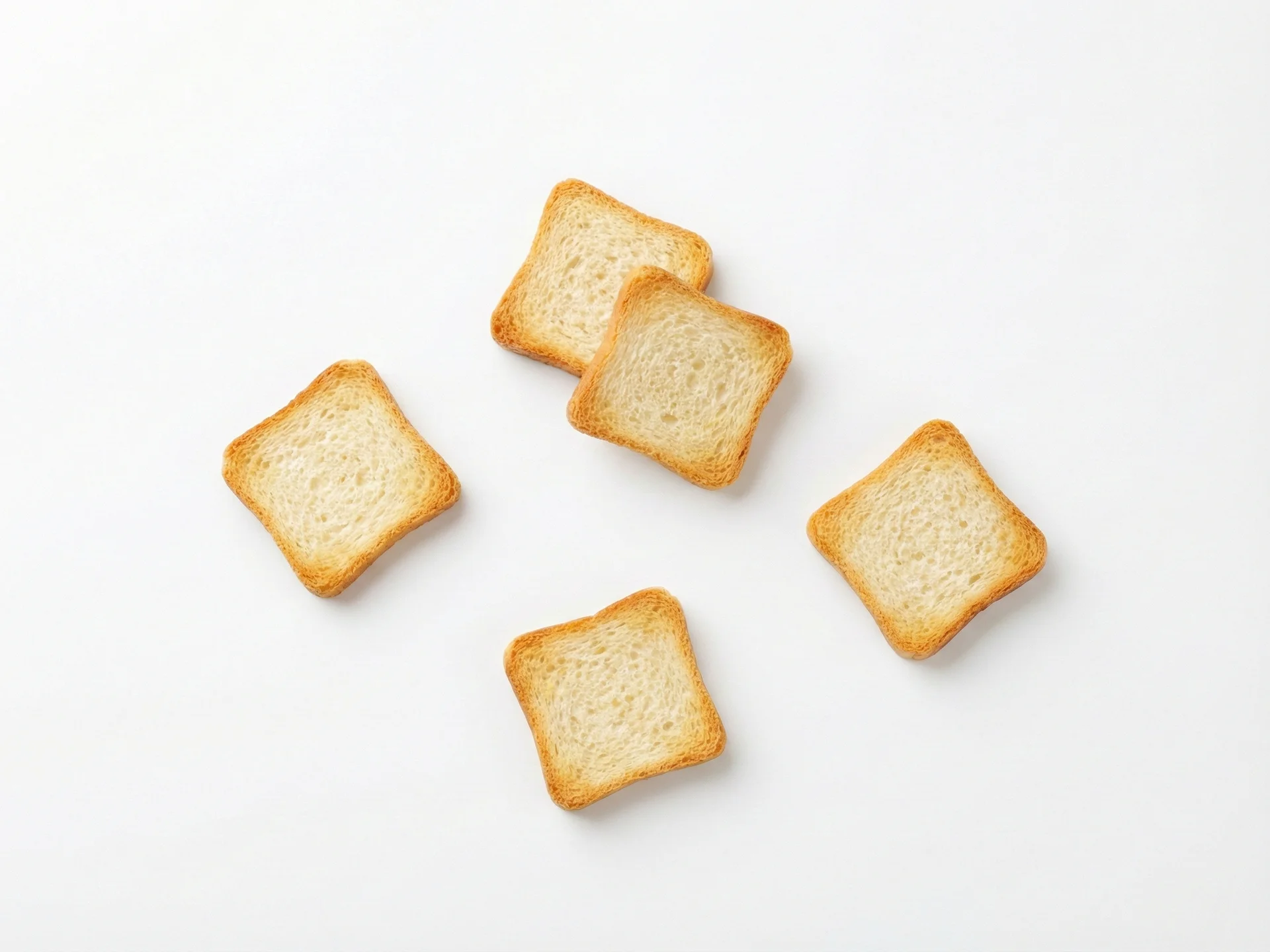
Toast bread lightly and cut into smaller pieces, about 1-inch squares or triangles. Crusts can be left on if soft. You can offer more variety with thin spreads like hummus or mashed banana, and introduce different types of bread like sourdough or rye.
9 to 12 months

Toast bread lightly and cut into smaller pieces, about 1-inch squares or triangles. Crusts can be left on if soft. You can offer more variety with thin spreads like hummus or mashed banana, and introduce different types of bread like sourdough or rye.

  • Introduce different bread textures gradually
  • Cut into bite-sized pieces for developing pincer grasp
  • Include crusts to practice chewing
  • Experiment with different whole grain varieties
  • Combine with soft foods for balanced meals
Offer regular slices of bread, toasted or untoasted, cut into quarters or halves. Toddlers can enjoy sandwiches with various fillings, and you can introduce bread with small seeds or grains as they develop better chewing skills.
12 months +

Offer regular slices of bread, toasted or untoasted, cut into quarters or halves. Toddlers can enjoy sandwiches with various fillings, and you can introduce bread with small seeds or grains as they develop better chewing skills.

  • Transition to regular sandwich preparation
  • Include bread as part of balanced meals
  • Teach proper chewing with different textures
  • Involve toddler in choosing bread types
  • Continue to avoid very hard or crusty breads until older

Safety & allergens

Choking risk: Medium

Bread can become gummy and sticky when wet with saliva, posing a choking risk. Always serve bread toasted until firm (not burnt) for babies under 12 months, as toasted bread is easier to manage. Cut into finger-sized strips for self-feeding, and always supervise your baby during meals.

Common allergen

Wheat allergy affects about 0.4-1% of children, with most outgrowing it by age 5[3].

Vitamins & minerals

Bread provides B vitamins that help your baby's body convert food into usable energy[1]. Many breads are fortified with iron, which is crucial for healthy brain development and preventing anemia[2]. The fiber in whole grain breads supports digestive health by promoting regular bowel movements[5].

Vitamins
Vitamin VITAMIN B1Vitamin VITAMIN B2Vitamin VITAMIN B3Vitamin VITAMIN B9
Minerals
IronZincMagnesiumSelenium