FoodsGrainRye
Rye

Grain

Rye

Rye is a nutritious whole grain that offers a hearty, slightly nutty flavor and a chewy texture that babies often enjoy. It's packed with B vitamins that help support your baby's energy metabolism and nervous system development.[1] The fiber in rye can also help promote healthy digestion and prevent constipation, which is common when starting solids.[2]

6m+Common allergenChoking risk: Medium
First age6m+
CategoryGrain
Common allergenYes
Choking riskMedium

When can babies eat Rye?

Rye can be introduced around 6 months when your baby starts solids, as long as it's prepared in a safe, age-appropriate texture. It's a great grain to rotate with others like oats and barley.

How to serve Rye by age

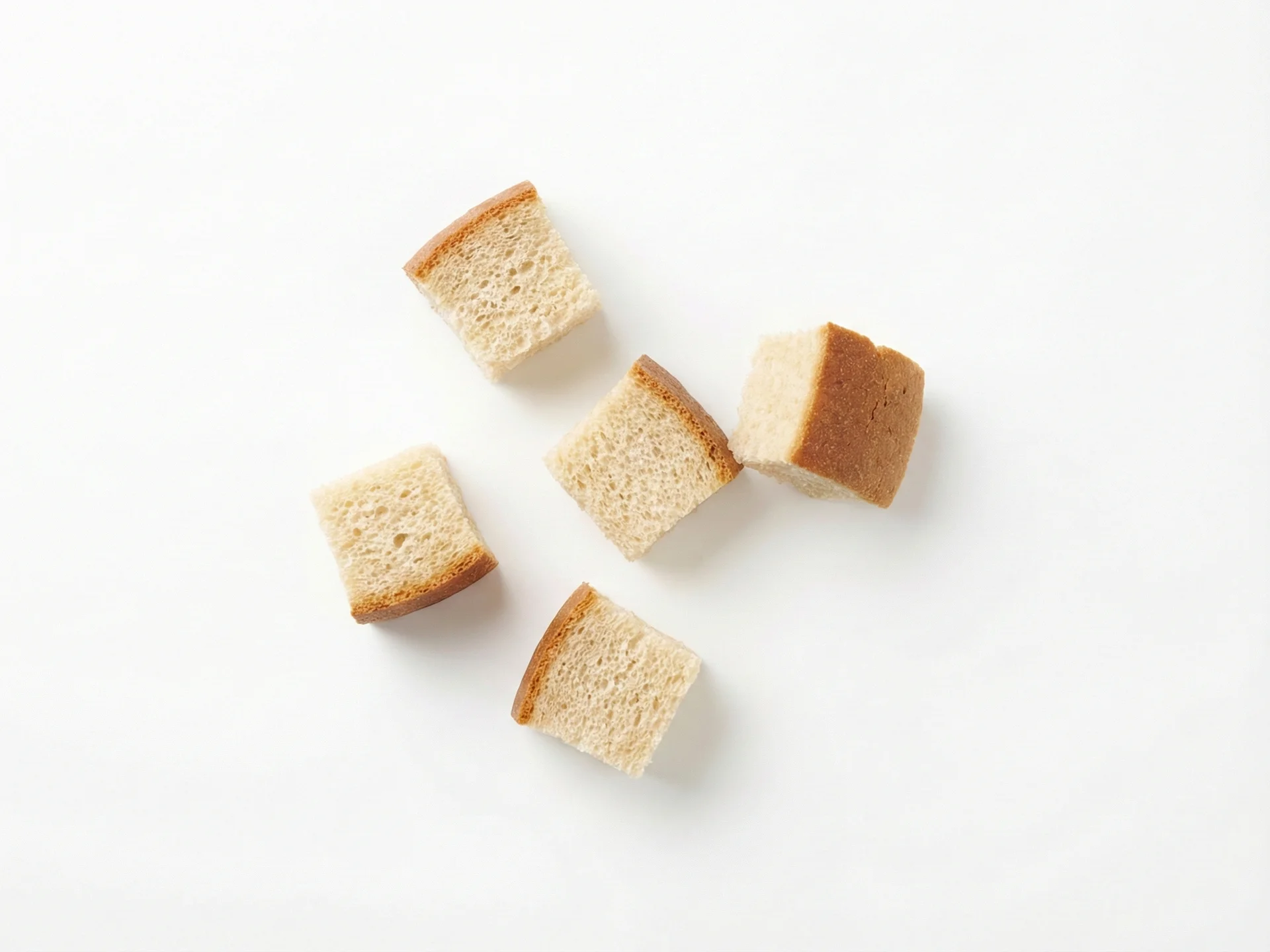
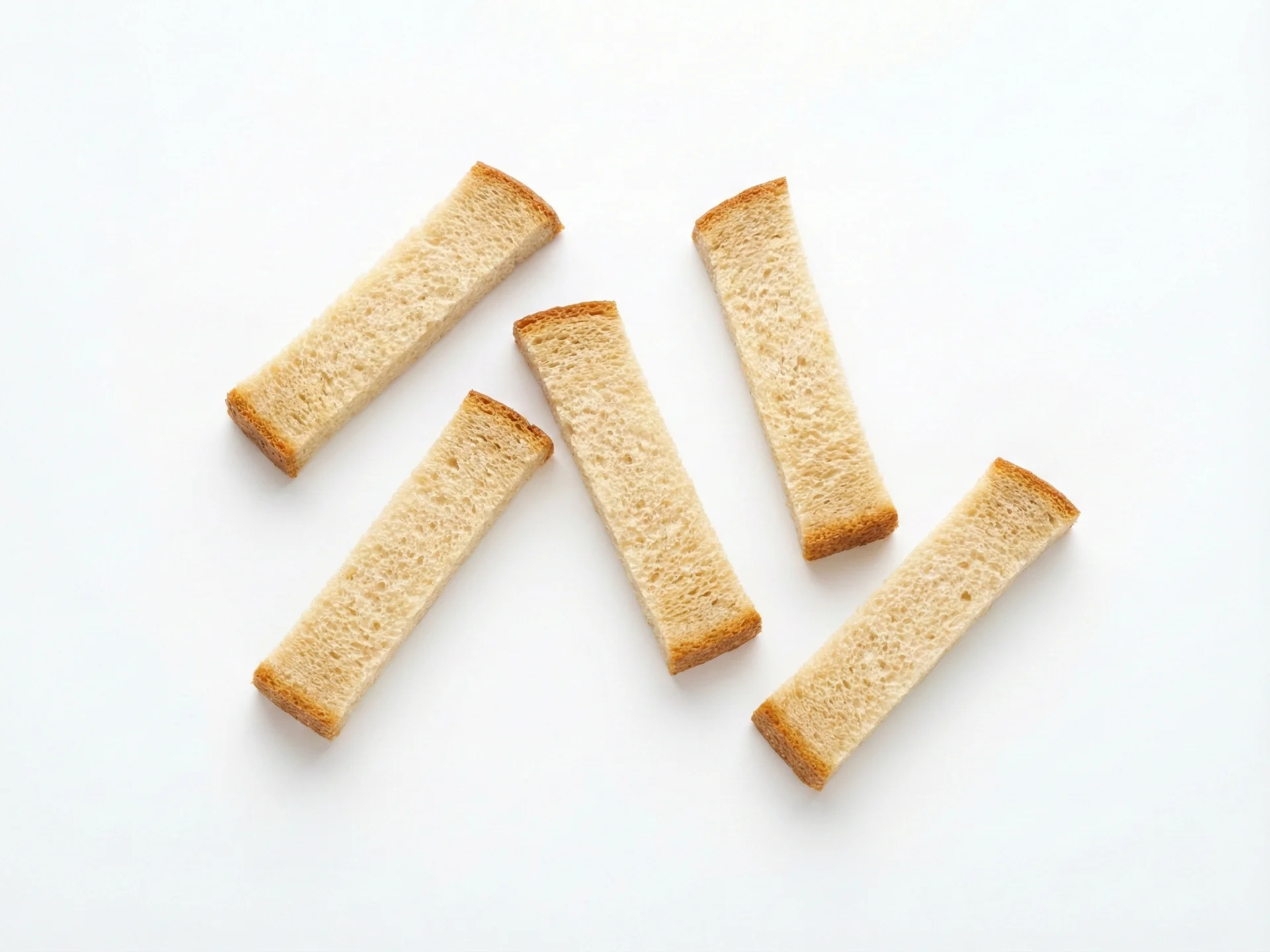
For babies 6-9 months, cook whole rye berries until very soft and mash or puree to a smooth consistency. You can also mix rye flour into baby porridge or offer soft, toasted rye bread strips. Ensure textures are easy to gum and swallow.
6 to 9 months

For babies 6-9 months, cook whole rye berries until very soft and mash or puree to a smooth consistency. You can also mix rye flour into baby porridge or offer soft, toasted rye bread strips. Ensure textures are easy to gum and swallow.

  • Simmer rye berries for at least 45 minutes until they're tender enough to mash with a fork.
  • Mix rye flour with breast milk, formula, or water to make a thin porridge.
  • Toast rye bread lightly and cut into finger-sized strips for easy grasping.
  • Avoid adding salt, sugar, or honey to rye preparations.
  • Always test the texture by squishing between your fingers to ensure it's soft enough.
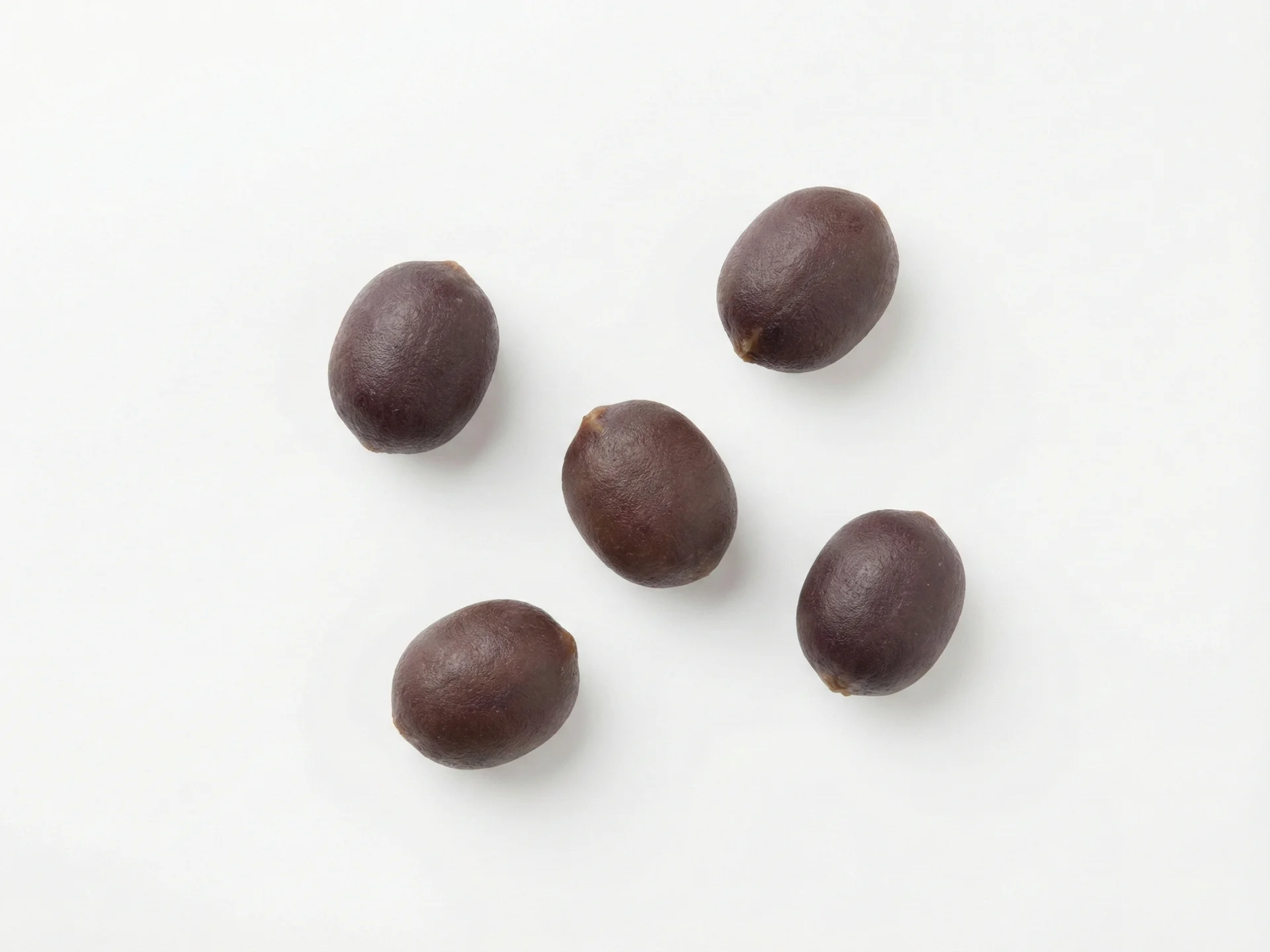
For babies 9-12 months, offer cooked rye berries as a finger food or in thicker porridges. You can also introduce soft rye crackers or pancakes. Encourage self-feeding with appropriately sized pieces.
9 to 12 months

For babies 9-12 months, offer cooked rye berries as a finger food or in thicker porridges. You can also introduce soft rye crackers or pancakes. Encourage self-feeding with appropriately sized pieces.

  • Cook rye berries until soft but leave some whole for chewing practice.
  • Make rye pancakes by mixing rye flour with mashed banana and egg.
  • Offer small, bite-sized pieces of soft rye bread or crackers.
  • Combine rye with fruits or vegetables for varied flavors.
  • Supervise closely as your baby practices chewing more textured foods.
For toddlers 12 months and up, incorporate rye into family meals like sandwiches, soups, or grain bowls. Continue to avoid hard or crusty textures and cut foods into manageable pieces.
12 months +

For toddlers 12 months and up, incorporate rye into family meals like sandwiches, soups, or grain bowls. Continue to avoid hard or crusty textures and cut foods into manageable pieces.

  • Use rye bread for sandwiches with soft fillings like avocado or hummus.
  • Add cooked rye to soups, stews, or salads for extra nutrition.
  • Experiment with rye-based muffins or snacks using minimal sugar.
  • Encourage self-feeding with utensils as skills develop.
  • Monitor for any signs of texture aversion and adjust as needed.

Safety & allergens

Choking risk: Medium

Rye can be a choking hazard if not prepared properly. For babies, always serve rye cooked until very soft and mashed or pureed for younger infants. Avoid whole rye berries or large, chewy pieces. Supervise your baby closely during meals and ensure they are sitting upright.

Common allergen

Introduce on its own and watch closely for any signs of a reaction.

Vitamins & minerals

Rye is rich in B vitamins like B1, B2, B3, B5, B6, and B9 (folate), which are essential for converting food into energy and supporting brain development.[1] It also provides minerals like iron for healthy blood cells, magnesium for bone health, and fiber for digestive regularity.[2][3]

Vitamins
Vitamin VITAMIN B1Vitamin VITAMIN B2Vitamin VITAMIN B3Vitamin VITAMIN B5Vitamin VITAMIN B6Vitamin VITAMIN B9
Minerals
IronMagnesiumPhosphorusPotassiumZincManganeseSelenium