FoodsProteinTuna
Tuna

Protein

Tuna

Tuna is a fantastic protein source for your baby, offering a mild flavor and soft texture that many little ones enjoy. It's packed with nutrients that support brain development and immune function, making it a nutritious addition to their diet.[1] Plus, its versatility means you can easily mix it with other favorite foods.

6m+Common allergenChoking risk: Low
First age6m+
CategoryProtein
Common allergenYes
Choking riskLow

When can babies eat Tuna?

You can introduce tuna around 6 months when starting solids, but many parents wait until 8-9 months as it's a common allergen. Always check with your pediatrician first, especially if there's a family history of fish allergies.

How to serve Tuna by age

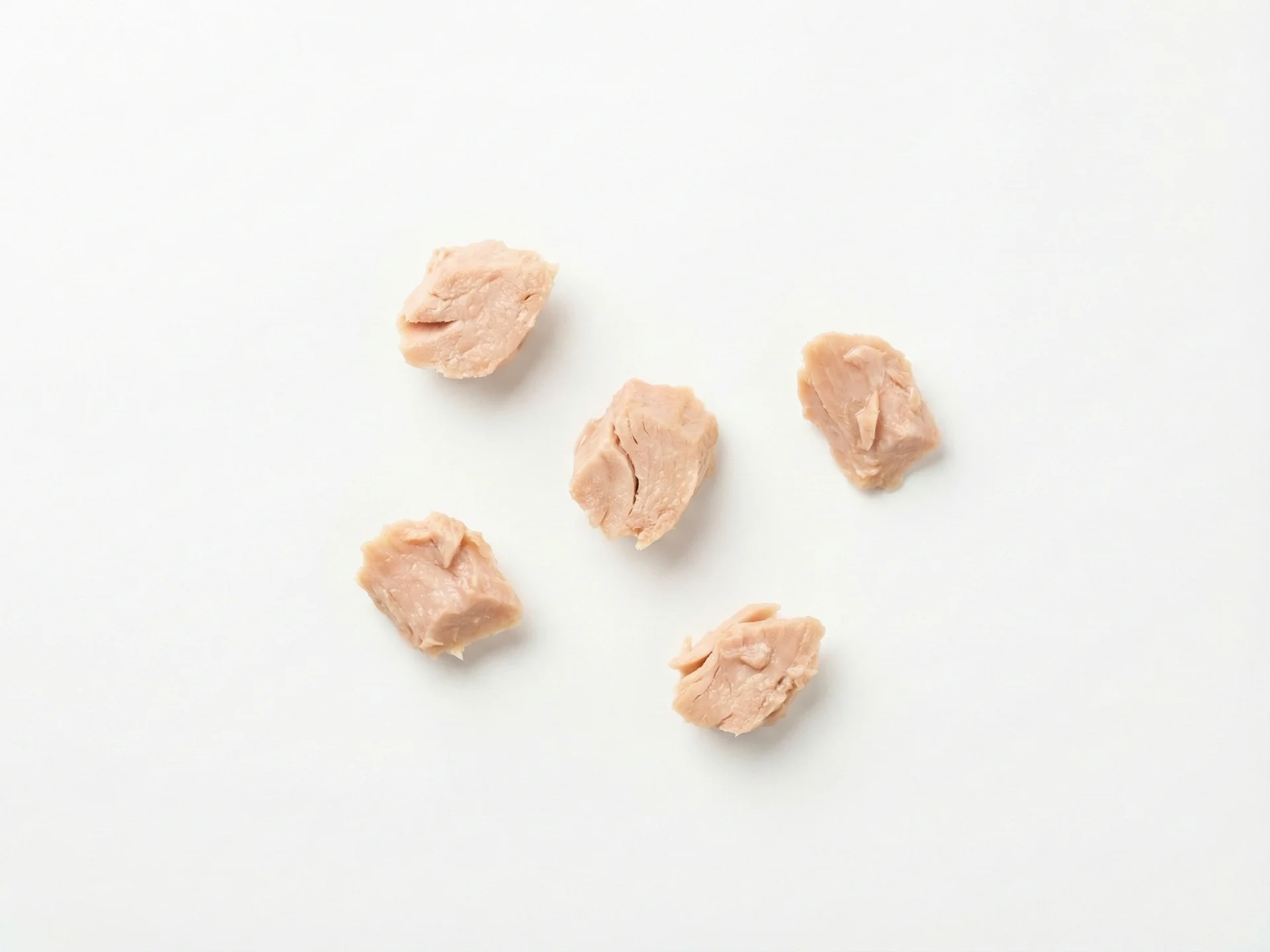
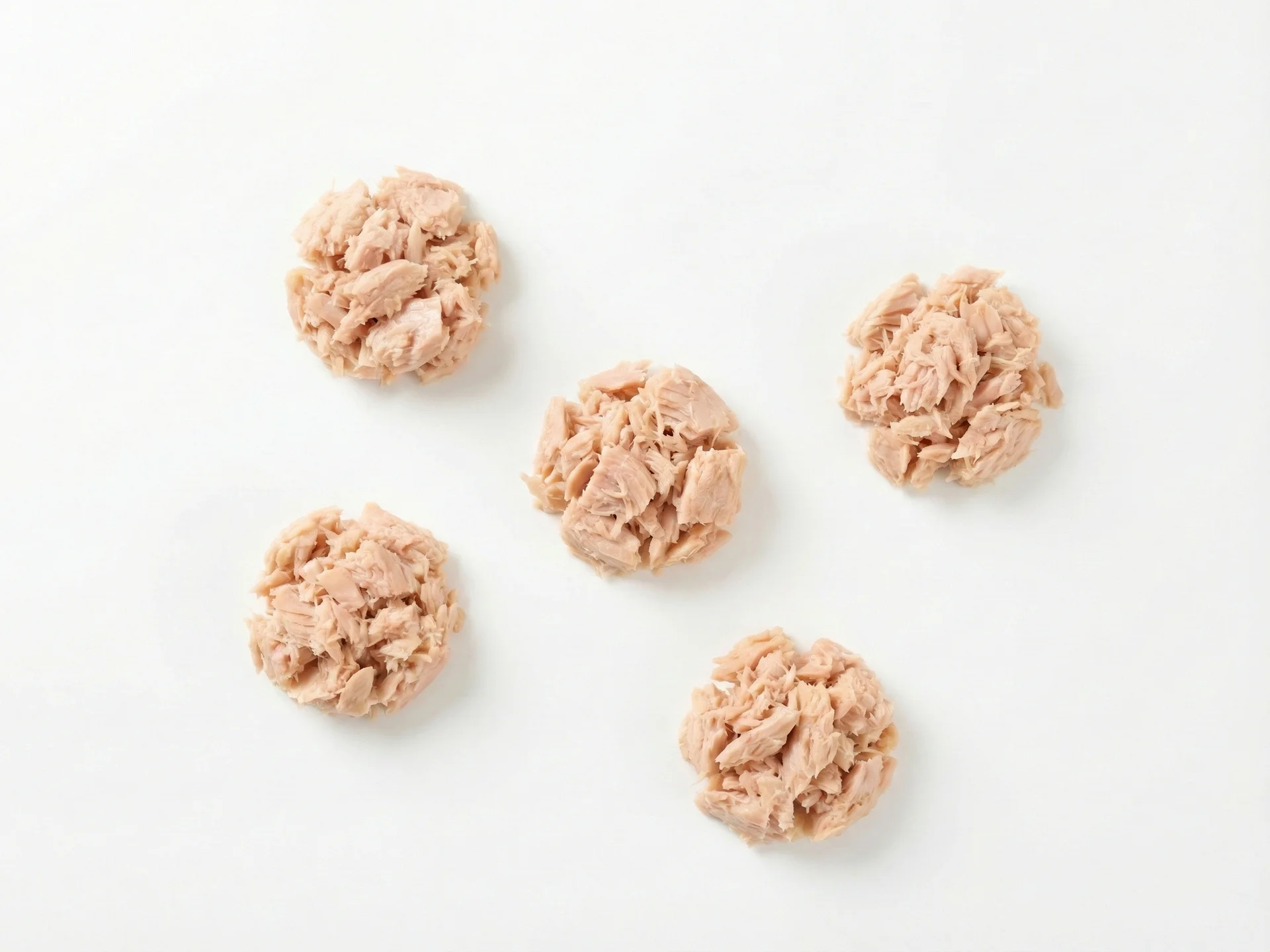
For babies 6-9 months, cook tuna thoroughly by steaming, baking, or poaching until it reaches 145°F and flakes easily. Remove all skin and bones, then mash or finely flake the tuna into tiny, soft pieces that your baby can gum safely. You can mix it with mashed avocado or sweet potato to help it stick together.
6 to 9 months

For babies 6-9 months, cook tuna thoroughly by steaming, baking, or poaching until it reaches 145°F and flakes easily. Remove all skin and bones, then mash or finely flake the tuna into tiny, soft pieces that your baby can gum safely. You can mix it with mashed avocado or sweet potato to help it stick together.

  • Choose low-mercury tuna varieties like skipjack
  • Cook tuna until it's opaque and flakes easily with a fork
  • Mash tuna with a fork to create a soft, lumpy texture
  • Mix with a binding agent like mashed banana or yogurt if needed
  • Serve in small amounts on your baby's tray or loaded onto a spoon
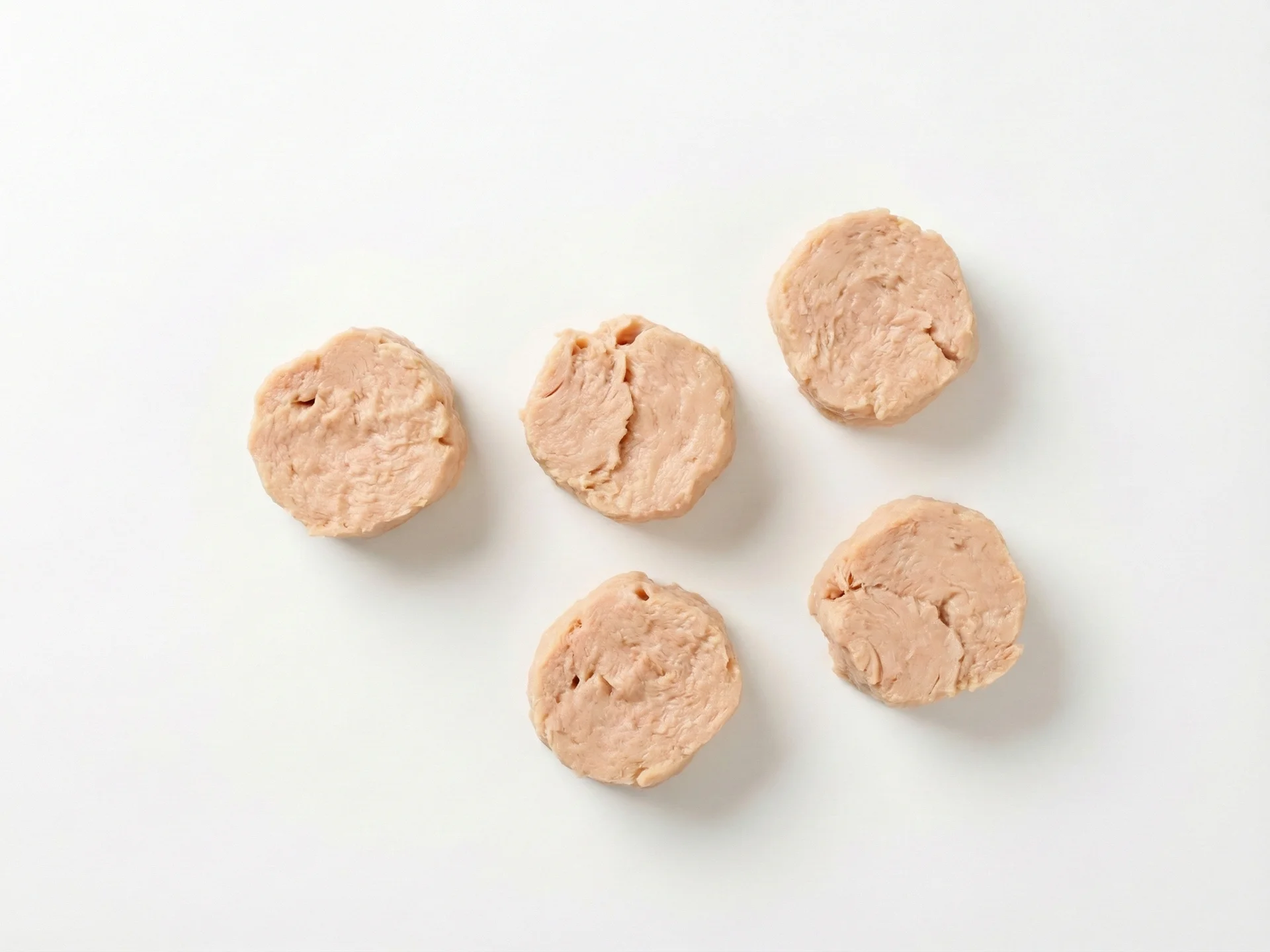
For babies 9-12 months, you can offer larger, soft flakes of cooked tuna that they can pick up with their developing pincer grasp. Consider forming tuna into small, soft patties or mixing it with cooked grains like quinoa or rice to make it easier to handle. Ensure pieces are no larger than 1/2 inch to reduce choking risk.
9 to 12 months

For babies 9-12 months, you can offer larger, soft flakes of cooked tuna that they can pick up with their developing pincer grasp. Consider forming tuna into small, soft patties or mixing it with cooked grains like quinoa or rice to make it easier to handle. Ensure pieces are no larger than 1/2 inch to reduce choking risk.

  • Flake tuna into pea-sized pieces for easy grabbing
  • Make tuna salad with mashed avocado instead of mayonnaise
  • Combine tuna with cooked vegetables for a balanced meal
  • Offer tuna on its own or as part of a deconstructed sandwich
  • Watch for signs of chewing as your baby's skills improve
For toddlers 12 months and up, you can offer tuna in more varied forms, such as in sandwiches, salads, or as part of family meals. Continue to ensure it's flaked into bite-sized pieces and monitor for bones. You can gradually introduce more seasonings, but still limit added salt and avoid high-mercury fish like shark or swordfish.
12 months +

For toddlers 12 months and up, you can offer tuna in more varied forms, such as in sandwiches, salads, or as part of family meals. Continue to ensure it's flaked into bite-sized pieces and monitor for bones. You can gradually introduce more seasonings, but still limit added salt and avoid high-mercury fish like shark or swordfish.

  • Include tuna in family meals like pasta dishes or casseroles
  • Offer tuna salad on whole grain bread or crackers
  • Teach your toddler to check for bones with your help
  • Pair tuna with colorful vegetables to make meals appealing
  • Continue to limit tuna to 1-2 servings per week due to mercury

Safety & allergens

Choking risk: Low

Tuna is naturally soft and flaky, so it has a low choking risk when prepared appropriately. For babies, always mash or flake it finely to avoid any large pieces. Avoid adding hard mix-ins like raw vegetables until your baby is older and can handle more textured foods.

Common allergen

Fish allergies affect about 0.2-0.5% of children, with tuna being one of the more common fish allergens.[2]

Vitamins & minerals

Tuna is rich in Vitamin D, which helps your baby absorb calcium for strong bones, and Vitamin B12, essential for healthy nerve function and red blood cell production.[4] It also provides selenium, an important mineral that supports the immune system and thyroid health.[5]

Vitamins
Vitamin VITAMIN DVitamin VITAMIN B12Vitamin VITAMIN B3Vitamin VITAMIN B6
Minerals
SeleniumPhosphorusPotassiumIodine