FoodsProteinSalmon
Salmon

Protein

Salmon

Salmon is a fantastic first fish for babies, offering a soft, flaky texture and mild flavor that many little ones enjoy. It's packed with high-quality protein for growth and healthy fats that support brain development.[6] Plus, it provides essential nutrients like vitamin D for strong bones and vitamin B12 for healthy blood cells.[6]

6m+Common allergenChoking risk: Medium
First age6m+
CategoryProtein
Common allergenYes
Choking riskMedium

When can babies eat Salmon?

You can introduce salmon around 6 months when your baby starts solids, making sure it's cooked thoroughly and prepared in a safe, age-appropriate texture.

How to serve Salmon by age

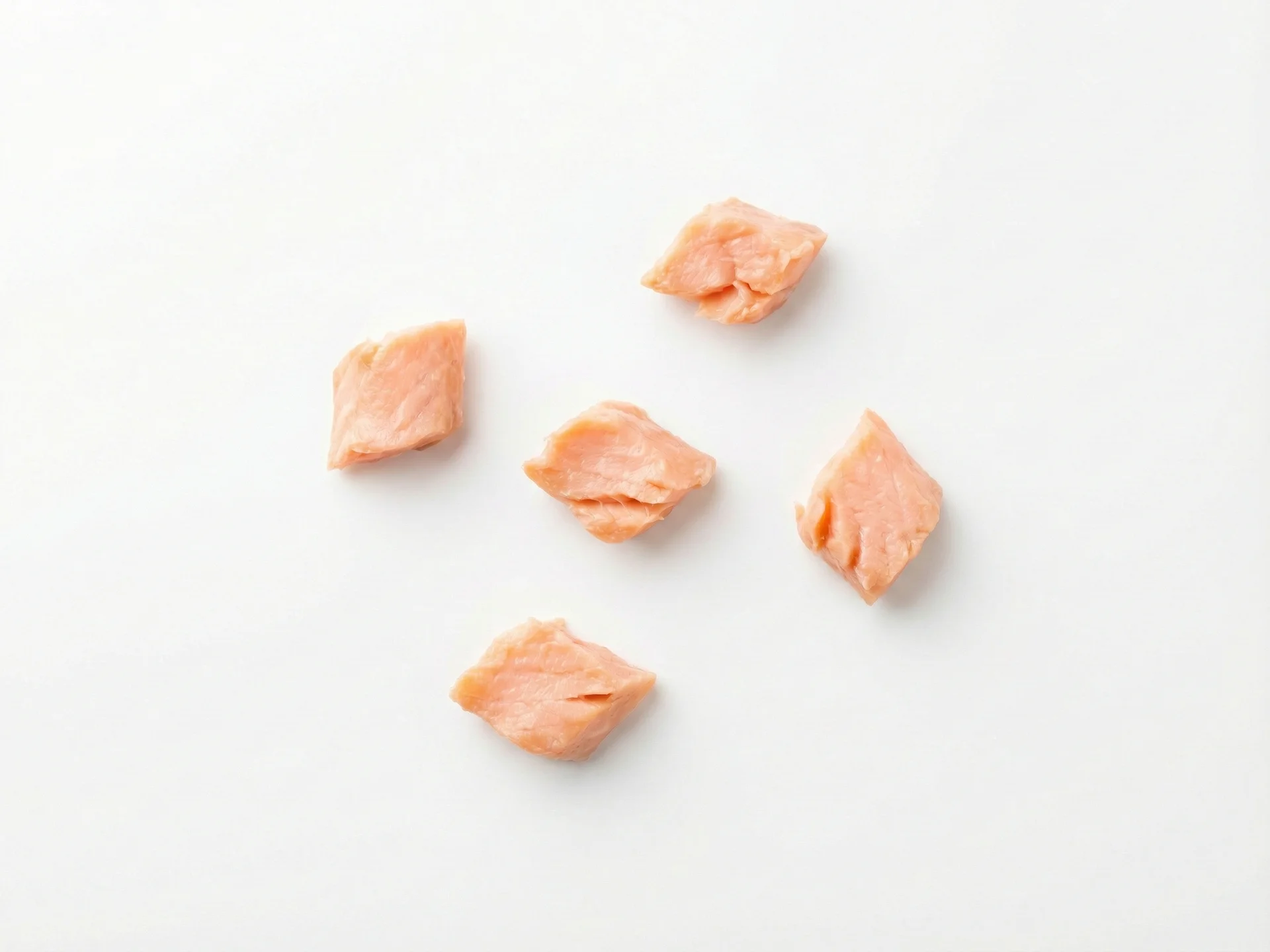
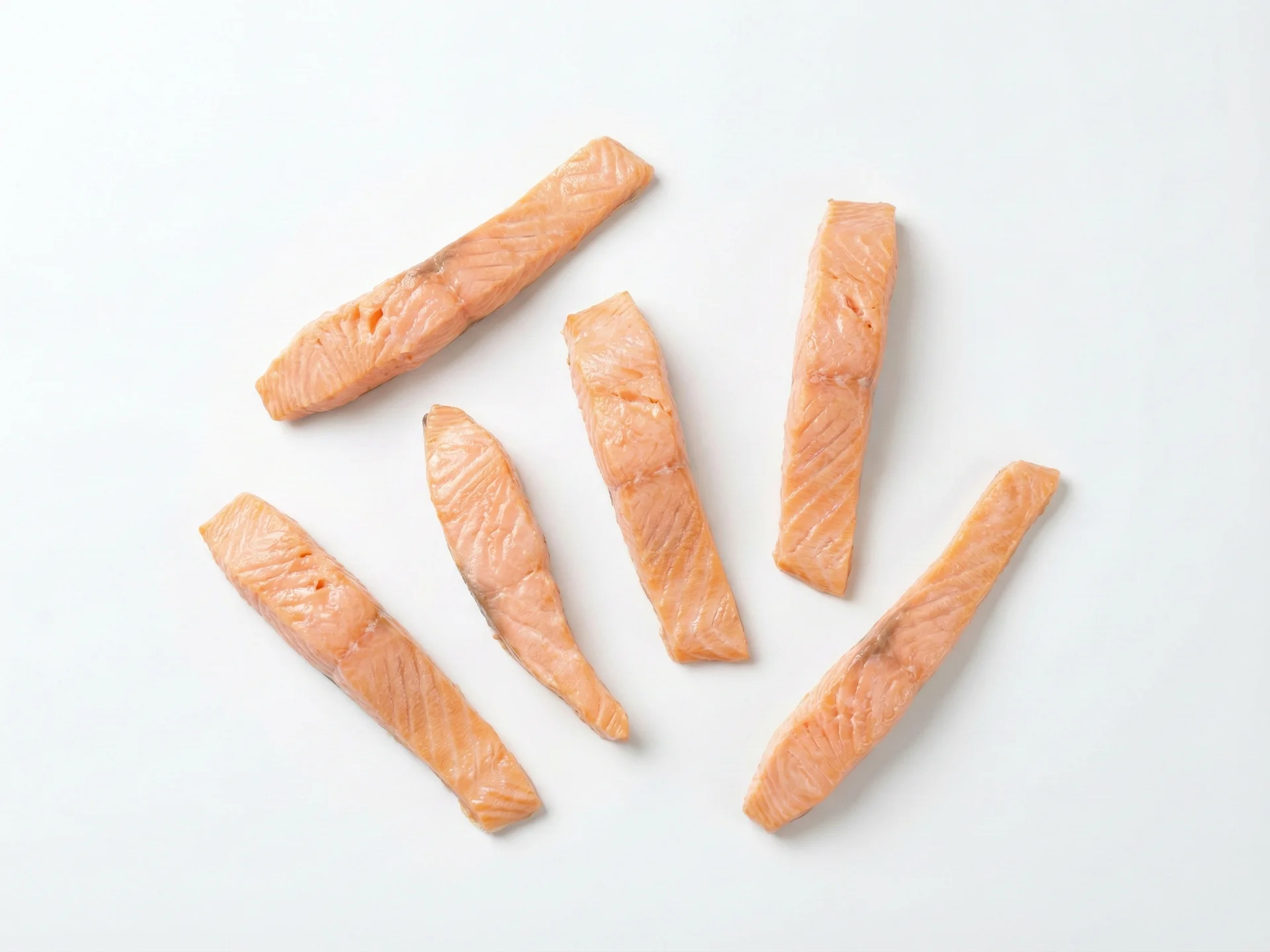
For babies 6-9 months, steam or bake salmon until fully cooked and flaky, then serve in large, graspable strips about the size of two adult fingers. This allows them to hold and gum on it easily. Ensure all bones are removed and the texture is soft enough to mash with gentle pressure.
6 to 9 months

For babies 6-9 months, steam or bake salmon until fully cooked and flaky, then serve in large, graspable strips about the size of two adult fingers. This allows them to hold and gum on it easily. Ensure all bones are removed and the texture is soft enough to mash with gentle pressure.

  • Steam or bake salmon plain without salt or heavy seasonings.
  • Cut into long strips for easy gripping by little hands.
  • Check thoroughly for any small bones before serving.
  • Serve at room temperature to avoid burns.
  • Offer alongside other soft foods like mashed avocado or sweet potato.
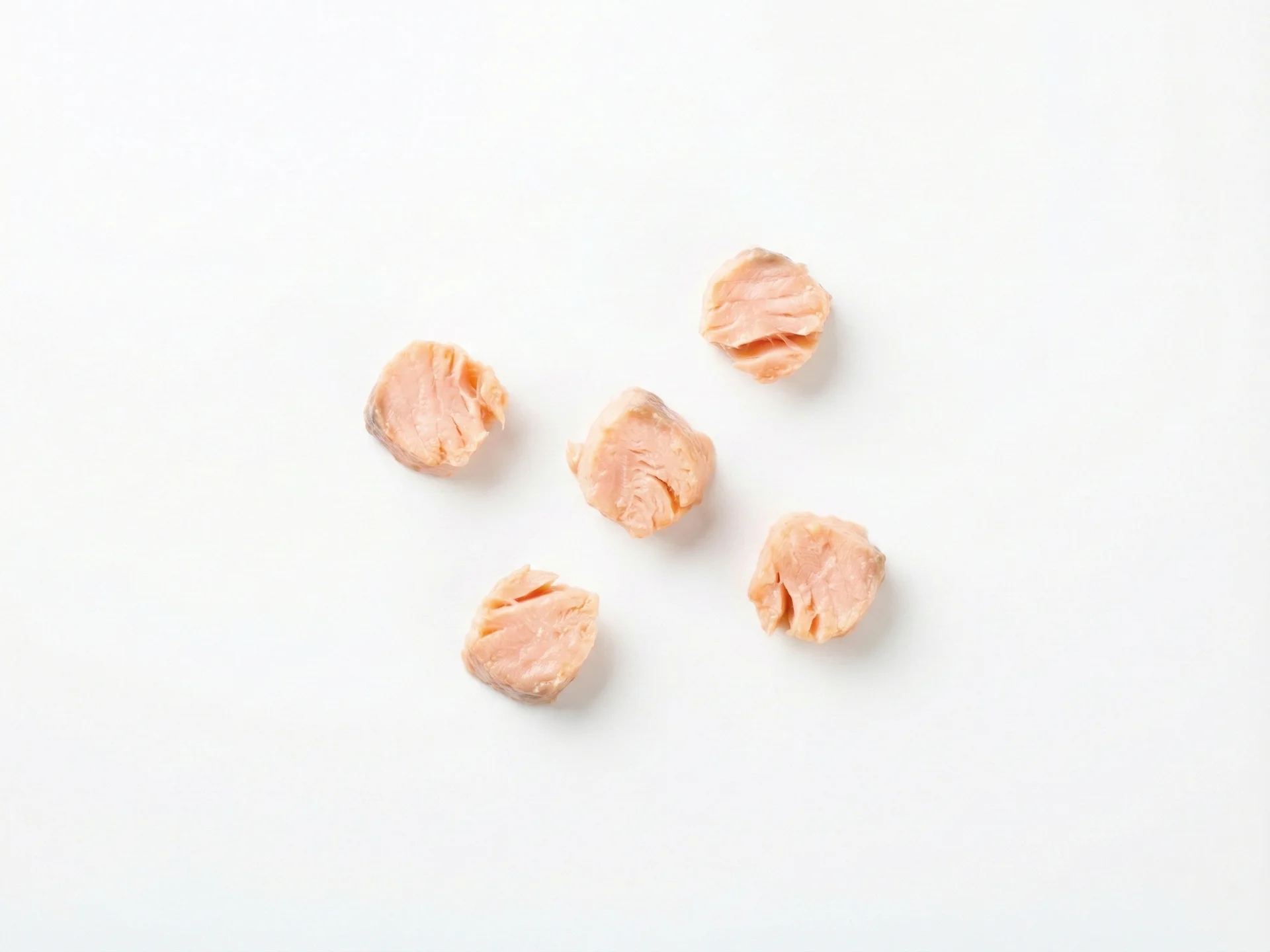
For babies 9-12 months, flake cooked salmon into smaller, bite-sized pieces they can pick up with their developing pincer grasp. You can mix it into other foods like oatmeal or veggie mashes to encourage self-feeding. The texture should still be soft but more manageable for chewing practice.
9 to 12 months

For babies 9-12 months, flake cooked salmon into smaller, bite-sized pieces they can pick up with their developing pincer grasp. You can mix it into other foods like oatmeal or veggie mashes to encourage self-feeding. The texture should still be soft but more manageable for chewing practice.

  • Flake salmon into pea-sized pieces for pincer grasp practice.
  • Mix with mashed vegetables or grains to add variety.
  • Introduce mild herbs like dill for flavor without salt.
  • Ensure pieces are small enough to prevent choking but not too tiny to frustrate.
  • Offer as part of a balanced meal with fruits and veggies.
For toddlers 12 months and up, serve salmon in more varied forms like small patties, mixed into pasta, or as part of family meals. You can gradually introduce light seasonings and ensure it's cut into safe, chewable pieces. Continue to monitor for bones and adjust textures as their chewing skills improve.
12 months +

For toddlers 12 months and up, serve salmon in more varied forms like small patties, mixed into pasta, or as part of family meals. You can gradually introduce light seasonings and ensure it's cut into safe, chewable pieces. Continue to monitor for bones and adjust textures as their chewing skills improve.

  • Make salmon patties with breadcrumbs and eggs for easy handling.
  • Add to rice or quinoa bowls for a complete meal.
  • Use light seasonings like lemon juice or garlic powder.
  • Cut into small, bite-sized chunks to match their eating pace.
  • Involve them in meal prep to encourage interest in healthy foods.

Safety & allergens

Choking risk: Medium

Salmon has a soft, flaky texture when cooked, but bones can be a choking hazard. Always check carefully for and remove any tiny bones. For younger babies, mash or puree salmon until smooth, and for older babies, flake it into very small, manageable pieces they can gum easily.

Common allergen

Fish allergy affects about 0.2% of children, with salmon being a common trigger among fish-allergic individuals.[2]

Vitamins & minerals

Salmon is rich in protein for muscle growth and contains omega-3 fats that support brain health. It provides vitamin D, which helps babies absorb calcium for strong bones,[6] and phosphorus, essential for bone mineralization.[4] The potassium in salmon aids in maintaining healthy fluid balance and muscle function.[3]

Vitamins
Vitamin VITAMIN B12Vitamin VITAMIN DVitamin VITAMIN B3Vitamin VITAMIN B6Vitamin VITAMIN B5
Minerals
SeleniumPhosphorusPotassiumIodineIron