FoodsProteinCod
Cod

Protein

Cod

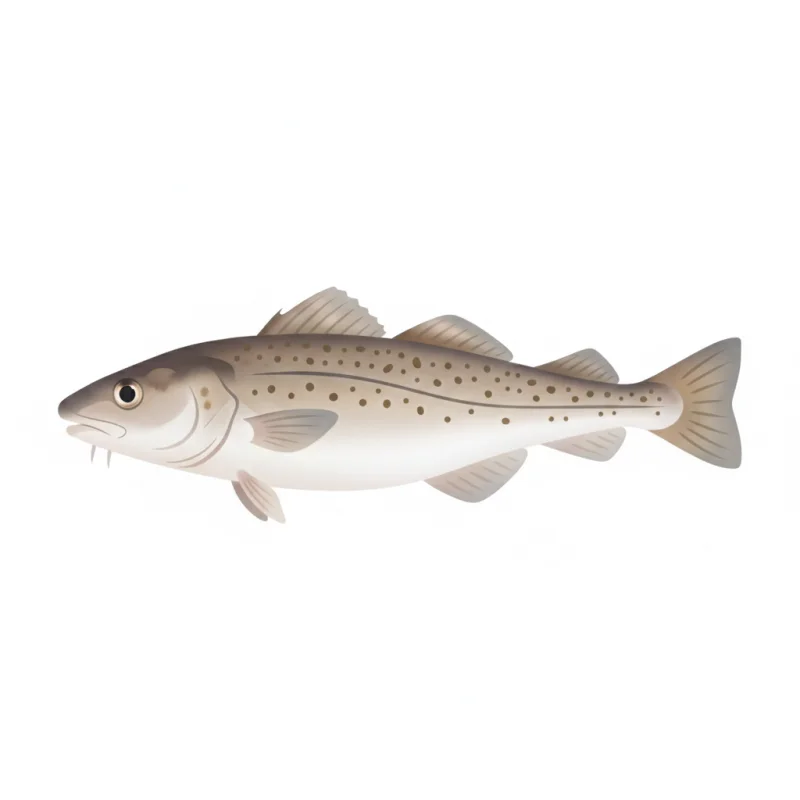
Cod is a mild, flaky white fish that's a fantastic first seafood for babies. Its soft texture and gentle flavor make it easy for little ones to accept, while providing high-quality protein for growth and development.[4] It's also packed with important nutrients like vitamin D and selenium that support your baby's immune system and bone health.[2][3]

6m+Common allergenChoking risk: Low
First age6m+
CategoryProtein
Common allergenYes
Choking riskLow

When can babies eat Cod?

You can introduce cod around 6 months when starting solids, but it's especially important to introduce fish early (by 9-12 months) to help reduce allergy risk.

How to serve Cod by age

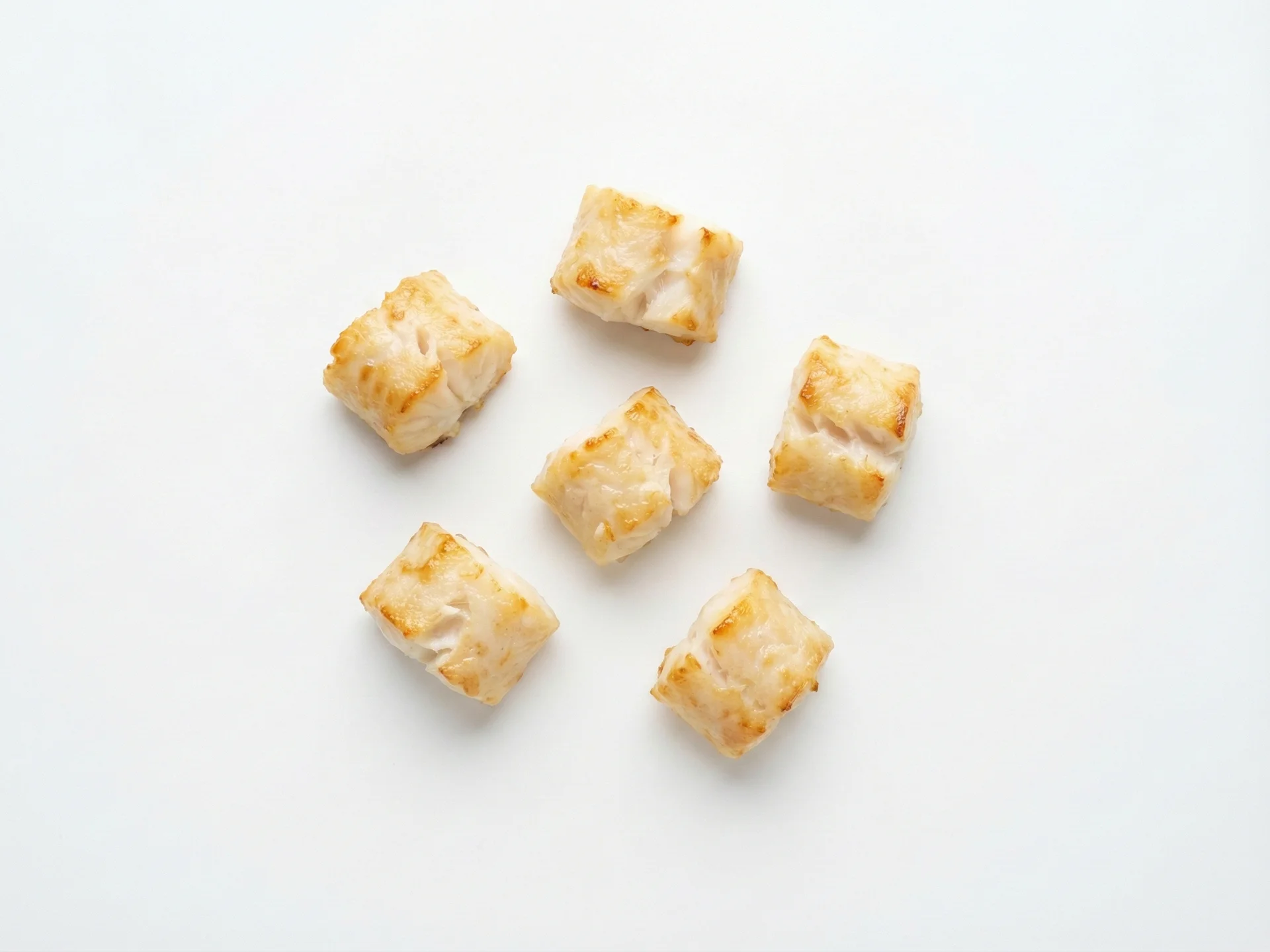
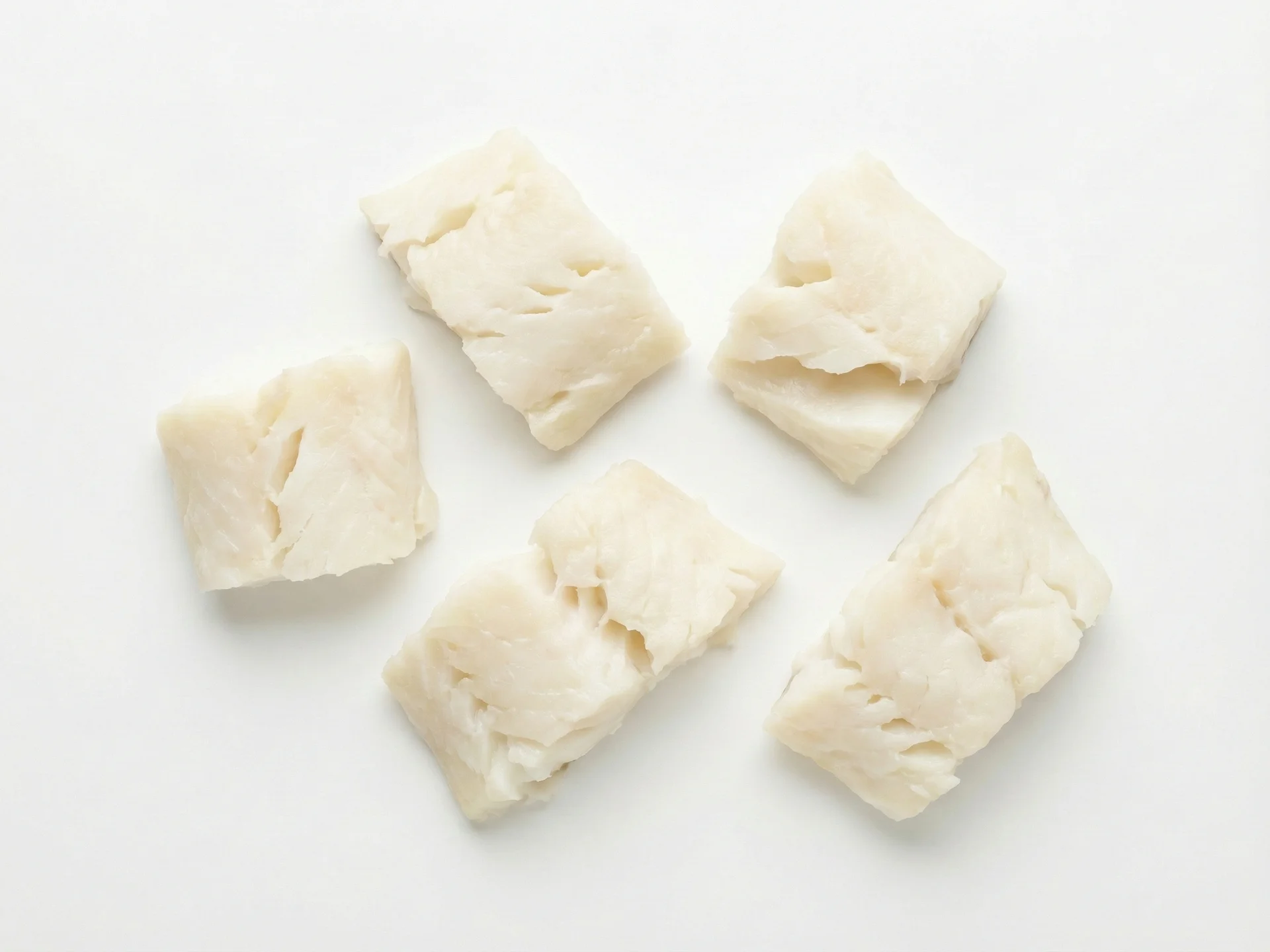
For beginners, steam or bake cod until fully cooked and flaky, then break into large, palm-sized flakes that your baby can grasp. The flakes should be soft enough to mash between your fingers but large enough to hold. Avoid small pieces that could be choking hazards.
6 to 9 months

For beginners, steam or bake cod until fully cooked and flaky, then break into large, palm-sized flakes that your baby can grasp. The flakes should be soft enough to mash between your fingers but large enough to hold. Avoid small pieces that could be choking hazards.

  • Remove all bones carefully before cooking
  • Steam or bake without added salt
  • Test texture by mashing between your fingers
  • Serve in large, flat flakes rather than chunks
  • Offer alongside easy-to-grip vegetables
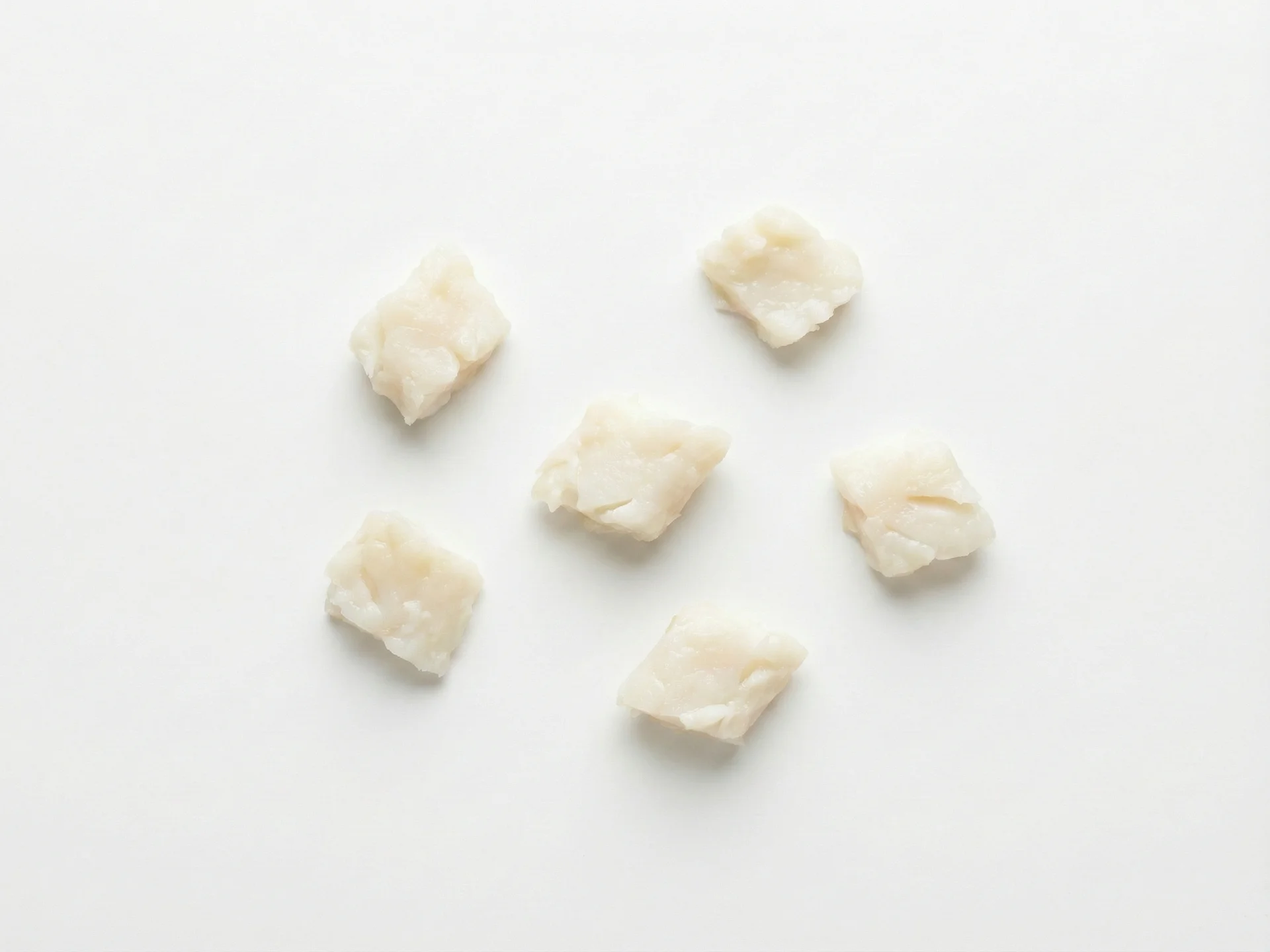
As your baby develops a pincer grasp, you can offer smaller, bite-sized pieces of cooked cod. The fish should still be moist and flaky but can be cut into pea-sized pieces that encourage fine motor skills. You can also mix flaked cod into other foods.
9 to 12 months

As your baby develops a pincer grasp, you can offer smaller, bite-sized pieces of cooked cod. The fish should still be moist and flaky but can be cut into pea-sized pieces that encourage fine motor skills. You can also mix flaked cod into other foods.

  • Cut into pea-sized pieces for pincer practice
  • Mix with mashed potatoes or avocado for easier handling
  • Try lightly pan-searing for more texture variety
  • Include in fish cakes or patties
  • Offer with dipping sauces like yogurt for self-feeding
Toddlers can enjoy cod prepared in more varied ways, including fish cakes, baked fillets, or mixed into pasta dishes. Continue to ensure thorough cooking and bone removal, and you can introduce mild seasonings like herbs or lemon juice.
12 months +

Toddlers can enjoy cod prepared in more varied ways, including fish cakes, baked fillets, or mixed into pasta dishes. Continue to ensure thorough cooking and bone removal, and you can introduce mild seasonings like herbs or lemon juice.

  • Make fish cakes with mashed vegetables
  • Try baking with a light breadcrumb coating
  • Include in family meals like fish tacos or pasta
  • Introduce mild herbs like dill or parsley
  • Continue to avoid added salt and strong spices

Safety & allergens

Choking risk: Low

Cod has a naturally soft, flaky texture that makes it low-risk when prepared properly. Always remove any bones thoroughly before serving. For younger babies, mash or puree the fish until smooth, and for older babies, flake it into small, manageable pieces they can pick up with their fingers.

Common allergen

Fish allergies affect about 0.2-0.5% of children, with cod being one of the more common fish allergens.[2]

Vitamins & minerals

Cod provides excellent nutrition for growing babies. The phosphorus in cod works with calcium to support strong bone development and mineralization.[2][3] The high-quality protein (22.5g per 100g) supports healthy growth and development, while selenium acts as an important antioxidant for immune function.[4][5]

Vitamins
Vitamin VITAMIN B12Vitamin VITAMIN DVitamin VITAMIN B6Vitamin VITAMIN B3
Minerals
SeleniumPhosphorusPotassiumIodine